
You’ve probably heard of Texas beaches like South Padre or Galveston, but there’s one island most people don’t know about, and it’s completely different.
There are no hotels, crowds, or roads here, just wide-open beaches, quiet waves, and miles of untouched nature.
It feels like a scene straight out of a travel magazine, not something you’d expect in Texas.
If you’re into off-the-grid adventures, secret spots, and truly unplugging, keep reading because this island might just be the most surprising place in the state.
Where Is It?

Matagorda Island is tucked away on the Texas Gulf Coast, about 7 miles offshore from the town of Port O’Connor.
Since there are no roads or bridges, you’ll need to reach the island by boat or kayak, either on your own or with a local shuttle service in town.
Getting to Port O’Connor takes about 2.5 hours from Houston, 3.5 hours from Austin, and a little over 3 hours from San Antonio.
About
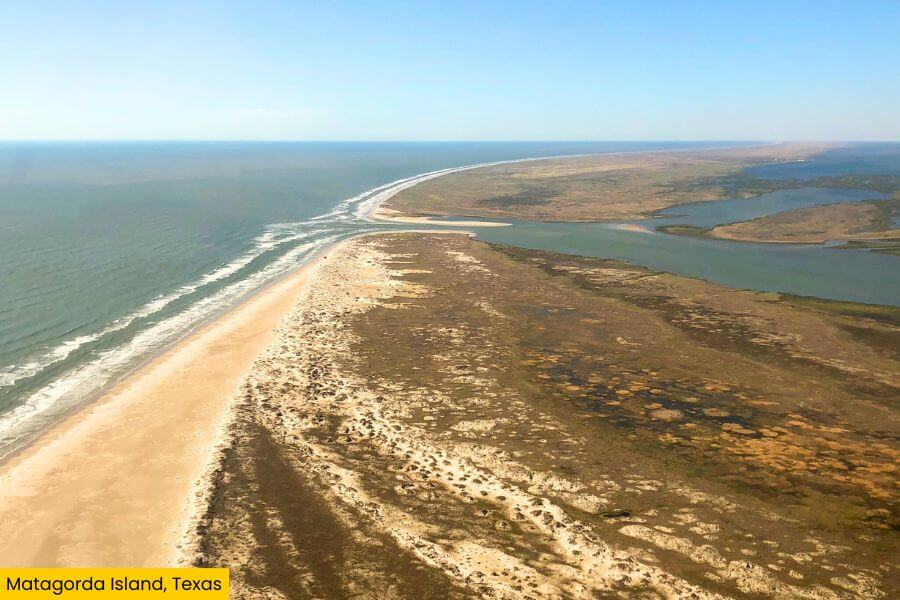
Matagorda Island is one of those places that makes you double-check the map, because yes, this dreamy, untouched island is actually part of Texas.
It’s a long, narrow barrier island that runs 38 miles and remains completely undeveloped, with no electricity, restaurants, or drinking water.
That’s because it is largely protected as part of Matagorda Island State Park and Wildlife Management Area, where nature takes center stage.
Expect wide-open beaches with hardly another person in sight, thick coastal prairies, tidal flats, and tons of wildlife.
The island also holds a rich history as a former World War II military training base, with abandoned runways and overgrown roads still visible in the dunes.
Don’t expect guided tours or flashy signage because this is more of a bring-your-own-everything kind of adventure.
You’ll need to pack in your food, water, and camping gear if you plan to stay overnight.
So if you’re up for something off the grid with star-filled skies and nothing but waves and seabirds for company, Matagorda Island totally delivers.
Things To Do
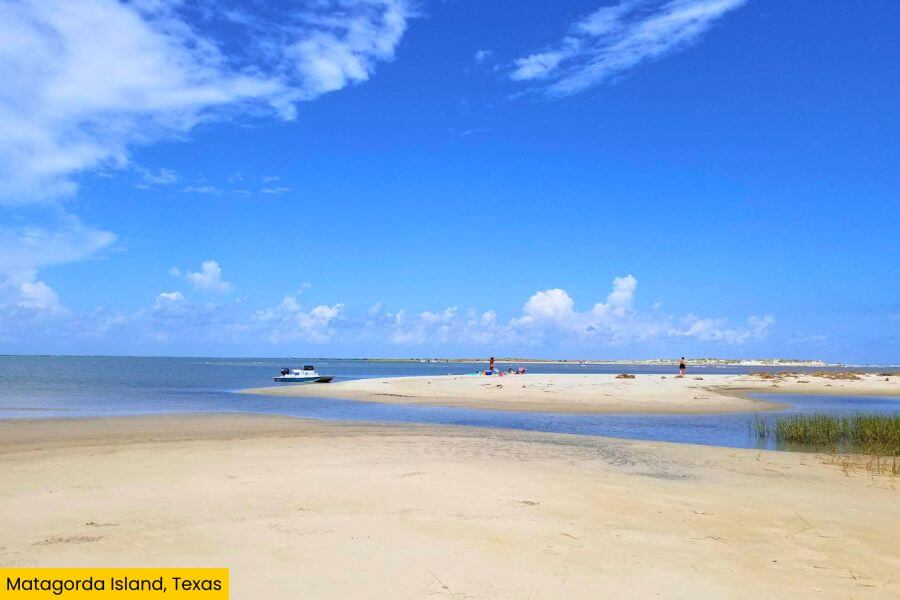
Once you step off the boat and set foot on Matagorda Island, it’s nothing but you, nature, and the freedom to explore.
First up is the beach, a peaceful stretch of untouched shoreline that’s perfect for beachcombing.
Spend a little time sifting through the sand and you’ll likely spot sand dollars, pumice, and even some sundial shells.
Fishing is also huge out here, so bring your gear and cast right from the surf or in the shallow waters on the island’s bayside.
You can reel in redfish, speckled trout, and tarpon, as long as you have a Texas fishing license.
If you’re into paddling, there’s a network of kayak trails in the Matagorda-Port O’Connor area that wind through calm bay waters and marsh systems.
You’ll need to bring your own kayak (or arrange transport), but the views and birdwatching are totally worth the effort.
Speaking of birds, this place is a dream if you’re into feathered friends since it lies within the Central Flyway, a key route for migrating species.
So bring your binoculars and look out for roseate spoonbills, egrets, sandhill cranes, and pelicans.
For hikers, there are trails and old service roads that cross the island, making it a place best explored at your own pace.
The trek to the historic Matagorda Island Lighthouse is a solid choice, with a picture-perfect view of the coast as your reward (the interior isn’t open to visitors).
Want to extend your visit? You can stay overnight at the primitive campground, which has 13 designated sites with shade and barbecue pits.
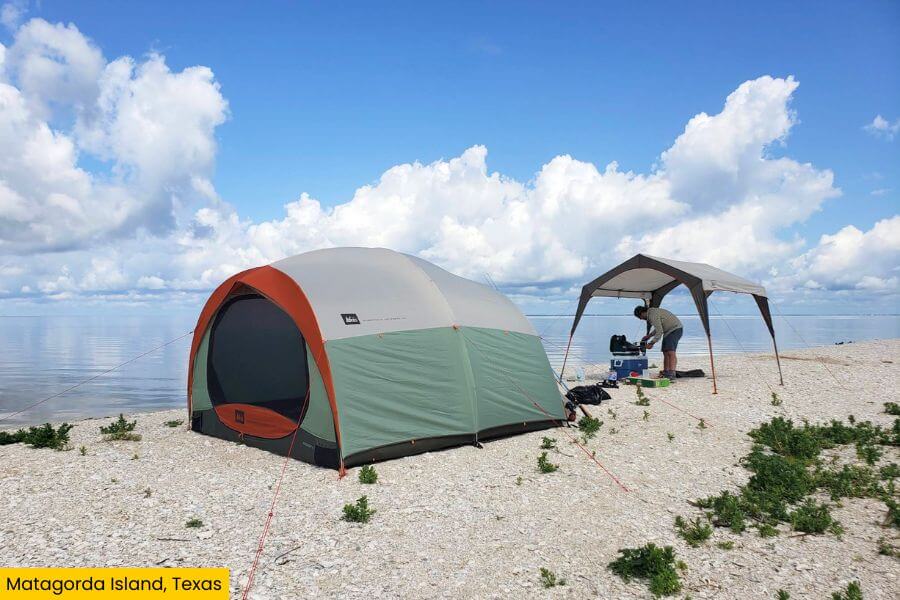
Here, you’ll drift off to the sound of waves and wake to a sunrise that feels like it was made just for you.
So yes, it’s not a spot with endless attractions, and that’s the point, because the beauty of Matagorda Island is in slowing down and unplugging.
Know Before You Go

Best Time to Visit and Hours
Spring and fall are your sweet spots, with mild weather, fewer mosquitoes, and peak birdwatching during migration season.
Summers can get super hot and buggy, especially with no shade or facilities to cool off.
Winter is quieter with the possibility of seeing rarer species, but the days tend to be chilly and windy.
Matagorda Island is open year-round with no general entry fee, though many of its public areas are accessible only during daylight hours.

How to Get There
To reach Matagorda Island, you’ll first need to get to Port O’Connor and then continue by boat.
You’ve got a few options:
- Private boat: If you have one (or a friend who does), you can make the trip across Espiritu Santo Bay to the island.
- Charter service: Several local outfitters in Port O’Connor offer drop-offs and pickups.
- Kayaking: It’s technically possible but best left to experienced paddlers because the open-water route is long and the weather unpredictable.
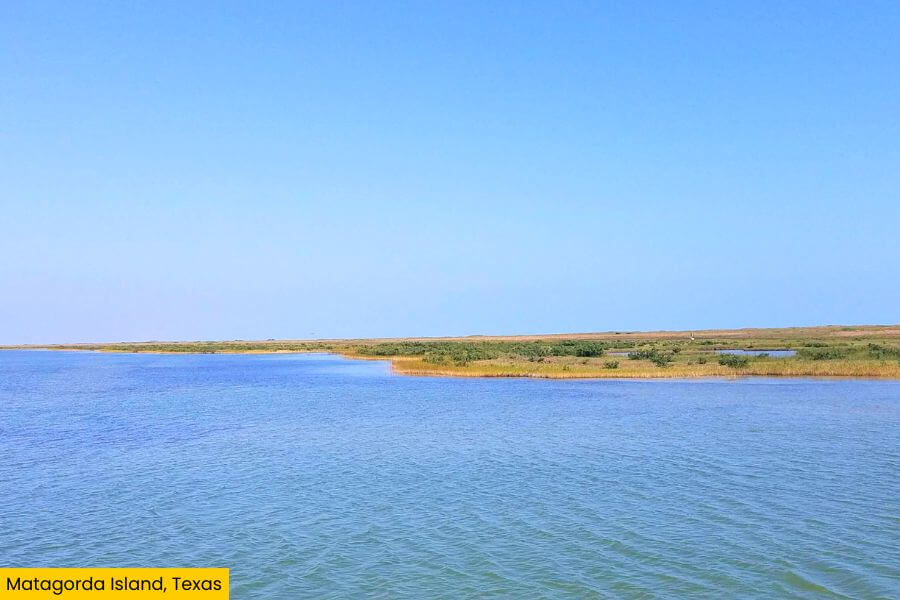
What to Bring
This is a fully primitive adventure, so pack like you’re going off the grid and don’t forget the essentials.
- Plenty of water
- All your food and snacks
- Sunscreen, hats, and sun protection
- Bug spray
- Camping gear if you’re staying overnight
- A GPS or a map
- Trash bags (you’ll need to pack everything out)
- A fishing license if you plan to fish
- Binoculars if you’re birdwatching
- A first aid kit
Things to Do Nearby
Before or after your island trip, spend some time exploring Port O’Connor.
It’s small but charming, with a few bait shops, seafood joints, and marinas.
Check out:
- King Fisher Beach — a small family-friendly beach with a pier
- Boggy Nature Park — great for spotting birds and catching sunset views
You can also swing by Seadrift or Port Lavaca if you’re up for more coastal exploring, as both are less than 30 minutes away.
Related Posts