There’s a pizza style in the U.S. that doesn’t look like anything you’re used to.
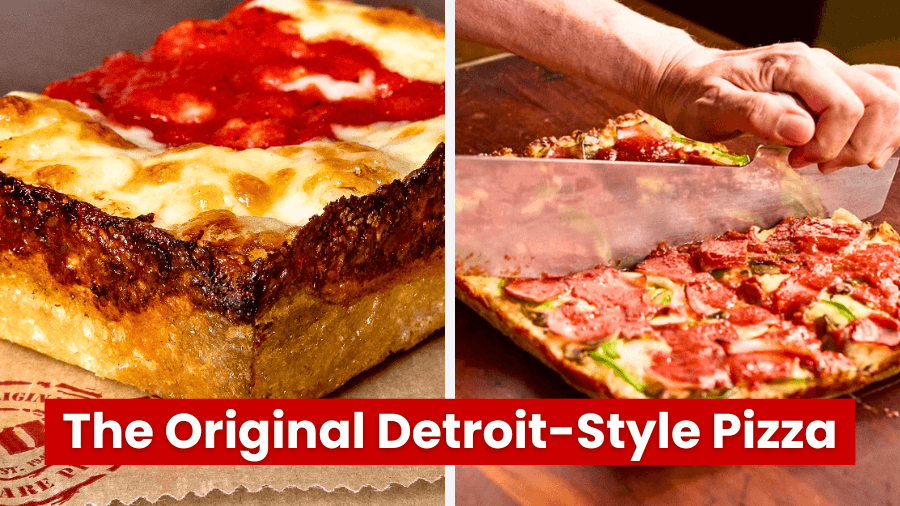
It’s square, thick, crispy on the edges, and loaded in a way that flips the usual pizza order completely upside down.
And here’s the wild part, it all started in a simple neighborhood spot that most people would drive right past without a second thought.
No flashy signs, no big tourist crowds at the beginning, just a small local place trying something new back in 1946.
That one experiment turned into a full-blown food legend.
Let’s head back to where it all began.
Where Is It?
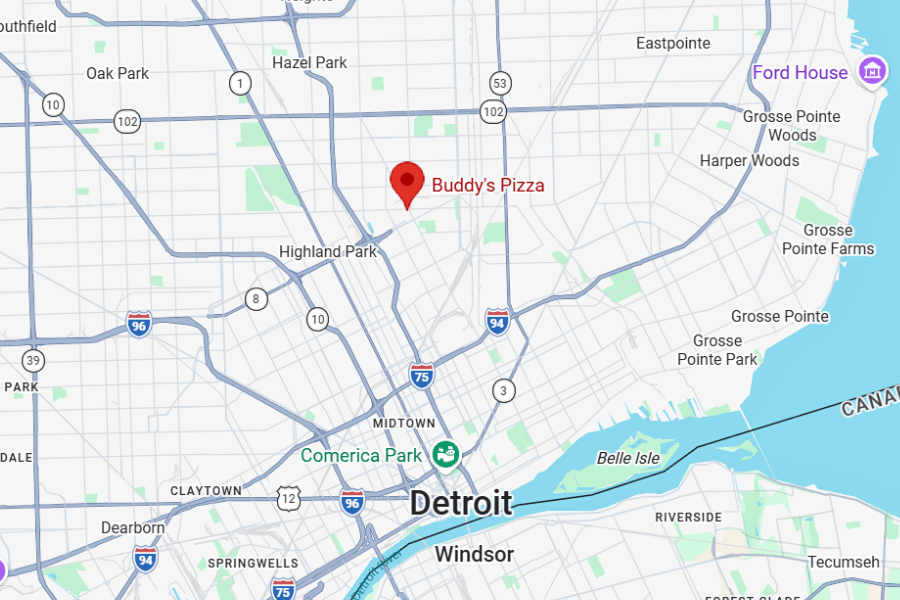
Buddy’s Pizza’s original location sits at 17125 Conant Street on Detroit’s northern side, right in the McNichols and Conant area.
You’ll find it in a low-key commercial stretch that doesn’t scream “famous food spot,” which makes it even more fun when you realize what started here.
It’s about a 10-minute drive from downtown Detroit, making it an easy drive whether you’re exploring the city center or cruising in from the suburbs.
About
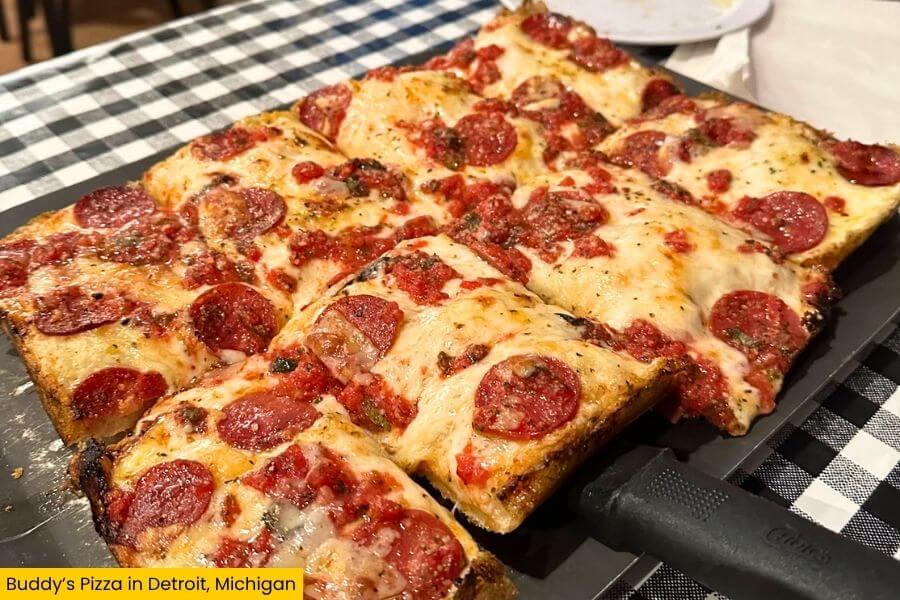
Walking into Buddy’s Pizza on Conant feels like stepping into the birthplace of something seriously iconic, but without any of the flashy, over-the-top presentation you might expect.
The building keeps things simple, with a classic exterior and a no-frills dining room that puts all the attention exactly where it belongs, on the pizza.
This is where Detroit-style pizza shines in its purest form, with those signature square pies baked in steel pans that give the crust its crispy, caramelized edges.
Each slice comes out thick and airy on the inside, with a golden crunch on the outside that almost feels fried.
The cheese is spread all the way to the edges so it melts and browns against the pan, creating those famous crispy corners people go crazy for.
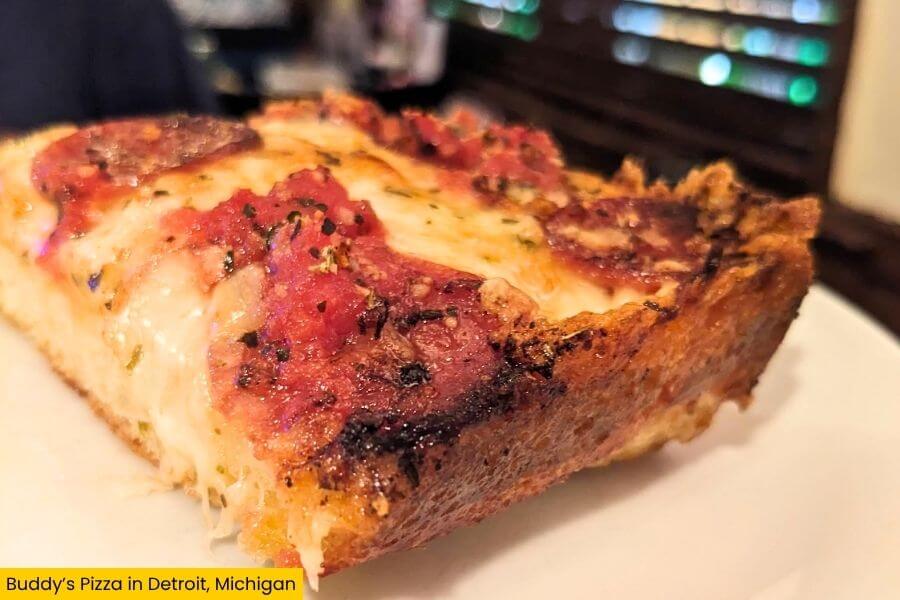
Then comes the sauce, spooned right on top in bold stripes, giving every bite a punch of bright tomato flavor.
The menu sticks close to what made the place famous, with classic combinations like pepperoni, cheese, and meat deluxe leading the charge.
If you want the full experience, the Detroiter is the go-to order, topped with pepperoni, Wisconsin brick cheese, and that signature sauce layered over the top.
The vibe inside is casual and welcoming, with booths, simple tables and the kind of laid-back energy that makes it easy to settle in and stay a while.
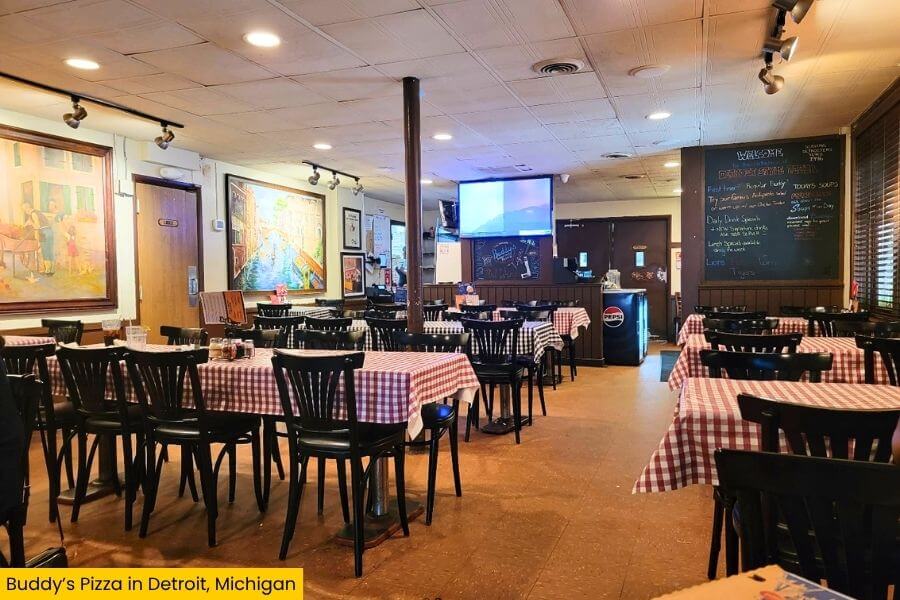
You might hear the clatter of pans coming from the kitchen and catch the smell of baking dough and bubbling cheese before your food even hits the table.
Even though Buddy’s has expanded to multiple locations across metro Detroit and beyond, this original Conant spot is still the one people point to when they want the real deal.
History
Buddy’s story kicks off in 1946, when the building on Conant Street was actually a neighborhood bar called Buddy’s Rendezvous.
Gus Guerra, the owner, decided to try something different by adding pizza to the menu, which was still a pretty new idea in Detroit at the time.
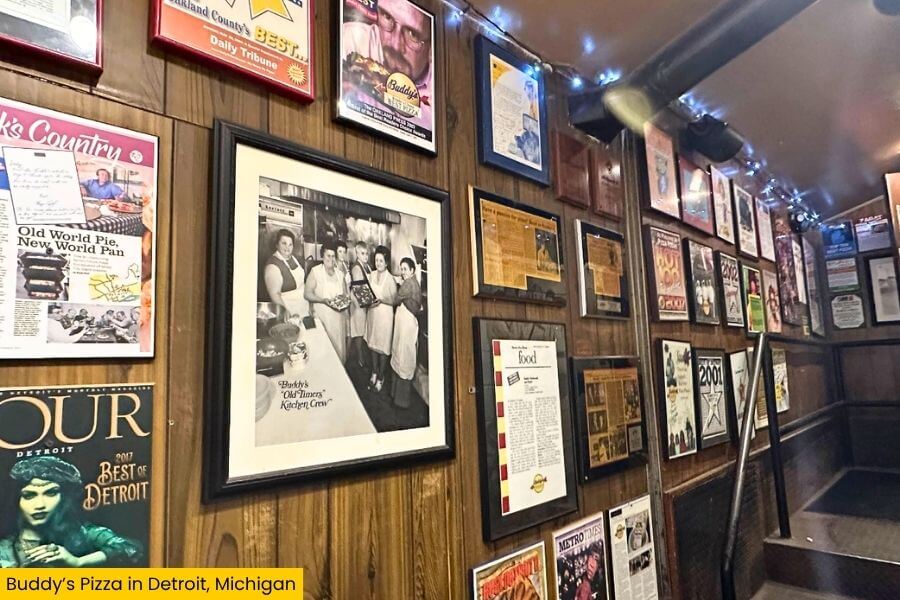
Instead of copying the thin, round pies popular in other cities, the team experimented with a completely different approach that ended up changing pizza forever.
The now-famous square shape wasn’t just for looks.
They used forged steel pans that were originally designed for holding automotive parts in Detroit’s factories, which gave the crust its signature crispy edges and sturdy base.
That industrial connection is a big part of what makes this style so tied to the city itself.
The cheese choice was just as important.
They went with Wisconsin brick cheese, which melts beautifully and spreads all the way to the edges of the pan.
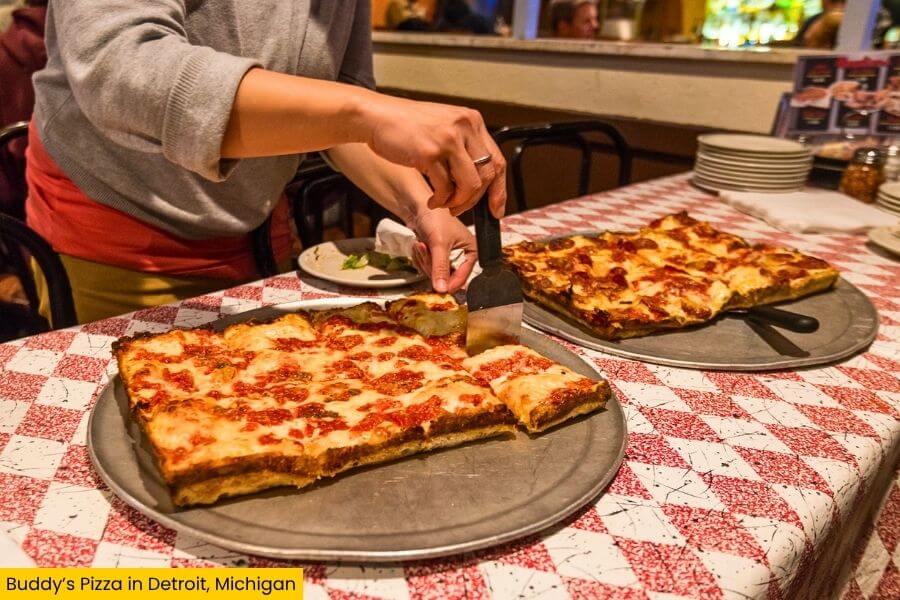
As it bakes, the cheese caramelizes against the steel, creating that golden, slightly crunchy border that defines Detroit-style pizza.
Then came the finishing touch that really set it apart.
Instead of layering sauce under the cheese, they added it on top in bold stripes after the pizza baked.
This kept the dough light and airy while giving each bite a hit of tomato.
The first official Detroit-style pizza is widely believed to have come out of this kitchen in 1946, and word spread fast.
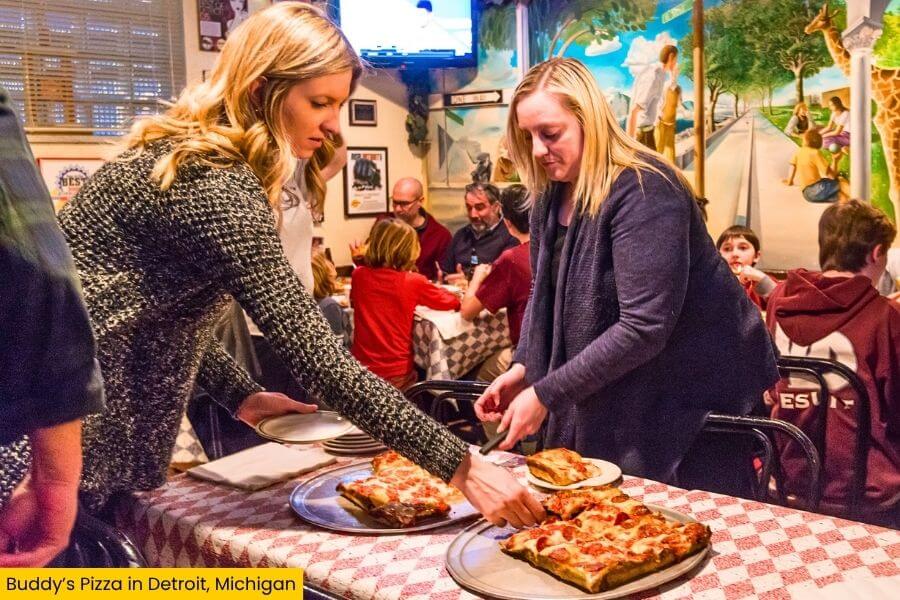
Locals kept coming back, and the style started catching on across the city, eventually becoming one of Detroit’s most famous food contributions.
Over the decades, Buddy’s grew from that single bar into a recognized name, opening additional locations throughout metro Detroit and beyond.
Even with that growth, the original Conant Street restaurant remains the place where it all started, still serving the same style that turned a simple bar experiment into a nationwide pizza phenomenon.
Know Before You Go
If you’re planning a visit to the original Buddy’s on Conant, timing matters more than you might think.
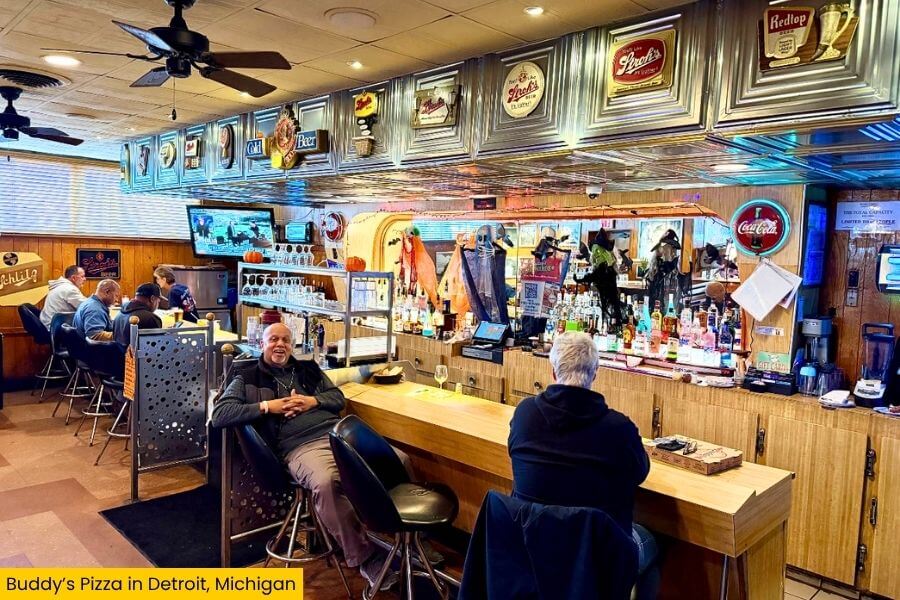
It’s open from 11:00 AM to 8:00 PM everyday, with extended hours until 9:00 PM on Fridays and Saturdays.
Weekends get busy fast, especially during peak dinner hours, so showing up early or aiming for an off-peak time can save you a wait.
Parking is available on-site, but the lot can fill up when the place gets crowded.
Street parking nearby is another option, though it can get a little tight during busy times.
This location is dine-in friendly, and it’s absolutely worth sitting down if you can.

The pizza comes out fresh from those steel pans, and eating it right away means you get that perfect contrast between crispy edges and soft interior.
Takeout is available too, but the texture is at its best straight out of the oven.
Buddy’s has grown into a local chain, with more than a dozen locations spread across metro Detroit and additional spots beyond Michigan.
Spots in places like Dearborn, Troy, Novi, and Ann Arbor make it easy to grab this style without heading into the city.
That said, if you want to say you’ve had it where it all began, the Conant Street restaurant is the one to hit.
Bring an appetite, because these square slices are thicker and more filling than your average pizza.
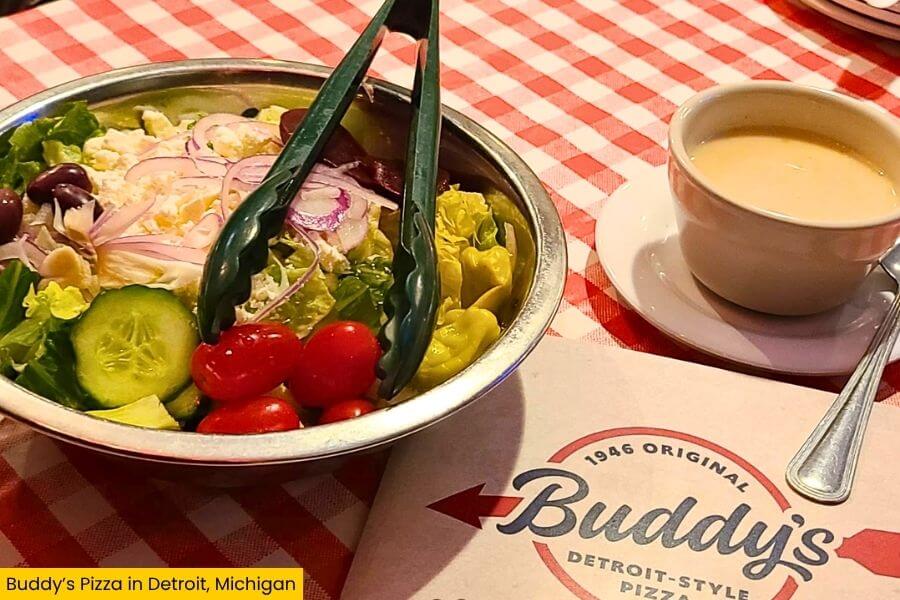
A small order goes further than you’d expect, especially if you add sides like salad or bread.
One last tip, go for a corner piece if you can.
Those crispy, cheesy edges are the highlight, and once you try one, you’ll get why people are so obsessed with this style.
Related Posts