Tucked away in a quiet corner of Michigan, there’s a place where you can walk high above the forest floor, surrounded by nothing but treetops and sky.
It’s the kind of spot that feels like a hidden find, even though it’s packed with things to explore once you step inside.
You’ve got peaceful lake views, winding trails that seem to go on for miles, and gardens filled with plants you probably won’t see anywhere else nearby.
One minute you’re strolling through neatly designed plant displays, and the next you’re deep in the woods with nothing but birds and rustling leaves around you.
If you’re looking for a day trip in Michigan that mixes a little adventure with a lot of fresh air, this one is definitely worth a closer look.
Where Is It?
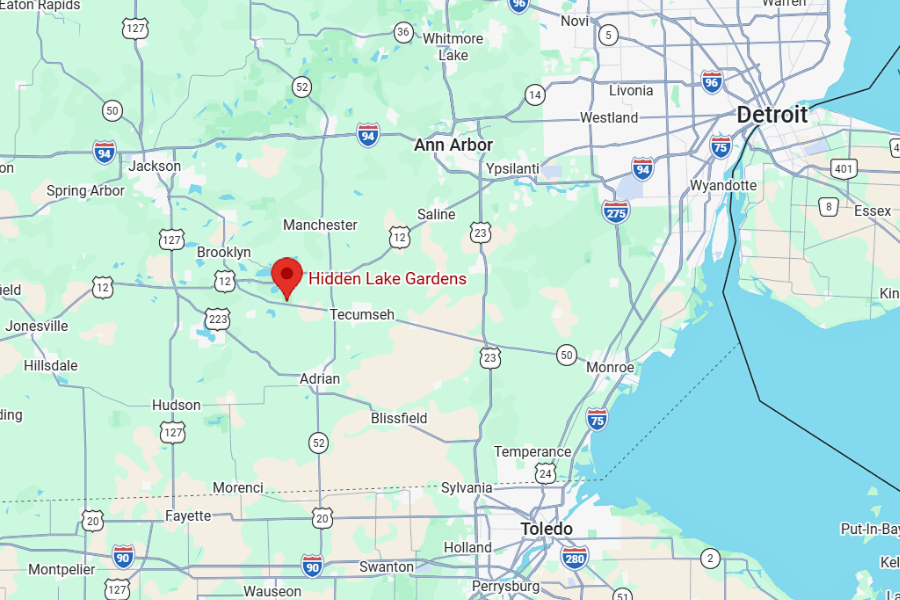
Hidden Lake Gardens is located in Tipton, a tiny community in Lenawee County in southeast Michigan, about 10 minutes from Tecumseh.
You can get here in about 50 minutes from Ann Arbor, around 1 hour and 20 minutes from Detroit, and roughly 1 hour from Toledo, Ohio.
Coming from Lansing, plan on about a 1 hour and 10-minute drive straight down US-127.
It’s an easy, scenic trip no matter which direction you’re coming from, with plenty of countryside views along the way.
About
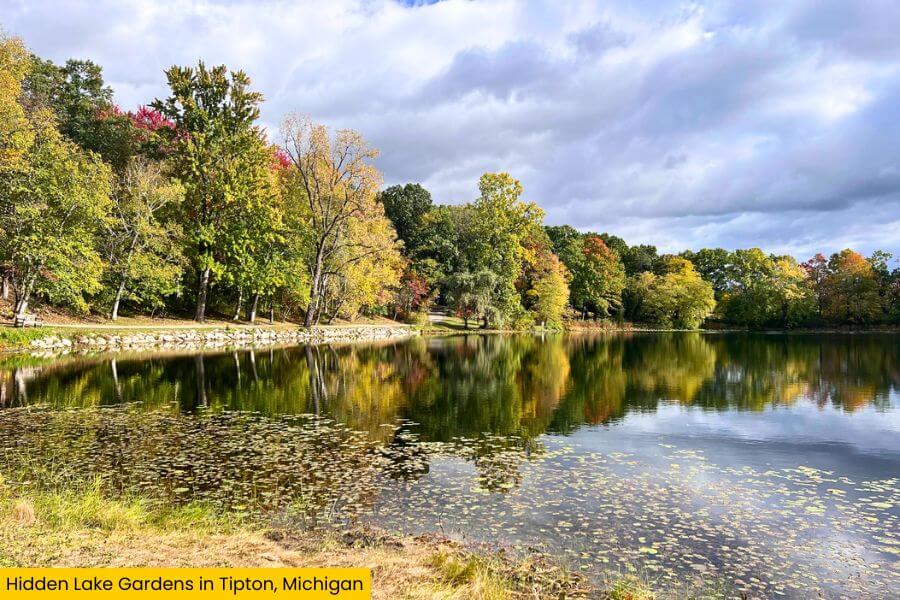
Hidden Lake Gardens is a 755-acre botanical garden and arboretum managed by Michigan State University, and it’s one of those places that somehow flies under the radar while offering way more than you’d expect.
The entire property is centered around a scenic lake, with rolling hills, wooded areas, and carefully designed plant collections that change with the seasons, so every visit feels a little different.
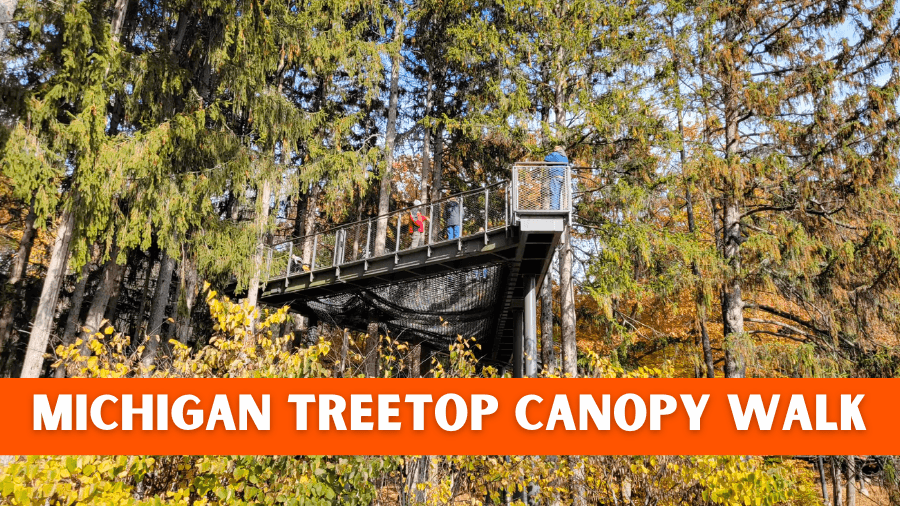
This place is best known for its massive canopy walk, which rises up to 65 feet above the ground and stretches over 700 feet through the treetops, giving you a totally different view of the forest without ever leaving the path.
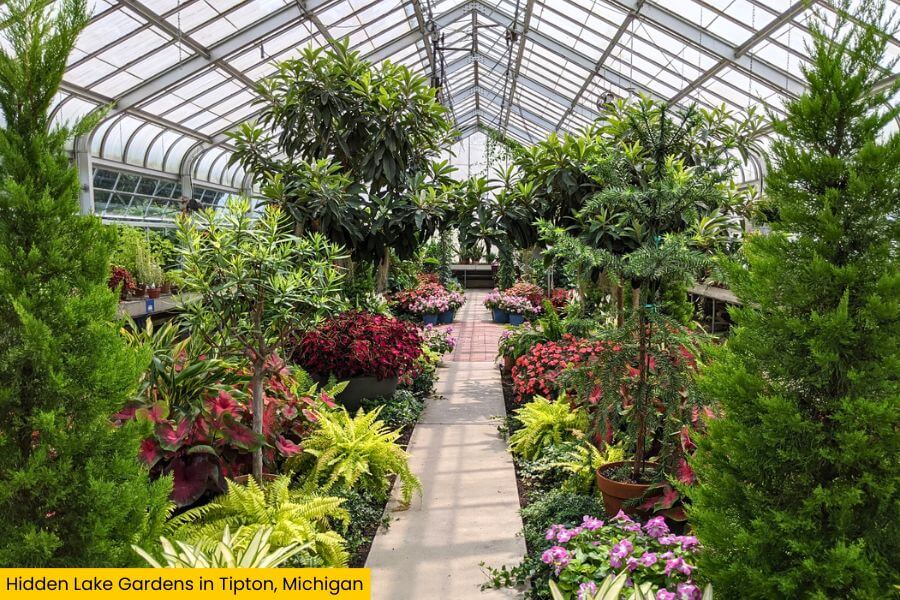
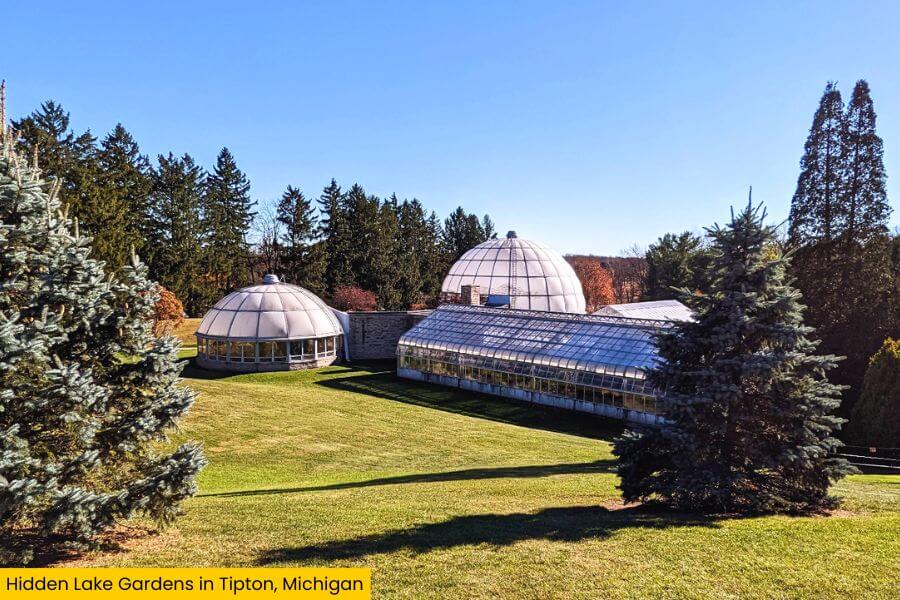
Beyond that, the gardens are packed with themed areas like the Bonsai Courtyard, the Harper Collection of Dwarf and Rare Conifers, and a large conservatory filled with tropical plants that thrive year-round.
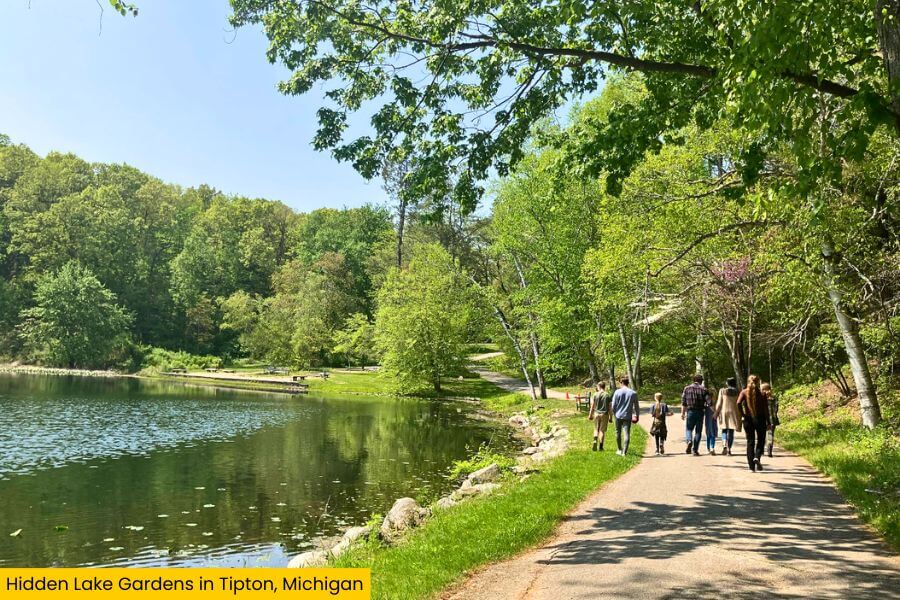
You’ll also find miles of well-maintained trails winding through forests, open fields, and along the lake, making it feel part botanical garden, part nature preserve.
Expect a mix of peaceful garden spaces and more rugged natural areas, all connected by easy-to-follow paths and scenic overlooks.
Seasonal highlights keep things interesting too, from spring wildflowers and summer blooms to colorful fall foliage and snow-covered trees in winter.
Even though it’s a curated garden, it never feels overly formal or stuffy, so you can explore at your own pace without feeling like you’re in a museum.
Things To Do
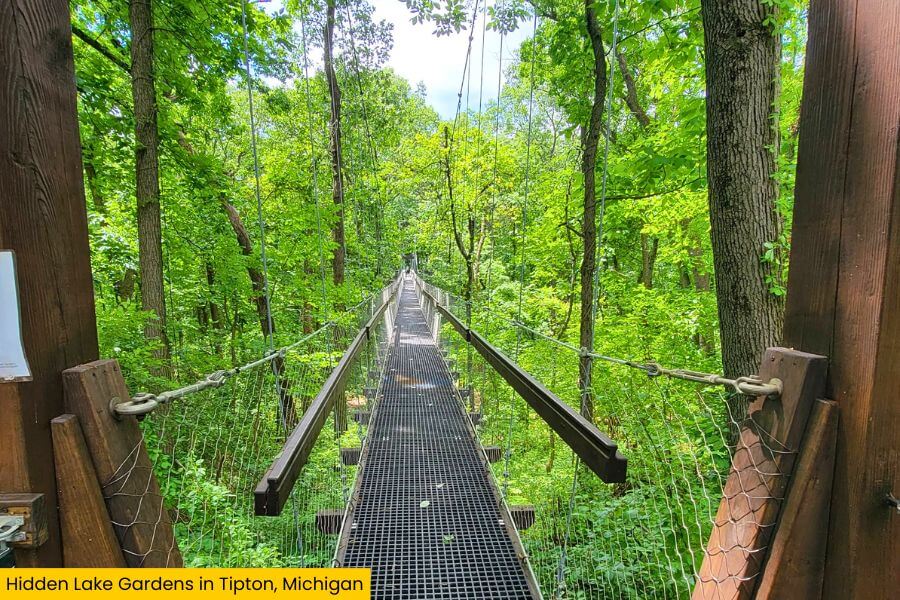
Start with the Canopy Walk, because this is the showstopper you came for.
The elevated pathway stretches about 726 feet through the trees and reaches heights of up to 65 feet, giving you a bird’s-eye view of the forest that you just don’t get from the ground.
As you walk across, you’ll spot different tree species at eye level along with interpretive signs found throughout the gardens.
So it’s not just a cool view, but you actually learn something along the way.
If you’re into hiking, you’ve got miles of trails to explore, ranging from short, easy loops to longer routes that take you deeper into the property.
Woodland Drive offers a relaxed route through the gardens, while other trails pass near the lake and extend into quieter, more wooded sections where it feels like you’ve got the place to yourself.
Keep an eye out for wildlife along the way, since deer, birds, and small animals are often spotted throughout the gardens.
The Conservatory is another must-see, especially if the weather isn’t cooperating.
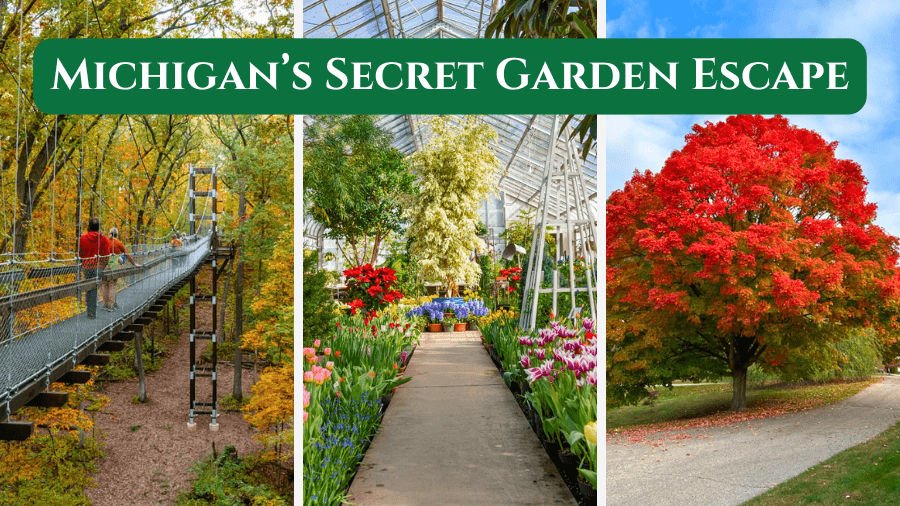
Inside, you’ll walk through warm, humid spaces filled with tropical plants, including orchids, palms, and seasonal displays that rotate throughout the year.
Right outside, the Bonsai Courtyard is packed with carefully shaped miniature trees that have been trained over decades, and some of them are seriously impressive once you realize how much work goes into keeping them that small and detailed.
Make your way over to the Harper Collection of Dwarf and Rare Conifers, which features a nationally significant collection of its kind.
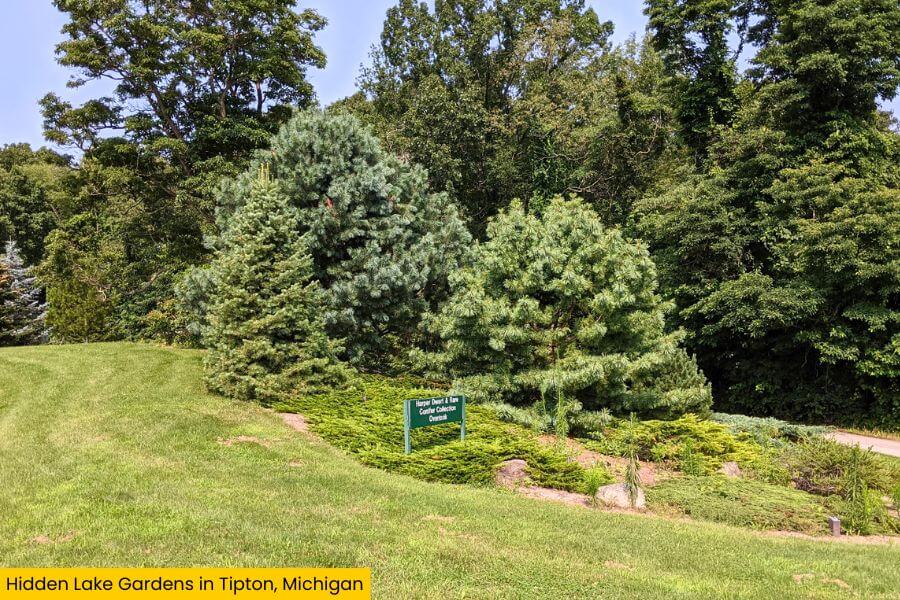
You’ll see hundreds of unique evergreens in all kinds of shapes and colors, from tiny globe-like shrubs to tall, narrow trees that look almost sculpted.
If you’re visiting in spring or summer, the themed garden areas are in full bloom, with bright flowers, labeled plant beds, and plenty of photo-worthy spots scattered throughout.
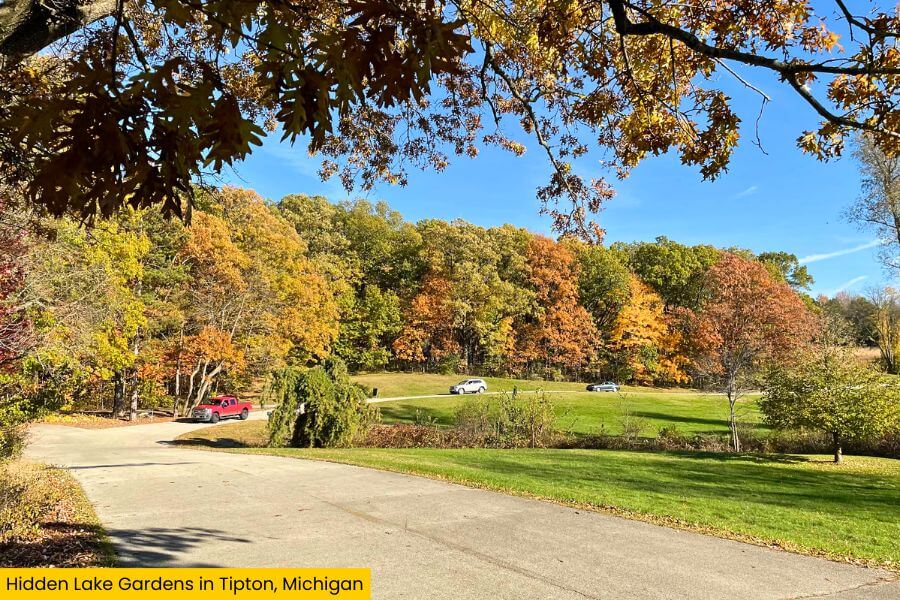
Fall brings a completely different experience, with the trees lighting up in shades of red, orange, and yellow, especially along the trails near the lake.
There are also plenty of open grassy areas where you can slow things down, sit, and enjoy the views of the water.
If you like photography, bring your camera or clear some space on your phone, because between the canopy views, colorful plants, and peaceful lake scenes, you’ll have no shortage of shots to capture.
Know Before You Go
Plan your visit during the growing season, typically from spring through early fall, if you want to see the gardens at their fullest, with blooms kicking off in spring and continuing throughout the season.
Fall is another great time to go, especially in October when the trees around Hidden Lake turn bright shades of red and orange.
Hidden Lake Gardens is open Tuesday through Sunday from 9:00 AM to 5:00 PM, but hours can shift slightly with the seasons, so it’s smart to double-check before you go.
Admission is $10 for adults, $8 for seniors and military, $5 for students, and free for children ages 4 and under, making it a pretty budget-friendly outing.
Parking is available on-site for visitors.
Wear comfortable shoes, because even short visits can easily turn into a few miles of walking once you start exploring the trails and garden paths.
If you’re planning to check out the canopy walk, keep in mind it may close during bad weather like high winds or lightning, so a clear day gives you the best chance to experience it.
Bring water and snacks if you plan to stay a while, since there isn’t a full-service restaurant on-site.
Bug spray is a good idea in late spring and summer, especially if you’re heading into the wooded trail areas.
Give yourself at least two to three hours to explore without rushing, though you could easily spend half a day here if you like to take your time.
Related Posts