There’s a side of Georgia most people never talk about, and it’s hiding just under your feet.
Before peaches and peanuts stole the spotlight, this land was buzzing with picks, pans, and the sound of gold and ore hitting buckets.
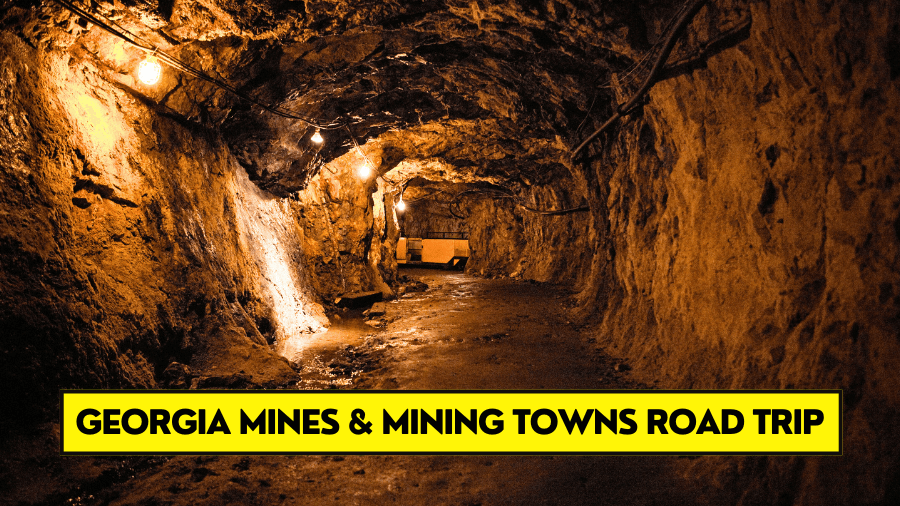
Whole towns sprang up almost overnight, built around muddy mining camps and the promise of striking it rich.
Some of those towns grew into busy communities, while others faded into ghostly shells with only a few buildings left standing.
This road trip will take you straight through that past, uncovering forgotten stories, old mine shafts, and a history that’s far more exciting than any classroom lesson.
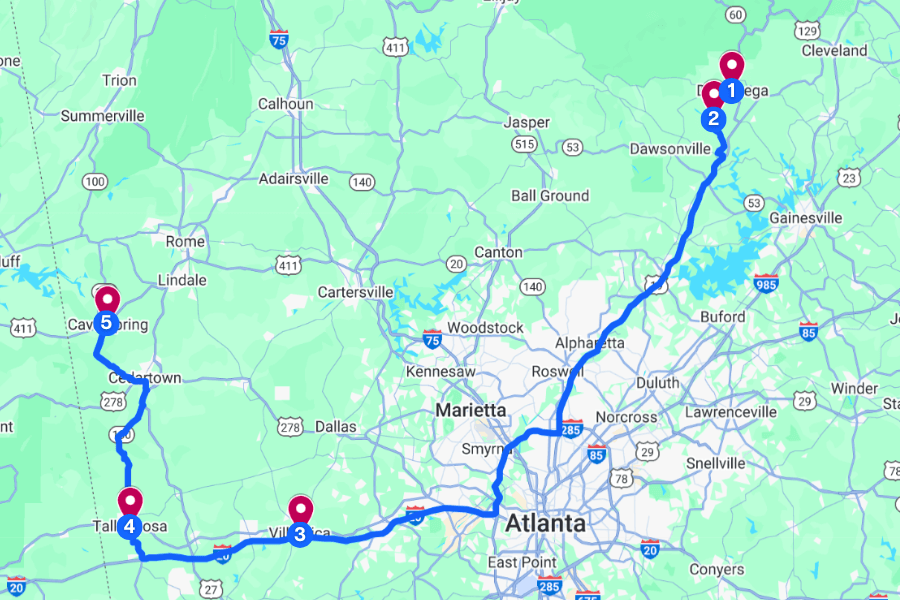
1. Dahlonega

Dahlonega sits in the foothills of the Blue Ridge Mountains about an hour and 15 minutes from Atlanta, and it’s where one of America’s first major gold rushes kicked off in 1828.
This small town was once swarming with prospectors, and you can still see its mining past at the Dahlonega Gold Museum, housed in the 1836 Lumpkin County Courthouse right on the town square.
You can tour old gold mines like the Consolidated Gold Mine, which takes you 200 feet underground, or Crisson Gold Mine, where you can pan for gold and sift through gemstone buckets.
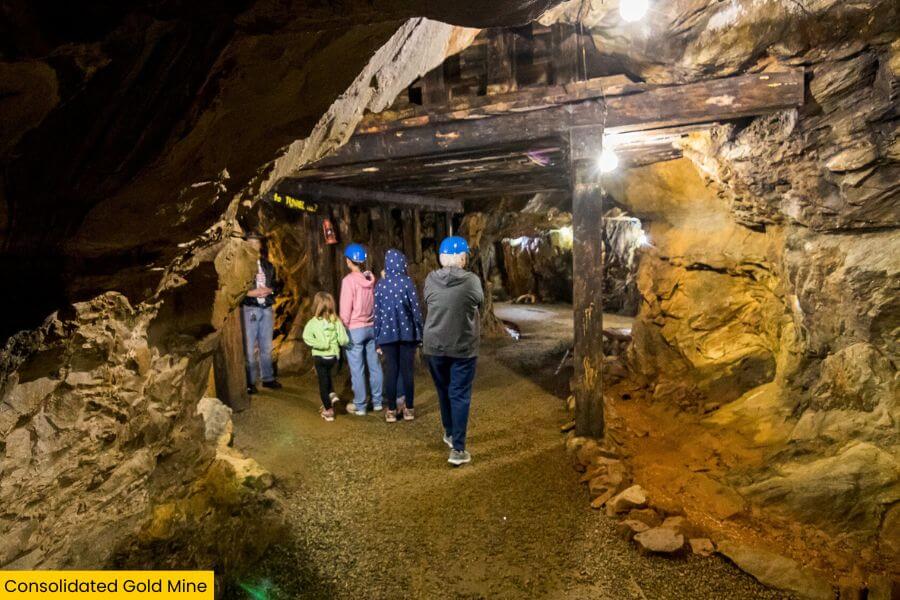
Dahlonega is also home to one of the first U.S. Mint branches, which produced more than $6 million in gold coins before closing in 1861.
Beyond mining history, the town is known for its wineries, scenic mountain drives, and fall festivals, but its gold rush roots are the real star for anyone tracing Georgia’s mining past.
2. Auraria
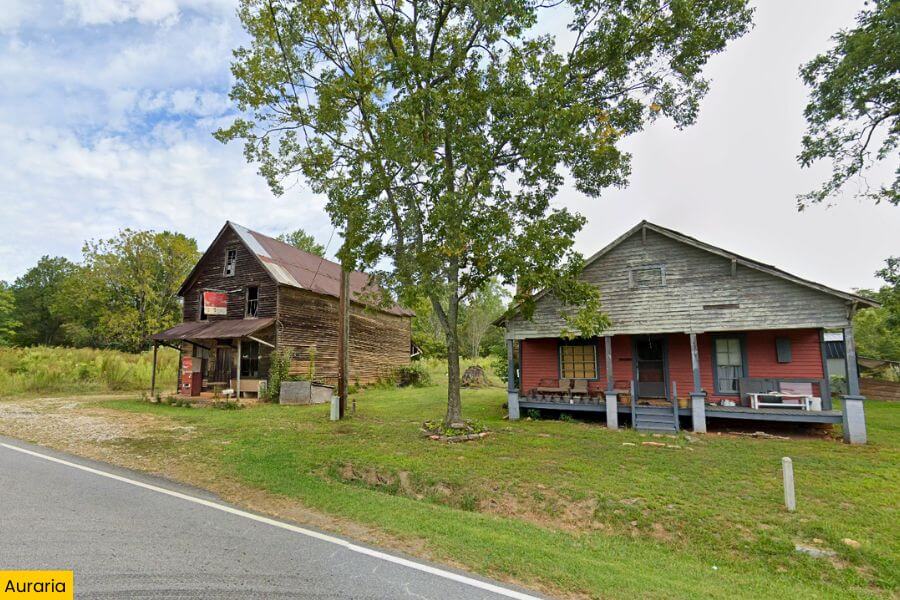
Just a 10-minute drive from Dahlonega, you’ll find Auraria, a near-forgotten spot that was once the booming heart of Georgia’s gold fever.
In the early 1830s, this was one of the first big gold mining settlements in the state, filled with cabins, taverns, stores, and hopeful miners chasing fortune between the Etowah and Chestatee River.

Today, only a handful of buildings remain, including the old General Store and a few weathered structures that hint at the town’s wild gold rush days.
While there aren’t formal tours here like in Dahlonega, walking through Auraria feels like stepping straight into a ghost town with a backstory worth digging into.
It’s the perfect quick stop to see where Georgia’s mining frenzy first took root before it shifted north to Dahlonega.
3. Villa Rica

Next up is the historic town of Villa Rica, believed to be the site of one of Georgia’s earliest gold discoveries in 1826, about two to three years before Dahlonega’s rush began.
Back then, miners worked the hills and creeks around Pine Mountain, and the town quickly grew into a bustling center for trade and mining supplies.
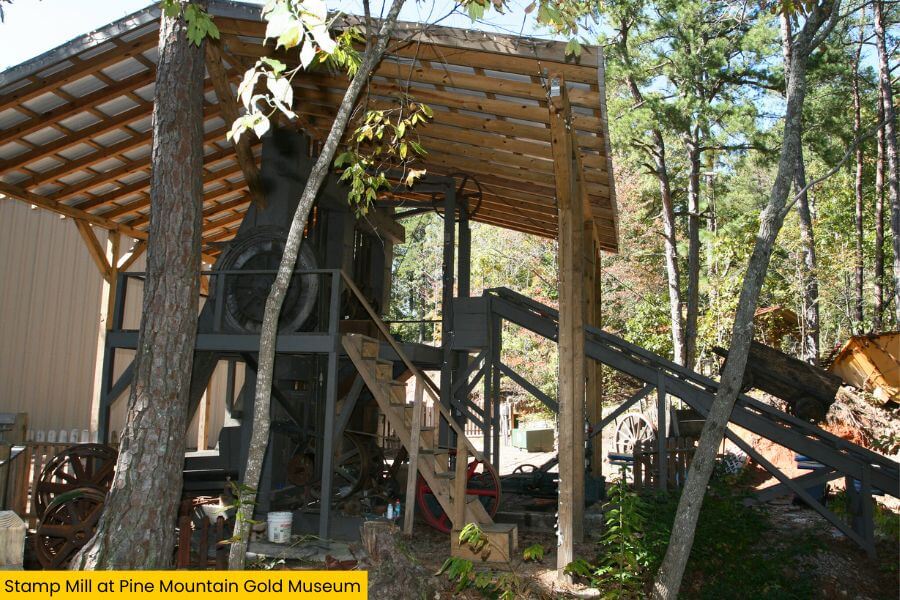
You can explore that history at the Pine Mountain Gold Museum, which sits right on the grounds of an actual 19th-century mining site and features a restored stamp mill, mining equipment, and short walking trails past old dig sites.
The museum also offers a gold panning area where you can try your luck just like the early prospectors did.
Villa Rica blends this mining heritage with a lively downtown full of shops and cafes, making it a spot where gold history and small-town charm meet in one stop.
4. Tallapoosa

About 30 minutes from Villa Rica, Tallapoosa offers a quieter but equally intriguing link to Georgia’s mining past.
Gold was discovered here in 1842, and while the rush never reached the frenzy of Dahlonega or Auraria, small-scale mining shaped the early economy of the area.
The surrounding countryside still hides the remains of old mining pits and creek beds where prospectors once searched for gold.
Today, Tallapoosa is better known for its unusual events like the annual Possum Drop, but its roots in Georgia’s gold story make it a surprising and worthwhile stop on a mining history road trip.
5. Cave Spring

From Tallapoosa, head 40 minutes north to Cave Spring, a small town where mining history mixes with natural wonders.
In the late 19th century, mining became an important local activity here, with miners extracting manganese, iron, and other minerals from the surrounding hillsides.
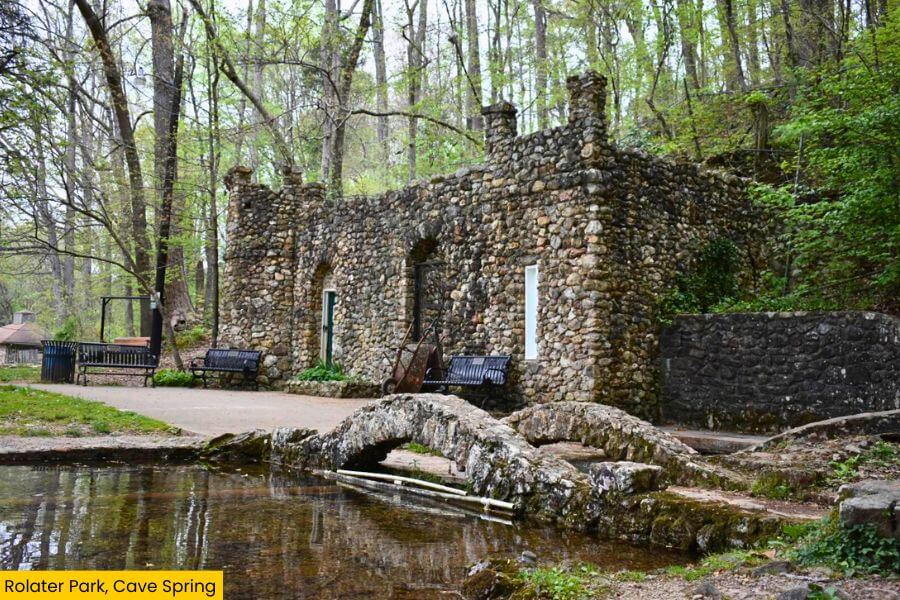
While the mines are long gone, you can still explore Rolater Park, where a large limestone cave and a spring pumping out 2 million gallons of water a day once served as a vital resource for settlers.
The park also features historic structures built from hand-cut stone, including bathhouse-type amenities tied to the town’s 19th-century growth.
Cave Spring’s blend of mining roots, small-town charm, and its famous cave make it a worthwhile stop on Georgia’s trail of mining towns.
Related Posts