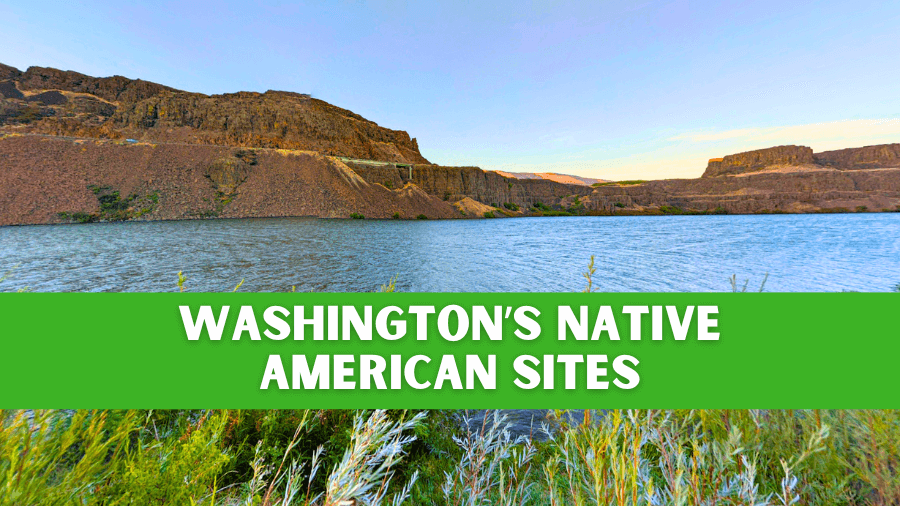
Washington is packed with places where Native American history comes to life.
You can see real petroglyphs and even step inside full-size longhouses that reflect life before highways and smartphones.
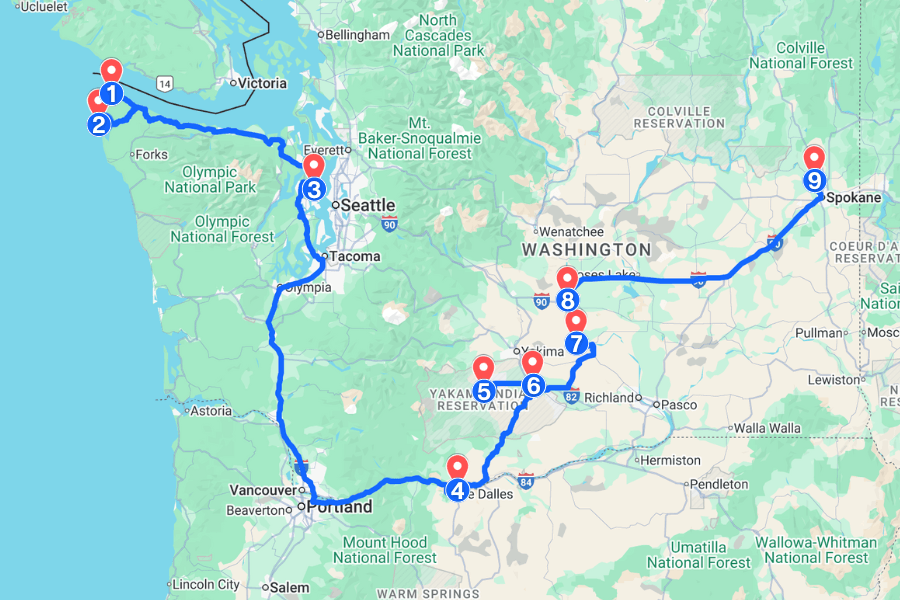
Some places have museums with artifacts like cedar canoes, fishing tools, and beadwork, while others are outdoors, where the land still holds the stories.
If you’re up for a Native American road trip in Washington that’s full of history, culture, and seriously unforgettable stops, this adventure is totally for you.
1. Makah Cultural and Research Center Museum

The Makah Cultural and Research Center Museum is located in Neah Bay, at the very tip of Washington’s Olympic Peninsula.
It’s home to over 55,000 artifacts from the Ozette Archaeological Site, one of the most important Makah village discoveries.
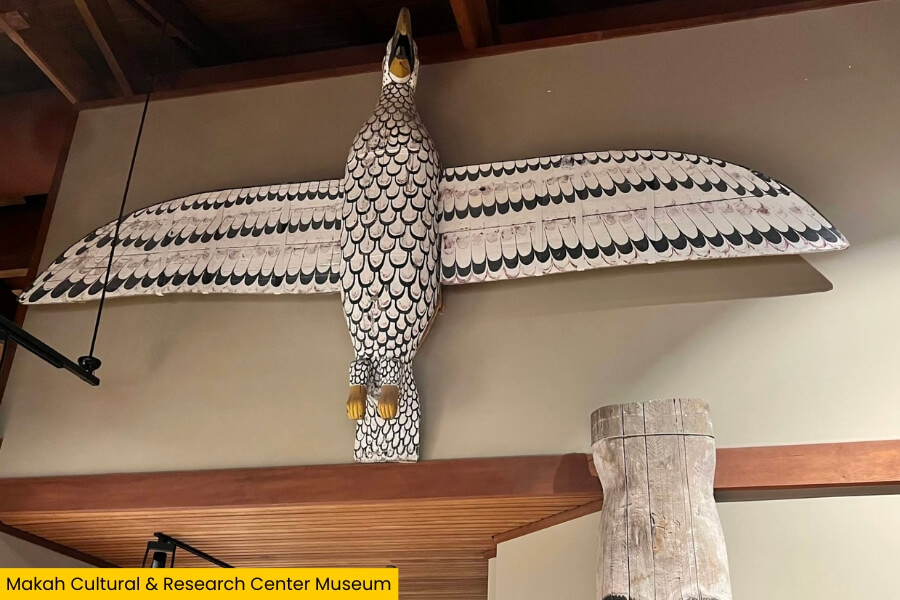
Here, you’ll see real whaling canoes, fishing tools, and even wooden bowls that Makah ancestors used.
If you’re into hands-on learning, don’t miss walking through the full-size replica of a traditional longhouse.
2. Ozette Native American Village Archeological Site
The Ozette Native American Village Archaeological Site is where the Makah museum artifacts were first discovered in the 1970s.
A massive mudslide in the 1700s buried part of the village, preserving six longhouses and thousands of everyday Makah items until archaeologists uncovered them.
You can’t see the site itself because it has been filled in to protect the area, but you can explore the surrounding area on the Ozette Loop Trail, with wooden boardwalks guiding you through coastal forest and out to Cape Alava.
3. Suquamish Museum
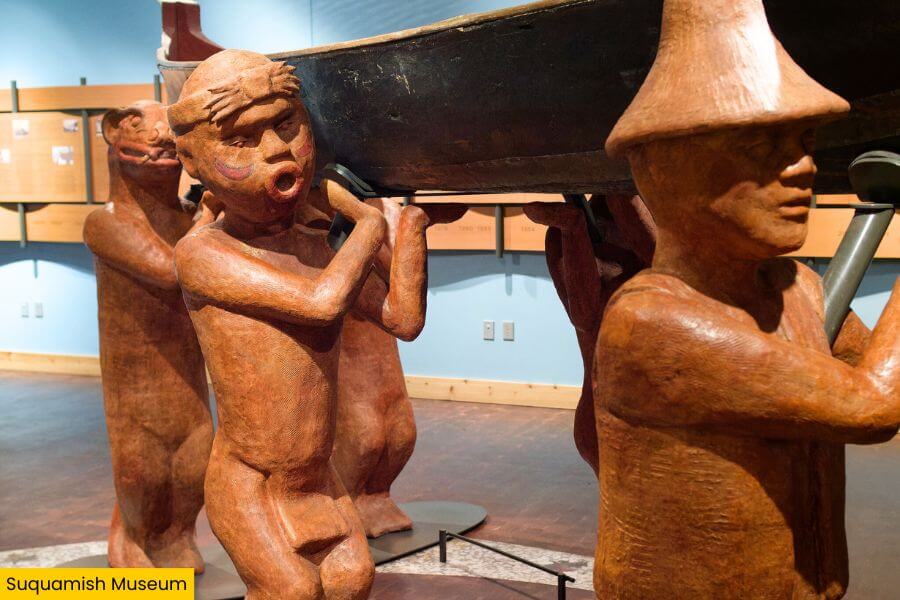
Next up is the Suquamish Museum, located on the Port Madison Indian Reservation, just across the water from Seattle.
This sleek, modern museum showcases 10,000 years of Suquamish history, featuring exhibits on canoe culture, salmon fishing, and the life of Chief Seattle.
One of the highlights is the nearby Old Man House Village site, where the largest longhouse in the Puget Sound area once stood.
Don’t miss the peaceful gravesite of Chief Seattle just down the road, marked with gifts and cedar offerings that people still leave today.
4. Horsethief Lake
From there, head east to Horsethief Lake in Columbia Hills Historical State Park, where ancient stories are literally carved into the rocks.
This site features numerous petroglyphs carved by Indigenous people thousands of years ago, including the super famous “She Who Watches” face.
You can see some right along the trail, and others are behind a protective fence, but all of them are incredible windows into the past.
To get the full scoop, take a guided tour in spring or summer, when guides share the cultural context and meaning of each petroglyph.
5. Fort Simcoe Historical State Park
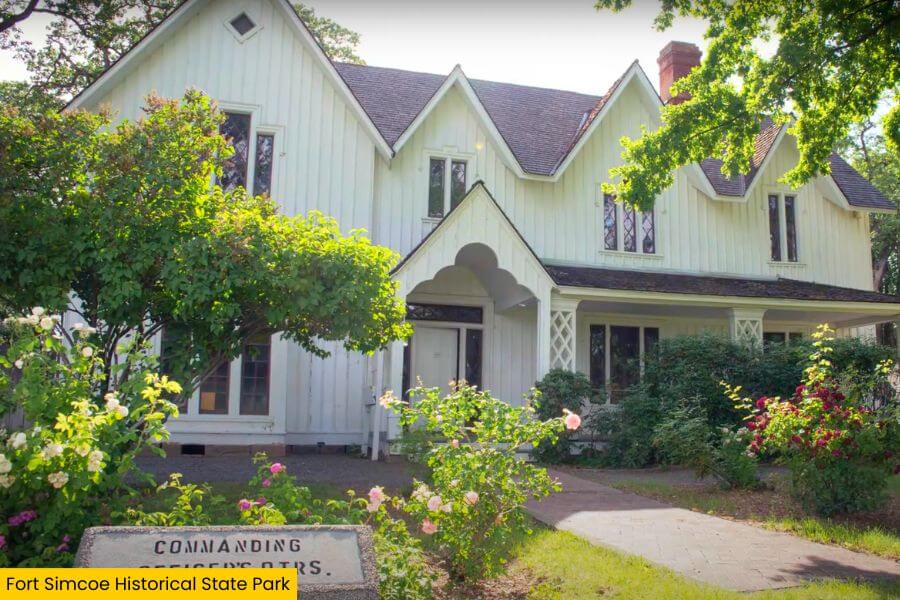
Next is Fort Simcoe Historical State Park, set within the Yakama Reservation near White Swan.
This spot was a U.S. Army fort in the 1850s, built right in the heart of Yakama lands during a time of forced treaties and rising tensions.
Today, you can walk through the old officer houses, peek into the blockhouse, and learn how the fort changed Native life in the region forever.
There’s also a shaded picnic area and old oak trees everywhere, but what stays with you is the moving reminder of what the Yakama people endured here.
6. Yakama Nation Cultural Center
In Toppenish, the Yakama Nation Cultural Center brings the tribe’s stories to life.
Inside, you’ll find a tule mat lodge, historic Yakama regalia, traditional tools, and even detailed dioramas.
There’s also a movie theater showing tribal documentaries and a gift shop stocked with Native art, beadwork, books, and handmade goods.
This spot is one of the oldest Native-run cultural centers in the U.S., and every inch of it was designed by the Yakama people to reflect their culture.
7. Wanapum Heritage Center
Your next stop is the Wanapum Heritage Center near Priest Rapids Dam in Mattawa.
Opened recently in 2015, this center shares the Wanapum people’s deep ties to the Columbia River and how they’ve sustained their culture without ever signing a treaty.
Inside, you’ll see fishing tools, woven baskets, and photos of Wanapum families who still live and work along the river today.
It’s a quiet, moving place that honors the Wanapum story—past, present, and future.
8. Ginkgo Petrified Forest State Park
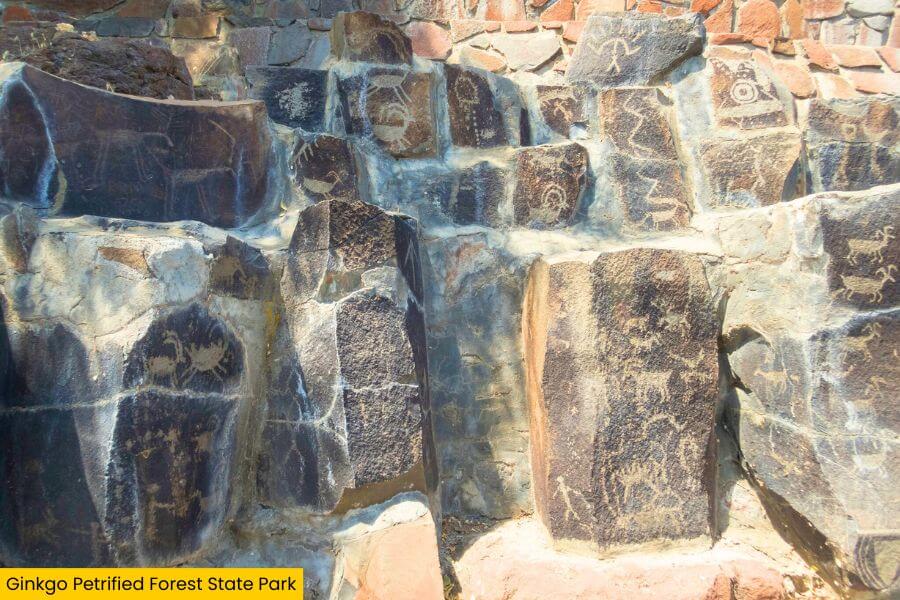
Then there’s Ginkgo Petrified Forest State Park in Vantage, where you’ll find one of the coolest collections of ancient petroglyphs in the state.
Over 300 rock carvings were found here along the cliffs above the Columbia River, created by Indigenous people centuries ago.
Many of these were later moved to an outdoor exhibit at the park’s interpretive center, where you can view spirals, animals, and mysterious faces etched into basalt.
And beyond the rock art, it’s one of the only places where you can see petrified wood from ancient ginkgo trees.
9. Indian Painted Rocks, Spokane
Last but not least, make your way to the Indian Painted Rocks site in Spokane, along the Little Spokane River.
Here, you’ll find faded red ochre pictographs painted by Indigenous people, which some experts believe to be over 250 years old.
The designs are simple yet powerful, with handprints, symbols, and animal shapes still etched into the rock face, withstanding the passage of time and weather.
It’s a peaceful spot with a short walking path, perfect for ending your trip with a bit of reflection and a whole lot of awe.
Related Posts