If you think you’ve seen all of Florida’s beaches, think again, because one little island still flies under the radar and feels like a totally different world.
It’s the kind of place where there are no roads, no cars, and no crowds, just white sand, clear water, and quiet trails through wild nature.
Getting there is part of the fun, which honestly makes it feel even more special.
If you’re craving a slow, peaceful, no-shoes-needed kind of day, this secret Florida island is calling your name.
Where Is It?
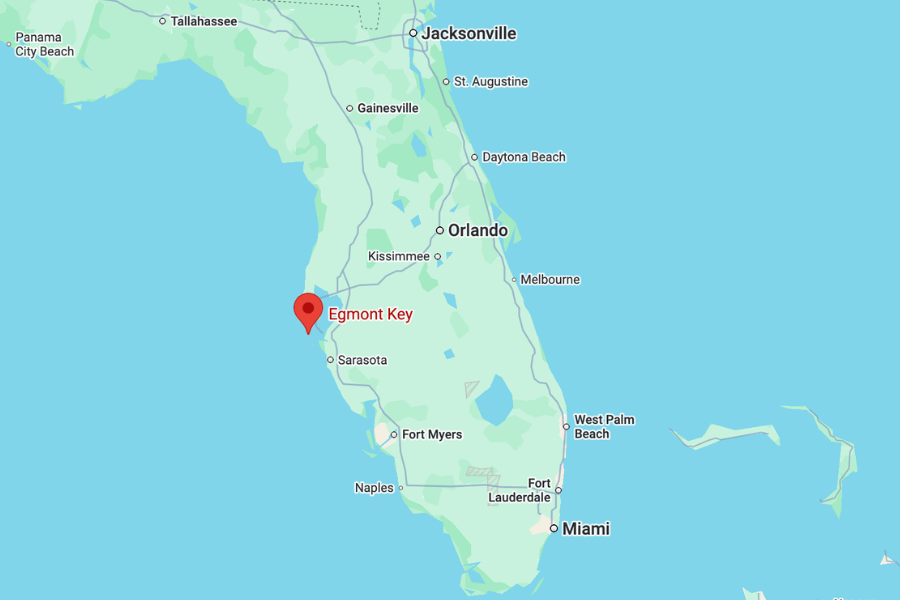
Egmont Key is a tiny island sitting at the mouth of Tampa Bay, where the Gulf of Mexico meets Florida’s west coast.
You can’t reach it by car, but you can take a ferry or private boat from Fort De Soto Park in Tierra Verde, just 20 minutes from St. Petersburg.
It’s about 35 minutes from downtown Tampa and roughly 1 hour and 50 minutes from Orlando, depending on traffic.
About
Egmont Key feels like stepping back into old Florida, before the highways, the condos, and the crowds.
It stays that way because it’s quiet and low-key, with no shops, no food stands, and not even public utilities, just winding trails and coastal dunes.
The island serves as both a state park and a National Wildlife Refuge, which means it’s home to an incredible variety of wildlife and native plants.
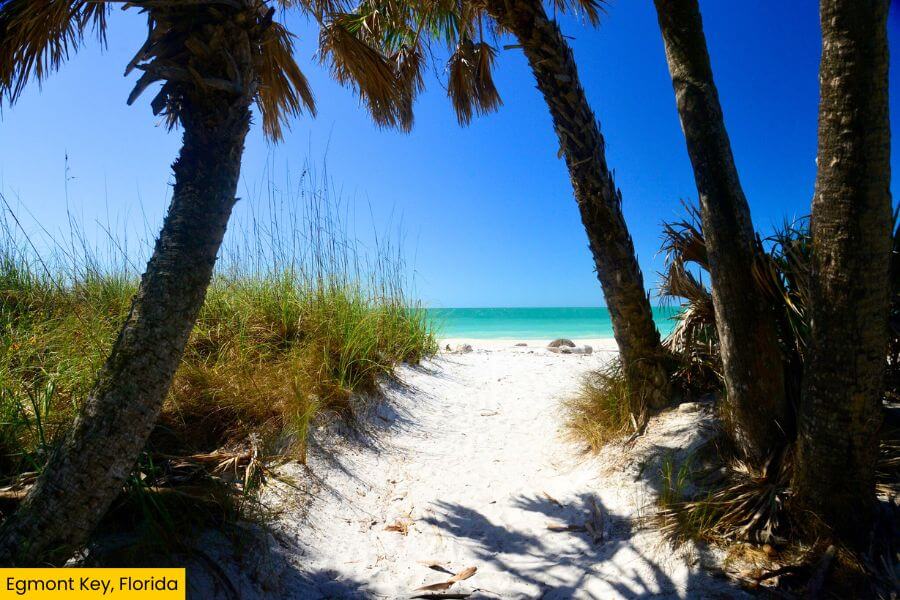
All of that natural beauty sets the stage for what Egmont Key is best known for: its secluded beaches, crystal-clear water, and crumbling military ruins.
If you’re looking for a place to disconnect, explore, and soak up some serious Florida nature, this is the kind of spot you’ll want to keep all to yourself.
Things To Do
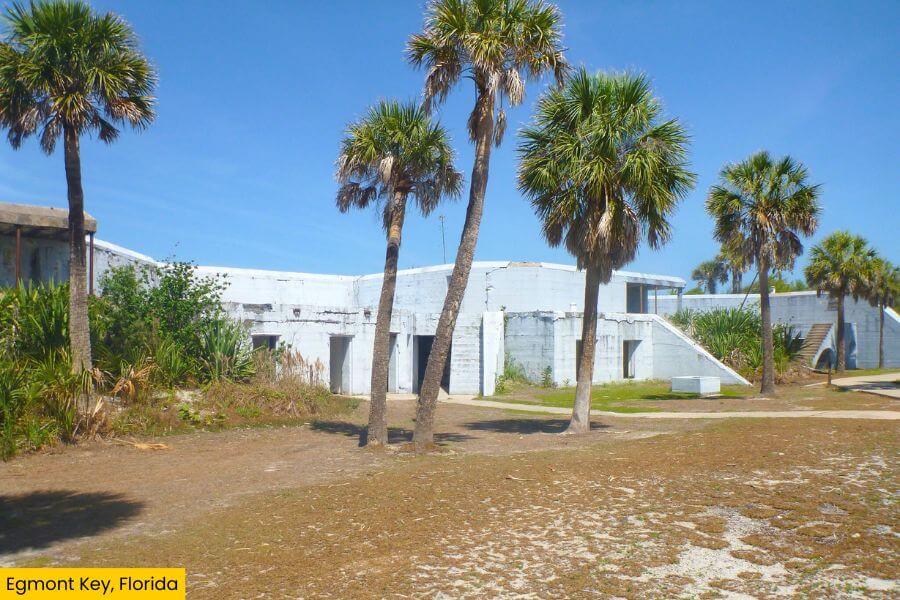
Once you step off the boat and hit the sand, Egmont Key becomes your personal adventure zone, and exploring the ruins of Fort Dade is the perfect place to start.
The fort was built in the late 1890s to protect Tampa Bay during the Spanish-American War and eventually had 70 buildings, brick roads, and its own power plant.
Today, you can still walk along parts of those old brick roads and poke around the concrete batteries, gun emplacements, and weathered barracks.
Tip: Bring a flashlight for a closer look inside the darker corners of the structures.
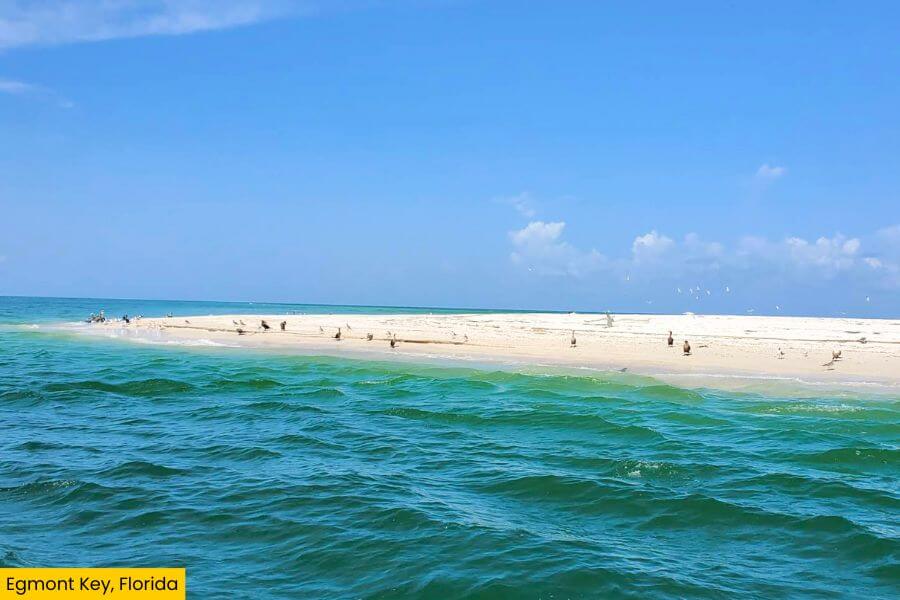
Next up is the beach, where the vibe shifts from exploring to pure relaxation.
The west side of the island stretches out with soft white sand and shallow water that’s perfect for swimming or floating.
You won’t find rental umbrellas or beach chairs here, so you’ll want to pack light yet smart with sun protection, a cooler, and a comfy towel.
Once you’ve settled in, head toward the northern tip of the shoreline for some of the best shelling on the island.
If you’re ready for something more active, snorkeling here is a must.
The water is super clear, especially on calm days, and there’s plenty to see just below the surface.
As you swim, you might spot schools of fish, sea urchins, sand dollars, and even the occasional stingray or sea turtle.
For the best experience, look for snorkeling spots near the submerged ruins of the old Fort Dade structures.
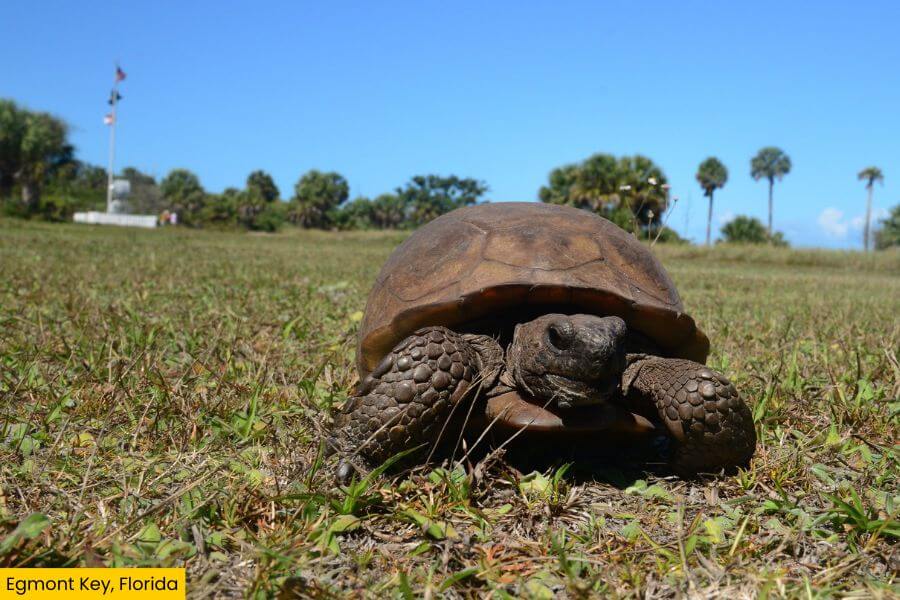
Prefer to stay dry? Take a walk along the island’s nature trails and see what’s moving around on land.
You’ll probably spot gopher tortoises munching on grass or crossing the sandy paths since Egmont Key is home to one of Florida’s largest colonies.
Keep an eye out for shorebirds too, as this area is a major nesting spot for species like black skimmers, royal terns, and laughing gulls.
Be sure to bring binoculars and stay on the designated paths because the south end of the island is closed to protect nesting birds.
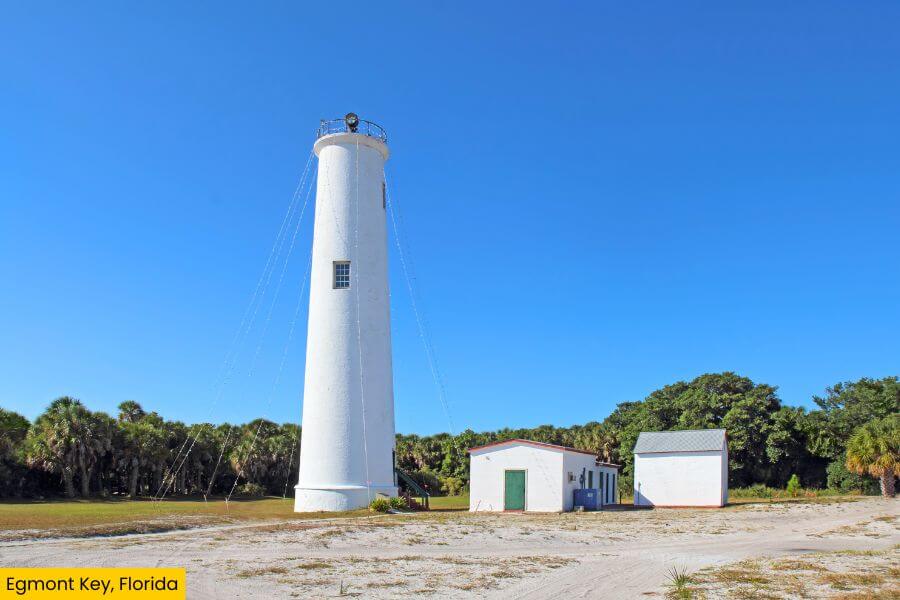
For a quick dose of history between beach stops, visit the Egmont Key Lighthouse, standing since 1858 as one of Florida’s oldest.
While you can’t climb the tower and some nearby structures remain off-limits, it’s still worth checking out and snapping some seriously photogenic shots.
And lastly, while it’s not technically on Egmont Key, the ferry ride from Fort De Soto is a highlight all its own, with dolphins often swimming alongside.
Once the boat hits open water, you might spot them riding the waves and putting on a playful show before you reach the beach.
Know Before You Go
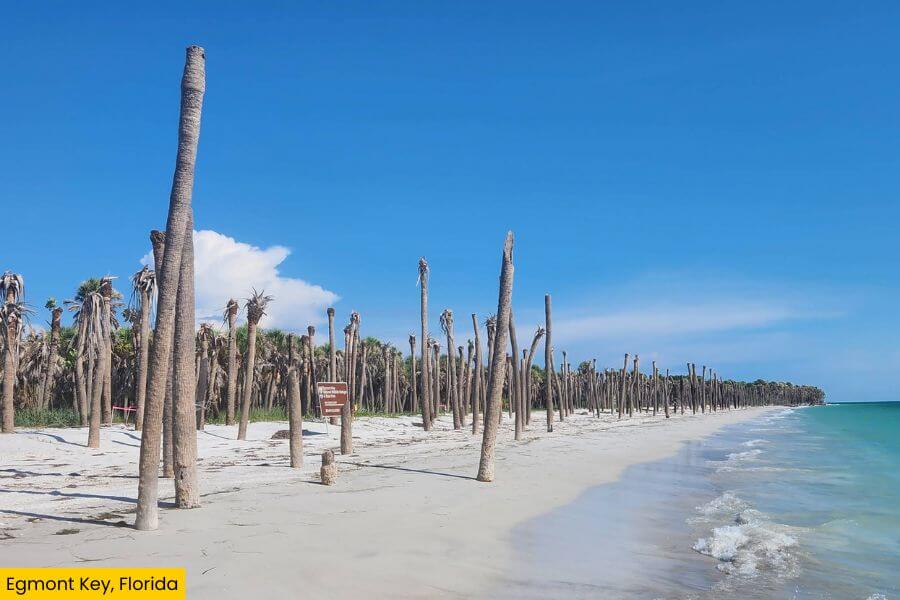
Egmont Key may be laid-back, but there are a few things worth knowing before you set off on your sandy, no-car getaway.
When’s the Best Time to Visit?
The island is open year-round, though fall through spring is ideal with cooler weather, fewer bugs, and lower humidity.
Summer can be brutally hot with pop-up afternoon storms, so go early and catch the morning ferry before it sells out.
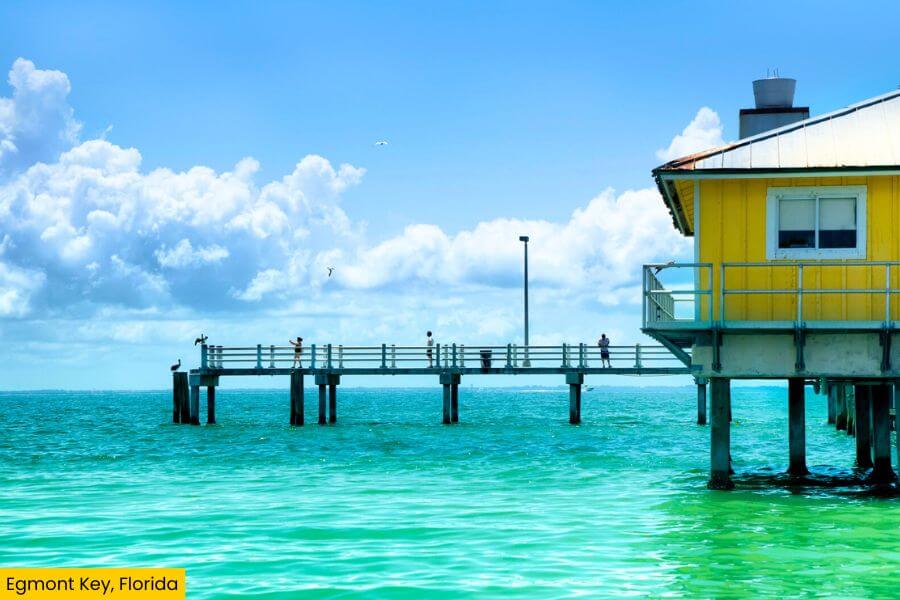
Island Hours, Fees, and How to Get There
Egmont Key State Park is open from 8 a.m. to sunset every day.
There’s no entry fee for the island itself, but you’ll need to pay for transportation, most often the ferry from Fort De Soto Park in Tierra Verde.
The Egmont Key Ferry operates daily during the season, with morning and early afternoon departures, and the trip lasts around 30 minutes.
Tickets cost $45 for adults and $25 for kids (ages 3-11), and reservations are recommended, especially on weekends and holidays.
You can also reach the island by kayak or private boat, but the tides can be tricky, so it’s best for experienced paddlers.
Things to Do Nearby
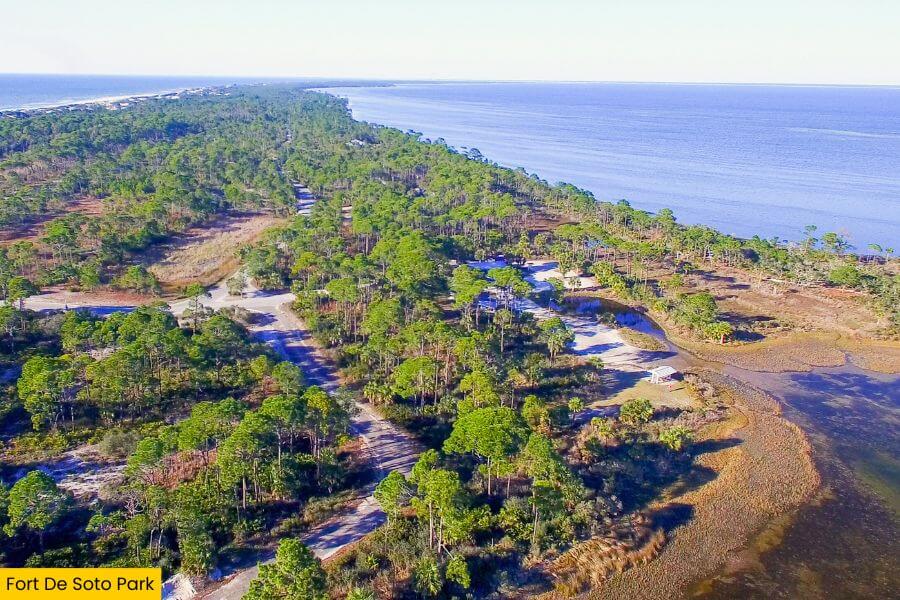
Before or after your trip to Egmont Key, Fort De Soto Park is totally worth exploring.
It has one of Florida’s best beaches, along with a historic fort, fishing piers, picnic spots, kayak rentals, and a paved 7-mile trail for biking or rollerblading.
If you’re in the area, St. Pete Beach and Pass-a-Grille are just a short drive away, with plenty of cute cafés, beach bars, and laid-back places to stay.
Cell Service and Safety Stuff
- Cell service can be spotty, especially on the far side of the island, so download maps or trail info before you go.
- Watch the weather, as storms can roll in quickly and boats won’t leave if conditions aren’t safe.
- There are no lifeguards on duty, so swimming is at your own risk.
Egmont Key is one of those rare Florida spots that still feels wild and untouched, and all you have to do is come prepared and let the island do its thing.
Related Posts