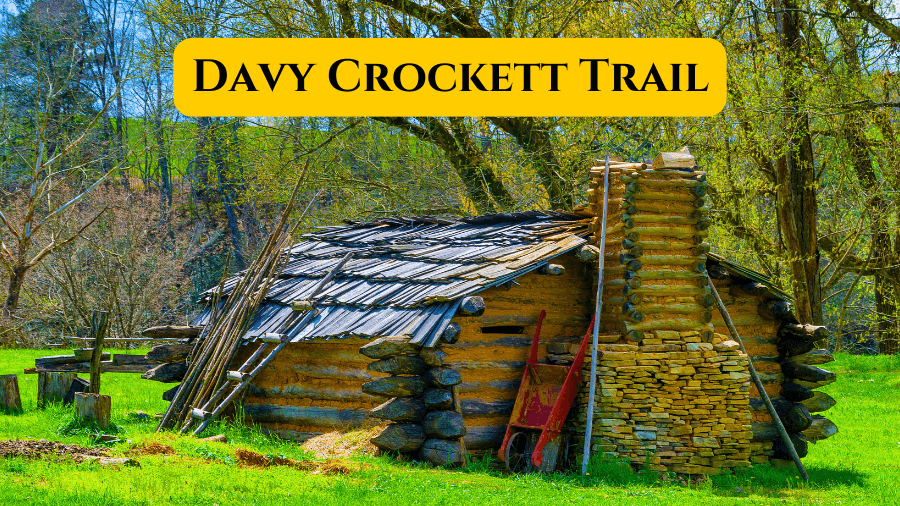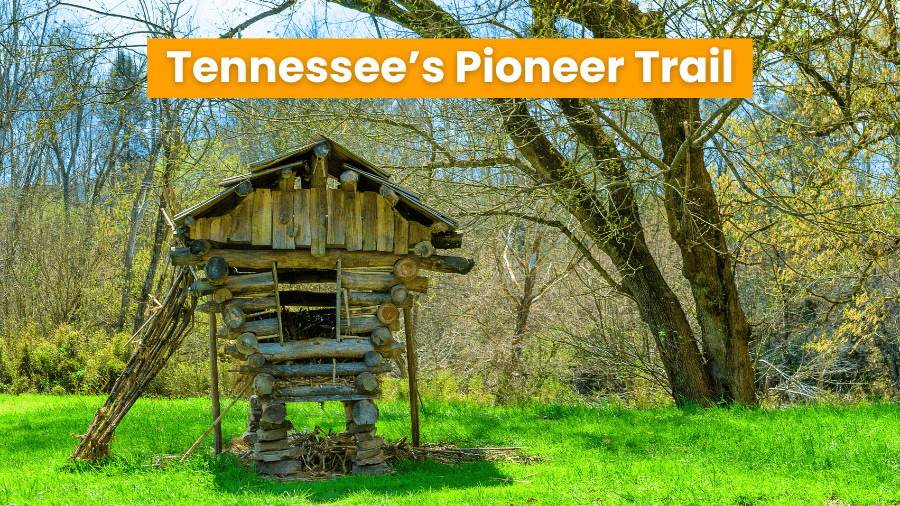
If you’ve ever wondered what life was like in Tennessee when dirt roads, one-room cabins, and creek water were the norm, this road trip is calling your name.
We’re talking real old-school stuff here, with towns older than the state itself, 1700s log forts, and places where pioneers were born, lived, and made history.
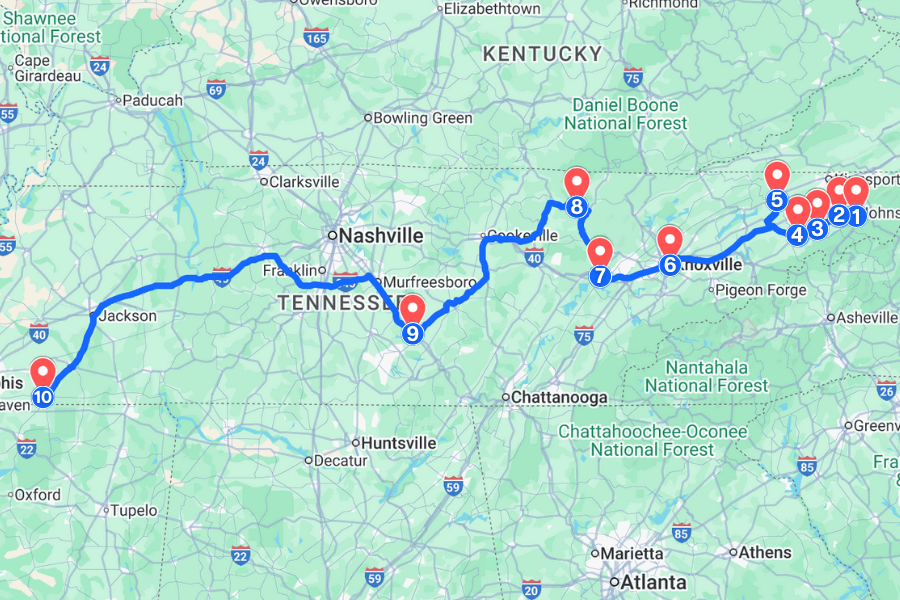
You’ll find towns with stories bigger than their size, courthouse squares where major decisions went down, and museums filled with awesome displays.
If you love old buildings, wild backstories, and the kind of history that makes textbooks look boring, get ready because this trip is full of surprises.
1. Tipton-Haynes State Historic Site
Tipton-Haynes State Historic Site is located in Johnson City, and it’s packed with over 200 years of frontier and Civil War history.
This place was once the home of Col. John Tipton, a fiery rival of John Sevier during the State of Franklin conflict of the 1780s.
When you visit, you can walk through eleven original buildings, including a log cabin, a smokehouse, and the springhouse once used to keep food cold.
You can even explore a limestone cave on the property, where pioneers once drew water and sometimes hid for safety.
2. Jonesborough
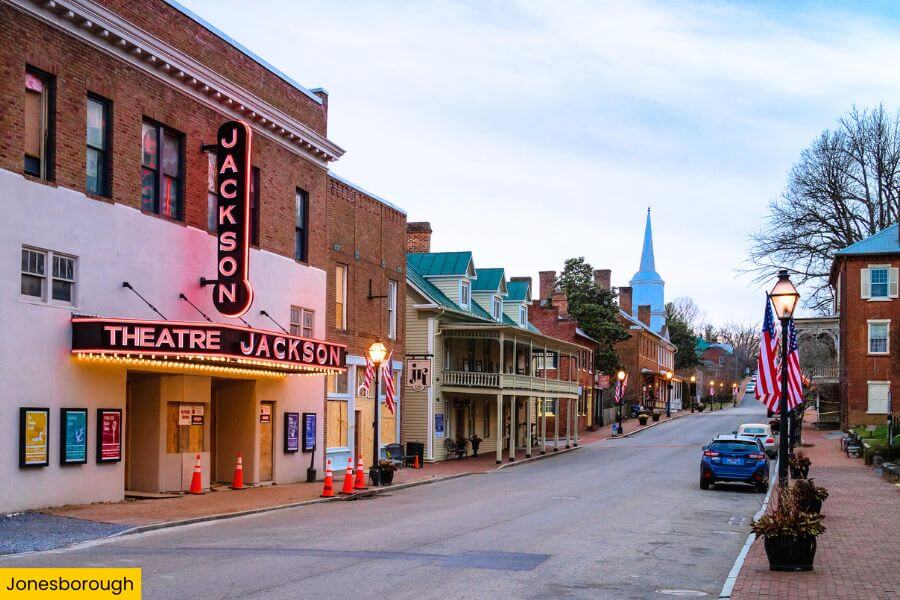
A 20-minute drive down the road takes you to Jonesborough, the oldest town in Tennessee that was officially founded in 1779.
This spot captures old-school charm with its brick sidewalks, wooden storefronts, and buildings dating back to George Washington’s time.
It was actually once a busy stop for pioneers and even printed The Emancipator in 1820, the state’s first abolitionist newspaper.
That storytelling spirit still lives on today with the National Storytelling Festival every October, when thousands gather to hear tales Davy Crockett would have loved.
3. Davy Crockett Birthplace State Park
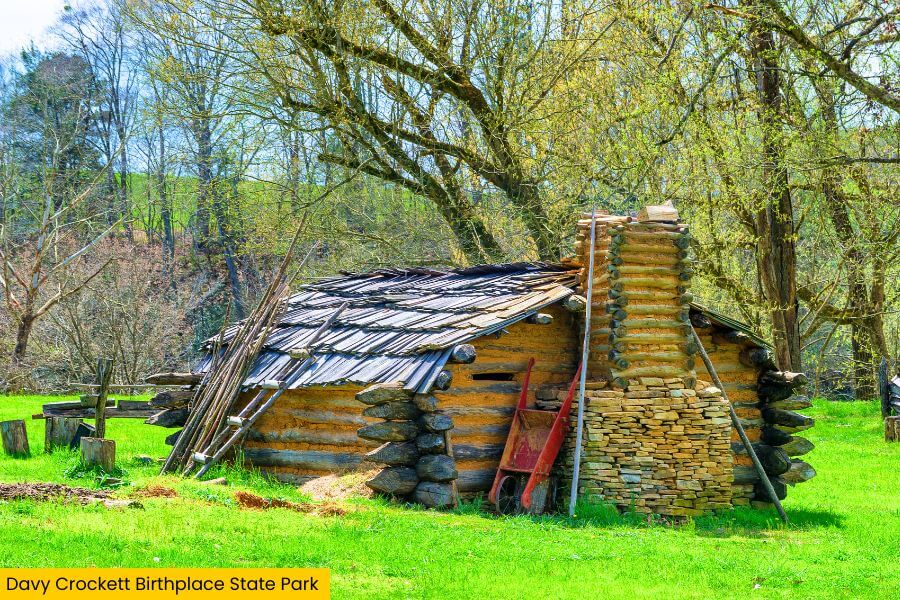
Up next is Davy Crockett Birthplace State Park in Limestone, where one of Tennessee’s most legendary frontiersmen was born in 1786.
Here, you’ll find a replica of the log cabin by the Nolichucky River, where his family lived as true pioneers.
There’s also a small museum with artifacts and exhibits showing how Davy went from river kid to congressman and Alamo hero.
For now, the site is temporarily closed due to damage from Hurricane Helene, but it remains a must-see for Crockett fans once it reopens.
4. Greeneville
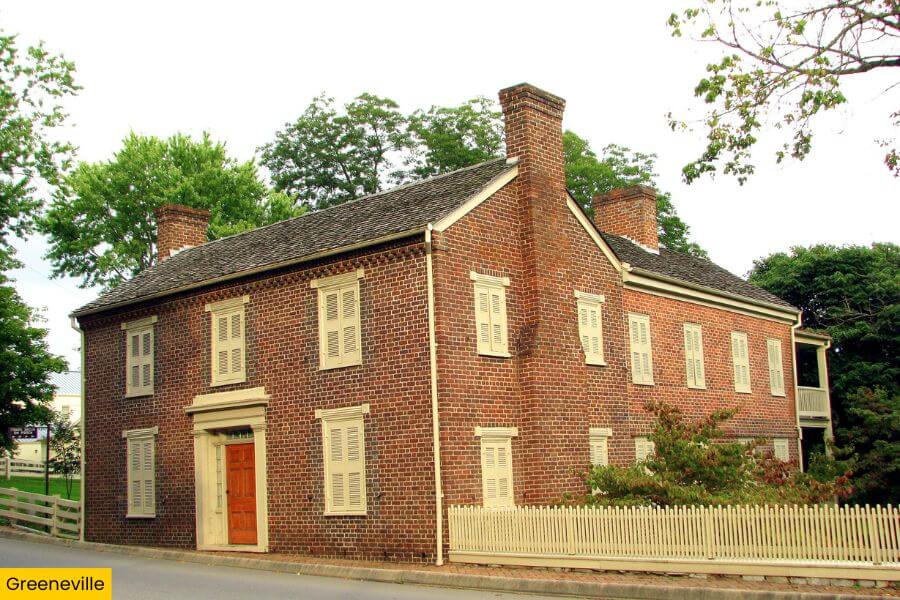
Then there’s Greeneville, the town Andrew Johnson called home before and after serving as the 17th U.S. President.
You can tour his tailor shop (yes, he was making clothes before leading the country), his homestead, and even the national cemetery where he’s buried.
The town itself was also a key pioneer hub in the late 1700s, filled with log homes, trading posts, and political drama from the State of Franklin era.
And to bring this whole chapter of Tennessee history to life, don’t miss the Andrew Johnson National Historic Site, run by the National Park Service.
5. Rogersville
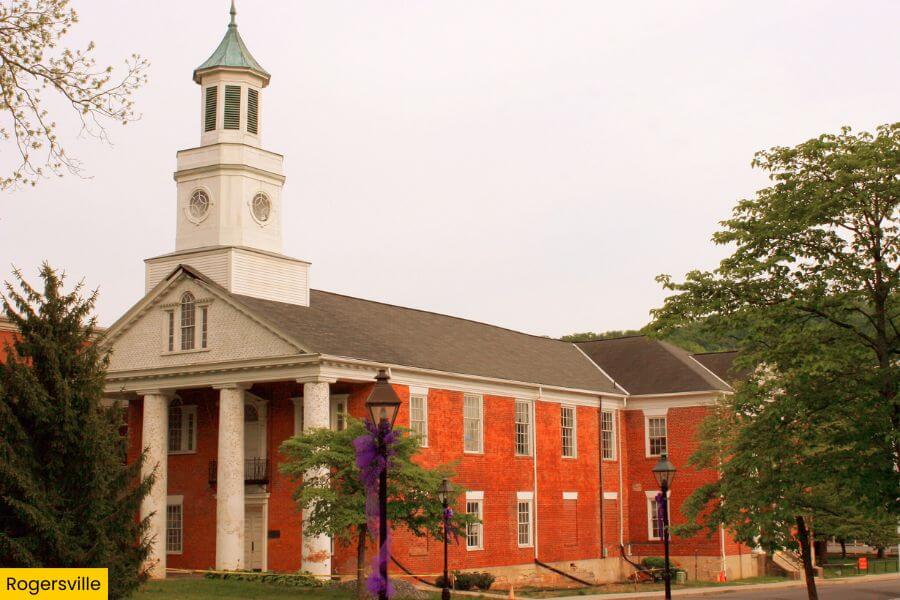
Next is Rogersville, home to Tennessee’s second-oldest courthouse, first post office, and the first newspaper ever printed in the state, The Knoxville Gazette.
This town was settled by Davy Crockett’s grandparents around 1775, and you can still trace those pioneer roots in the preserved buildings downtown.
Walk down Main Street and you’ll find a restored 1800s inn, antique shops full of treasures, and even a spring once used by early settlers.
If you’re a history buff, make sure to pop into the Hawkins County Courthouse, which has been holding court since 1836!
6. Blount Mansion
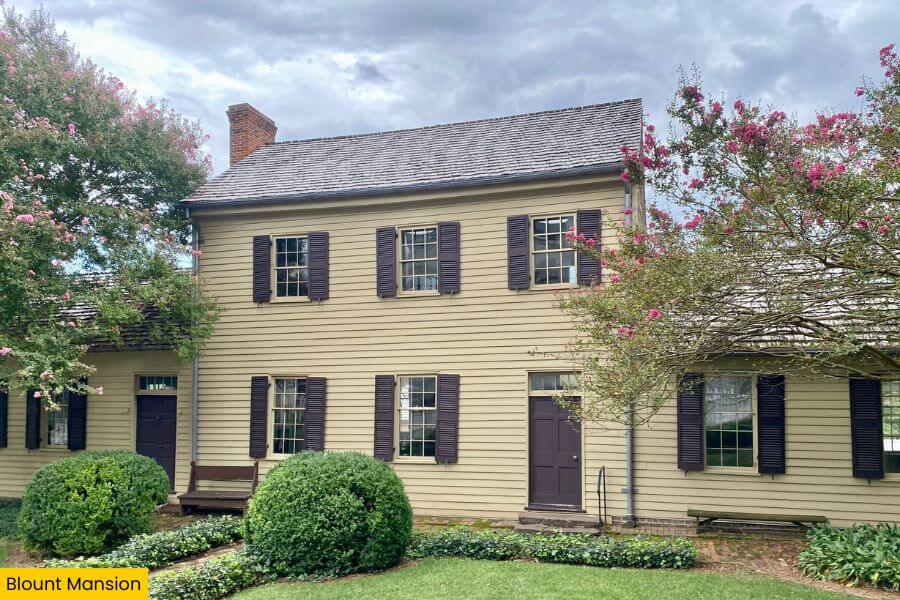
Located 1 hour and 15 minutes from Rogersville is Blount Mansion, the fancy-looking wooden house once owned by William Blount.
He made his mark as a signer of the U.S. Constitution and governor of the Southwest Territory.
The mansion was built in 1792 and served as the site where key political decisions were made before statehood was even official.
Today, it’s fully restored, and you can tour the parlor, bedrooms, and office where Blount worked.
It’s wild to think that this quiet little house played such a huge role in shaping the state, all while looking out over the Tennessee River.
7. Kingston
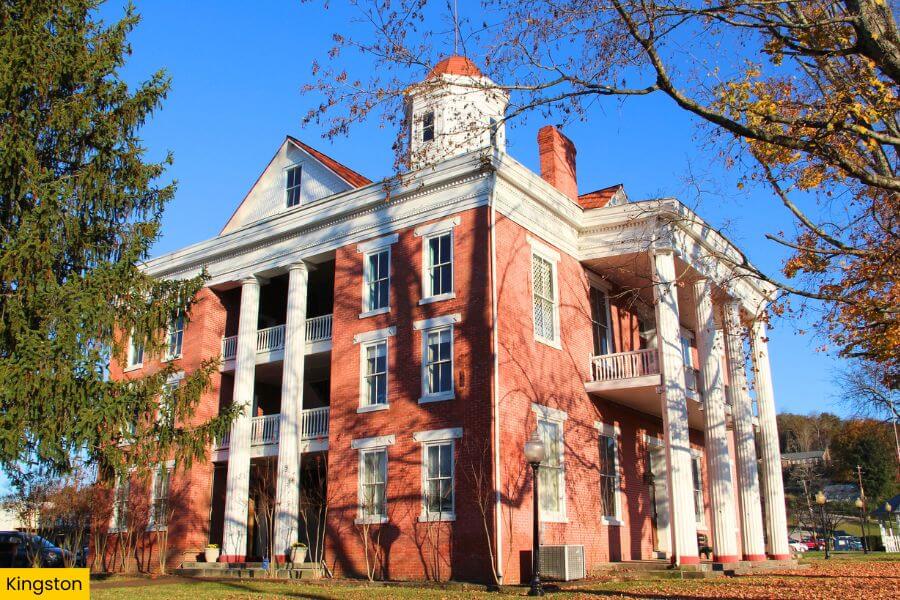
Another piece of early statehood history waits in Kingston, a small town with a big moment in the spotlight.
In 1807, it was named Tennessee’s capital for only a single day before Knoxville took back the title.
A marker now stands at the former courthouse square, commemorating that short-lived claim to fame.
But Kingston’s story doesn’t end there, as it was part of frontier defense through Fort Southwest Point—a reconstructed 1797 outpost that once guarded the region.
8. Rugby
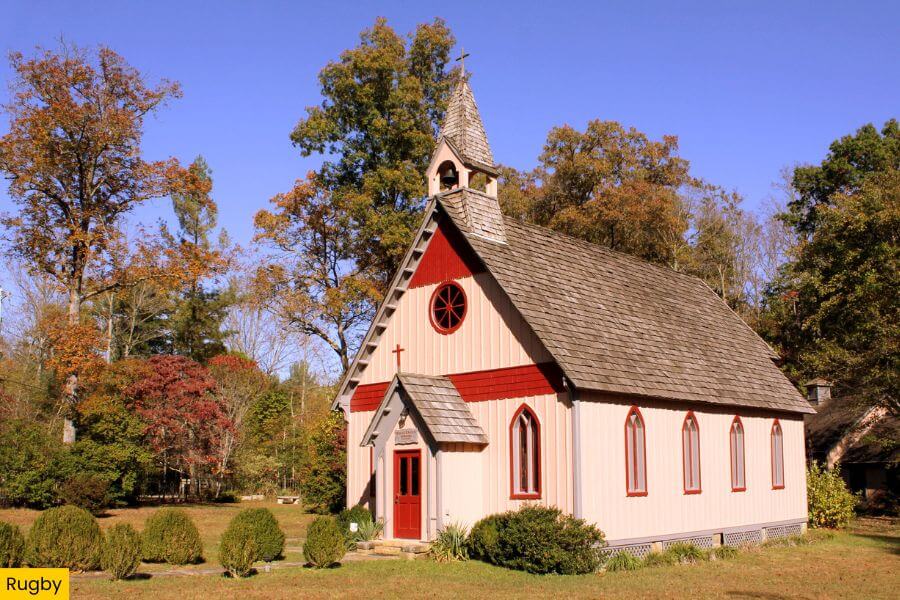
About an hour’s drive from Kingston brings you to Rugby, a unique village founded in 1880 by British author Thomas Hughes as a utopia for second sons.
Unlike the log cabins and frontier forts you’ve been seeing, this place features grand Victorian homes, a library from 1882, and a church that still holds services.
The town was meant to mix English manners with American opportunity, but that grand experiment unfortunately didn’t work out.
If you want the inside scoop, take a guided tour and hear wild stories about idealism, typhoid outbreaks, and tea parties in the Tennessee hills.
9. Old Stone Fort State Archaeological Park
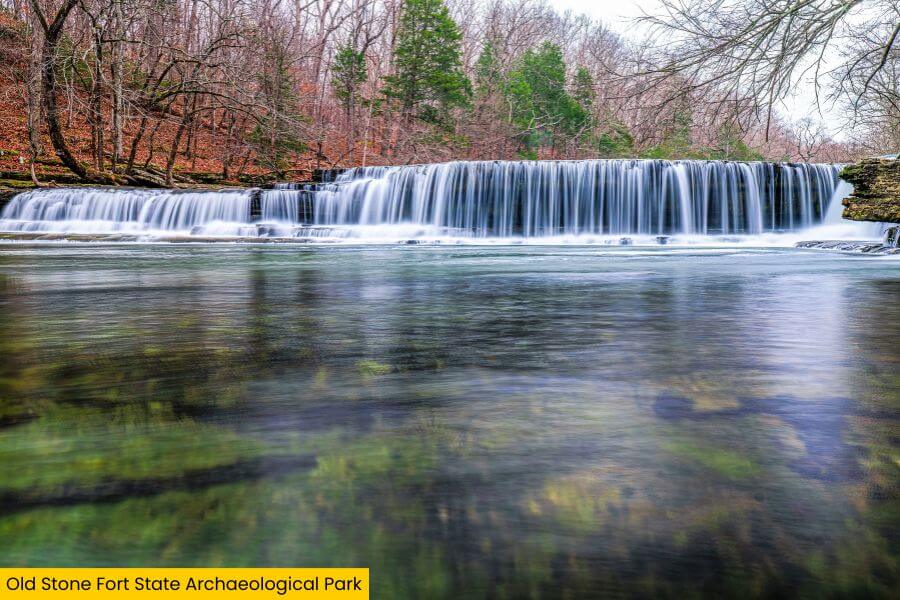
The road then leads to Old Stone Fort State Archaeological Park in Manchester, where things go way farther back.
This spot is an ancient Native American ceremonial site, built on a bluff between two rushing rivers with jaw-dropping waterfalls.
You’ll get the best view by hiking the 1.4-mile Enclosure Trail, which loops around the original earthworks and takes you past the 30-foot Big Falls.
It’s peaceful, mysterious, and totally different from the rest of the trip, reminding you that Tennessee history began long before cabins and coonskin caps.
10. La Grange
The trail wraps up in La Grange, a small town with rich history boasting one of the best-preserved collections of antebellum homes in the state.
It was once a major stop along the stagecoach route in the early 1800s, and even served as Union headquarters and a hospital site during the Civil War.
Today, walking along the tree-lined streets and historic homes feels like flipping through a living history book.
To learn more about the town’s history, stop by Immanuel Church and the La Grange Cemetery, where graves date back nearly two centuries.
Related Posts