Tennessee might be known for its mountains, music, and BBQ but it’s also packed with ghost towns that’ll give you serious goosebumps.
We’re talking about old towns where buildings are falling apart, cemeteries are hidden in the woods, and people say they’ve seen ghosts in the middle of the day.

Some were drowned by lakes, some have been taken over by nature, and others just vanished when the jobs ran out or dreams fell apart.
If you’re into spooky hikes, creepy history, or just love the thrill of exploring places most folks forgot, these 7 ghost towns are calling your name… if you dare.
1. Cades Cove
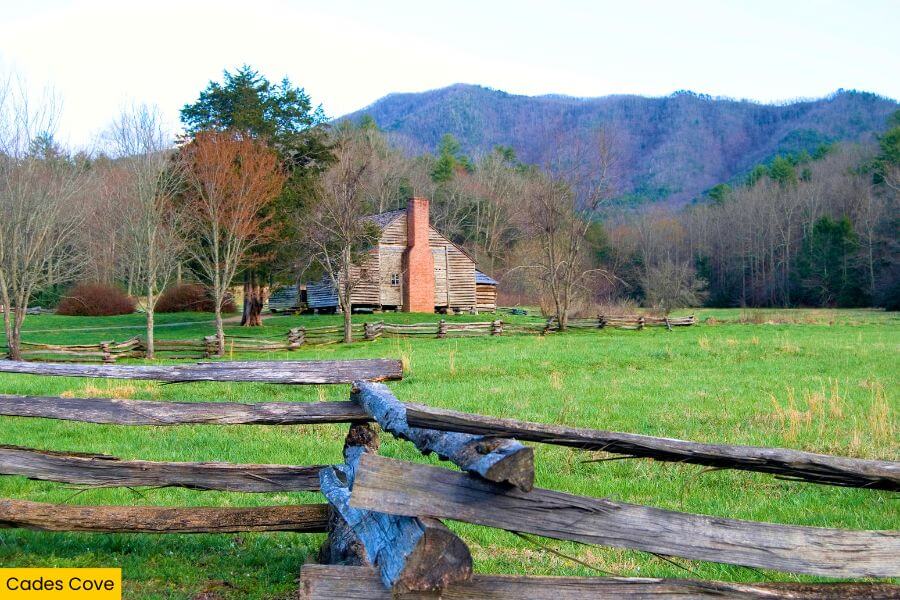
Cades Cove sits deep in the Great Smoky Mountains National Park and once thrived as a mountain farming community in the 1800s.
Today, it’s known for its ghostly cabins, weathered churches, and an old grist mill that creaks like it’s haunted.
You can drive the 11-mile loop road, where folks say they’ve seen shadowy figures near Tipton Place or heard strange whispers at the Primitive Baptist Church.
The last residents left in the late 1990s, but some believe their spirits never did, so keep your eyes peeled.
2. Elkmont

Next up is Elkmont, which feels like a forgotten summer camp pulled straight from a ghost story.
Located in the Smokies about 25 minutes from Gatlinburg, this old logging town turned vacation resort is now full of rotting cabins with moss-covered roofs.
In its heyday, the “Wonderland Hotel” hosted fancy guests, but today only its crumbling remains and broken staircase are left behind.
Walk the quiet trails past cabins like “Daisy Town” and “Millionaire’s Row,” and you might hear the echoes of parties that ended almost a hundred years ago.
3. Greenbrier Cove
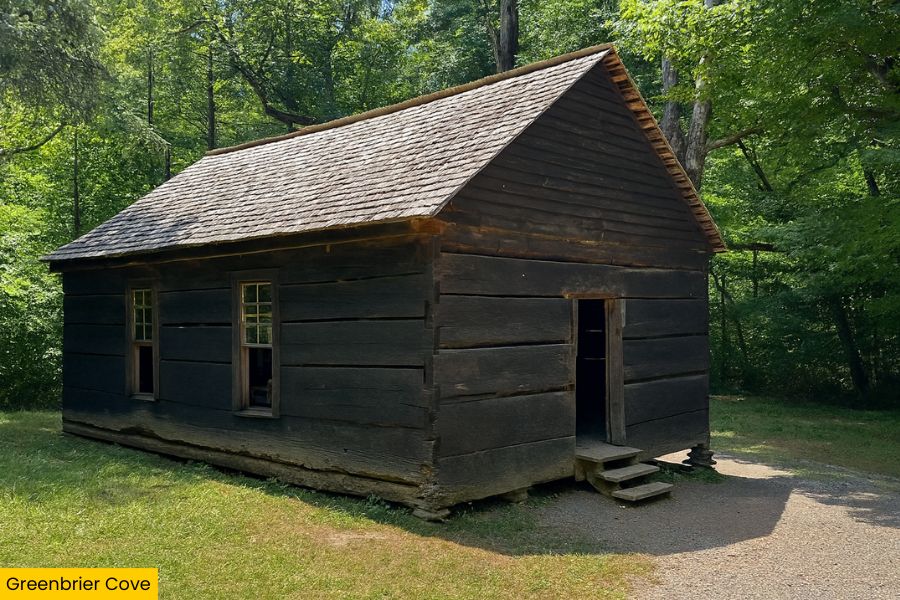
Greenbrier Cove, also known as Little Greenbrier, feels like the woods swallowed an entire town and forgot to spit it back out.
Located 25 minutes from Gatlinburg, this old mountain town now exists only as crumbled chimneys, hidden trails, and scattered graveyards in the woods.
Not much is left standing, but hikers on the Porters Creek Trail can spot eerie signs of the past, like the Ownby Cemetery and the old Messer barn.
Locals say you can still feel the strange stillness where families once lived, farmed, and vanished into Smoky Mountain legend.
4. Loyston
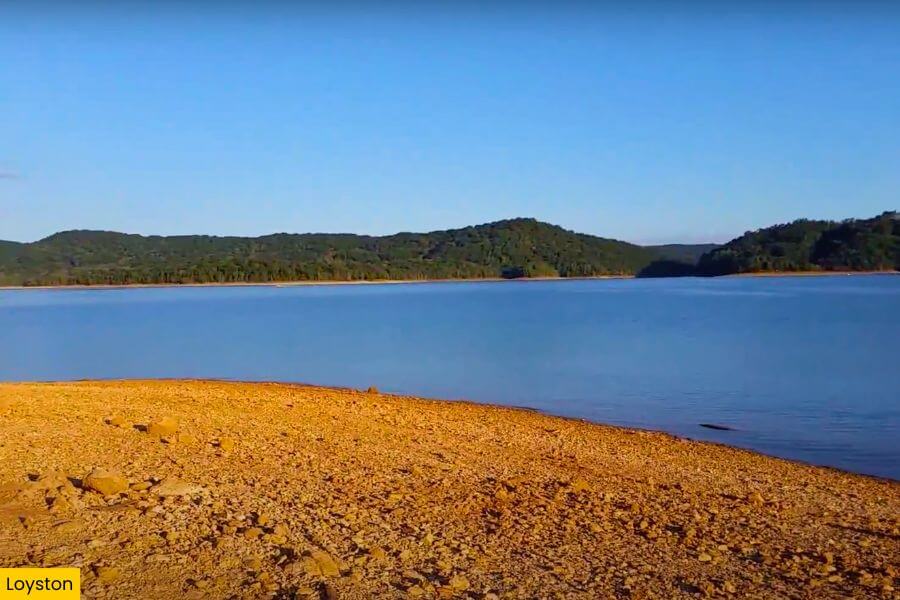
While Greenbrier got lost in the forest, Loyston got drowned—literally.
This ghost town lies beneath the waters of “Loyston Sea”, about 45 minutes from Knoxville, and vanished in the 1930s when the TVA built Norris Dam.
Loyston was once a farming town with a school and church, but all of it was removed or destroyed when the dam project began and the lake covered what was left.
When the water recedes during dry years, parts of old Loyston emerge like a spooky secret, hinting at more ruins hidden beneath the surface.
5. Fork Mountain
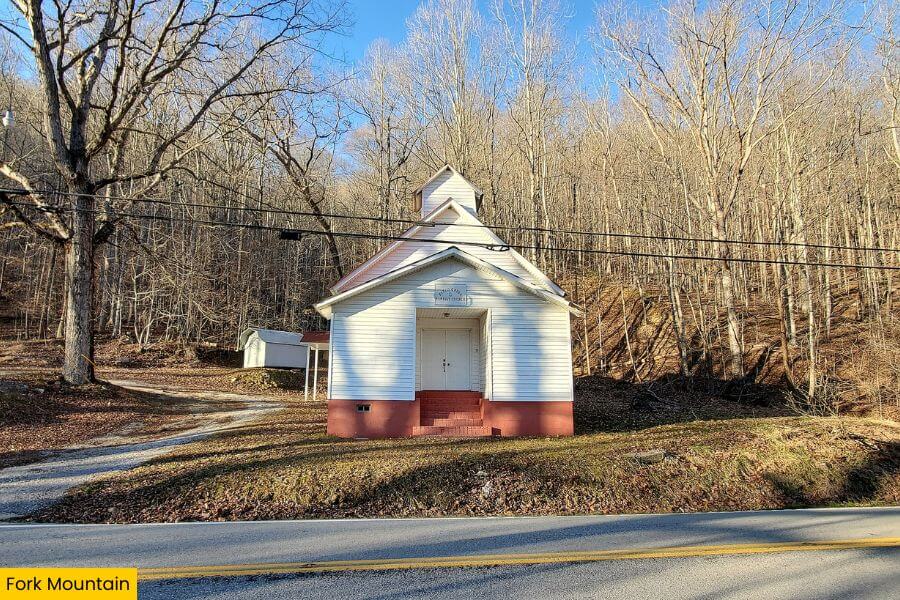
Fork Mountain was once a thriving community, but in the end, it was buried by coal dust and bad luck.
This old mining town, hidden in the hills of the Morgan County-Anderson County line, was home to hundreds of coal workers and their families in the 1950s.
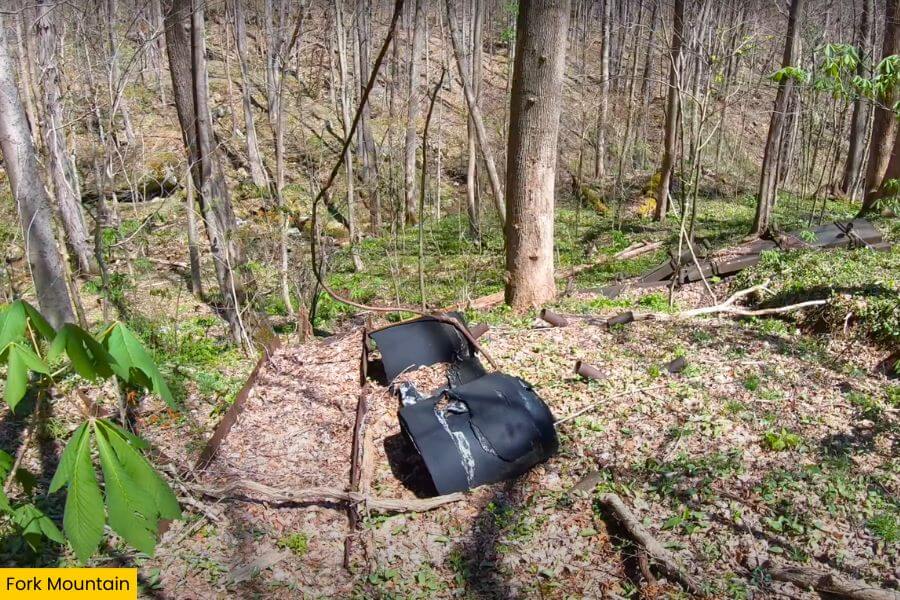
By the 1980s, the mines shut down, the jobs vanished, and the town slowly crumbled until only a few ghostly structures and fading foundations remained.
Though hard to reach, the ruins still sit quietly in the woods, whispering stories from long ago.
6. Rugby
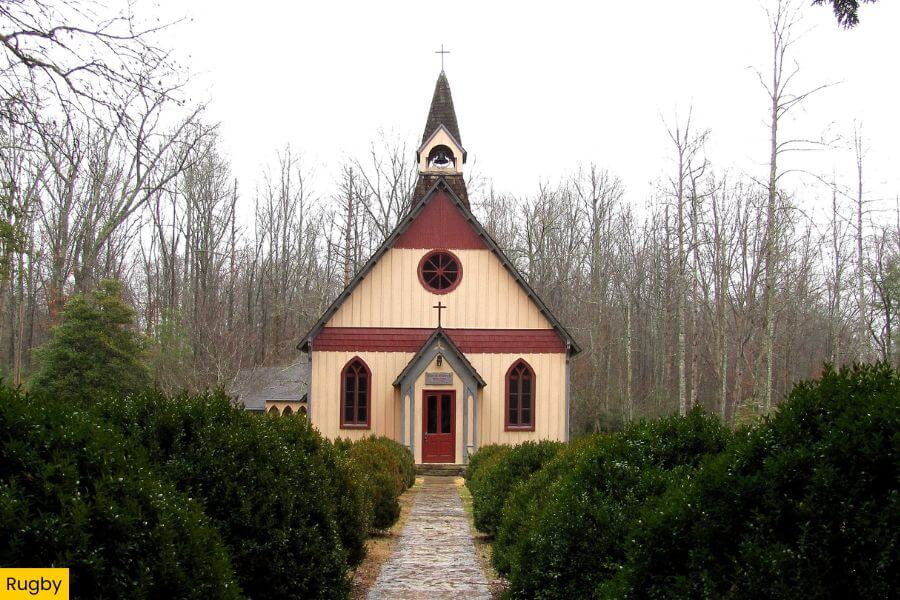
The town of Rugby was supposed to be a utopia but instead, it completely flopped.
Founded in 1880 by British author Thomas Hughes, this odd town on the Cumberland Plateau was meant to be a fresh start from the pressures of Victorian life.
They built elegant libraries and charming cottages, but harsh winters, poor farming, and a few tragic deaths turned their dream into a ghost town.
Today, you can tour original buildings, step inside the haunted 1887 Christ Church Episcopal, and hear creepy stories of phantom steps and flickering lights.
7. No Business
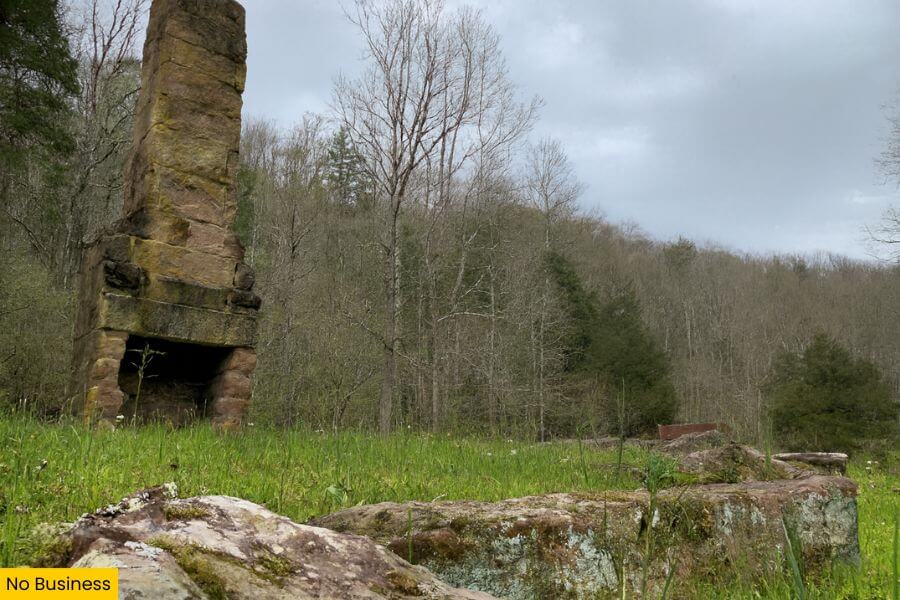
No Business was a town that never stood a chance.
Located in the Big South Fork National River and Recreation Area, this place was a remote mountain community that barely survived the early 1900s.
It had about 300 locals, schools, and a church, but poverty and isolation drove the last residents out by 1960.
All that’s left now are fading foundations and cemeteries along the No Business Trail, where the silence hangs so heavy it feels like the forest is watching.
Related Posts