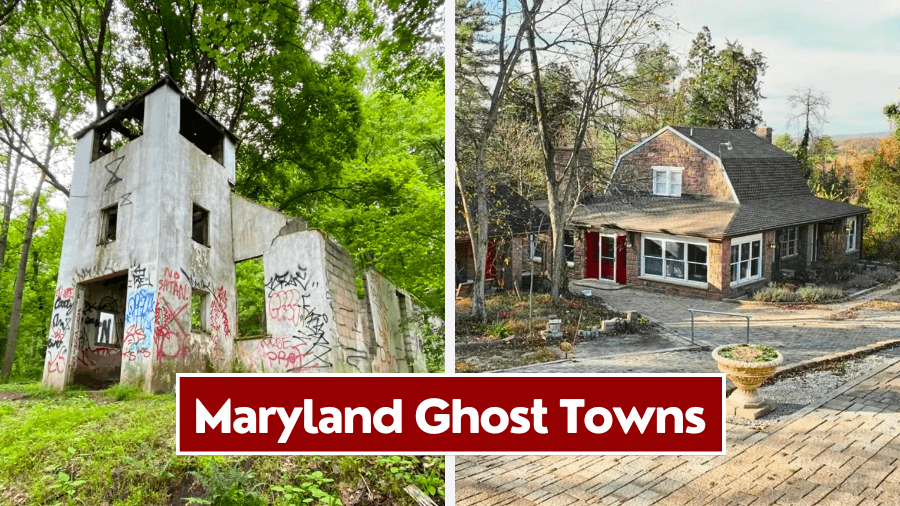
Maryland is packed with famous historic sites, but some of its most fascinating places have been left behind for decades.
Hidden along quiet rivers and forgotten transportation routes, these abandoned communities tell stories of industries that collapsed and towns that slowly vanished from the map.
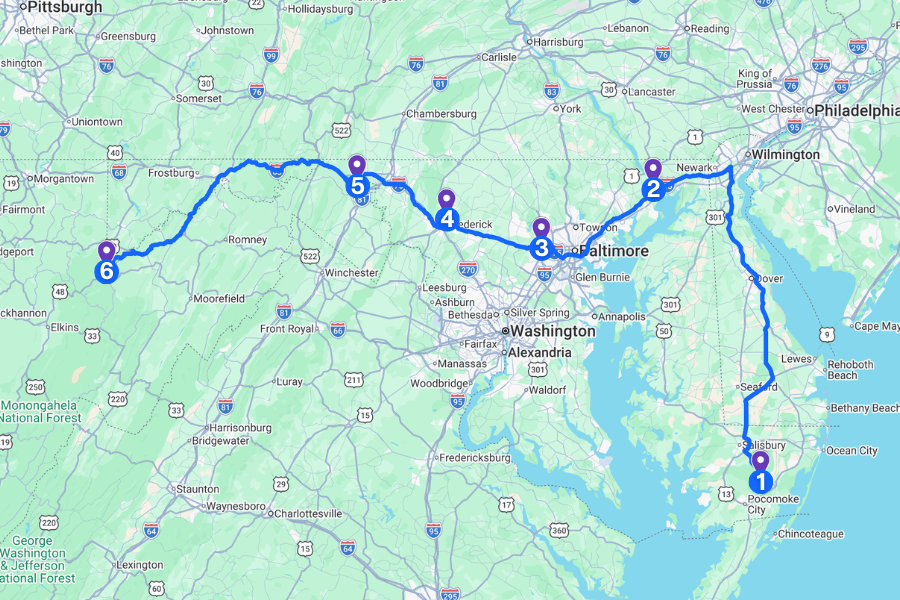
Some still have crumbling buildings and weathered stone structures, while others survive only through scattered ruins and the memories of the people who once lived there.
If you enjoy eerie history, unusual road trips, and places filled with unanswered questions, these six Maryland ghost towns deserve a spot on your travel list.
1. Furnace Town Historic Site
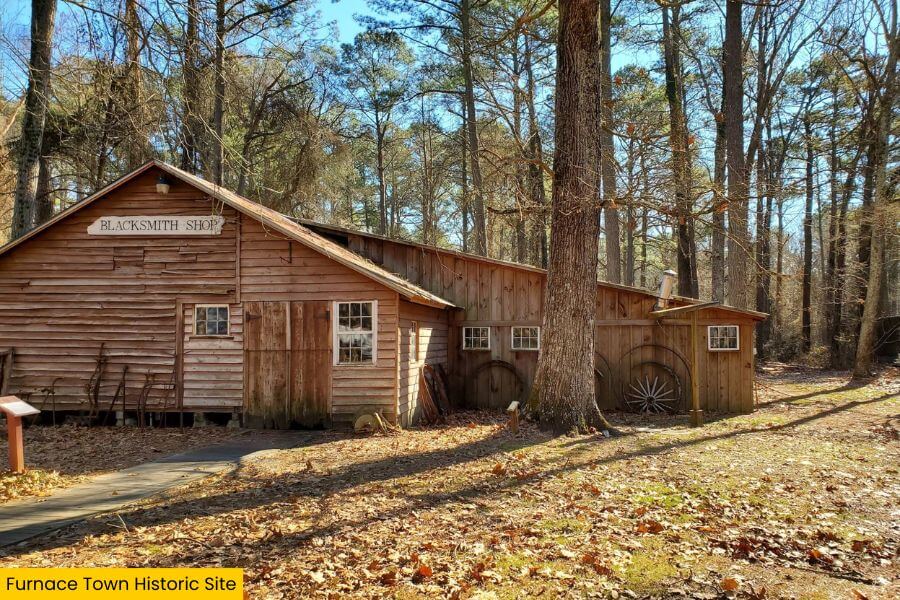
Furnace Town Historic Site, near Snow Hill, preserves the remains of a busy 19th-century village that grew around the Nassawango Iron Furnace, which produced pig iron.
As you explore the grounds, you can check out several restored buildings, including the broom house, blacksmith shop, one-room schoolhouse, and the towering furnace stack.
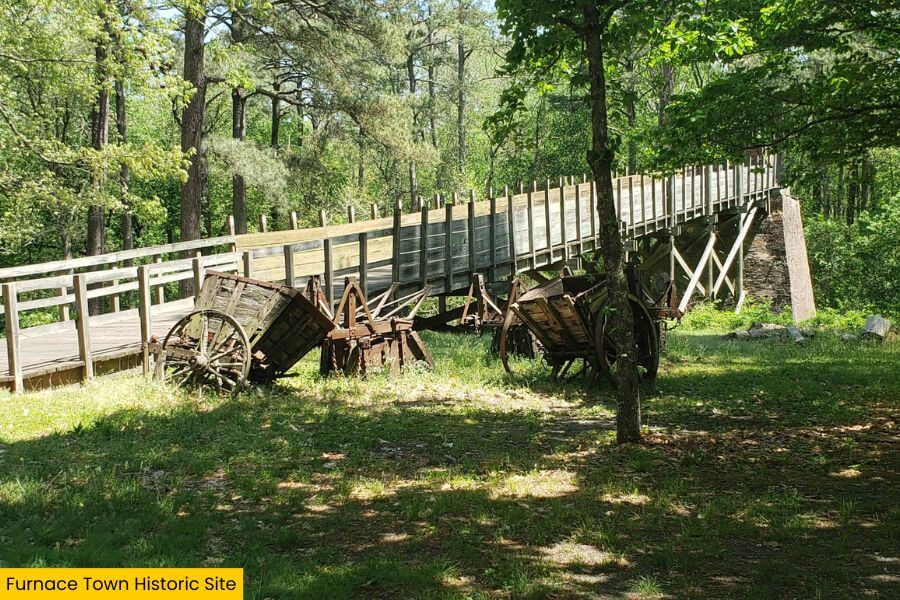
According to local lore, this village is haunted by Sampson Harmon, a longtime resident who stayed behind after it was abandoned and lived alongside a group of stray cats.
His wish to be buried here was never granted, leading to stories that his spirit still wanders the grounds today, making the village’s history even more intriguing.
2. Lapidum
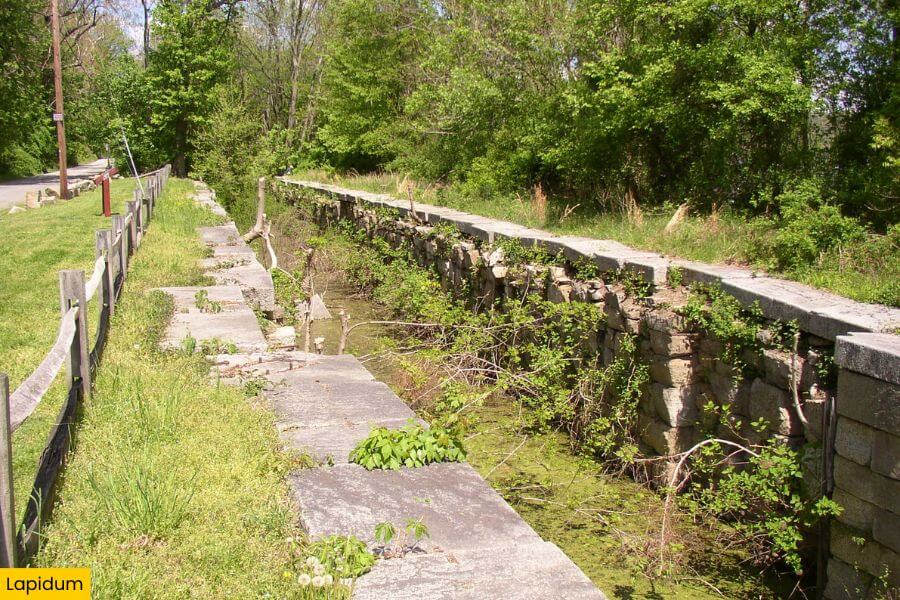
If Furnace Town gives you a glimpse of Maryland’s industrial past, Lapidum takes you even farther back to a once-thriving community in Harford County.
Built along the Susquehanna River, it became a busy trade center, with nearby farms, a fishing industry, and a ferry that carried people and goods long before bridges were built.
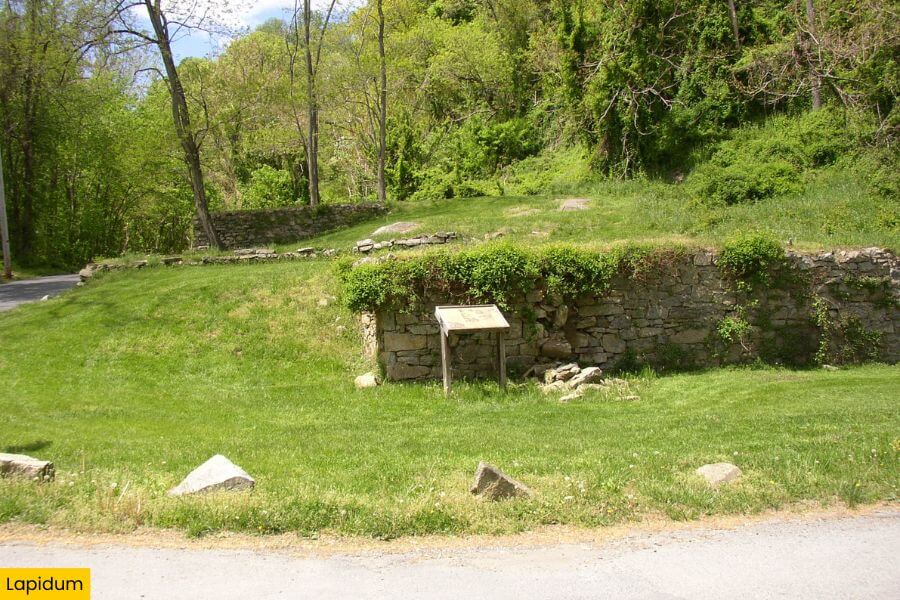
At its peak, it was home to a three-story Victorian hotel, along with a church, mill, school, warehouses, and wharves that supported the town’s busy river trade.
Today, all that remains are a handful of stone foundations, the “A Place of Stones” marker, and the Tidewater Canal, creating an eerie contrast to the crowds that once passed through here.
3. Daniels
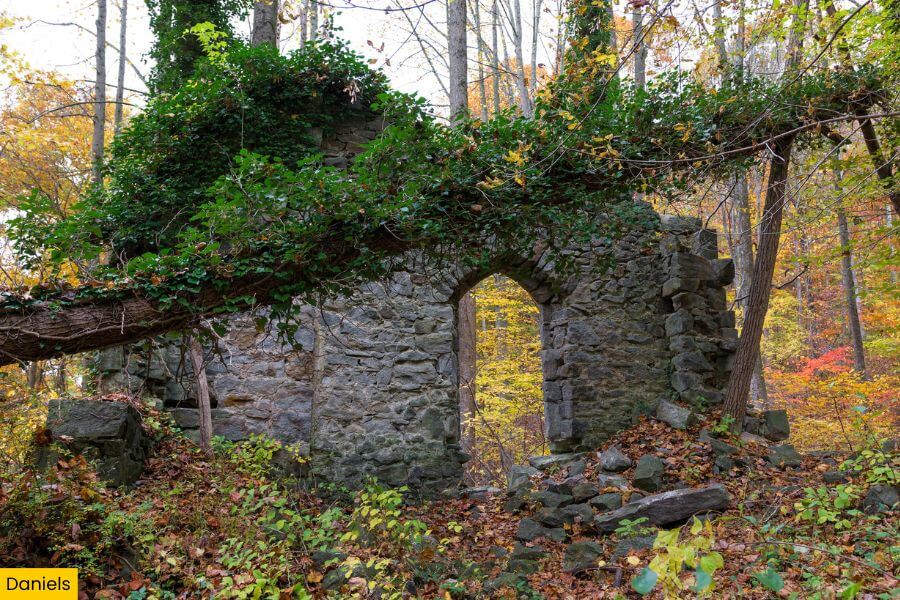
From Lapidum, it’s just an hour’s drive to Daniels, a mill town along the Patapsco River, where crumbling structures still hint at the community that once thrived here.
It began as a textile mill community in the early 1800s and eventually grew into a small company town with stores, a school, and the Saint Stanislaus Kostka Catholic Church.
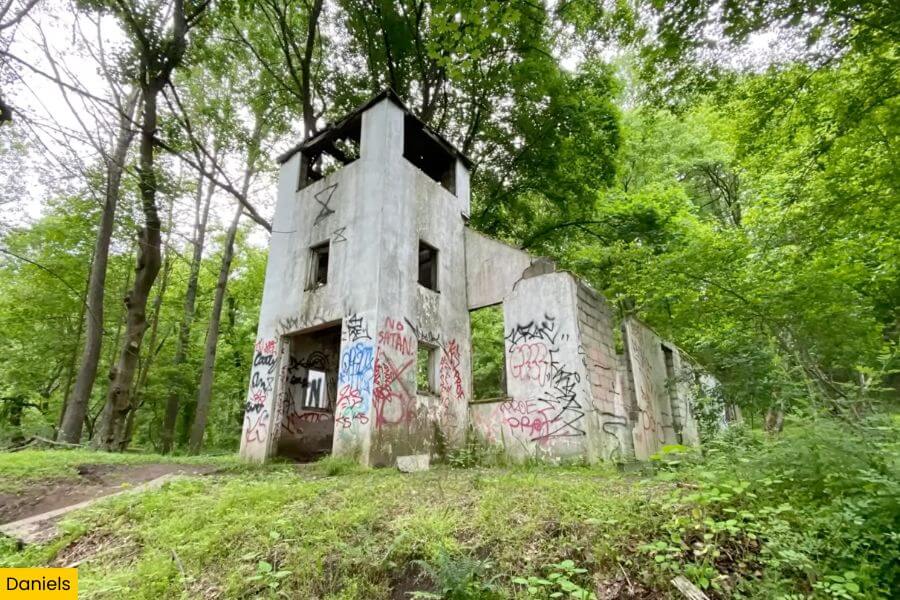
In the 1960s, the mill closed and residents were forced to leave, while severe flooding from Tropical Storm Agnes a few years later helped seal the town’s fate.
Now, you can walk the trails of Patapsco Valley State Park to see its eerie remnants, including Saint Stanislaus Church, as the surrounding forest slowly reclaims the landscape.
4. Harmony Grove
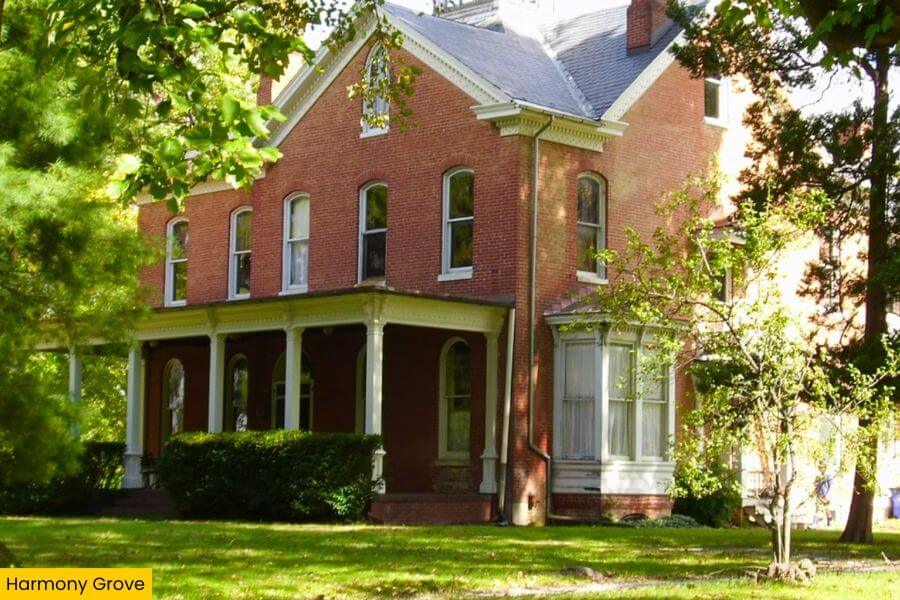
After exploring Daniels, drive about 40 minutes to Harmony Grove, a mill community in Frederick County that grew around Worman’s Mill.
Founded in the early 1800s, it expanded to include a post office, schoolhouse, homes, and local gathering places, making it a small but active community.
There’s also the Spring Bank Inn, one of the community’s most recognizable landmarks, which still stands today alongside a few remaining houses, train tracks, and foundations.
The quiet landscape, isolated location, and stories of long-gone residents make this place an intriguing reminder of how even thriving communities can disappear.
5. Four Locks
Next up is Four Locks, a canal community in Washington County that once served the workers and businesses of the Chesapeake and Ohio Canal.
It got its name from a set of consecutive locks, numbered 47 through 50, and was also home to warehouses, a school, a post office, a dry dock, and about a dozen houses.
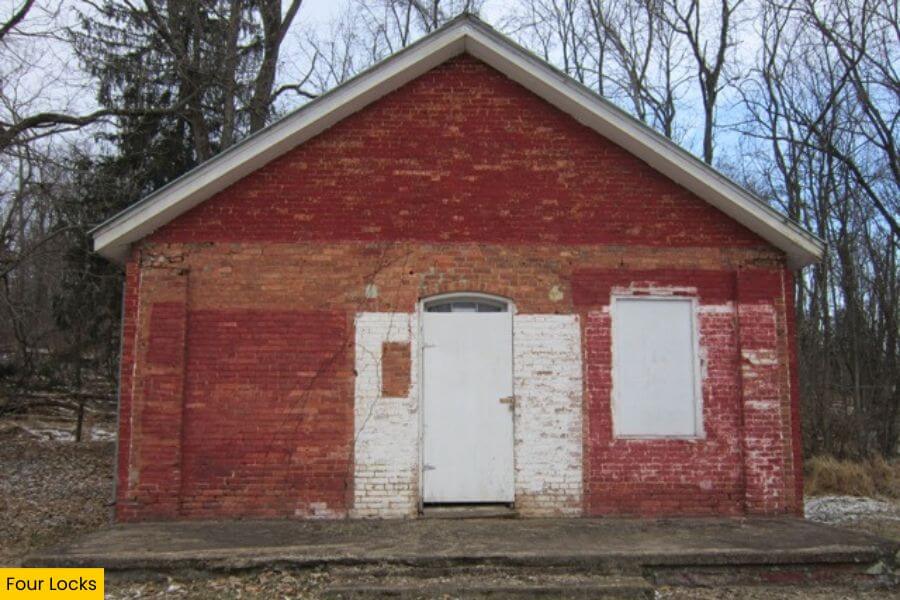
After the canal closed in 1924, the community faded away, but you can still visit some historic buildings and interpretive signs within Chesapeake and Ohio Canal National Historical Park.
Walking beside these weathered structures, it’s easy to picture boats passing through a place that slowly emptied as railroads and newer transportation routes took over.
6. Kempton
Leaving Four Locks behind, the final stop is Kempton, a former mining town in Garrett County that grew around the region’s coal industry.
Established in 1913 by the Davis Coal & Coke Company, it grew into a bustling company town with hundreds of residents, company housing, a school, and other amenities.
Today, time and nature have erased much of what once stood here, leaving behind little more than scattered foundations hidden among the trees.
You can also spot the remnants of the houses and old company store, one of the few visible reminders of life here during the coal boom.
Related Posts