Scattered across Florida are places where you can spot ancient mammoth bones, massive sloths, and shark teeth the size of your hand.
And this prehistoric sites road trip in Florida uncovers it all.
You’ll stand on the same ground that early humans walked thousands of years ago and even snorkel in ancient springs.
So grab some snacks, charge your phone, and get ready to explore the jaw-dropping places where Florida’s oldest secrets are still hiding in plain sight.
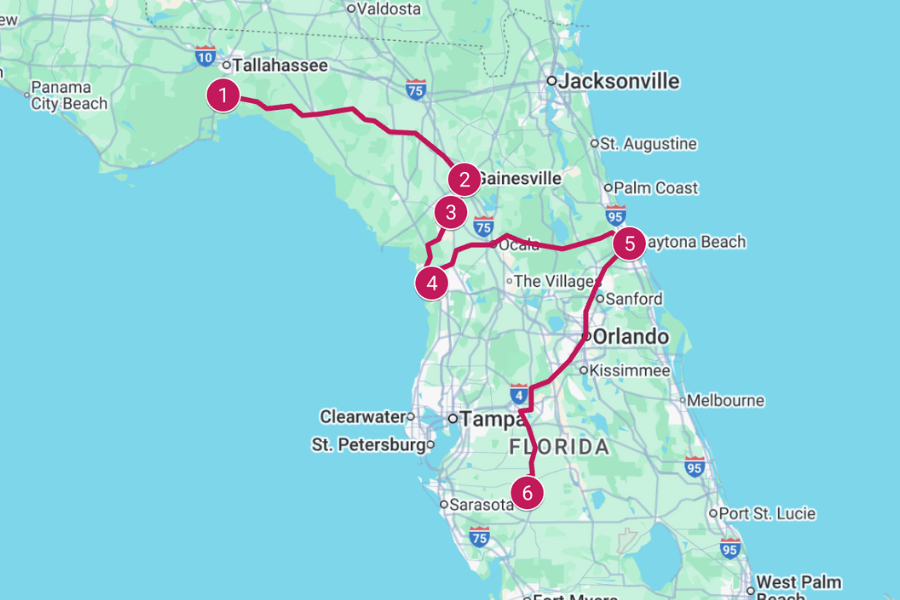
1. Wakulla Springs, Wakulla County (near Tallahassee)
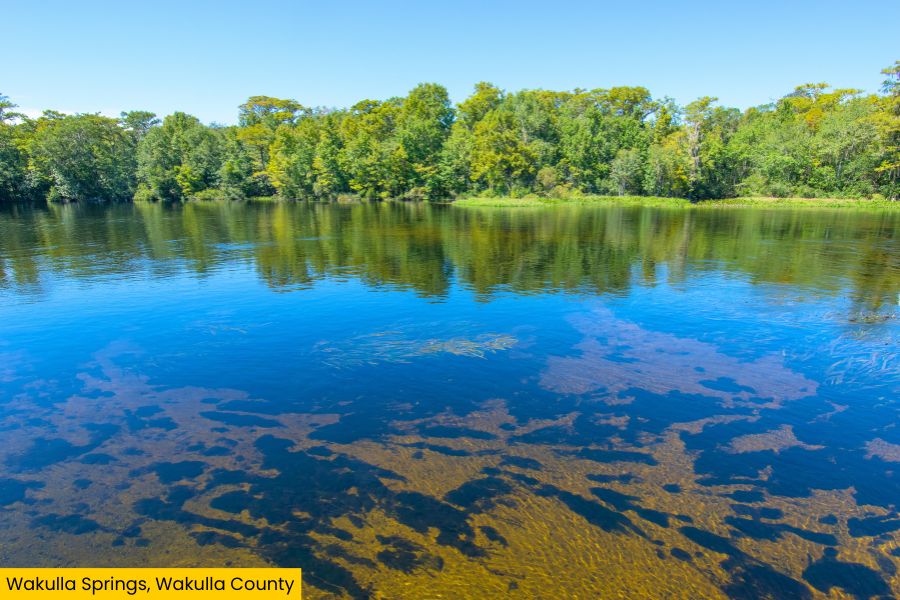
Located 25 minutes from Tallahassee, Wakulla Springs is one of the world’s largest and deepest freshwater springs, plunging 350 feet.
It’s also a prehistoric goldmine where scientists discovered mastodon bones and ancient human tools dating back over 13,000 years.
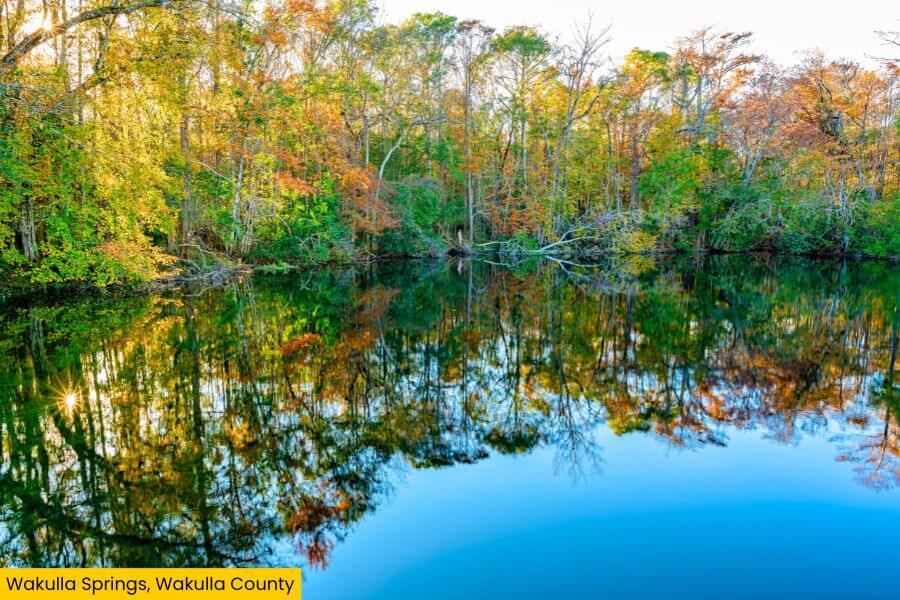
Today, you can glide through its crystal-clear waters on a riverboat tour, surrounded by manatees, alligators, and even birds.
Fun fact: Scenes from Old Tarzan films and Creature from the Black Lagoon were shot here, so you’re floating through movie history and Ice Age secrets all at once.
2. Florida Museum of Natural History, Gainesville
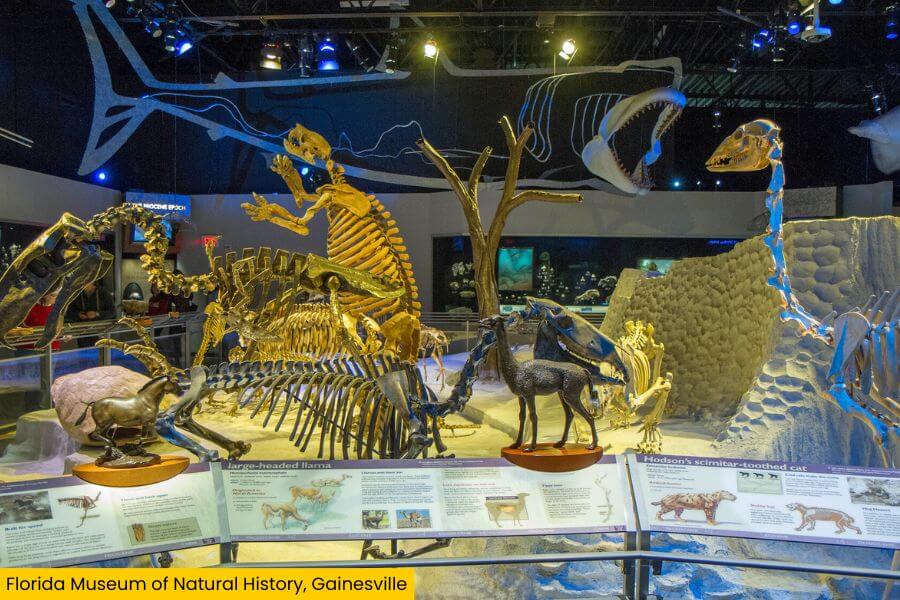
About 2.5 hours from Wakulla Springs, the Florida Museum of Natural History in Gainesville gathers 65 million years of prehistoric Florida under one roof.
The highlight here is the main fossil gallery, where you can stand eye-to-skull with a Columbian mammoth and a giant ground sloth that once roamed the state.
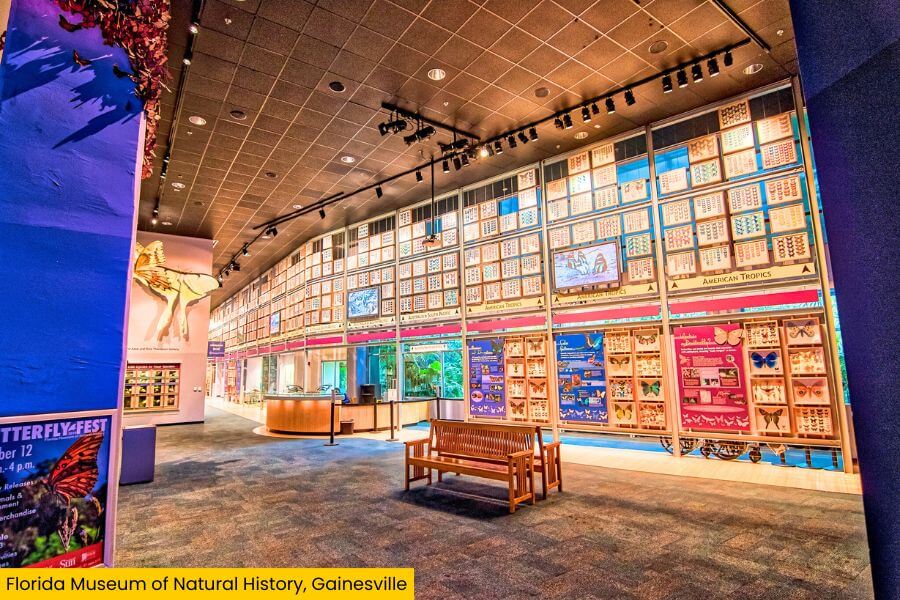
Don’t miss the Florida Fossils exhibit, which features everything from megalodon shark jaws to saber-toothed cat bones, all found right here in the state.
It’s part science lab, part time machine, and totally worth the stop if you’re into ancient creatures and epic finds.
At the time of writing, the Florida Museum of Natural History is temporarily closed for renovations, with plans to reopen in 2026. Check online for updates before you go.
3. Devil’s Den Prehistoric Spring, Williston
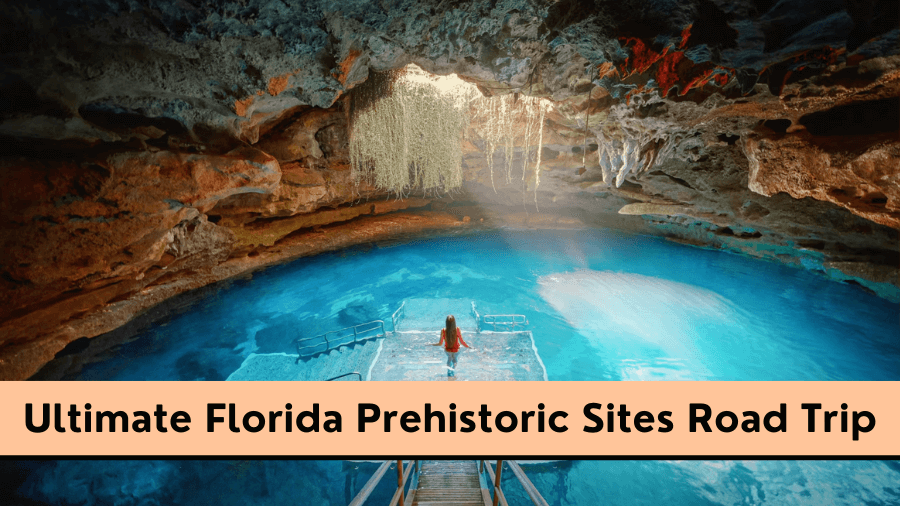
If you’re up for something wild, head to Devil’s Den Prehistoric Spring in Williston, where you’ll find the state’s most otherworldly swimming hole.
Set inside a dry cave with a giant natural skylight, this underground spring has been hiding ancient animal bones and early human remains for over 10,000 years.
You can actually snorkel or scuba dive in the same clear, 72-degree water where archaeologists uncovered fossils from the last Ice Age.
With glowing blue water and prehistoric history all around, it feels like swimming through a secret chapter of Florida’s past.
4. Crystal River Archaeological State Park, Crystal River
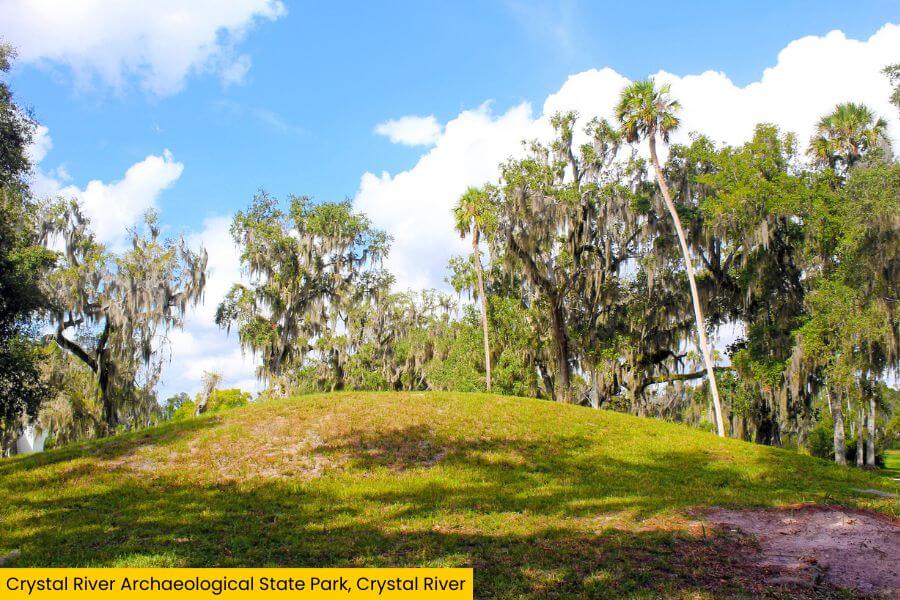
Then it’s off to Crystal River Archaeological State Park, where you’ll find six ancient Native American mounds sitting right along the river.
This site was a major ceremonial center for over 1,900 years, and archaeologists have uncovered plenty of pottery, tools, and even turtle shells.
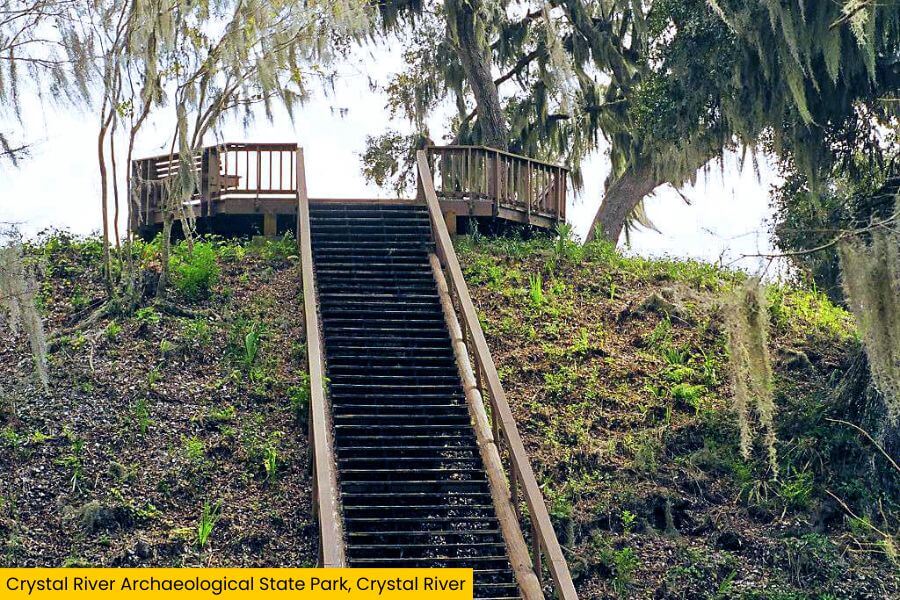
You can climb the largest mound here, which stands 28 feet tall and offers views of land that has been sacred ground for centuries.
It’s peaceful, powerful, and loaded with history that goes way deeper than just what’s on the surface.
5. Museum of Arts & Sciences, Daytona Beach
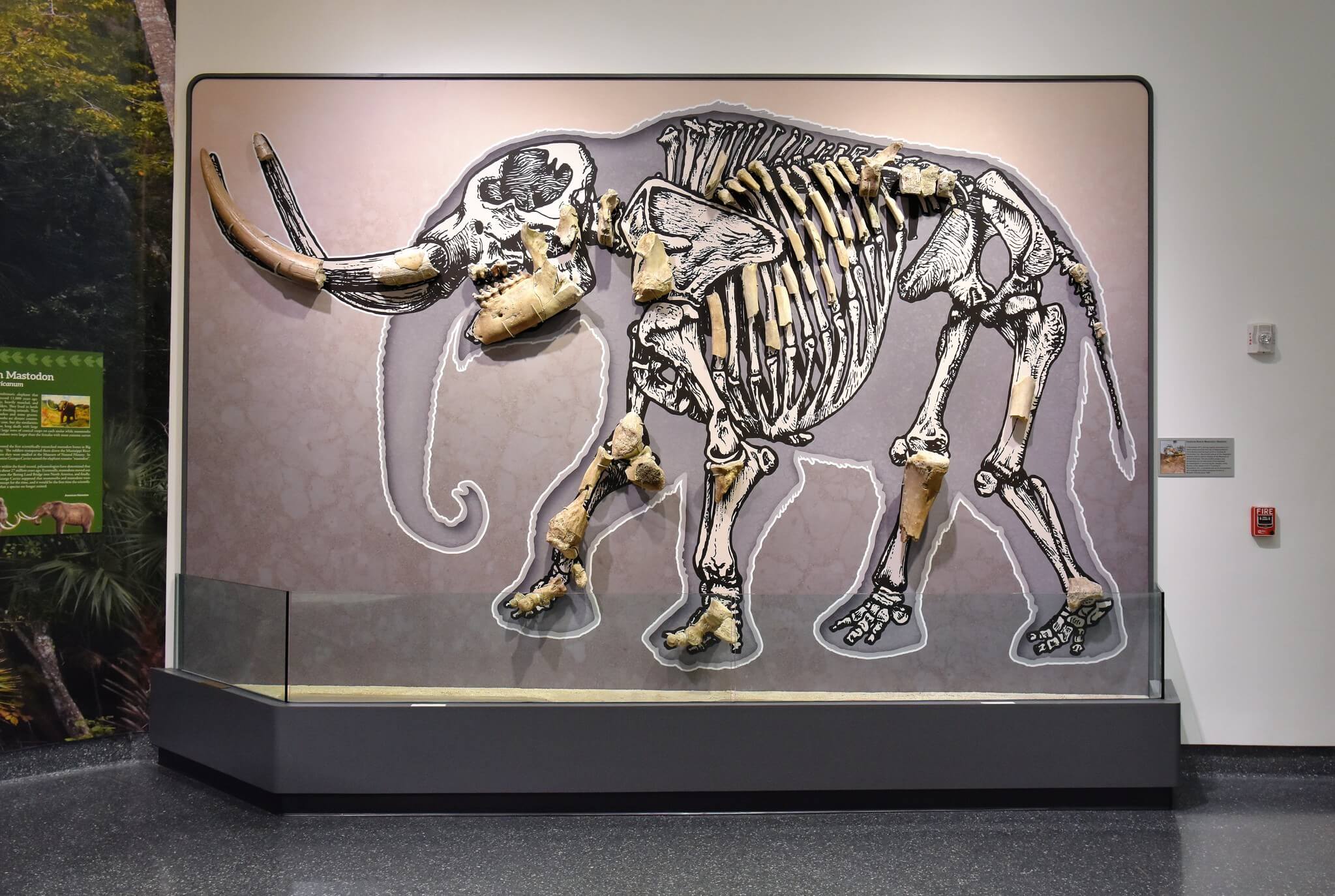
Now swing over to Daytona Beach for the Museum of Arts & Sciences.
The showstopper here is the Prehistory of Florida gallery, featuring a massive ground sloth skeleton that could stand up to 13 feet tall.
You’ll also find fossilized bones, ancient shells, and early tools that bring Florida’s deep past to life.
Together, these exhibits make this stop an air-conditioned adventure through science, storytelling, and some seriously huge creatures.
6. Peace River, Arcadia
Wrap up your road trip in Arcadia, the gateway to Peace River, where you can roll up your sleeves and get your hands dirty.
This is actually one of the best spots in the state where you can dig for prehistoric fossils yourself.
You can join a local tour that provides gear and guidance, or just grab a sifter and hop in the shallow river to hunt for shark teeth.
If you’re hoping to collect larger finds, like mammoth bones or vertebrae, you’ll need to get a state fossil permit ahead of time.
And if you want a change of pace, you can swap your sifter for a paddle and explore the river by kayak or canoe, with wildlife all around.
Related Posts