A road trip from Baltimore to Chicago is packed with far more than just highway miles and rest stops.
Along the way, you’ll discover fascinating history, jaw-dropping scenery, iconic landmarks, outdoor adventures, and surprises many travelers pass without noticing.
One day you could be standing where major moments in American history unfolded, and the next you could be gazing at waterfalls, climbing massive sand dunes, or taking in views that stretch for miles.
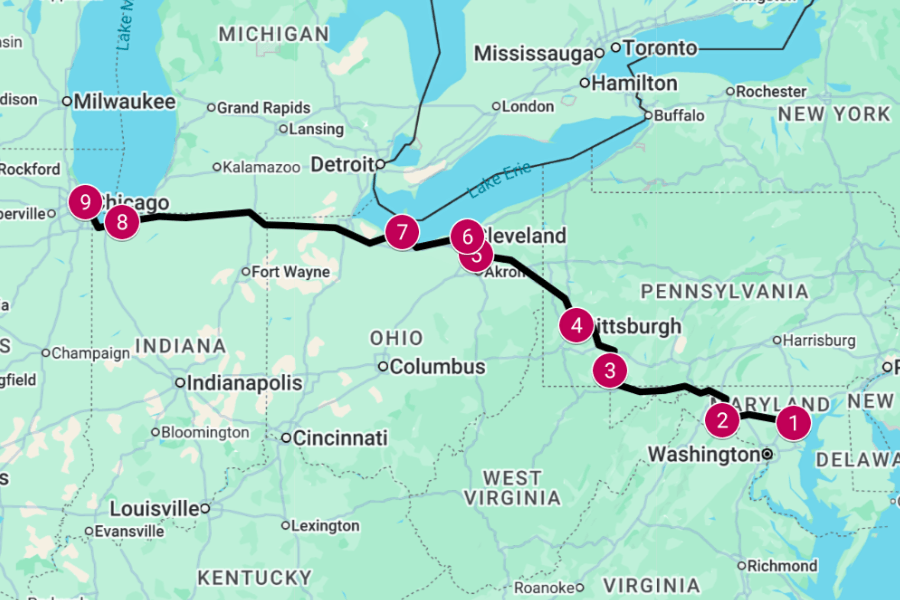
From charming towns and scenic river valleys to architectural masterpieces and Great Lakes shorelines, this route turns a simple drive into an unforgettable journey.
If you’re looking for the perfect mix of nature, culture, history, and memorable roadside stops, this Baltimore to Chicago road trip itinerary is packed with experiences you won’t want to miss.
1. Baltimore, Maryland
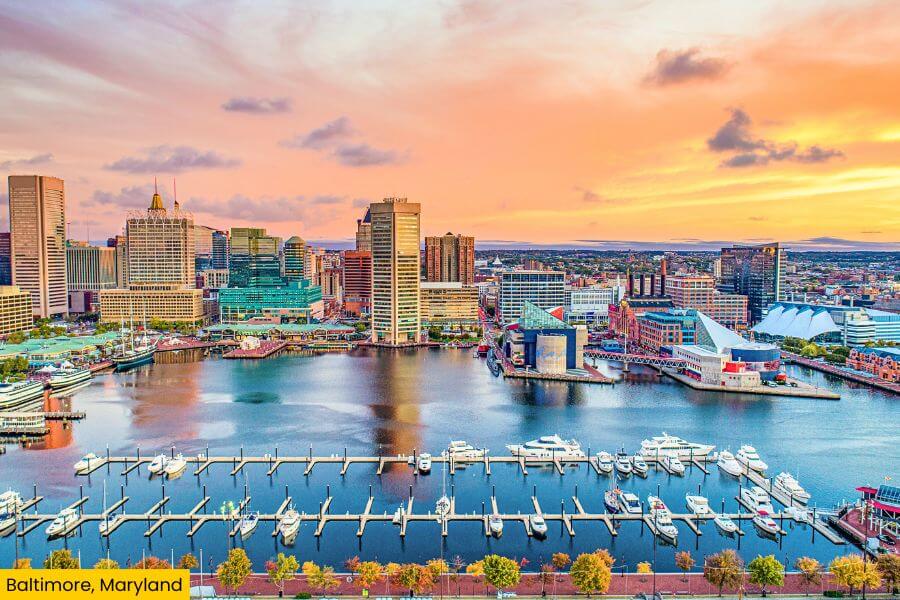
We’re kicking off this road trip in Baltimore, one of the busiest port cities on the East Coast.
You can stroll the Inner Harbor waterfront, tour the National Aquarium with more than 20,000 animals, climb aboard the historic USS Constellation, and explore Fell’s Point, a cobblestone neighborhood packed with shops, restaurants, and waterfront views.

The city played a key role in the War of 1812, and Fort McHenry is where Francis Scott Key was inspired to write “The Star-Spangled Banner” after watching the American flag fly over the fort in 1814.
Baltimore is also famous for its Maryland blue crabs, colorful rowhouses, the birthplace of Babe Ruth, and the American Visionary Art Museum, home to quirky and creative works you won’t find anywhere else.
2. Harpers Ferry, West Virginia
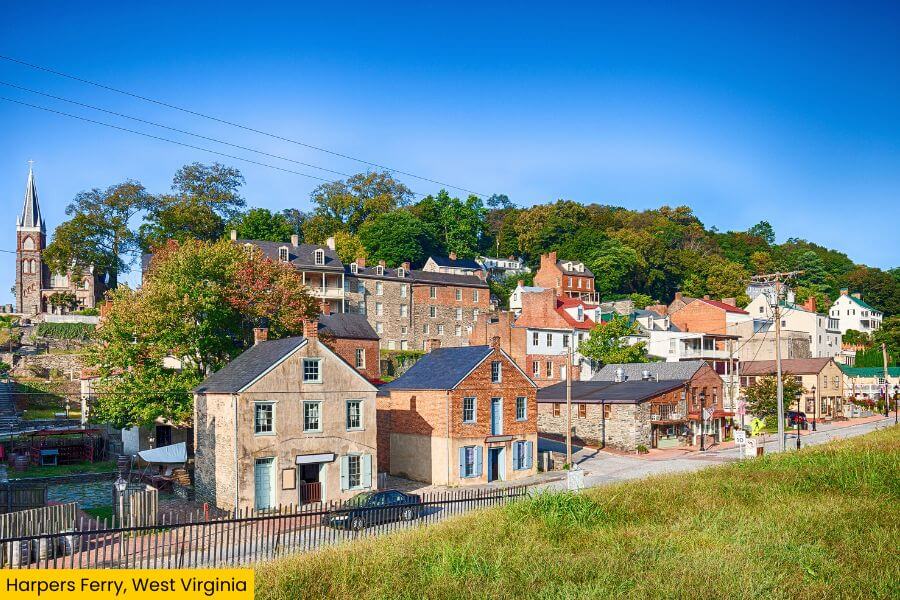
After the busy waterfronts and city streets of Baltimore, Harpers Ferry brings a completely different scene, where the Potomac and Shenandoah Rivers meet among steep hills in the eastern corner of West Virginia.
This tiny town is famous for John Brown’s 1859 raid, and you can walk through Harpers Ferry National Historical Park to see restored 19th-century buildings, museums, and the historic railroad district.
If you love outdoor adventure, hike the 4.5- to 6.5-mile Maryland Heights Trail for sweeping views over the rivers and town, or follow a section of the 184.5-mile Chesapeake & Ohio Canal Towpath.
Harpers Ferry is also where the Appalachian Trail passes through town, making it one of the most well-known stops for long-distance hikers traveling the roughly 2,190-mile route from Georgia to Maine.
3. Fallingwater, Pennsylvania
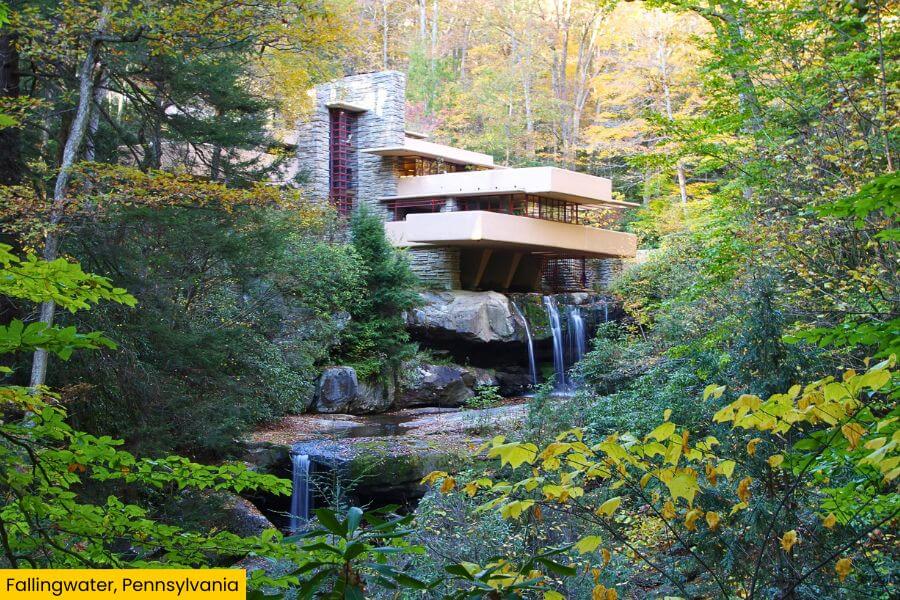
As the road winds away from Harpers Ferry’s rivers and historic streets, Fallingwater delivers one of the most remarkable architectural stops in Pennsylvania, tucked within the forests of the Laurel Highlands near Mill Run.
Designed by Frank Lloyd Wright in 1935 for the Kaufmann family, this world-famous house stretches over Bear Run on dramatic concrete terraces, with the waterfall flowing directly beneath the home.

You can tour the interior to see Wright’s original built-in furniture, massive sandstone walls, and floor-to-ceiling windows that blur the line between indoors and outdoors.
Recognized as a UNESCO World Heritage Site in 2019, Fallingwater attracts architecture fans from around the world and remains one of the most celebrated residential designs ever created in the United States.
4. Pittsburgh, Pennsylvania
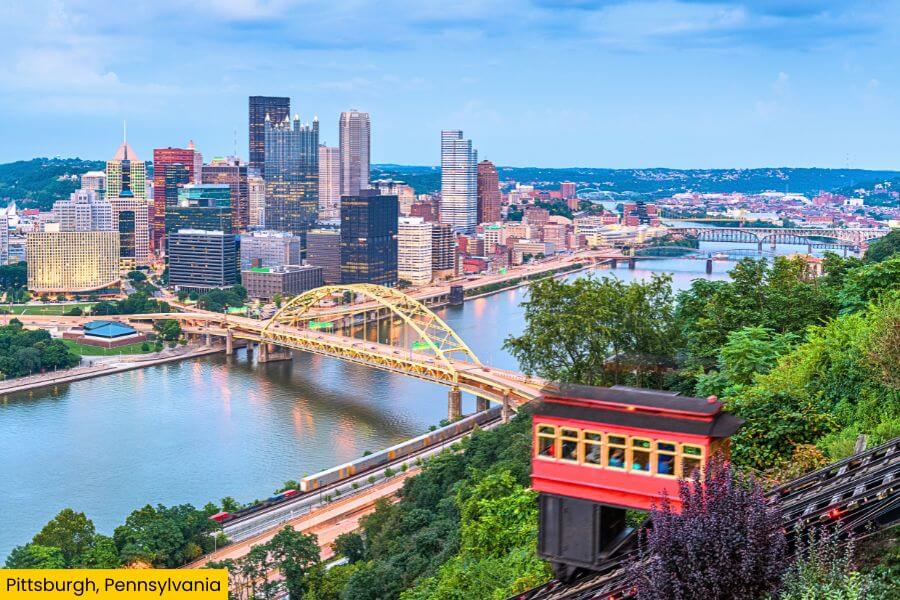
From the forested hills surrounding Fallingwater, the route continues to Pittsburgh, where the Allegheny and Monongahela Rivers join to form the Ohio River at the point of Point State Park in western Pennsylvania.
Known as the Steel City, Pittsburgh combines its industrial past with standout attractions like the Andy Warhol Museum, PNC Park, and the Carnegie Museums of Art and Natural History, home to one of the largest dinosaur collections in the country.

For the city’s most famous view, ride the historic Duquesne Incline up Mount Washington, where overlooks reveal a stunning skyline framed by three rivers and more than 440 bridges.
Pittsburgh is also packed with unique neighborhoods, from the Strip District’s food markets and Italian bakeries to Lawrenceville’s shops and restaurants, giving you plenty of reasons to linger before heading farther west.
5. Cuyahoga Valley National Park, Ohio
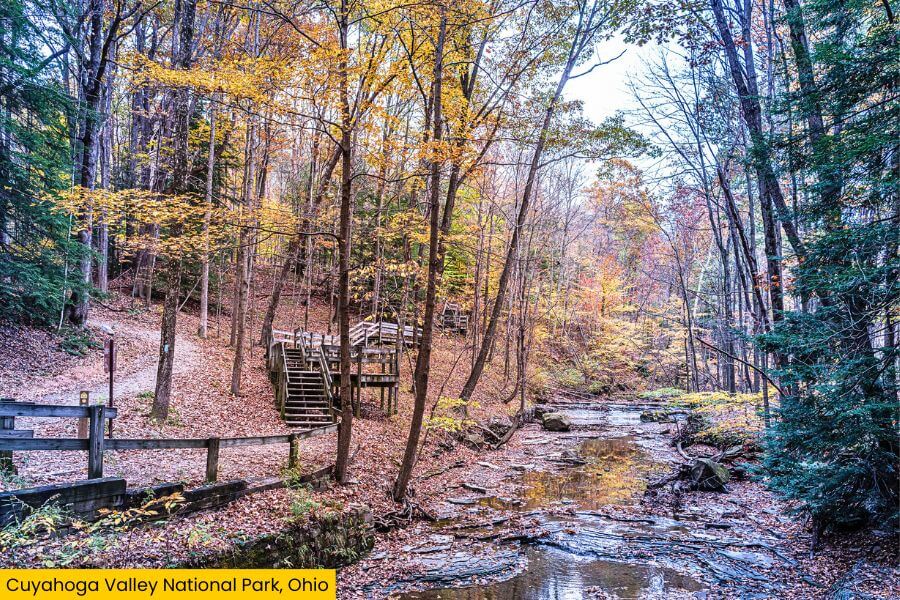
After Pittsburgh’s skyline and riverfront neighborhoods fade into the distance, Cuyahoga Valley National Park offers a refreshing change of pace with 33,000 acres of forests, wetlands, and rolling countryside between Cleveland and Akron in northeastern Ohio.
The park’s most famous sight is 60-foot Brandywine Falls, reached by a short boardwalk trail, while the 93-mile Ohio & Erie Canal Towpath Trail gives you miles of scenic walking and biking along the historic canal route.
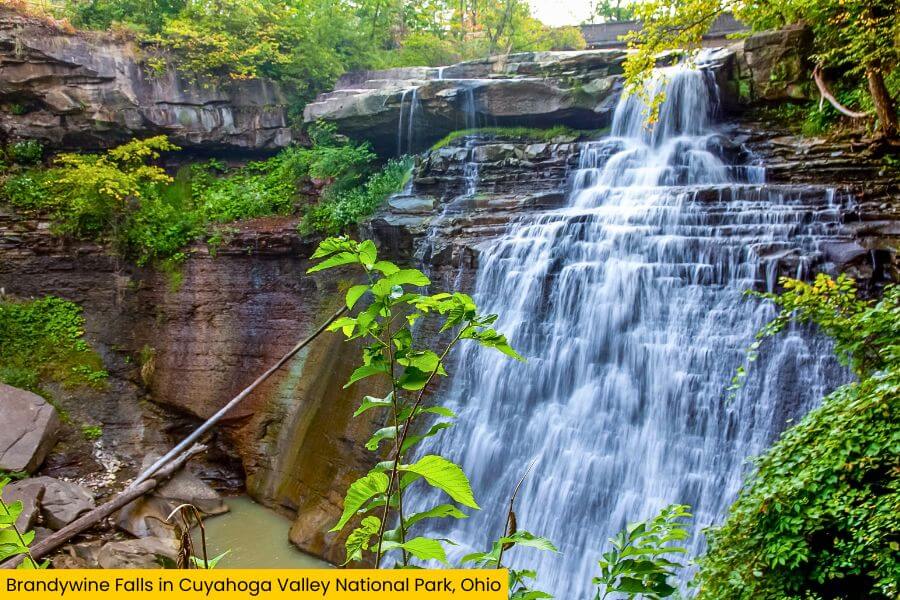
You can also ride the Cuyahoga Valley Scenic Railroad, spot great blue herons and beavers along the river, or hike trails like the 1.8-mile Ledges Trail, known for its towering sandstone formations and narrow rock passages.
As Ohio’s only national park, Cuyahoga Valley protects more than 125 miles of trails and provides a surprising stretch of nature right between two major cities, making it a memorable stop on the journey toward Chicago.
6. Cleveland, Ohio
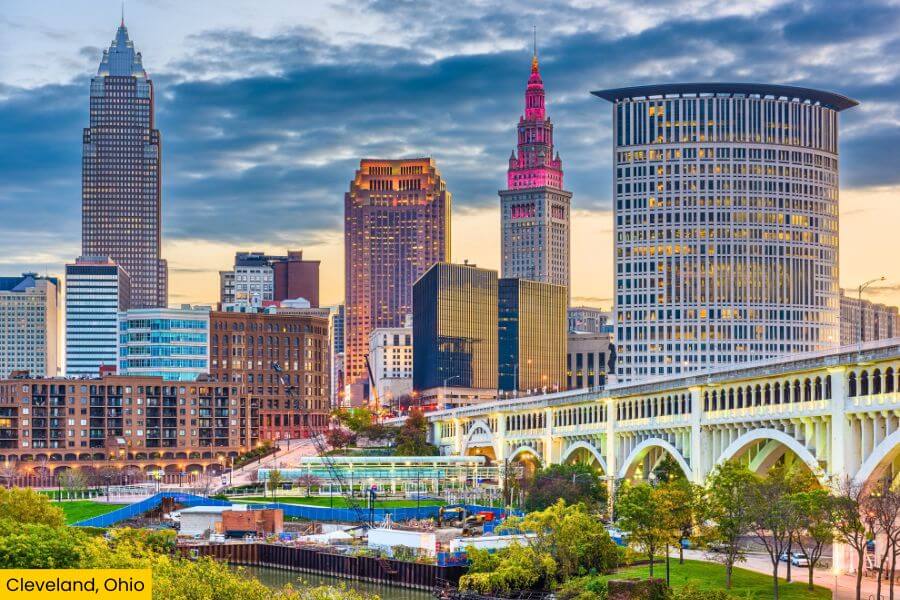
Leaving the quiet trails and waterfalls of Cuyahoga Valley behind, Cleveland welcomes you to the southern shore of Lake Erie with big-city attractions, lakefront views, and one of the most famous music museums in the country.
The city is best known for the Rock & Roll Hall of Fame, where you can explore exhibits dedicated to legendary artists, rare memorabilia, and decades of music history within its iconic glass pyramid.
You can also wander through the 183-acre Cleveland Metroparks Zoo, browse the Cleveland Museum of Art’s collection of more than 66,000 works, or catch a game at Progressive Field, home of the Cleveland Guardians.

Cleveland’s waterfront location adds even more to explore, from Edgewater Park’s sandy beach and skyline views to the historic West Side Market, which has been serving shoppers from its landmark building since 1912.
7. Marblehead Lighthouse State Park, Ohio
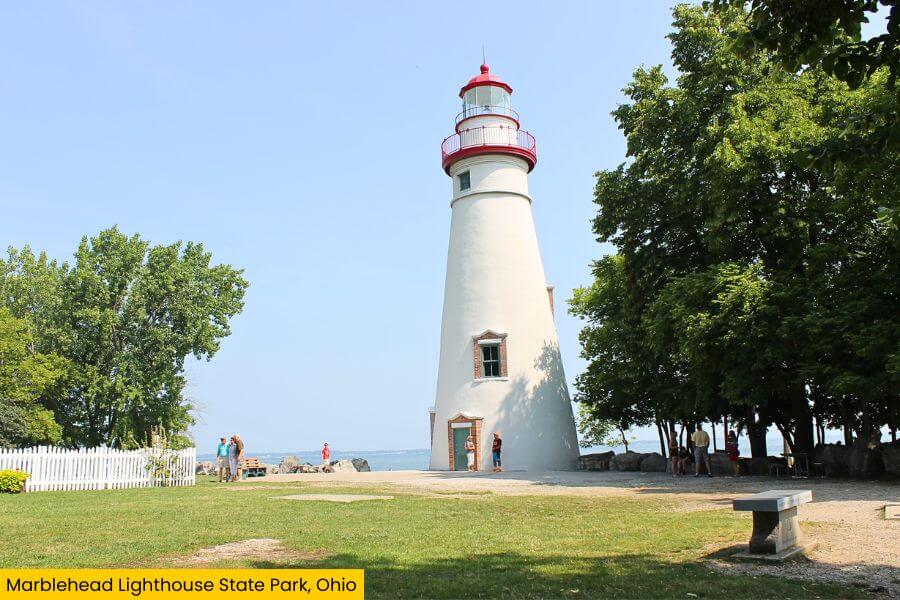
After exploring Cleveland’s museums and lakefront parks, it’s about a 1-hour and 20-minute drive to Marblehead Lighthouse State Park, where one of Ohio’s most photographed landmarks stands on a rocky point overlooking Lake Erie.
The Marblehead Lighthouse has guided ships since 1822, making it the oldest continuously operating lighthouse on the Great Lakes, and you can tour the tower during the season for sweeping views across the water.
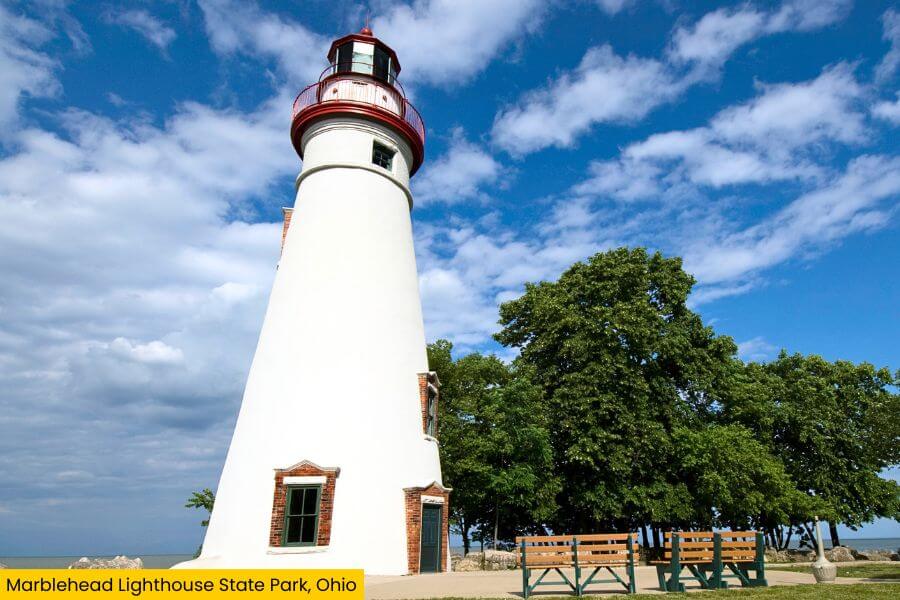
The park’s limestone shoreline is a great place to watch boats, spot nearby South Bass Island, and catch spectacular sunsets as the sky lights up over the lake.
This small park packs in plenty of history, including a restored keeper’s house museum and fascinating exhibits about the maritime heritage that helped shape Lake Erie’s coast.
8. Indiana Dunes National Park, Indiana
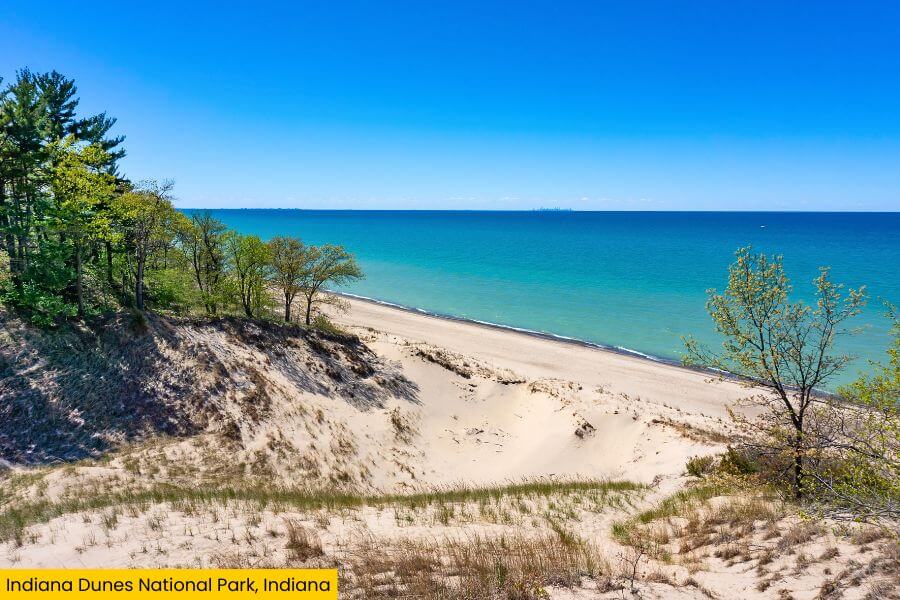
Continuing west from Marblehead’s lighthouse and rocky shoreline, Indiana Dunes National Park stretches along 15 miles of Lake Michigan’s southern coast, protecting a remarkable landscape of towering sand dunes, beaches, forests, wetlands, and prairies.
The park features more than 50 miles of trails, including the popular 0.9-mile Dune Succession Trail, where you can climb a 270-step staircase at West Beach for impressive views across the lake.
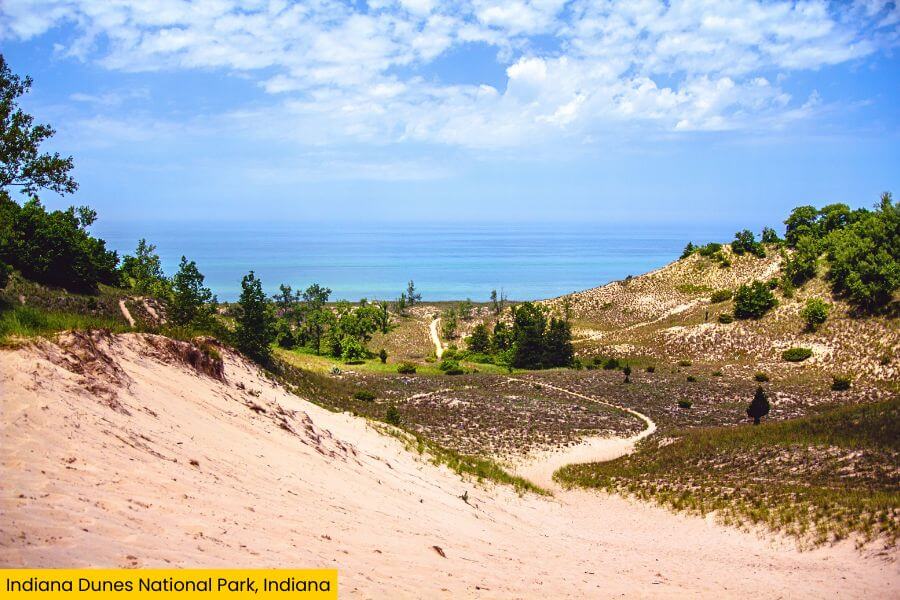
You can spend the day swimming at West Beach, searching for some of the park’s 1,100+ plant species, or hiking through habitats that support more than 350 species of birds throughout the year.
Designated as a national park in 2019, Indiana Dunes is one of the most biologically diverse areas in the Midwest and serves as an unforgettable introduction to the Great Lakes region before reaching Chicago.
9. Chicago, Illinois
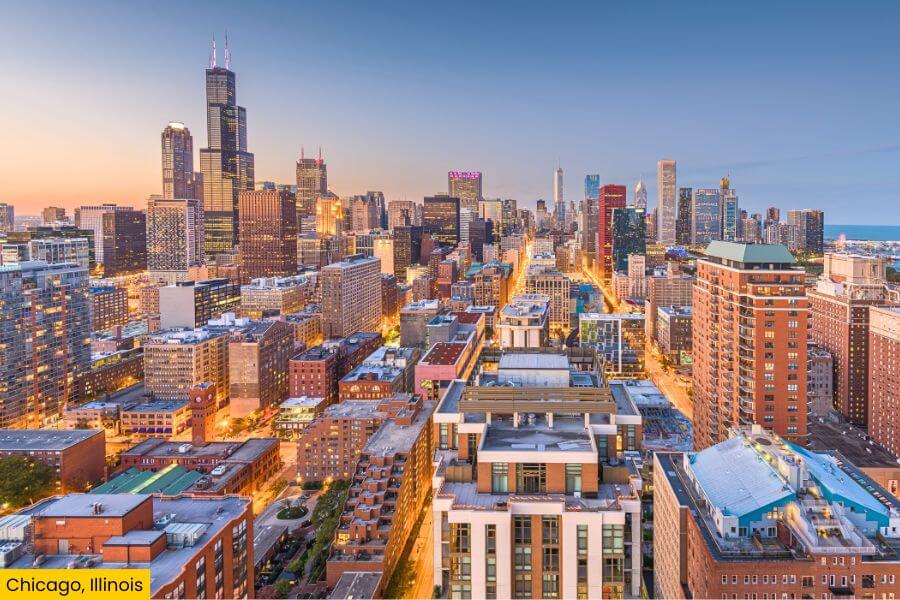
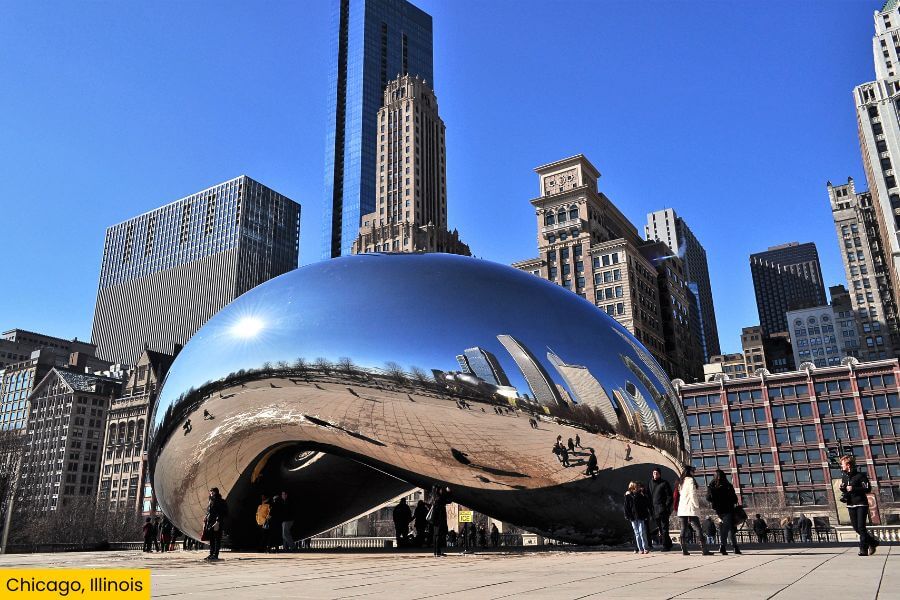
After miles of dunes, beaches, and Lake Michigan shoreline, the journey reaches its grand finale in Chicago, Illinois, a city famous for its soaring skyscrapers, world-class museums, and iconic waterfront setting on the southwestern edge of Lake Michigan.
You can snap a photo beneath Cloud Gate in Millennium Park, ride to the 103rd-floor Skydeck at Willis Tower, stroll the Chicago Riverwalk, or take an architecture cruise to see landmarks like the Wrigley Building and Tribune Tower from the water.
The city is also home to major attractions including the Art Institute of Chicago, which holds nearly 300,000 works of art, and Navy Pier, a 50-acre entertainment destination with restaurants, rides, and the nearly 200-foot-tall Centennial Wheel.
From deep-dish pizza and historic ballgames at Wrigley Field to 18.5 miles of lakefront trails and beaches, Chicago delivers an exciting finish packed with unforgettable sights, food, and experiences.
Related Posts