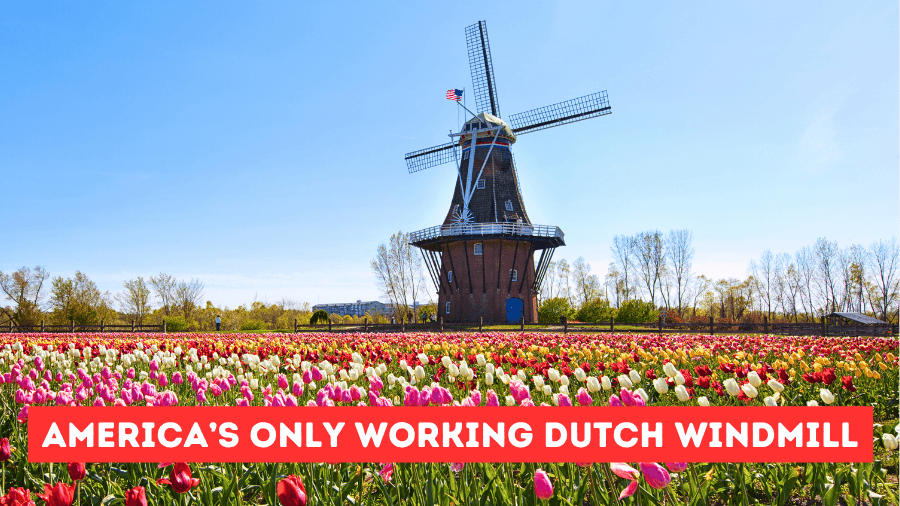
You probably don’t expect to find a real Dutch windmill turning in the Midwest.
Not a replica, not a themed attraction, but a centuries-old structure that still works exactly the way it did back in Europe.
But hidden in one corner of Michigan, there’s a place where massive wooden gears creak to life, giant blades spin in the wind, and flour is still ground the old-fashioned way.
It feels like you’ve stepped into another country without ever leaving the state.
If you’re into unique stops, old-world engineering, or just want something totally different from the usual parks and museums, this spot is worth a closer look.
And trust me, this is not your average windmill.
Where Is It?
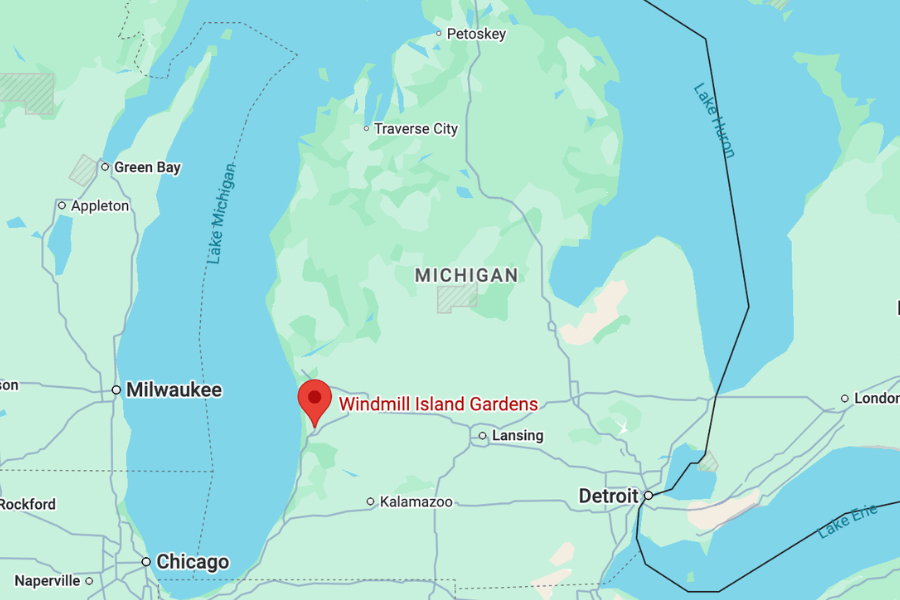
Windmill Island Gardens is located in the city of Holland on the west side of Michigan, right along the shores of Lake Macatawa.
You’ll find it about a 30-minute drive from Grand Rapids, making it an easy day trip if you’re already in the area.
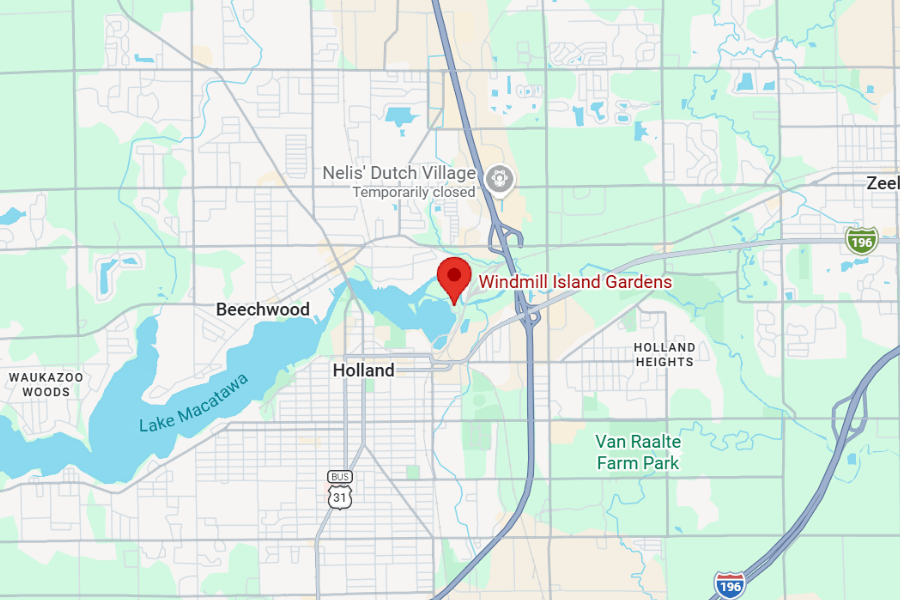
Coming from Lansing, plan for around 1 hour and 20 minutes on the road, while Detroit is roughly 2 hours and 40 minutes away.
If you’re driving in from Chicago, expect about a 2 hour and 30 minute trip, depending on traffic.
About
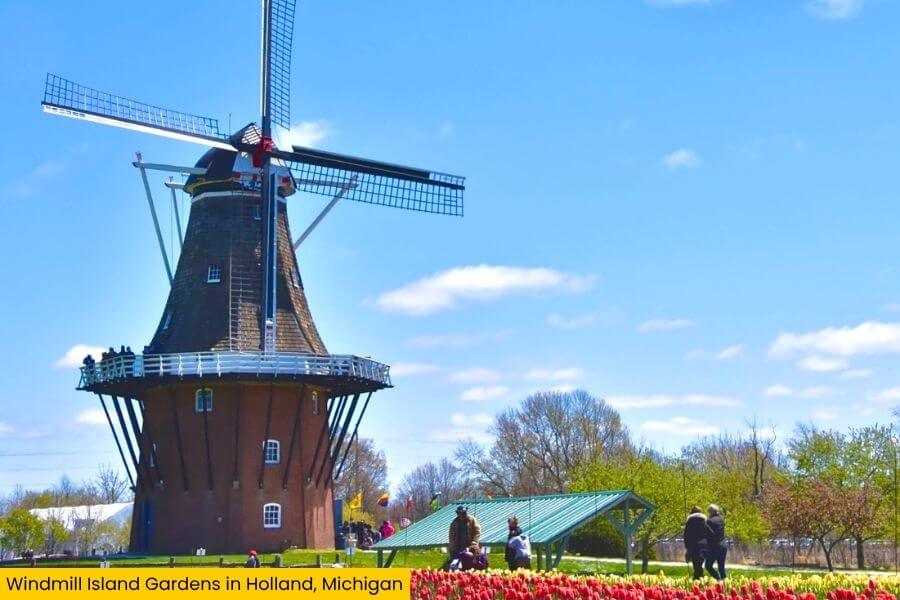
Windmill Island Gardens is a 36-acre park in Holland, Michigan, and it’s home to De Zwaan, the only authentic, working Dutch windmill in the United States.
This isn’t a replica or a lookalike, it’s the real deal, brought over from the Netherlands and still grinding wheat into flour using traditional methods.
The windmill stands 125 feet tall, and if you visit during the operating season, you can step inside and watch the massive wooden gears and millstones in action.
The park is designed to feel like a little piece of the Netherlands dropped right into West Michigan.
You’ll walk along pathways lined with canals, wooden bridges, and classic Dutch-inspired architecture that looks straight out of a European village.
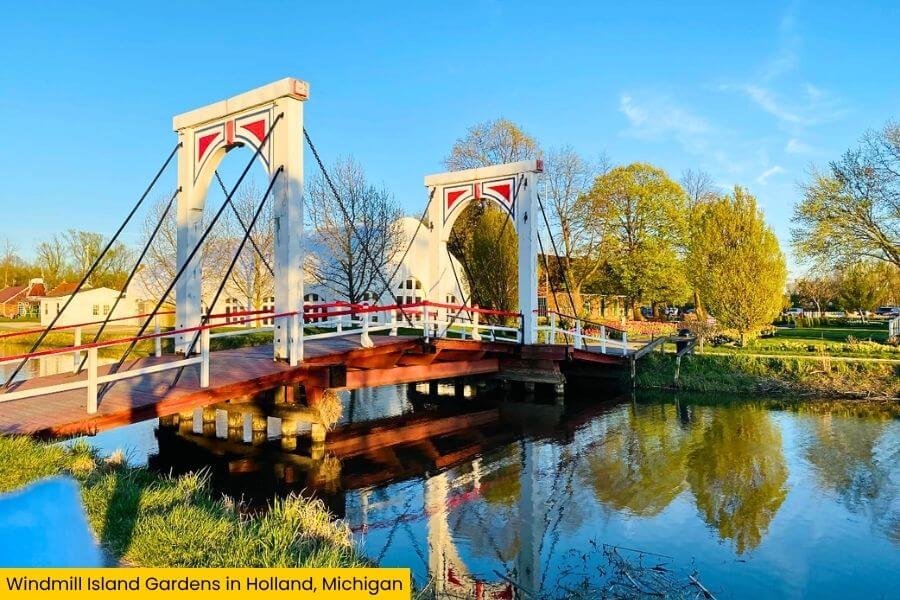
One of the biggest highlights is the seasonal tulip display, with over 180,000 tulips blooming in spring and turning the entire island into a sea of color.
You’ll also find costumed guides throughout the park who demonstrate traditional Dutch crafts like wooden shoe carving.
The klompen dancers perform lively wooden shoe dances during special events, complete with fast footwork and traditional music that’s impossible not to smile at.
If you want a closer look at the grounds, hop on the antique carousel for a fun ride, or take a slow stroll through the manicured gardens and shaded picnic spots.
There’s also a small exhibit area with displays on Dutch culture, plus a gift shop where you can grab everything from cheese to hand-painted ceramics.
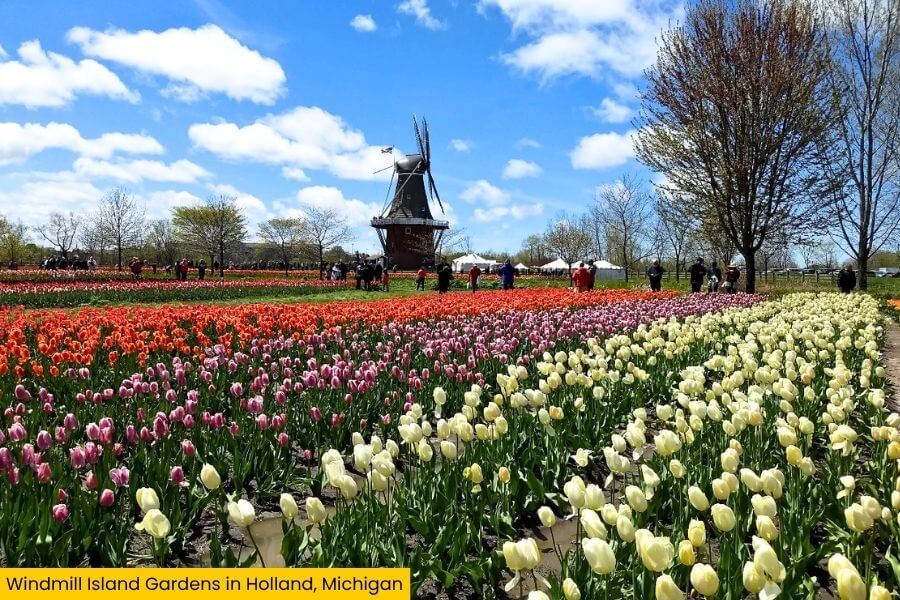
Expect a mix of hands-on experiences, photo-worthy views, and just enough cultural detail to make you feel like you’ve transported yourself to Europe.
History
Windmill Island Gardens didn’t just appear overnight, it took years of determination to bring a real Dutch windmill to Michigan.
Back in the late 1950s, the city of Holland wanted a way to celebrate its Dutch roots in a big, meaningful way, not just with festivals but with something permanent.
City leaders set their sights on finding an authentic windmill in the Netherlands, which turned out to be no small task since the Dutch government rarely allows historic windmills to leave the country.

After a long search, they found De Zwaan, a windmill built in 1761 that had been moved and rebuilt within the Netherlands.
By that point, it was no longer in regular commercial use, which made it a rare candidate for relocation.
In 1964, the Netherlands granted special permission for De Zwaan to be sold and shipped to the United States, making it the last windmill ever allowed to leave the country.
The entire structure was carefully dismantled piece by piece, transported across the Atlantic, and then reassembled in Holland, Michigan, using many of the original materials.
The park itself was developed around the windmill to create a setting that reflects traditional Dutch landscapes and architecture.

Over time, gardens, canals, and cultural exhibits were added to turn the space into more than just a single attraction.
Today, the windmill continues to operate using wind power, just as it did centuries ago, connecting modern-day visitors to a very real piece of Dutch engineering and craftsmanship that has been in motion for over 250 years.
Know Before You Go
Timing your visit is important since Windmill Island Gardens is a seasonal attraction that typically opens from mid-April through early October.
The park is usually open daily from 9:30 AM to 5:00 PM during peak season, with hours that can vary by season, so it’s worth double-checking before you go.

If you want to see the famous tulips, aim for late April through early May during the Tulip Time Festival, when more than 180,000 tulips are in full bloom.
That said, this is also the busiest time of year, so expect crowds and plan to arrive early in the day for easier parking and shorter lines.
Admission is ticketed, with adults paying $13 and kids $6, while children ages 2 and under get in free.
Prices can shift slightly year to year and during special events, so it’s smart to check the official website before heading out.
Climbing inside De Zwaan is one of the top experiences, but tours to the upper levels are only available at certain times and can fill up quickly.
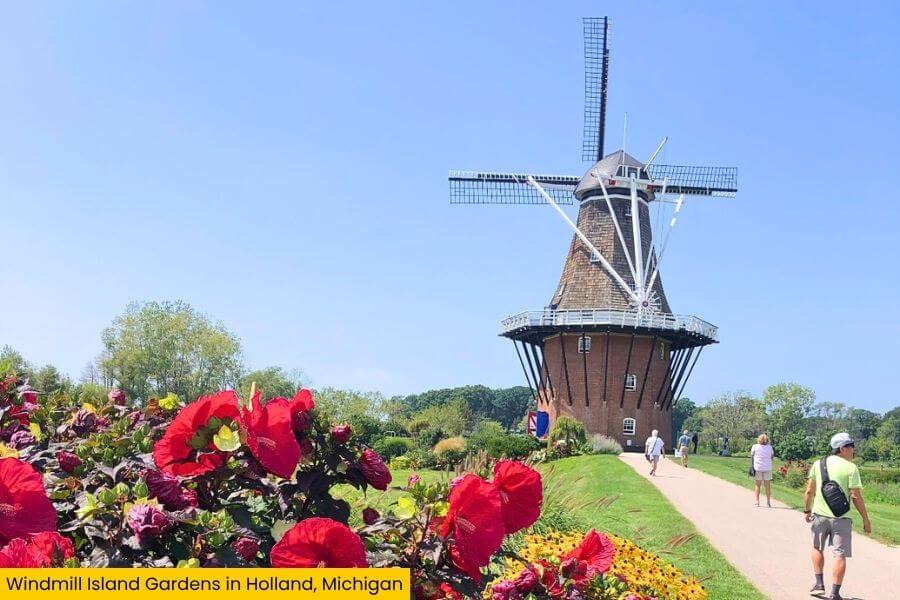
Wear comfortable shoes since you’ll be walking across 36 acres of paths, bridges, and gardens, and bring a camera because just about every corner is photo-worthy.
Parking is free and located right near the entrance, which makes things easy when you arrive.
Plan to spend at least 1.5 to 2 hours here if you want to see the windmill, wander the gardens, and catch a demonstration or two without rushing.
Related Posts