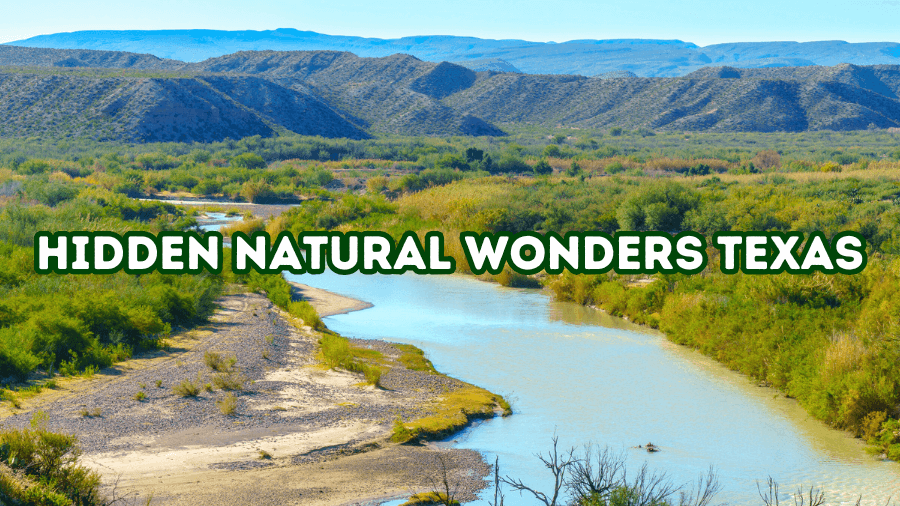
Imagine standing in front of a giant canyon wall covered in paintings that were made thousands of years ago.
Not hundreds. Thousands.
These aren’t just old doodles either.
They’re bold, detailed, and full of mystery, with shapes and symbols no one fully understands.
And the wildest part? They’re still right there, out in the open, in the middle of the Texas desert.
You won’t find big crowds here. Just quiet trails, wide skies, and ancient stories painted on stone.
If you’ve ever wanted to see real rock art made by people who lived before the pyramids were built, this Texas park needs to be on your list.
Let’s break down where it is, what it’s all about, and exactly what you can do when you visit.
Where Is It?
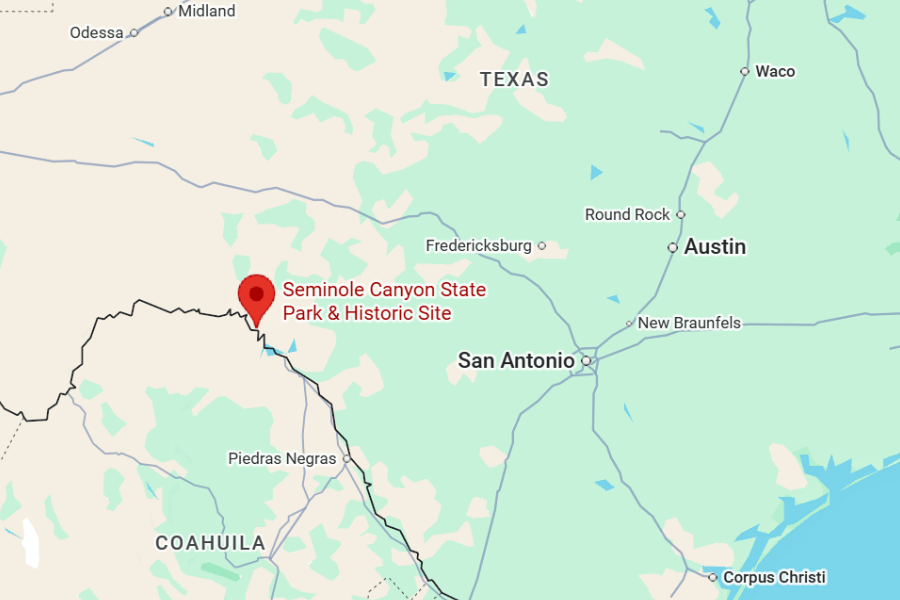
Seminole Canyon State Park is located in West Texas, just a few miles from the Rio Grande and the Mexican border.
It’s located off U.S. Highway 90, about 10 minutes from Comstock and 45 minutes from Del Rio.
If you’re coming from San Antonio, it’s around a 3-hour drive.
From Austin, plan on about 4.5 hours. And if you’re road-tripping from El Paso, you’re looking at roughly a 5-hour and 40-minute haul.
It’s remote, but totally worth the trip.
About
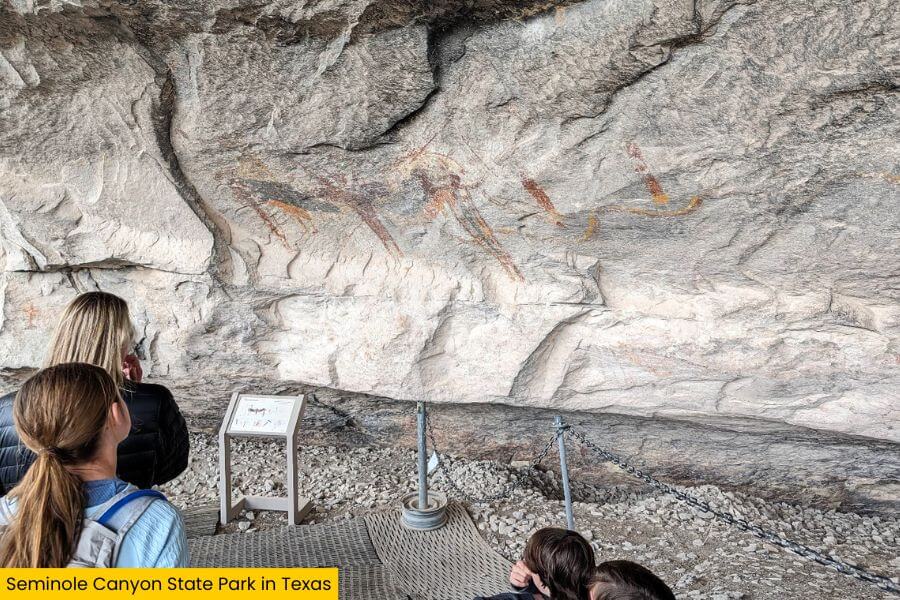
Seminole Canyon State Park is home to some of the oldest rock art in North America, with cave paintings that date back more than 4,000 years.
Yep, four. thousand. years.
This place is all about the history, the views, and the wide open West Texas skies.
It sits right where Seminole Canyon cuts through rugged limestone, eventually winding its way down to the Rio Grande.
What makes this park truly one-of-a-kind is the rock art created by the region’s earliest inhabitants.
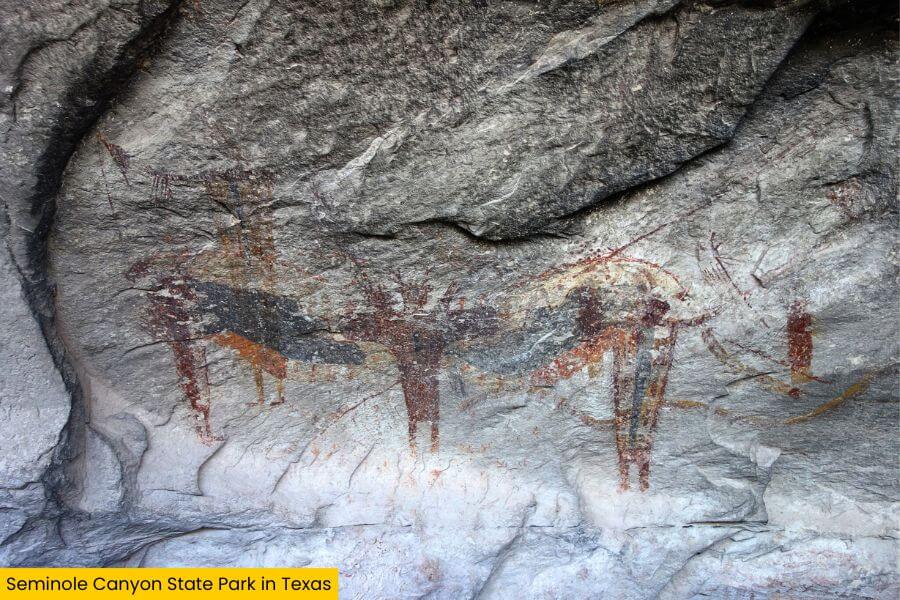
These ancient paintings, called pictographs, are located inside the Fate Bell Shelter and a few other nearby caves.
They were painted by hunter-gatherers long before recorded history, using natural pigments made from minerals, plants, and even animal fat.
Some of the pictograph panels are large with figures that include animals, human-like shapes, and mysterious symbols that no one has fully decoded.
The style is known as Lower Pecos River Style rock art, and it’s totally unique to this part of the world.
Visiting the park feels like stepping into a prehistoric art gallery hidden inside a desert canyon.

You won’t just see a few faded lines on the wall either.
These paintings are bold, detailed, and surprisingly well-preserved, considering they’ve been out here for thousands of years.
The park also has a small but fascinating visitor center that helps explain the meaning behind the art, how it was made, and who might’ve painted it.
If you’re into ancient history, desert landscapes, or just seeing something that makes your jaw drop, this place needs to be on your list.
Things To Do

Once you’ve soaked up the ancient art, there’s still plenty more to explore at Seminole Canyon State Park.
Let’s talk hiking first.
The park has around 10 miles of trails, and the views are seriously underrated.
The most popular hike is the Canyon Rim Trail, a 4.9-mile trail that takes you along the edge of Seminole Canyon with sweeping views down into the gorge.
There’s hardly any shade, so bring water and a hat, but the payoff is huge.
You’ll see dramatic cliffs, desert plants, and maybe even a roadrunner or two.
If you’re short on time, check out the Windmill Nature Trail.
It’s only half a mile and perfect for a quick stroll with cool info signs about local plants and wildlife.

For something in between, the Rio Grande Trail is a 4.6-mile roundtrip route that leads to a bluff overlooking the river.
The views of the Rio Grande and the Mexico border are pretty epic, especially at sunset.
Want to see the famous rock art up close? You’ll need to join a guided tour.
The Fate Bell Shelter Tour runs most days (except Mondays and Tuesdays) and lasts about 90 minutes.

A park ranger will lead you down into the canyon to see the pictographs in person. You can’t visit this area without a guide, so definitely plan ahead.
If you’re into biking, good news: the park’s trails are open to mountain bikes too. Just be ready for rocky paths and some steep stretches.
It’s not beginner-level, but it’s a fun challenge if you’re looking to ride in the desert.
Camping here is pretty chill.
There are 23 campsites with water and electricity, plus 8 water-only sites and 15 primitive drive-up sites if you want more peace and quiet.
You’ll get starry skies, desert silence, and maybe the sound of coyotes in the distance.
There’s also some cool wildlife watching to be had. Think jackrabbits, javelinas, and tons of birds. If you’re lucky, you might even spot a bobcat in the early morning.
Whether you’re hiking, camping, biking, or just kicking back with a canyon view, this park has way more to do than most people expect.
Know Before You Go
Seminole Canyon is open year-round, but the best time to visit is fall through spring.
From October to April, the temps are way more manageable, especially if you’re planning to hike.
Summer can get brutally hot, with daytime highs easily soaring past 100°F. Not exactly ideal canyon weather.
The park’s visitor center is typically open from 8:15 AM to 4:15 PM, which is definitely worth a stop before you hit the trails.
Entry costs just $4 per person for anyone 13 and up. Kids 12 and under get in free.
If you want to take the Fate Bell Shelter tour to see the rock art, there’s an extra fee of $8 per adult and $5 for kids ages 5 to 12.
Tours usually run Wednesday through Sunday, but the schedule can change depending on weather and staff availability.
You need to make a reservation beforehand so check the Texas Parks and Wildlife website before you go.
There’s no food or gas available at the park, and the nearest town (Comstock) is tiny.
Del Rio is your best bet for groceries, fuel, or last-minute supplies, so stock up before you arrive.
Also, cell service out here is spotty at best. Download maps ahead of time and bring a printed park map if you can.
Pets are allowed in the park, but not on guided tours or in the shelters. If you’re bringing your dog, stick to the open trails.
And don’t forget sunscreen, water, and sturdy shoes. The desert can be sneaky, even in cooler months.
With a little planning, this place makes for an unforgettable adventure into Texas history and wild canyon beauty.
Related Posts