Virginia has plenty of famous historic sites, but some of its strangest stories are hiding in places that nearly disappeared from the map.
Across the state, you can find abandoned mining communities, crumbling industrial towns, and forgotten settlements slowly being reclaimed by forests, sand, and time.
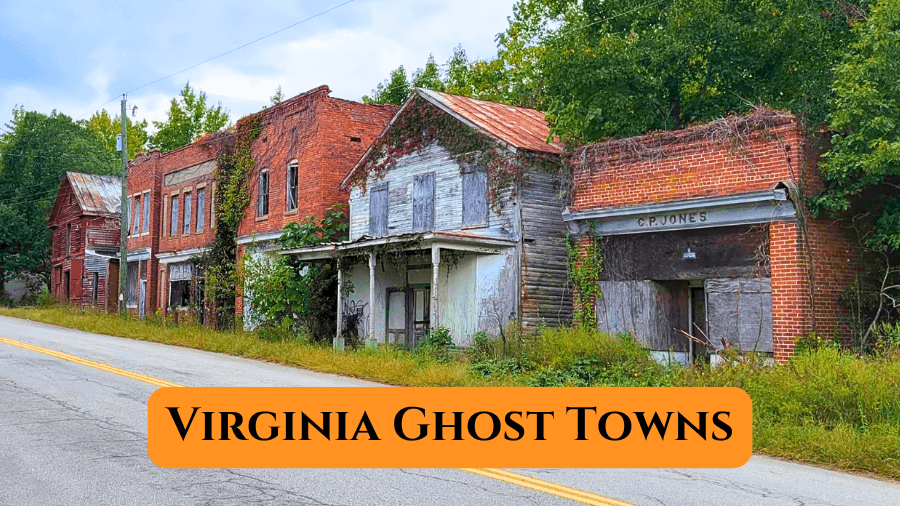
Some still have empty storefronts and old foundations, while others send you into the woods to find cemeteries, ruins, and traces of the people who once lived there.
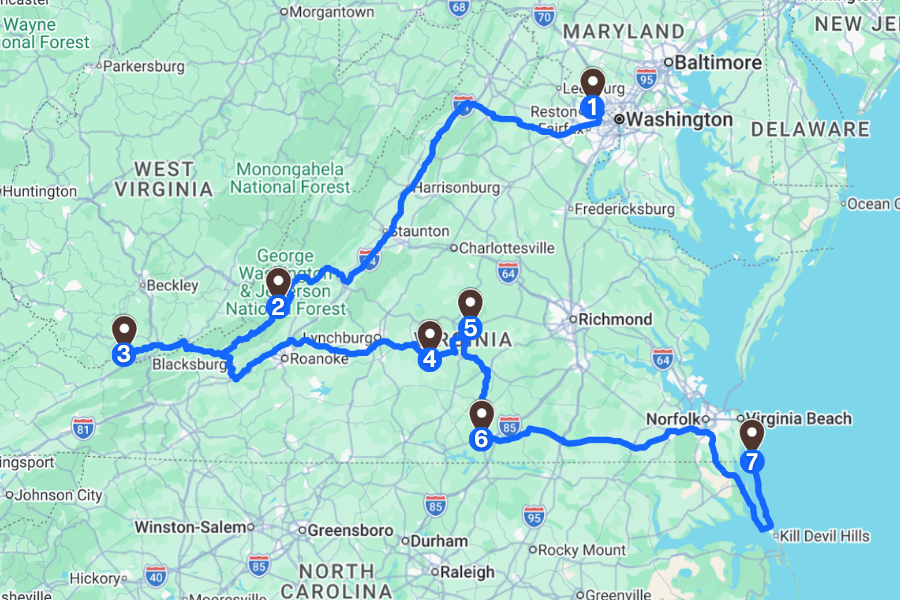
If abandoned buildings, forgotten history, and seriously creepy places get your attention, these seven Virginia ghost towns belong on your road trip list.
1. Matildaville
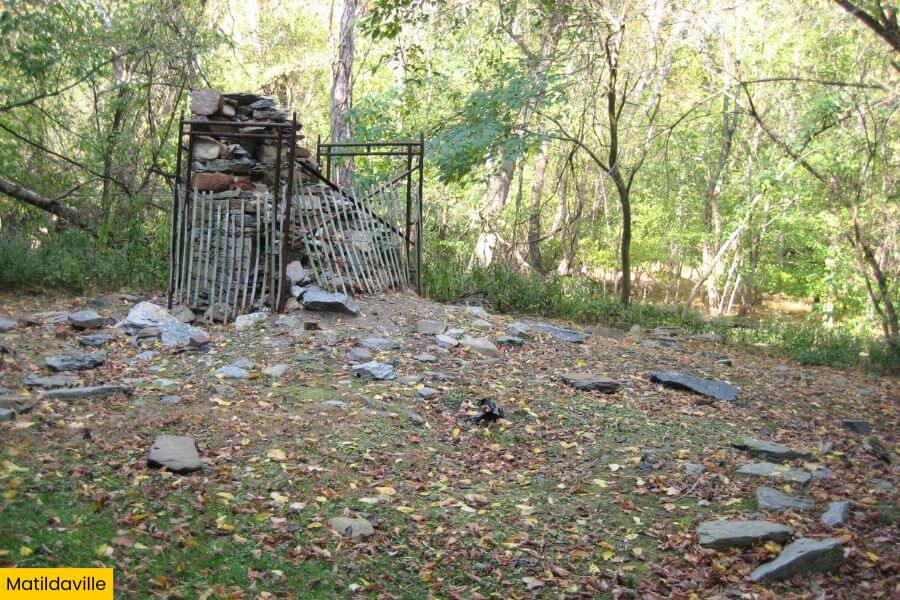
Hidden inside Great Falls Park in McLean, Matildaville is the remains of a town founded in the late 1700s as the Patowmack Company’s headquarters.
The settlement housed canal workers and included homes, a market, a sawmill, an inn, and a gristmill, but it began fading after the company went bankrupt in 1828.
Today, you can follow wooded paths through the area and find only stone foundations, brick fragments, and ruins slowly being swallowed by the forest.
Fun fact: Its unique name comes from Matilda Lee, the first wife of Revolutionary War hero Henry “Light-Horse Harry” Lee, who founded the town.
2. Lignite
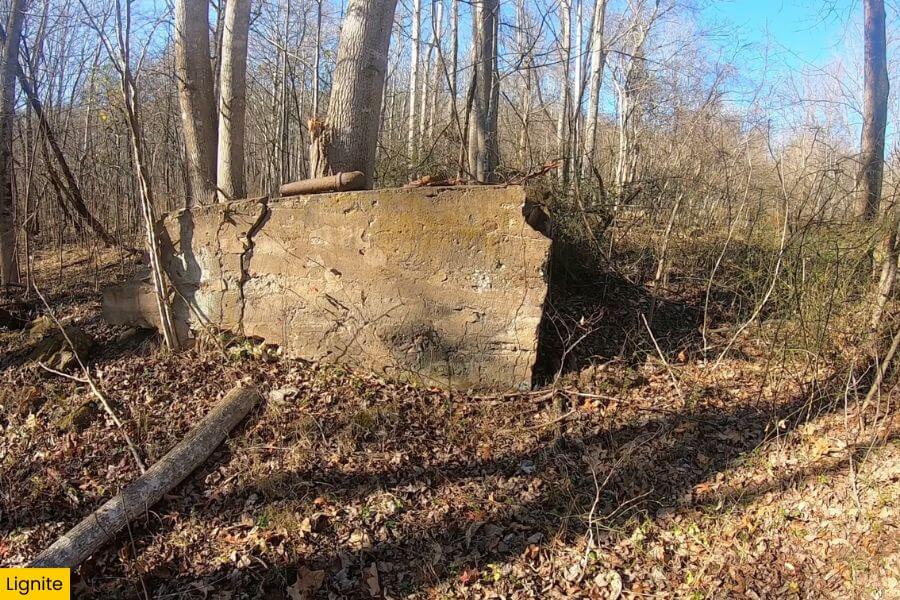
Next up, Lignite takes the creepy factor up a notch, with an abandoned industrial site hidden in the forests of Botetourt County near the small community of Oriskany.
It grew around mining operations that pulled lignite, a soft brown coal, and became a small community with homes, churches, a school, a post office, and even a theater.
When demand dropped, the company abandoned the town in the 1920s, and today, only a few scattered remains survive within Jefferson National Forest.
With thick trees now covering what once kept this place busy, the area feels especially forgotten and offers a fascinating glimpse into Virginia’s mining past.
3. Pocahontas
From Lignite, make your way to Pocahontas, a former coal boomtown in Tazewell County that dates back to 1881 as Virginia’s first company mining town.
Things really took off when Pocahontas Mine No. 1 opened in 1882, tapping a huge seam of high-quality coal that brought decades of prosperity to the region.
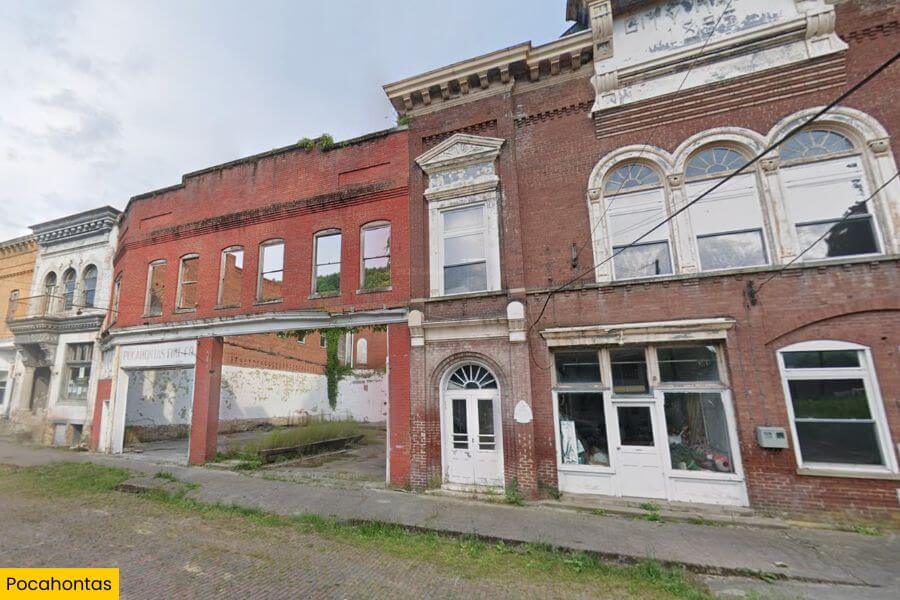
When operations ended in 1955, the town began a long decline, but today, workers’ houses, decorated storefronts, and other historic structures preserve its past.
And even with 256 people still calling this place home, the empty buildings give this tiny community a haunting edge that fits perfectly on a ghost-town road trip.
4. Pamplin City
After exploring Virginia’s coal country, Pamplin City trades mine tunnels for the quiet streets of a once-busy railroad town that housed America’s largest clay-pipe factory.
Located along the Appomattox and Prince Edward county line, this community once bustled with hotels, banks, stores, a flour mill, and a tobacco warehouse.
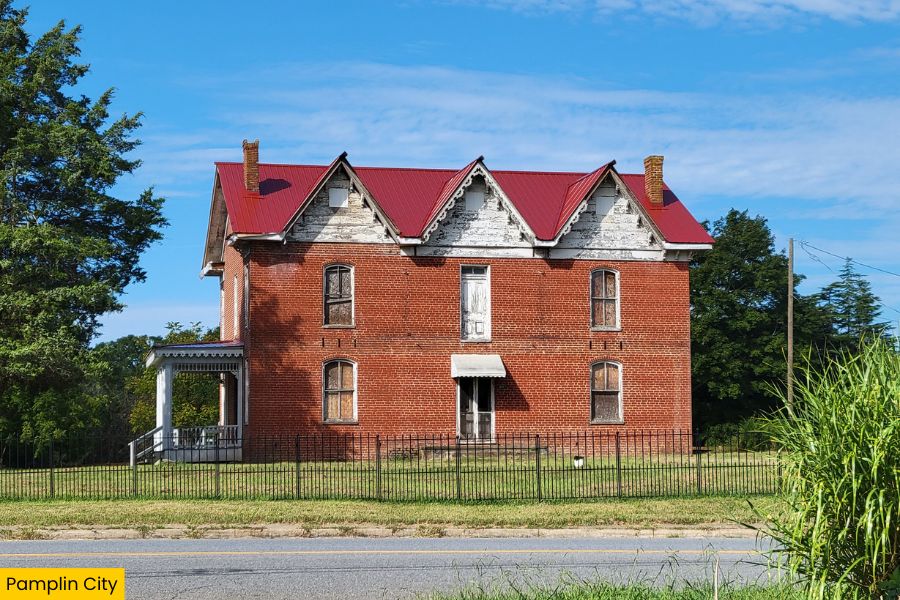
You can still see old storefronts, weathered houses, railroad-era structures, and the former pipe factory today, reminders of a downtown that once buzzed with workers.
And while a couple of people still live here, the small population and faded commercial district make walking through the area feel like stepping into the past.
5. Ca Ira
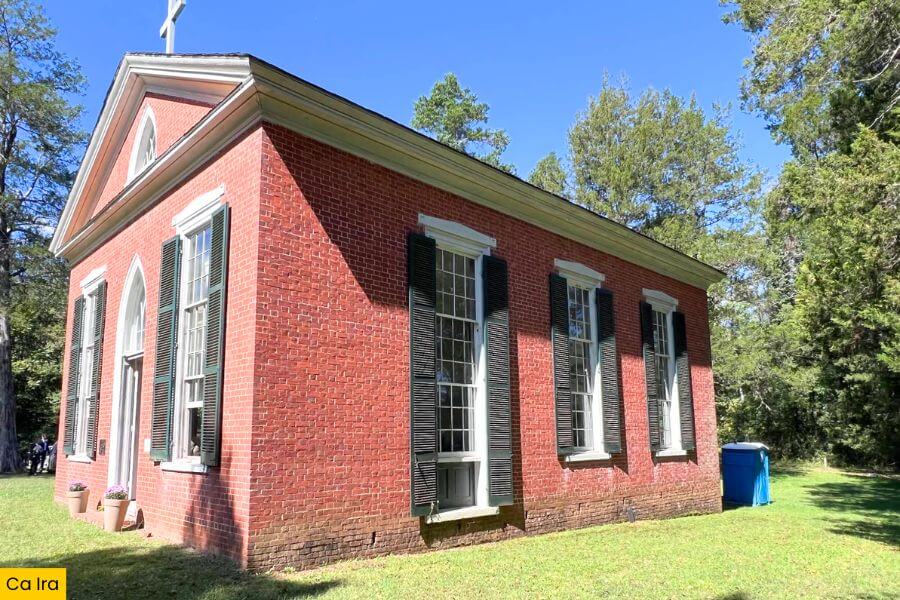
In Cumberland County, you’ll find Ca Ira, a vanished riverside community where little remains today except historic Grace Church and traces of its once-busy past.
Founded in the late 1700s, the village took its unusual name from “Ça Ira,” a popular song of the French Revolution meaning roughly “it will go” or “it will be fine.”
In its boom years, it had homes, stores, taverns, a mill, and a tobacco warehouse, but the years after the Civil War brought a quick decline that left most of it deserted.
You will not find a polished tourist attraction here, which makes wandering around feel like uncovering a piece of Virginia history that time nearly erased.
6. Union Level
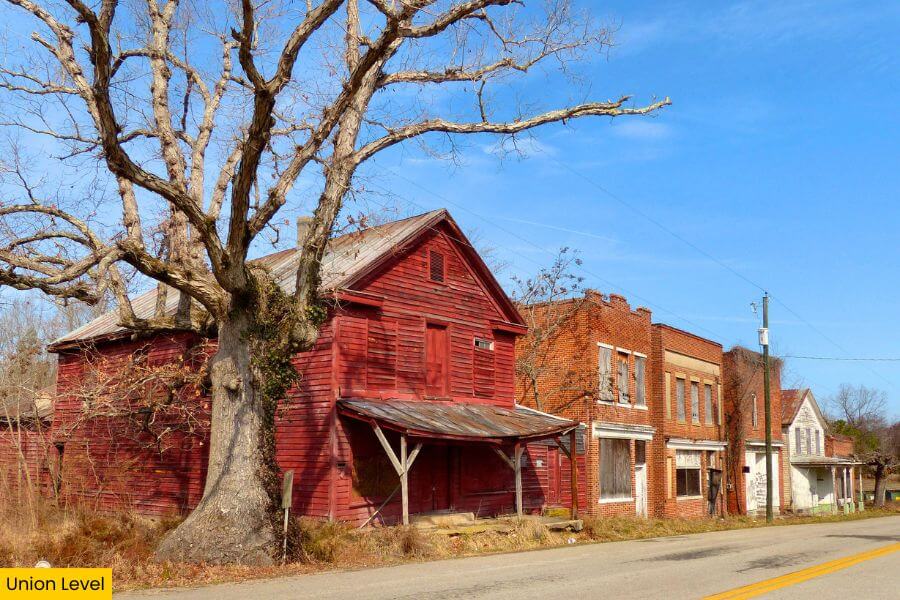
Leaving Ca Ira behind, Union Level in Mecklenburg County feels even stranger, with abandoned brick storefronts that look like pieces of a forgotten downtown.
It began in the early 1800s and later grew around the railroad, with shops, a bank, a pharmacy, a boarding house, and other businesses filling its main street.
When the Great Depression hit in the 1930s, many commercial buildings closed, and the town continued to fade as train service and the post office later disappeared.
You can still drive through the community today, so slow down and imagine what these quiet streets must have been like during their busiest years.
7. Wash Woods
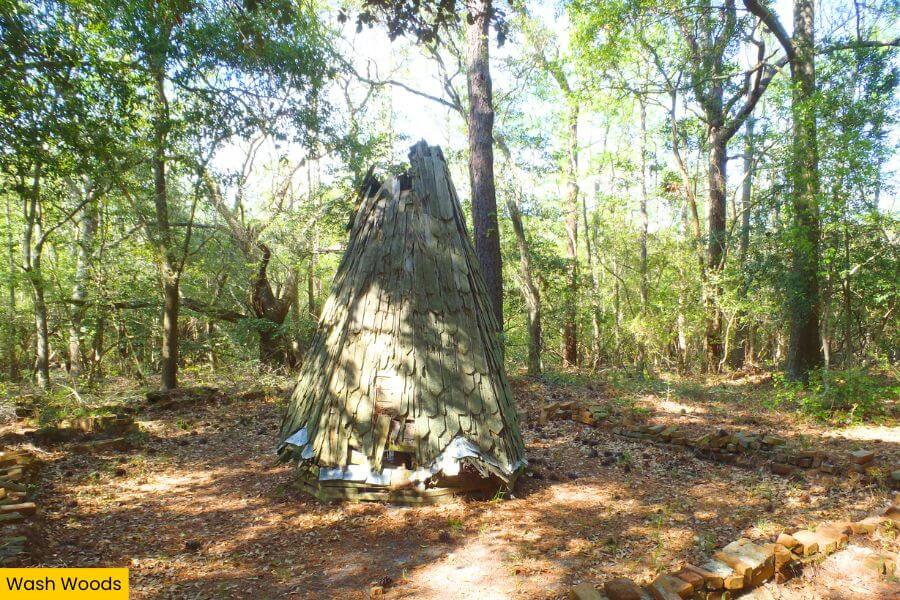
For the final stop, head over to Wash Woods, a vanished community hidden deep inside False Cape State Park in Virginia Beach.
Hundreds of people once called this isolated community home, with churches, a school, life-saving stations, and families who relied on fishing, farming, and hunting.
That way of life began to disappear as storms and flooding gradually pushed people away during the 1920s and 1930s, leaving nature to reclaim the village.
Today, you can hike or bike through False Cape to see the Wash Woods Cemetery and a church steeple, both offering a glimpse into the area’s long-forgotten past.
Related Posts