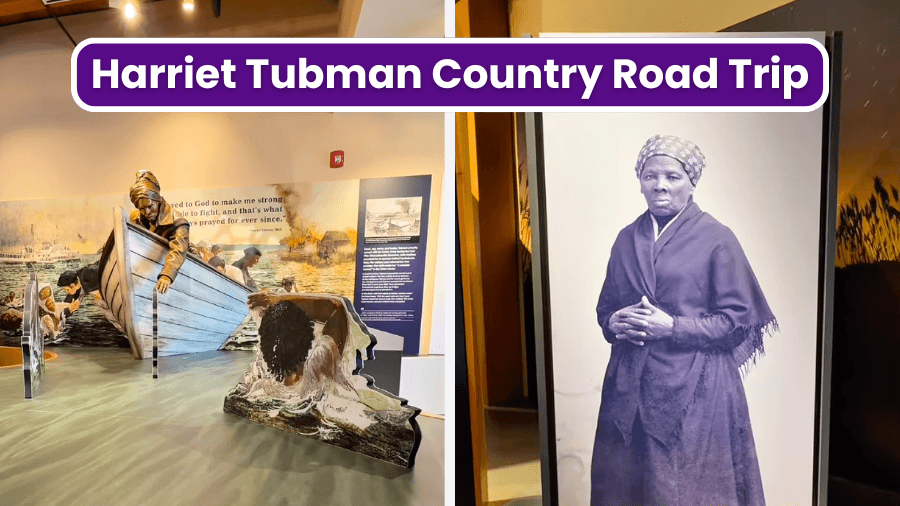
Get ready for a road trip that takes you through the landscapes where one of America’s greatest heroes changed history.
Harriet Tubman Country on Maryland’s Eastern Shore is filled with powerful landmarks, hidden stories, and places that bring Tubman’s incredible journey to life.
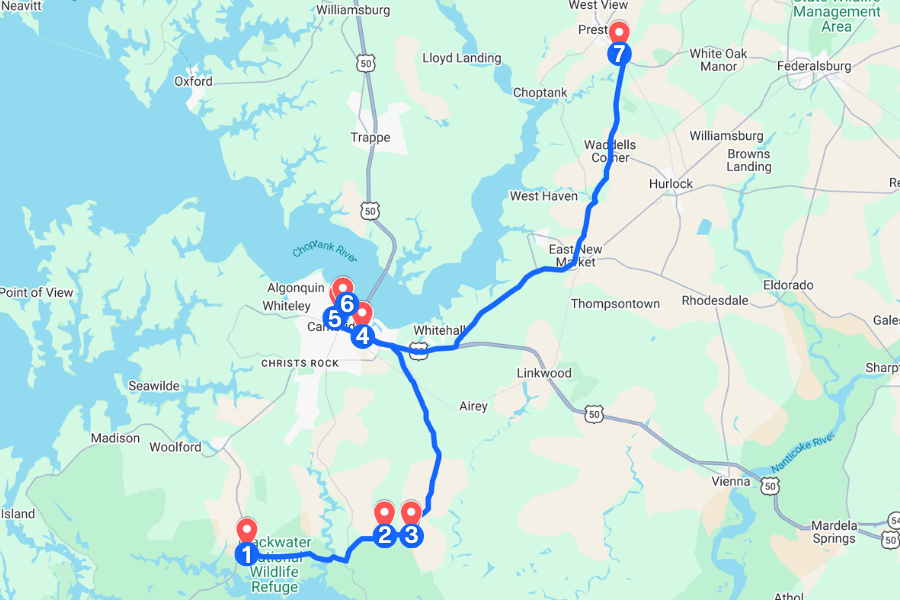
Along the way, you’ll discover fascinating history, meaningful memorials, scenic back roads, and unforgettable places that will stay with you long after the trip ends.
Whether you love American history or simply enjoy exploring places with powerful stories, this road trip takes you through the places and events that shaped Tubman’s inspiring legacy.
1. Harriet Tubman Underground Railroad State Park
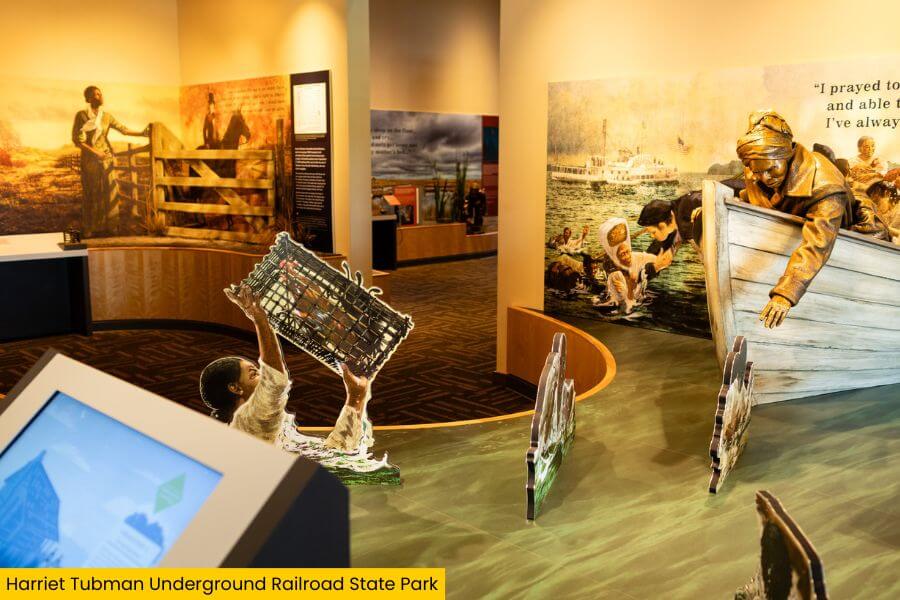
Harriet Tubman Underground Railroad State Park sits beside Blackwater National Wildlife Refuge near Church Creek, where the landscapes that shaped Tubman’s life remain.
At the visitor center, you’ll find exhibits and a short film that highlight her early years on Maryland’s Eastern Shore and the Underground Railroad resistance movement.
Outside, you can follow a walking path, read interpretive signs, and explore the fields and waterways that Tubman once crossed as she led about seventy enslaved people to freedom.
Together, they make this park an unforgettable place to learn about the courage, resistance, sacrifice, and determination behind the fight for freedom.
2. Brodess Farm (Site of Harriet Tubman’s Childhood Home)
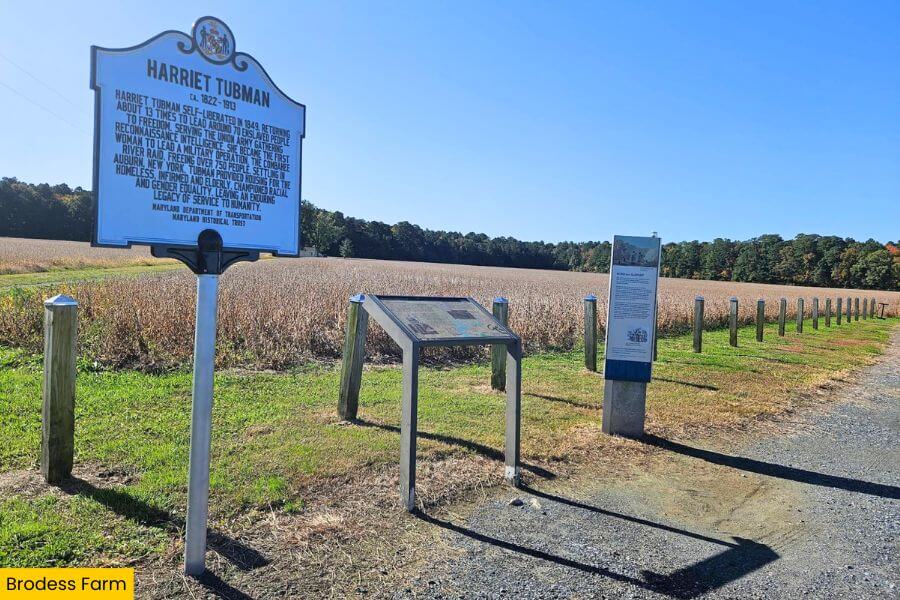
Next, drive 10 minutes to Brodess Farm, where Harriet Tubman spent much of her childhood after her family was moved there around 1823 or 1824.
Although the original buildings no longer stand, this historic landscape marks the former plantation of Edward Brodess, where Tubman endured forced labor and harsh treatment.
Standing here makes it easier to picture the fields, woods, and surrounding countryside that shaped her strength, survival skills, and deep knowledge of the area.
Be sure to stop and read the historic marker and interpretive signs, which share more about the importance of this place.
3. Bucktown General Store
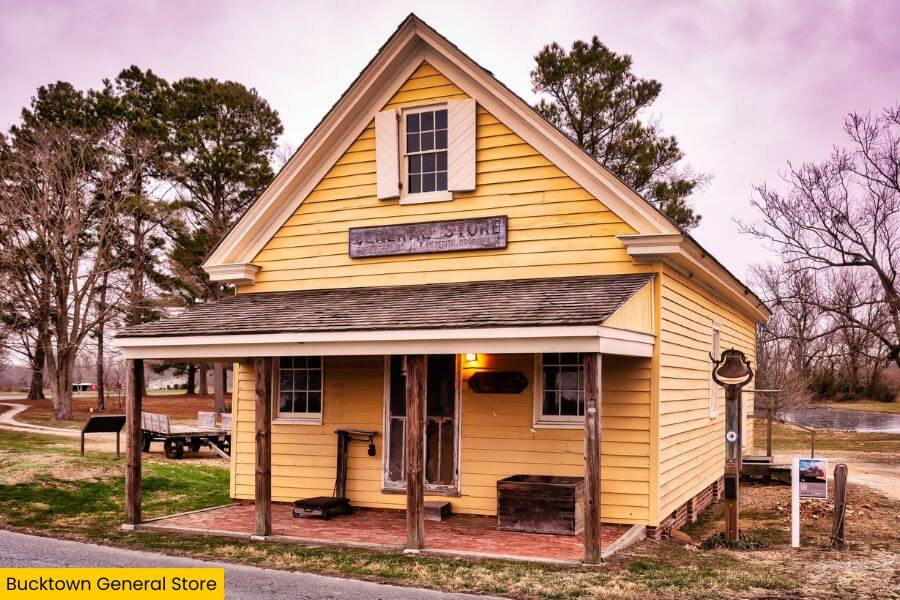
Continue to Bucktown General Store, an authentic 19th-century country store where Harriet Tubman’s remarkable story took an unforgettable turn.
In 1834, Tubman came to the store with the farm’s cook when an overseer chasing an enslaved man ordered her to help restrain him.
She refused, and when the man ran, the overseer threw a two-pound iron weight that struck Tubman in the head instead, leaving her with injuries she carried for the rest of her life.
Today, the small building still stands, and inside you’ll find historic displays as knowledgeable guides share the story and lasting impact of that traumatic day.
4. Harriet Tubman Memorial Garden
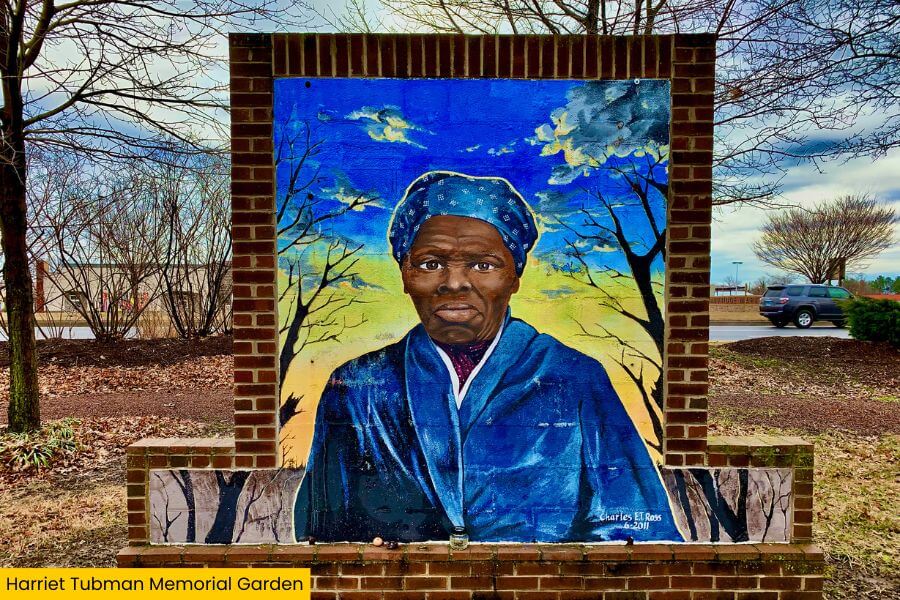
From Bucktown, it’s just a 15-minute drive to the Harriet Tubman Memorial Garden, a peaceful space that honors one of America’s greatest freedom fighters.
It features tall trees, shaded walking paths, informational boards, and thoughtful tributes that reflect how Tubman’s story continues to inspire art, music, and more.
You’ll also find murals painted by her relative, Charles Ross, adding a deeper, more personal touch to this special place.
Make sure to take a few minutes to admire the artwork and appreciate how Cambridge continues to preserve Tubman’s legacy for future generations.
5. Harriet Tubman Museum & Educational Center
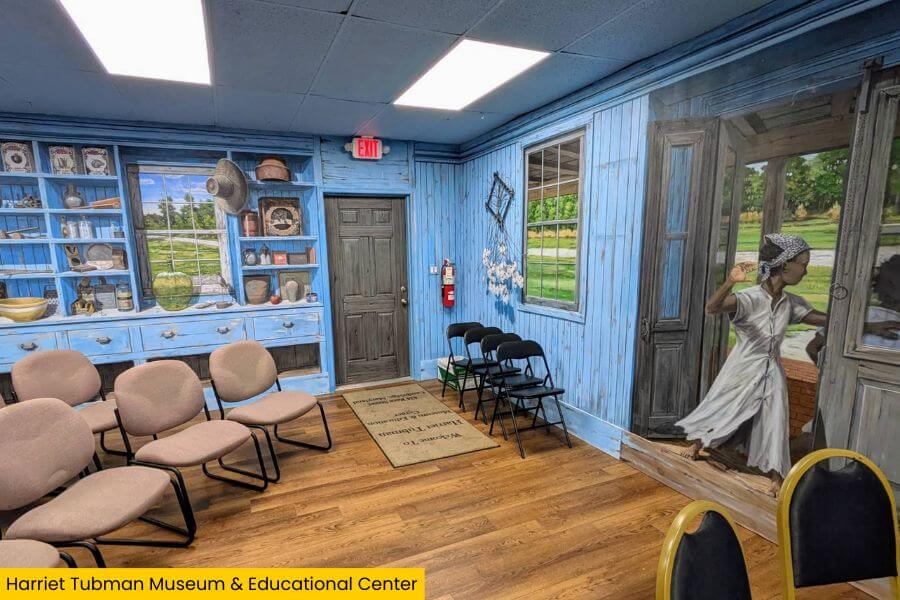
Just 5 minutes from the garden, the Harriet Tubman Museum & Educational Center offers a deeper look into Tubman’s extraordinary life through engaging exhibits.
Inside, you’ll find photographs, artifacts, artwork, and educational panels that trace her journey from slavery to becoming the Underground Railroad’s most famous conductor.
You can also learn about other African American heroes and watch powerful videos about slavery, the Civil War, and life after the Civil War.
Right outside, don’t miss the striking Harriet Tubman mural, where you can admire its incredible details and snap a few photos.
6. Dorchester County Circuit Court
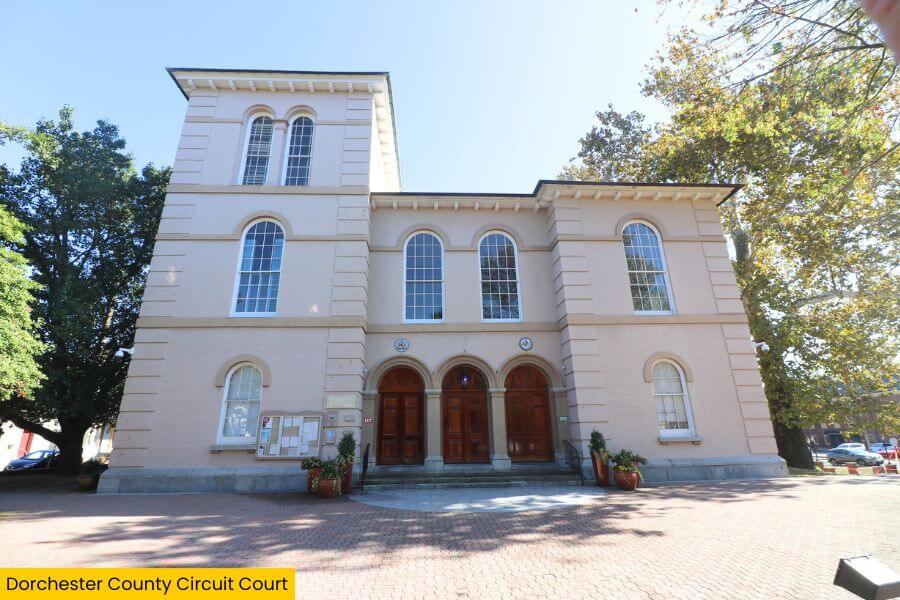
Up next is the Dorchester County Circuit Court, a historic landmark connected to one of the most daring moments in Harriet Tubman’s story.
The original building on this site was where Tubman’s niece, Kessiah Bowley, and her children escaped from the auction block in 1850 before reuniting with Harriet Tubman.
After that courthouse burned down in 1852, the current one was completed in 1854, and many slavery-era records survived, helping historians piece together local history.
So pause, soak up the atmosphere, and imagine the powerful events that once took place on this very spot.
7. Linchester Mill
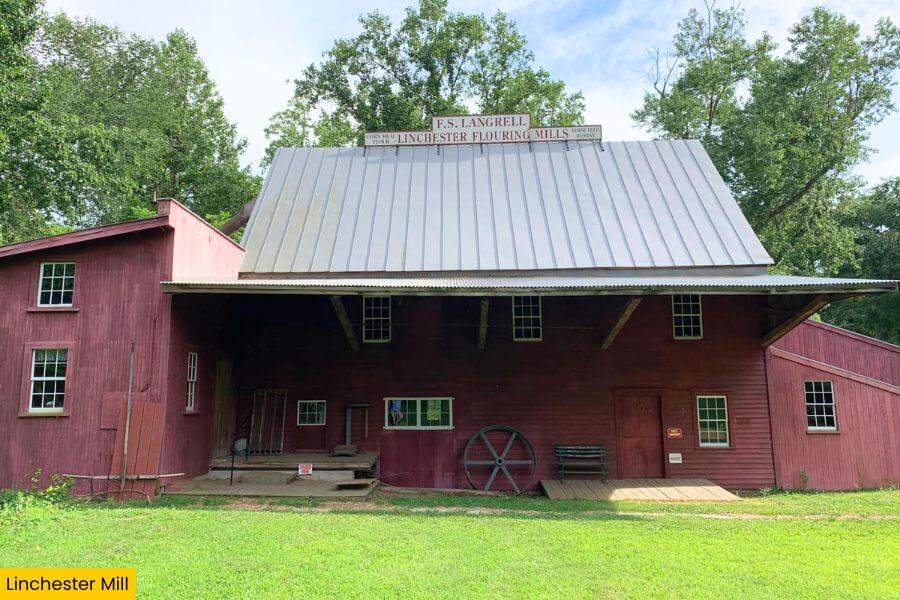
Then there’s Linchester Mill in Preston, a historic gristmill that offers a glimpse into the working landscapes of Maryland’s Eastern Shore during Harriet Tubman’s lifetime.
Although the current mill was built around 1840, water-powered mills have operated on this site since the 1680s, bringing free and enslaved African Americans together.
It was surrounded by Underground Railroad safe houses, including the nearby home of Tubman’s parents, making it an important source of support for people seeking freedom.
Today, you can tour the historic building and scenic grounds before wrapping up your unforgettable journey through Harriet Tubman’s history.
Related Posts