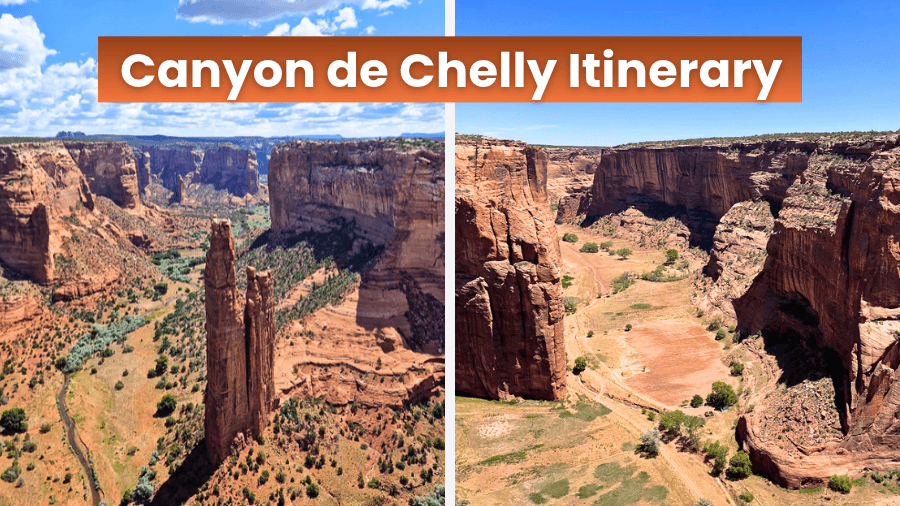
Towering red sandstone cliffs, ancient homes built into canyon walls, and incredible views around every corner make Canyon de Chelly National Monument one of Arizona’s most unforgettable places to explore.
Located in northeastern Arizona on Navajo Nation land, this incredible canyon has been home to people for nearly 5,000 years, and you can still see traces of their lives carved into the cliffs today.
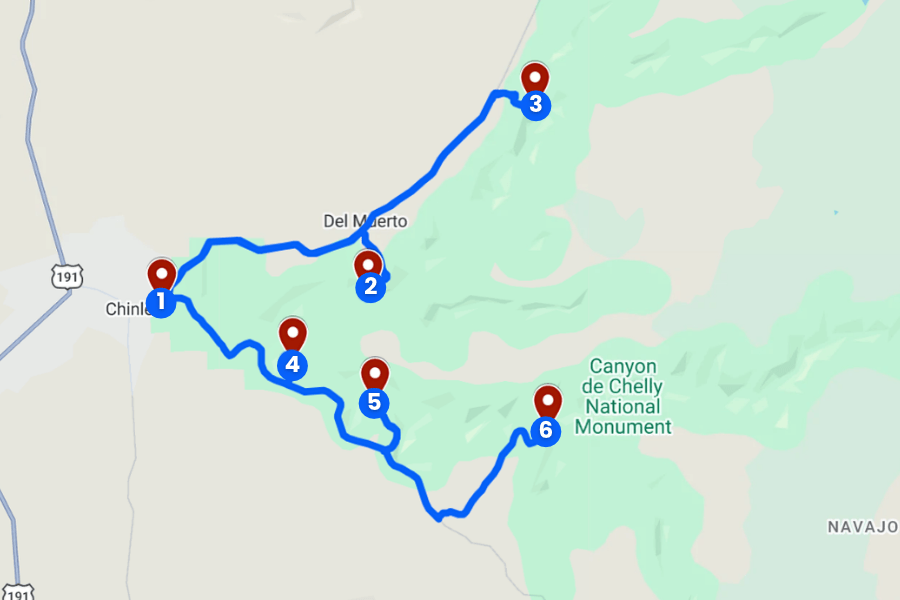
But with two scenic rim drives, fascinating ancient ruins, and so many breathtaking overlooks, figuring out what to see in just one weekend can get a little tricky.
That’s where this Canyon de Chelly weekend itinerary comes in, covering the best stops, scenic viewpoints, and helpful tips to make the most of your two-day adventure without missing the good stuff!
1. Canyon de Chelly National Monument Welcome Center
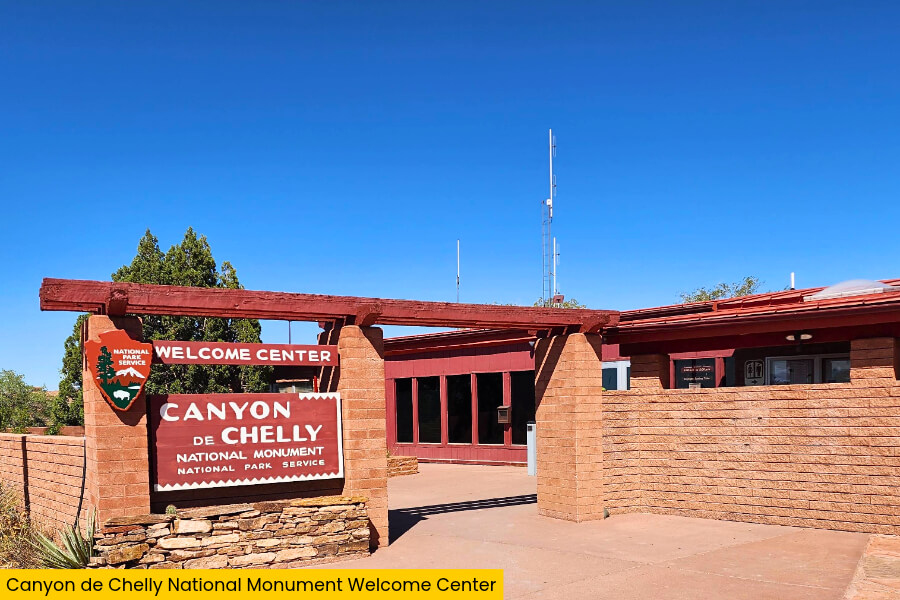
Start your Canyon de Chelly weekend adventure at the Canyon de Chelly National Monument Welcome Center, located less than a 5-minute drive from Chinle on Navajo Nation land.
Here, you can grab maps, get travel tips, and plan your canyon explorations.
Inside, you’ll find exhibits about Navajo culture, ancient Puebloan cliff dwellings, and the fascinating history of people who have lived in these canyons for nearly 5,000 years.
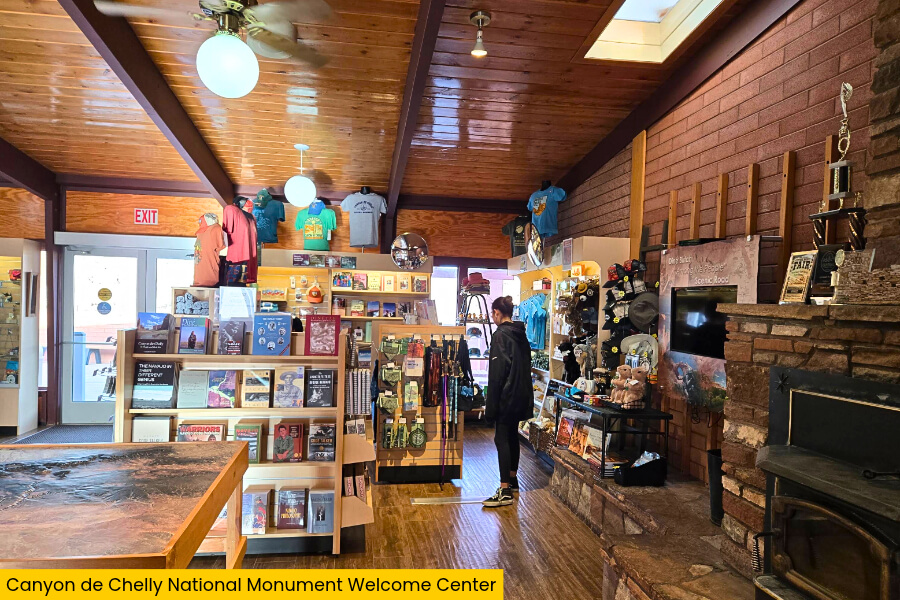
Chat with park rangers about the best overlooks along the 16-mile South Rim Drive and 15-mile North Rim Drive, including Spider Rock Overlook, where an 800-foot sandstone spire rises from the canyon floor.
Before heading out, check out the bookstore, use the restrooms, and ask about Navajo-guided canyon tours, which take you beyond the rim roads to explore ancient ruins and towering red sandstone cliffs.
2. Antelope House Overlook
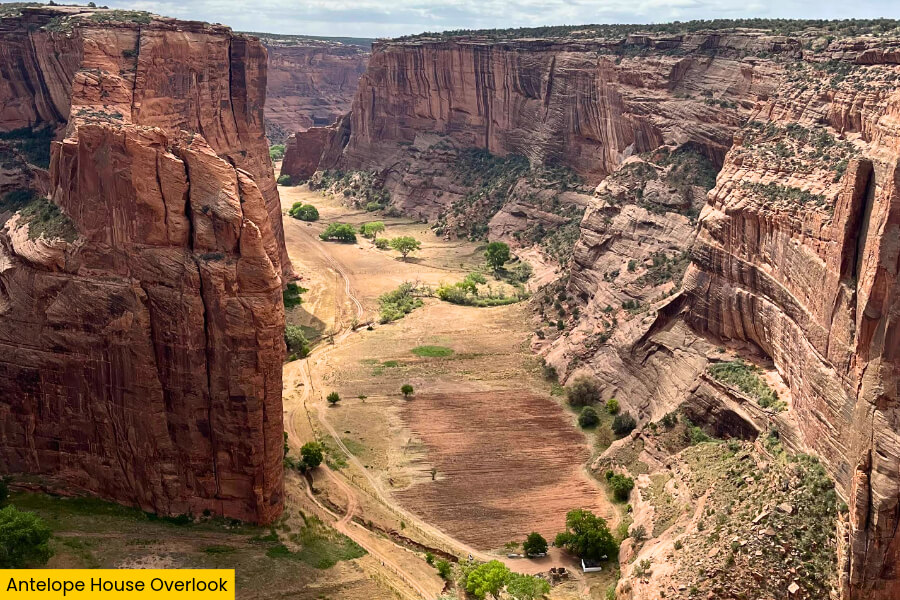
Once you’ve grabbed your maps and planned your route, head to Antelope House Overlook along Canyon de Chelly’s North Rim Drive, about 10 minutes from the Welcome Center.
There, you’ll get an incredible view of ancient ruins tucked beneath towering sandstone cliffs.
From the overlook, you can spot Antelope House Ruin, a centuries-old Ancestral Puebloan settlement named after paintings of pronghorn antelope, some believed to have been created by a Navajo artist in the 1830s.
Bring binoculars or a zoom lens to get a closer look at the stone rooms, kivas, ruins, and the wide canyon floor, where Navajo families still farm and raise livestock today.
The overlook also offers views of Canyon del Muerto’s massive rock walls, making it a fantastic place to snap photos and appreciate the area’s fascinating history without hiking into the canyon.
3. Mummy Cave Overlook
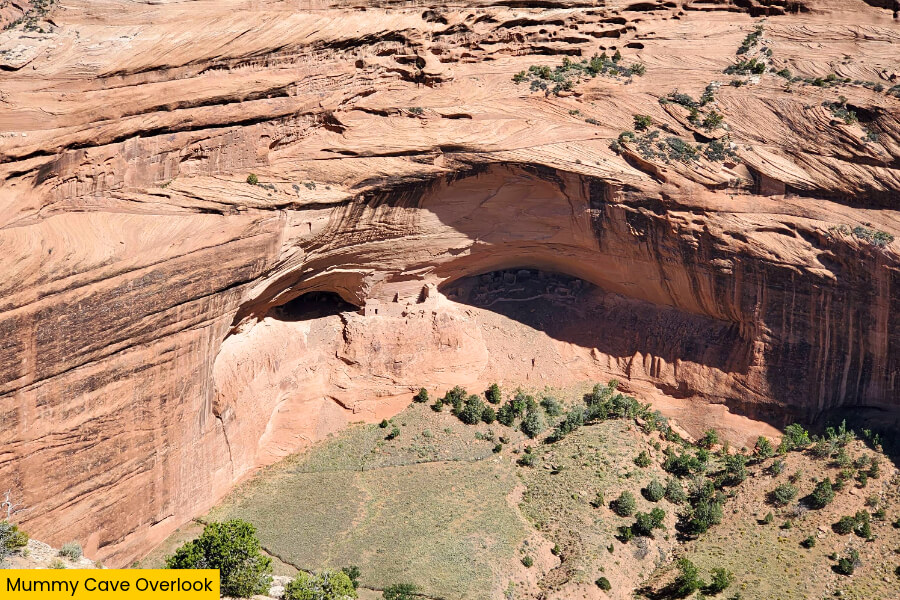
Continue along Canyon de Chelly’s North Rim Drive to Mummy Cave Overlook.
Here, you’ll get a jaw-dropping view of one of the largest and best-preserved Ancestral Puebloan ruins in Canyon del Muerto, tucked inside a massive sandstone alcove.
The 70-room Mummy Cave complex sits in two large alcoves connected by a central ledge, with some structures dating back nearly 1,000 years and a three-story tower built around the late 1200s.
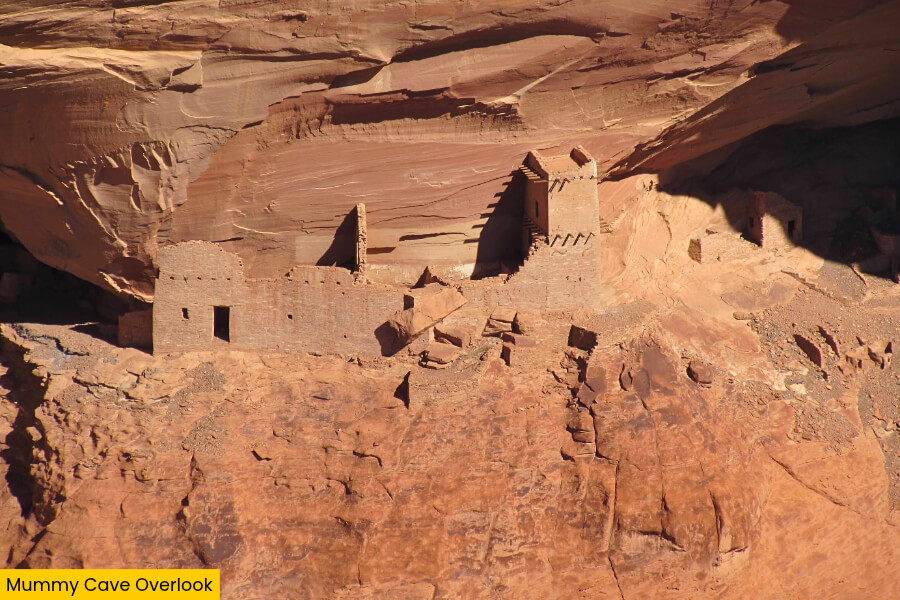
Its unusual name comes from two naturally preserved mummies discovered here during an archaeological expedition in the 1880s, adding an extra layer of mystery to this ancient settlement.
A short walk from the parking area leads to the fenced overlook, where you can photograph the ruins across the canyon, admire the towering red cliffs, and spot the impressive stone tower without needing a guided tour.
4. White House Overlook & Trail
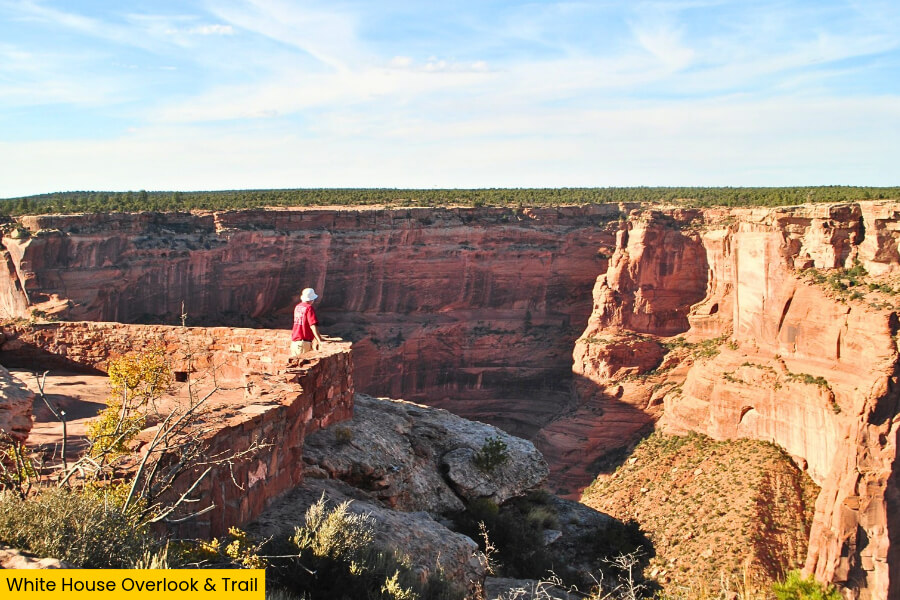
After exploring the ancient ruins at Mummy Cave, make your way to White House Overlook along Canyon de Chelly’s South Rim Drive.
Here, you’ll find a spectacular view of White House Ruin, a 1,000-year-old cliff dwelling built into a massive sandstone wall.
The ruins get their name from the white plaster that once covered part of the upper dwelling, which still stands above the lower stone rooms where Ancestral Puebloan families lived centuries ago.
The famous White House Trail is a 2.5-mile round-trip hike with roughly 600 feet of elevation change, featuring steep switchbacks, passages, and an up-close look at the ruins.
You can also enjoy the overlook, photograph the ancient buildings from above, and ask park rangers about Navajo-guided canyon tours.
5. Sliding House Overlook
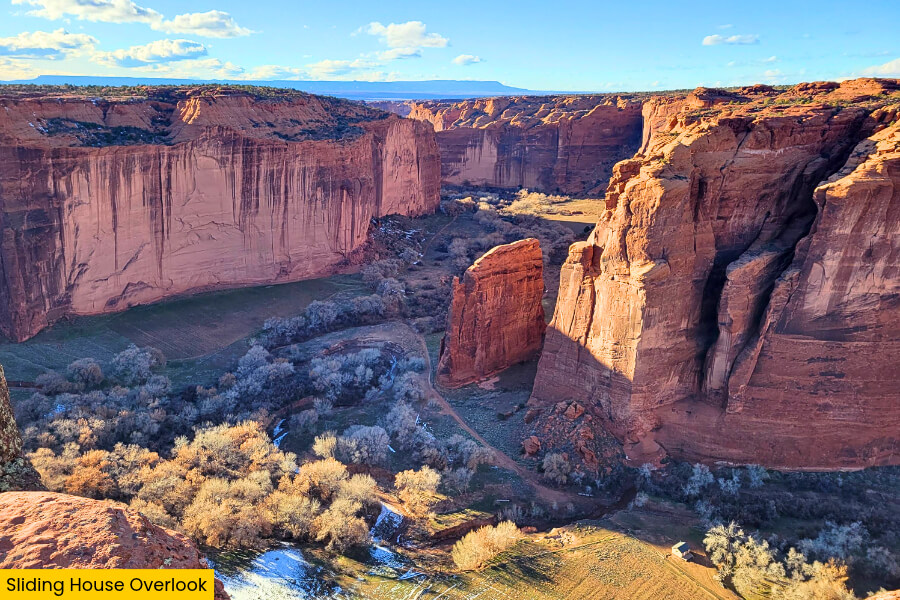
Continue along Canyon de Chelly’s South Rim Drive to Sliding House Overlook, where you’ll discover one of the canyon’s most unusual ancient ruins, perched on a sloping sandstone ledge hundreds of feet above the canyon floor.
The site gets its name from the way the stone walls appear to slide downhill, thanks to the steep rock surface beneath the Ancestral Puebloan buildings, which were constructed around 900 to 1200 years ago.
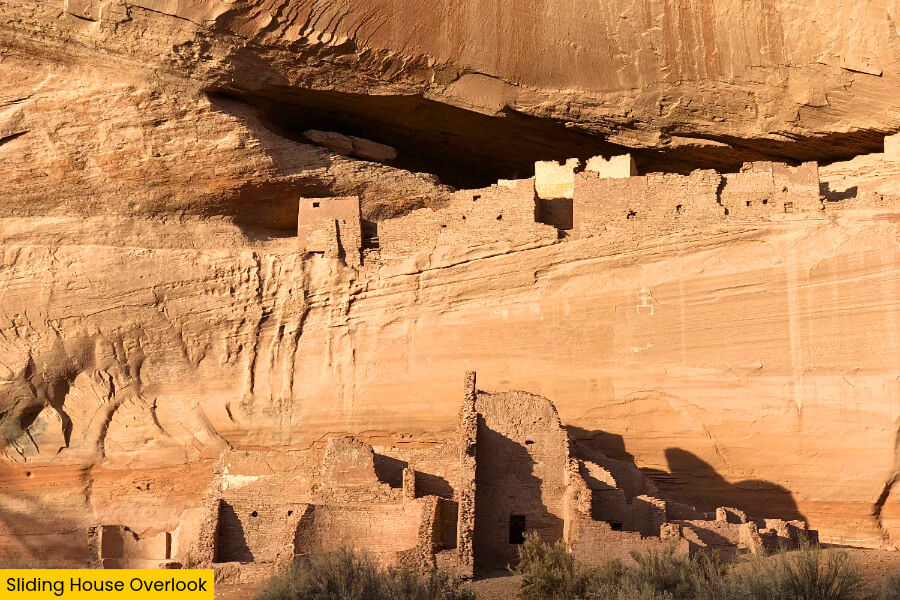
From the overlook, you can spot the remains of several stone rooms clinging to the cliffside, along with towering red sandstone walls and patches of green farmland where Navajo families continue to grow crops.
Bring your binoculars for a better look at the ruins, and keep your camera ready for sweeping canyon views that show just how daring these ancient builders were.
6. Spider Rock Overlook
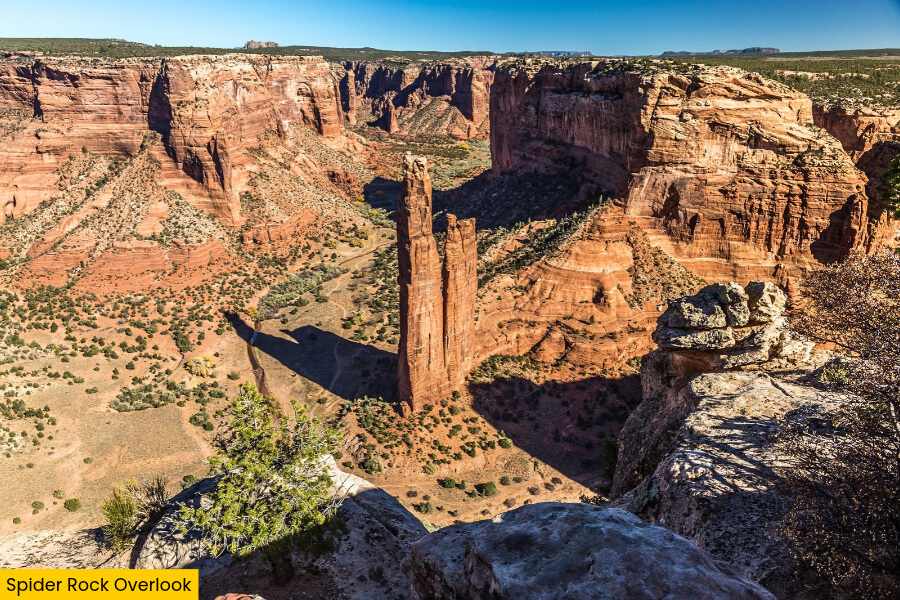
Wrap up your Canyon de Chelly weekend adventure at Spider Rock Overlook, the final stop along the 16-mile South Rim Drive, where a massive 800-foot sandstone spire rises from the canyon floor like something straight out of a movie.
This incredible rock formation stands where Canyon de Chelly and Monument Canyon meet, creating one of the most photographed views in the entire national monument.
According to Navajo tradition, Spider Rock is the home of Spider Woman, a powerful figure who taught the Navajo people how to weave, making this towering landmark an important part of Navajo culture.
Follow the short path from the parking area to the viewing platform, where you can admire the enormous sandstone tower and snap unforgettable photos.
You can also catch the late afternoon sunlight turning the canyon walls brilliant shades of orange and red.
Related Posts