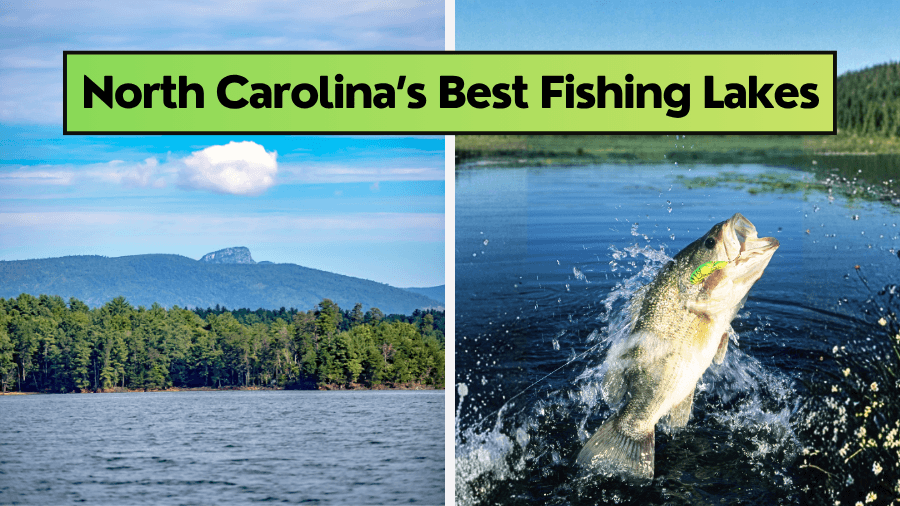
North Carolina is packed with seriously good fishing, but some lakes deserve a spot at the very top of your list.
Across these eight picks, you can chase trophy-sized catfish, cast for hard-fighting bass, or spend the morning searching deep water for striped bass and walleye.
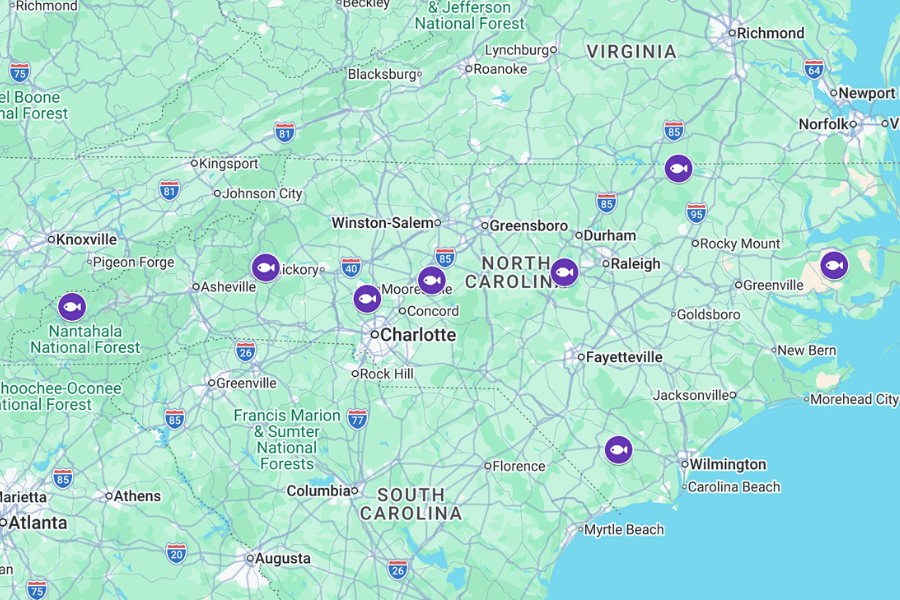
Along the way, you’ll find huge reservoirs with hundreds of miles of shoreline, quiet coves surrounded by forest, and plenty of spots where your next cast could become the catch of the trip.
So grab your tackle box, check your fishing license, and keep reading because these North Carolina lakes have some fantastic surprises waiting below the surface.
1. Fontana Lake
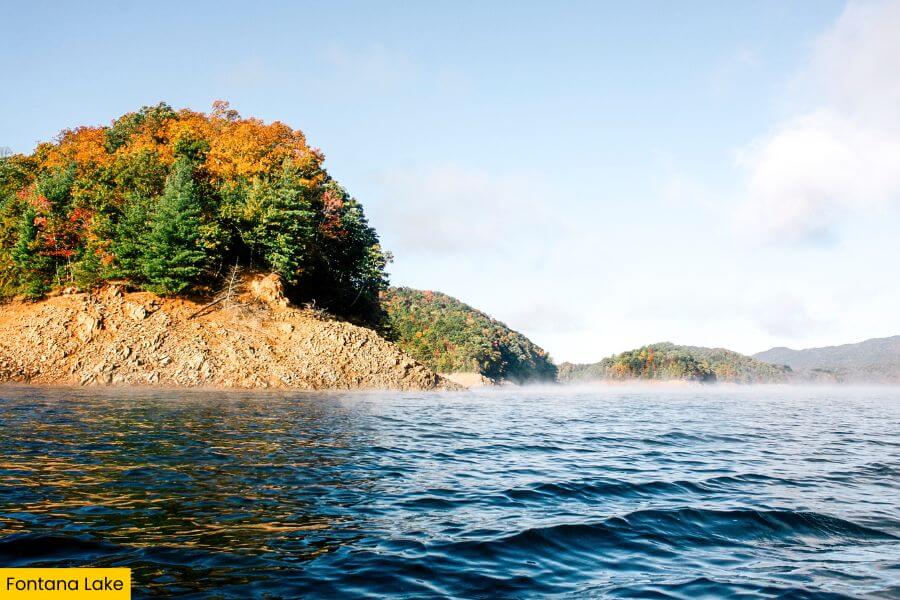
Fontana Lake stretches across 10,230 acres near Bryson City, between Great Smoky Mountains National Park and Nantahala National Forest.
Its clear water drops to about 440 feet, offering year-round boat fishing for walleye, smallmouth and largemouth bass, along with catfish that can top 50 pounds.
During spring runs from early March through May, you can target white bass, steelhead, crappie, yellow perch, and bluegill near river and creek mouths.
And as the deepest lake in North Carolina, it also features countless coves and scattered islands, giving you plenty of places to try your luck.
2. Lake James
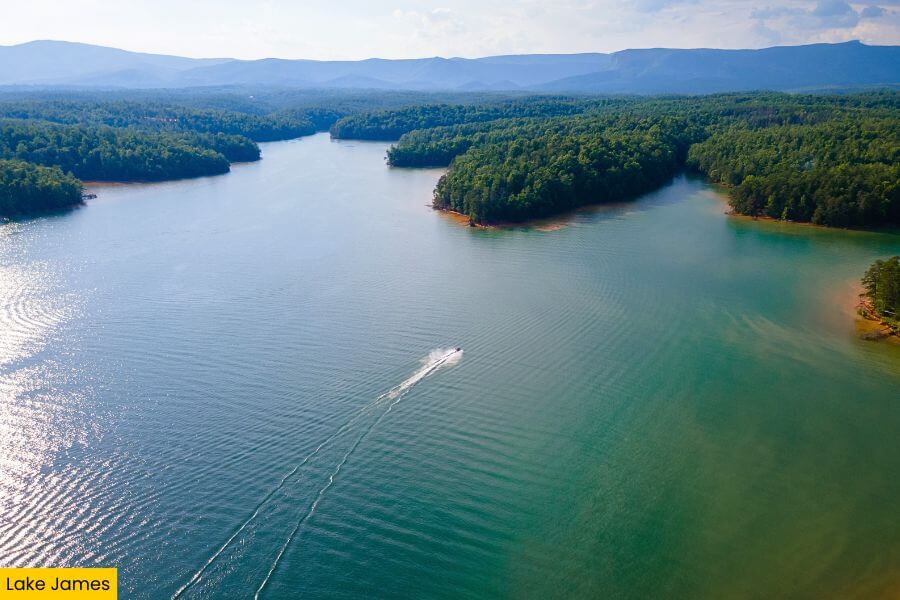
Up next is Lake James, an equally tempting fishing stop covering 6,812 acres near Morganton and Marion at the base of the Blue Ridge Mountains.
Here, you can fish for smallmouth and largemouth bass, walleye, crappie, bluegill, catfish, and muskellunge along the banks, rocky shorelines, and deeper channels.
For bass, April through October brings the best action during early mornings and late afternoons, while crappie fishing is strongest from May through July.
With roughly 150 miles of shoreline, boat ramps, fishing access, a swimming beach, and campsites, you have plenty of ways to enjoy the lake and reel in a catch.
3. Lake Norman
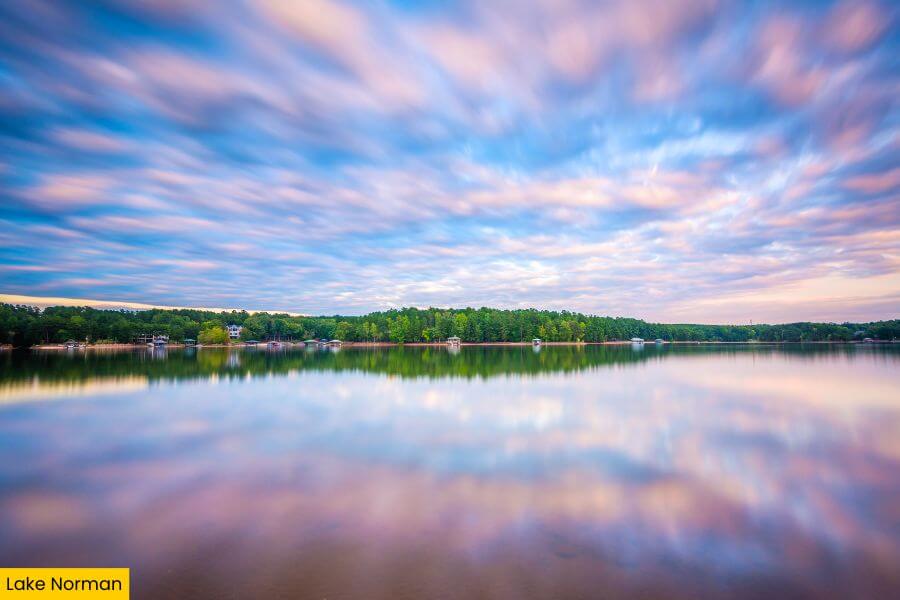
Then there’s Lake Norman, North Carolina’s largest man-made lake, spanning 32,510 acres and just a 45-minute drive from Charlotte.
Bass fishing takes center stage here, with largemouth, smallmouth, and spotted bass attracting competitive anglers and tournaments like the Bassmaster Open.
Beyond that, you can also catch crappie, bluegill, channel catfish, and striped bass year-round around docks, drop-offs, and underwater humps.
To make the most of your visit, try kayak, shore, or pier fishing, then explore Lake Norman State Park on the northeastern side for even more time outdoors.
4. High Rock Lake
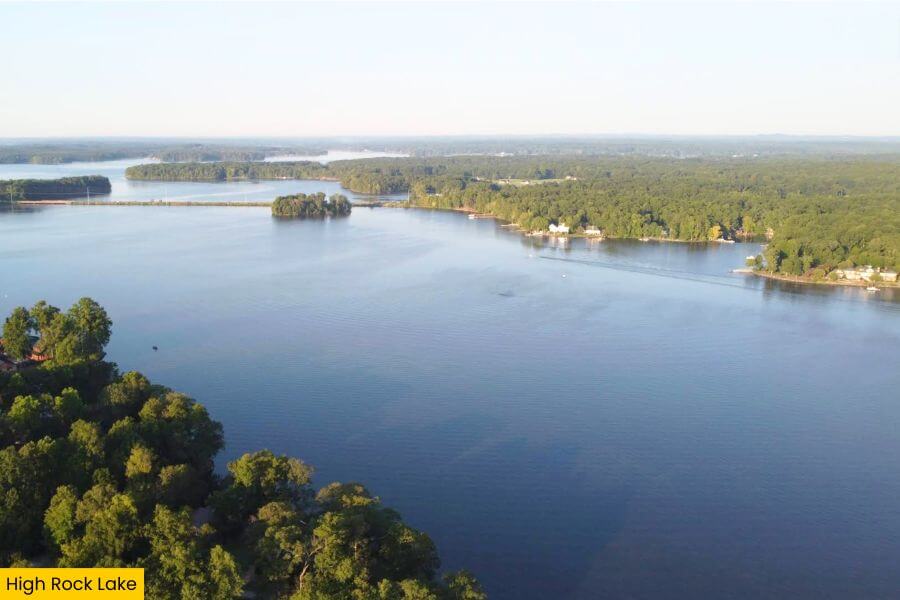
Covering 15,180 acres along the Yadkin River, High Rock Lake is North Carolina’s second-largest lake and offers a different fishing experience from Lake Norman.
Largemouth bass take center stage, and that reputation has attracted multiple events from major competitive fishing circuits like the Phoenix Bass Fishing League.
There’s plenty more to catch, including crappie and catfish around shallow flats, creek mouths, ledges, and submerged structures, especially in spring and fall.
Across its 365 miles of shoreline, you can fish from a boat, kayak, or canoe while trying colorful crankbaits, spinnerbaits, jigs, and sliders.
5. Jordan Lake
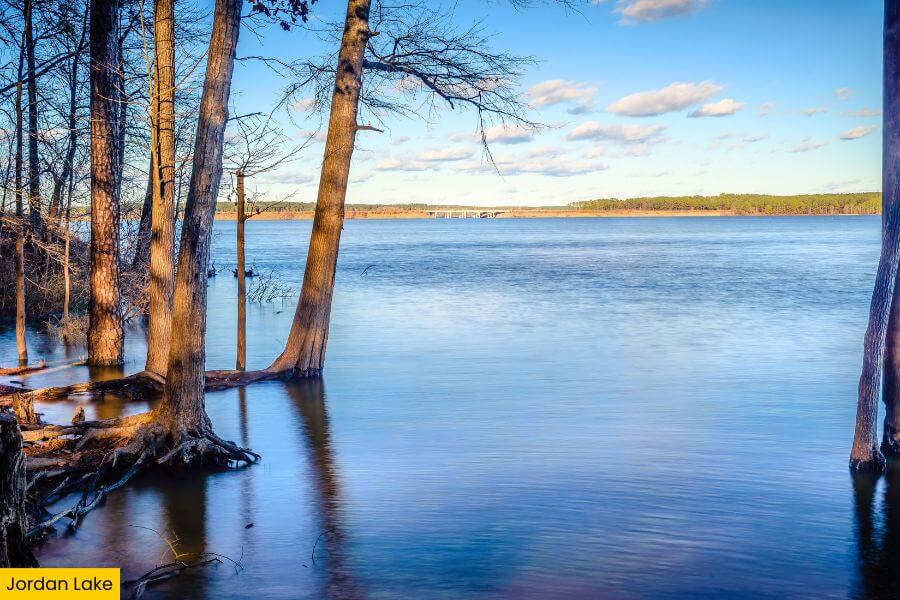
In New Hope Valley, Jordan Lake is a 13,940-acre reservoir filled with wide coves and underwater structures that provide plenty of fish-holding cover.
It’s best known for trophy largemouth bass, including a record catch of 14 pounds, while 180 miles of shoreline and public boat ramps make the water easy to access.
You can also hook crappie, channel catfish, bluegill, white bass, and striped bass, with Little Beaver Creek, Robeson Creek, and the Haw River Arm worth exploring.
If you can, plan your trip in spring when the water warms up and the action picks up, with jig-and-pig rigs and minnows working especially well.
6. Lake Gaston
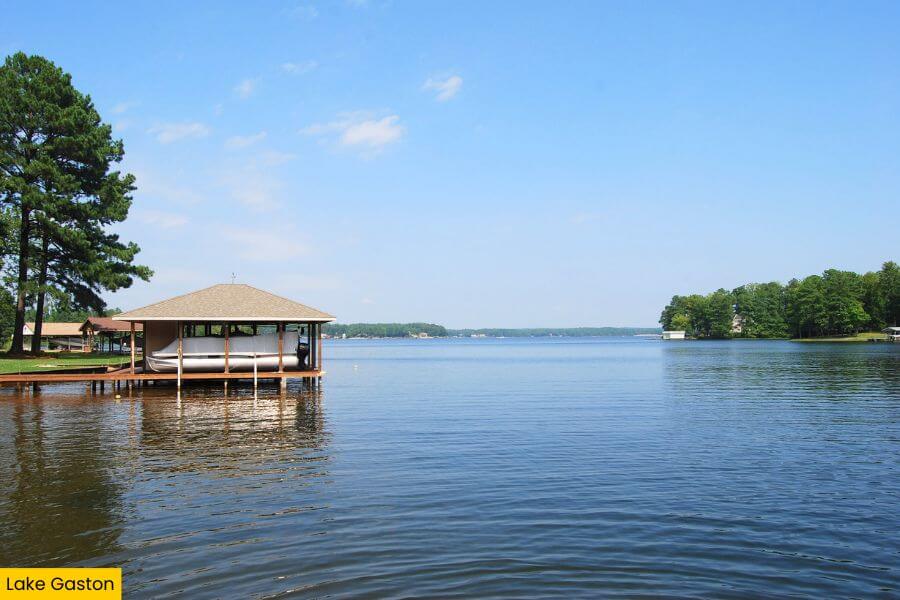
Next is Lake Gaston, which covers 20,300 acres and stretches about 34 miles along the North Carolina-Virginia border near Littleton.
One of its biggest claims to fame is trophy catfish, including a 117-pound, 8-ounce blue catfish that set a North Carolina state record here in 2016.
The action doesn’t end there, as you can also target striped bass, largemouth bass, crappie, sunfish, yellow perch, and bluegill near vegetation and boat docks.
Afterwards, trade your fishing rod for a refreshing swim or some fast-paced fun on water skis or a wakeboard to enjoy everything this spot has to offer.
7. Phelps Lake
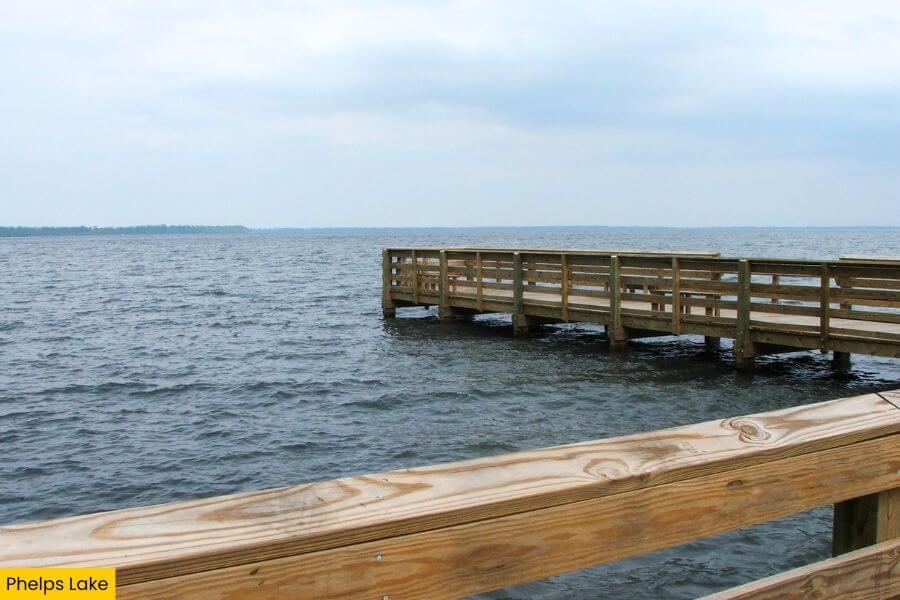
For a complete change from Lake Gaston, Phelps Lake is a 16,600-acre natural lake in Washington and Tyrrell counties, surrounded by Pettigrew State Park.
It averages only about 4.5 feet deep, giving you plenty of shallow water to target largemouth bass, yellow perch, pumpkinseed, and channel catfish.
You can head out by canoe, kayak, or rowboat, with launch areas at Cypress Point and near the state park office, making it easy to search for a good catch.
It’s the kind of place where the peaceful setting makes you want to slow down, take your time, and enjoy every cast.
8. Lake Waccamaw
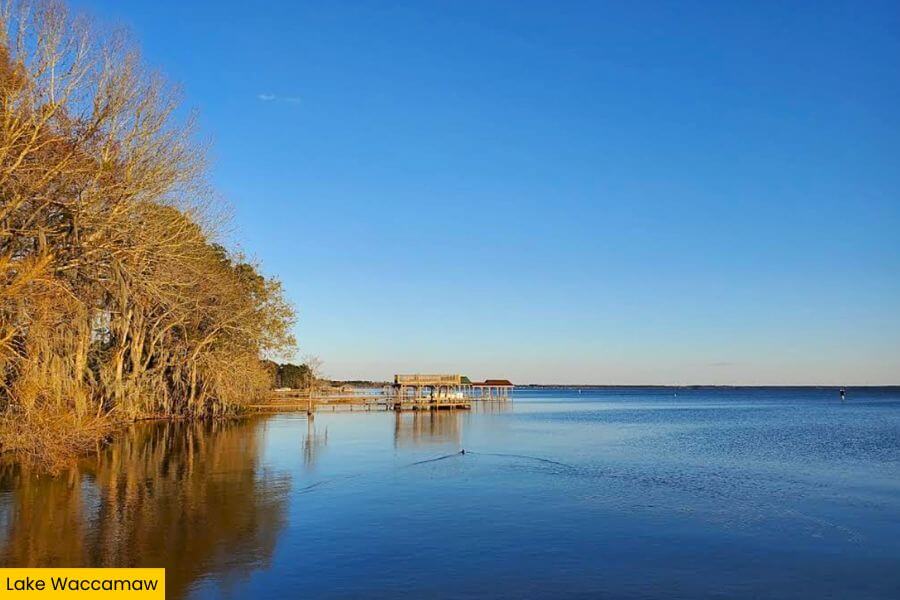
Rounding out the list is Lake Waccamaw, an 8,938-acre natural wonder in Columbus County often considered the oldest in North Carolina.
You can fish its tea-colored water for largemouth bass, white perch, yellow perch, crappie, bluegill, and flathead catfish, especially near weed beds, grass edges, and docks.
Beyond that, this area supports rare species found nowhere else, including the Waccamaw silverside, making fishing and conservation especially important.
With an average depth of 7.5 feet, it’s an amazing place to test your skills and see what might be biting, so try different techniques and find what works best for you.
Related Posts