Arizona might be famous for its towering red rocks, giant cacti, and desert landscapes, but some of its coolest attractions are hiding deep underground.
From massive limestone chambers filled with strange rock formations to ancient lava tunnels formed hundreds of thousands of years ago, Arizona has some seriously incredible caves just waiting to be explored.
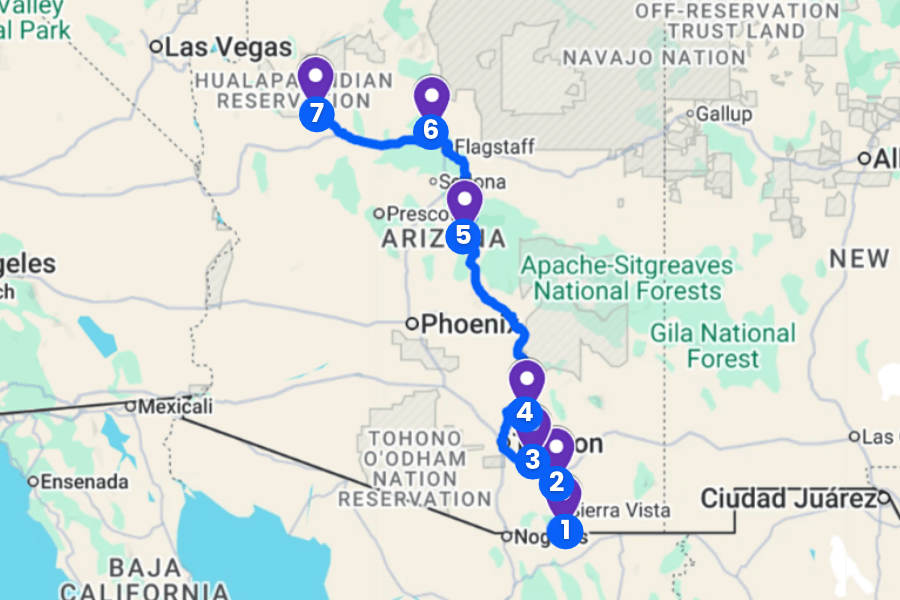
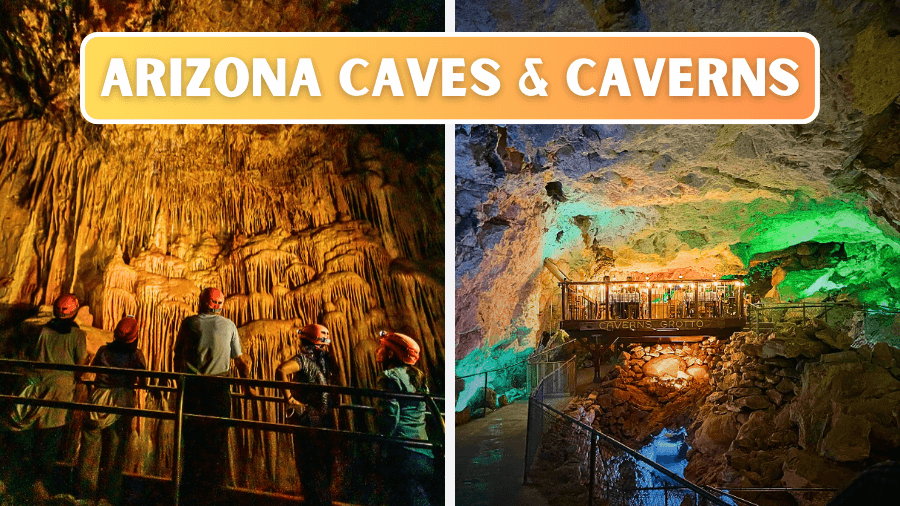
You can turn these underground wonders into one epic road trip, complete with guided cave tours and narrow passages that you have to crawl through.
Whether you’re looking for an easy walk through a spectacular cavern or a thrilling adventure that requires a helmet and headlamp, this Arizona caves and caverns road trip has something for you.
1. Coronado Cave
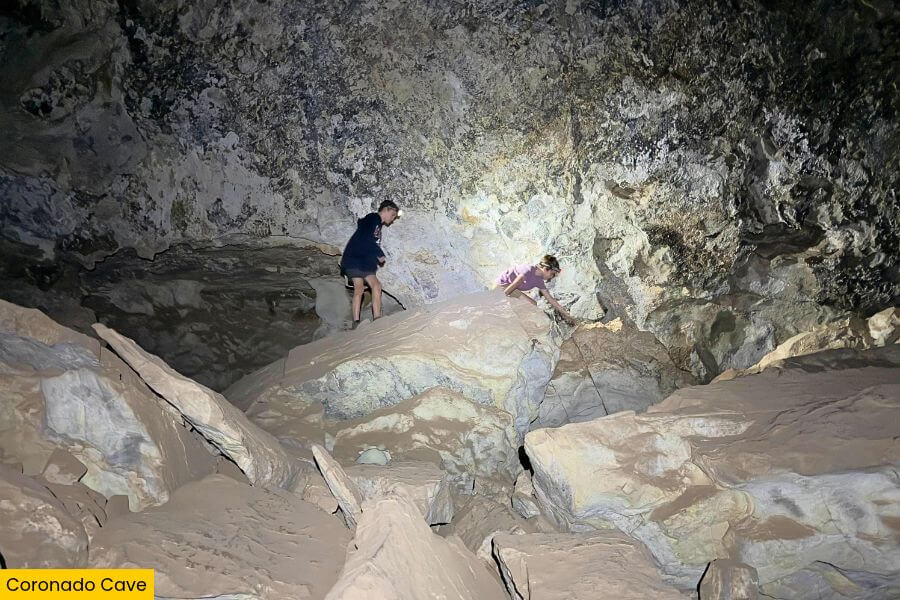
Located inside Coronado National Memorial in Hereford near the Mexican border, Coronado Cave is a 600-foot-long limestone cave packed with fascinating rock formations, dark chambers, and a seriously cool underground adventure.
To reach the cave, you’ll hike the 0.5-mile Coronado Cave Trail, which climbs about 500 feet through the Huachuca Mountains before reaching a rocky entrance where you’ll scramble down into the darkness.
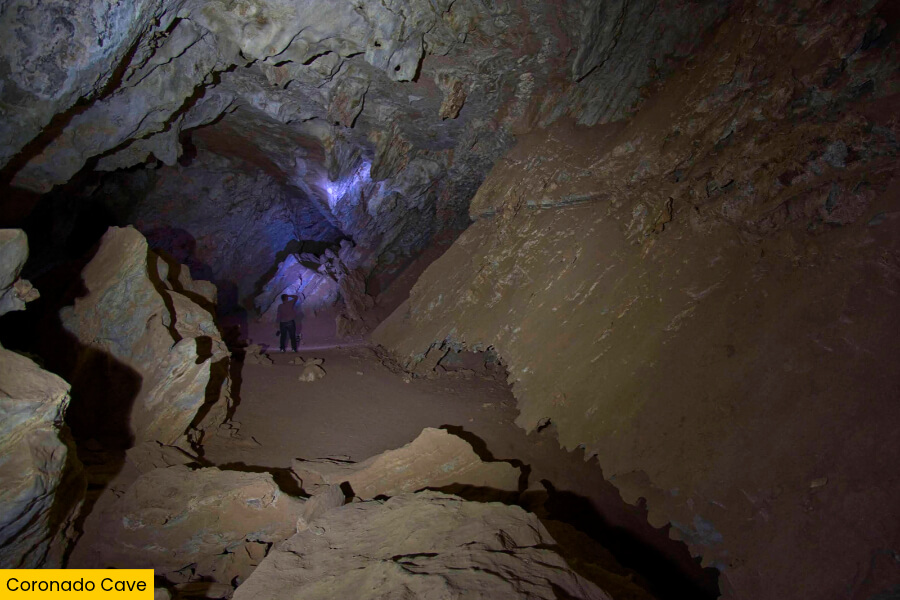
Inside, you can explore massive rooms filled with stalactites, stalagmites, and flowstone formations, including sections where the ceiling rises roughly 20 feet above the cave floor.
Unlike Arizona’s guided commercial caverns, Coronado Cave is a self-guided adventure with no installed lights, so bring a headlamp, sturdy shoes, and a free cave permit from the National Park Service before exploring.
2. Kartchner Caverns State Park
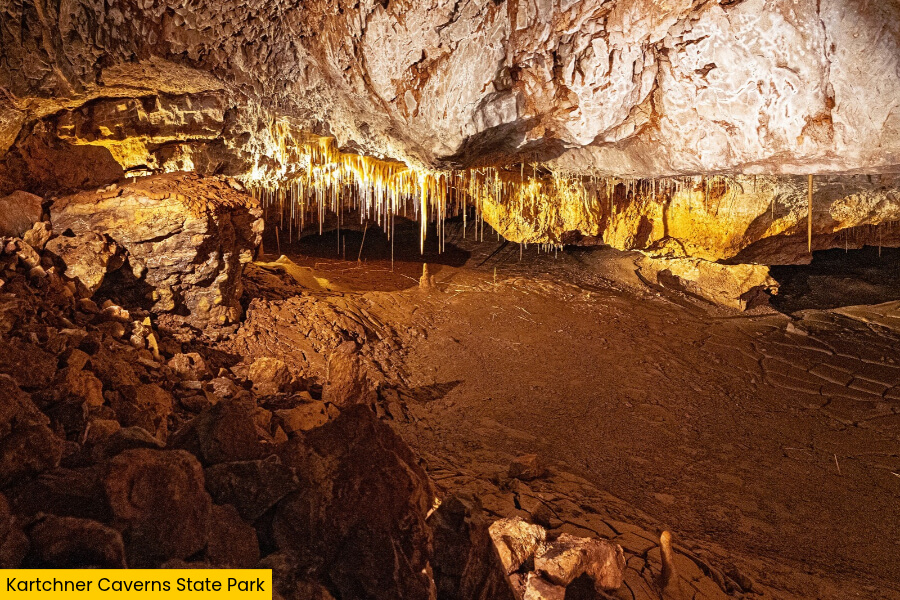
After exploring Coronado Cave on your own, head about 50 minutes to Kartchner Caverns State Park near Benson, where guided tours take you through one of Arizona’s most spectacular living limestone cave systems.
Discovered in 1974 by Gary Tenen and Randy Tufts, the caverns stayed secret for 14 years to protect their delicate formations, including Kubla Khan, a towering 58-foot-tall column that’s one of the largest cave formations in Arizona.
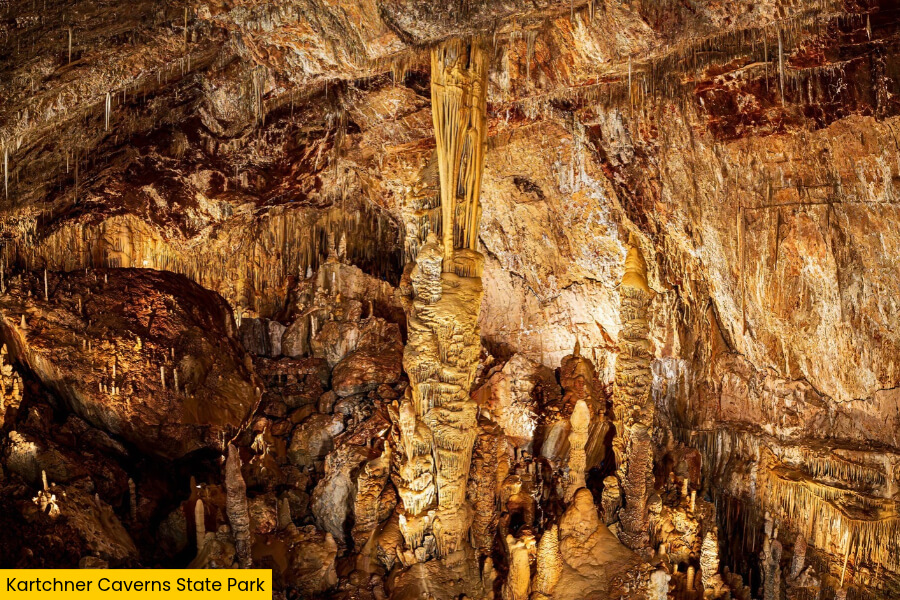
The 90-minute Rotunda/Throne Room Tour takes you past massive stalactites, delicate soda straws, and the famous Throne Room, while the Big Room Tour explores a huge chamber where cave myotis bats raise their young during summer.
Above ground, you can hike the Foothills Loop Trail, explore interactive exhibits at the Discovery Center, or spend the night at the park’s campground.
3. Colossal Cave Mountain Park
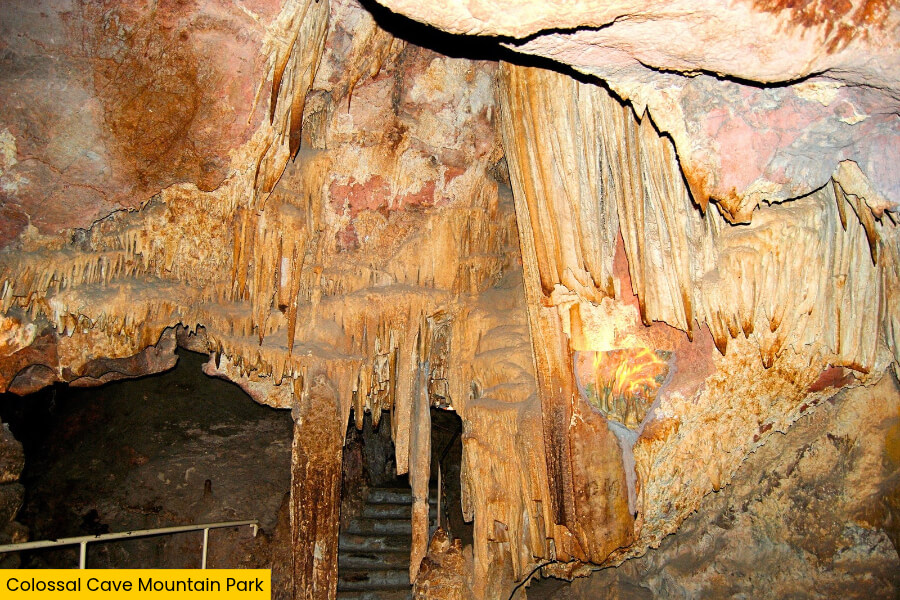
Next, head to Colossal Cave Mountain Park in Vail, about 45 minutes from Kartchner Caverns, where you can explore a massive limestone cave with more than 3.5 miles of mapped passageways and a fascinating past filled with Wild West outlaws.
Unlike Kartchner Caverns, Colossal Cave is considered a dry cave, meaning its formations are no longer actively growing, but you’ll still find impressive stalactites, stalagmites, and winding tunnels carved over millions of years.
The 40-minute Classic Cave Tour takes you down roughly 363 stairs through narrow passageways and underground chambers, while more adventurous tours let you crawl through tighter spaces with helmets and headlamps.
Back above ground, you can explore the park’s desert hiking trails, admire towering saguaro cacti, and hear stories about the train robbers who supposedly used the cave as a hideout in the 1880s.
4. Peppersauce Cave
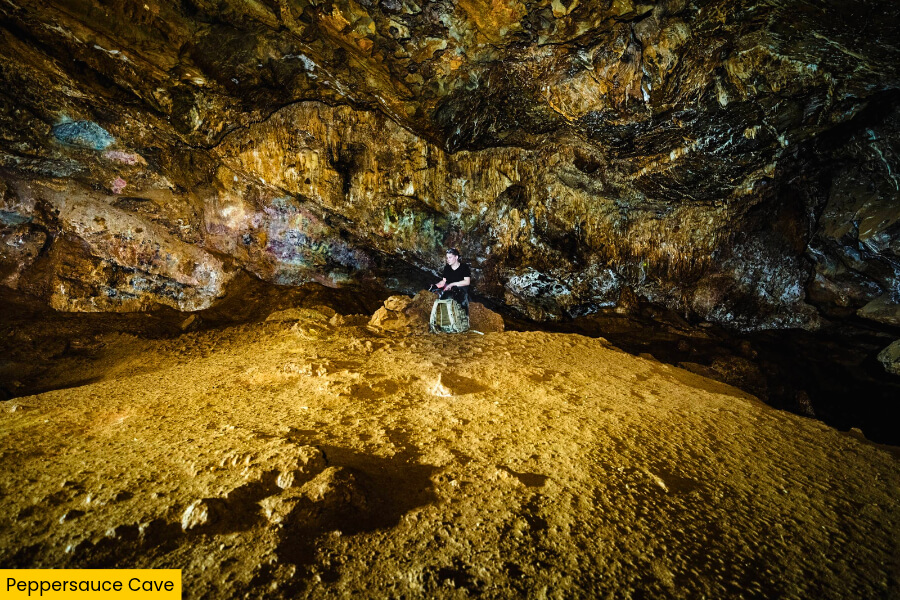
Ready to trade Colossal Cave’s guided tours for a wild underground adventure?
Peppersauce Cave sits in the Santa Catalina Mountains near Oracle and offers a completely different experience with no guides, paved walkways, or installed lighting.
This limestone cave stretches for roughly a mile through a maze of narrow tunnels, rocky chambers, and tight crawl spaces, including passages such as the Rabbit Hole, where you’ll need to squeeze through tight openings.
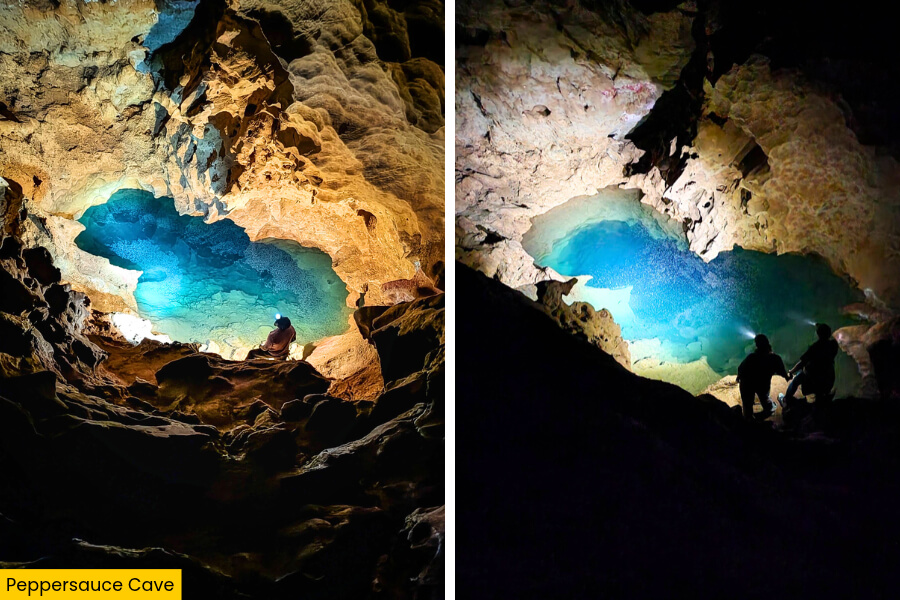
One of its coolest features is an underground lake, where clear water collects beneath the cave’s limestone walls, although reaching it requires navigating tricky passages.
Bring at least three light sources per person, wear a helmet, and explore with experienced cavers because the slippery rocks, confusing tunnels, and steep drops make this one of Arizona’s more challenging cave adventures.
5. Tonto Natural Bridge State Park
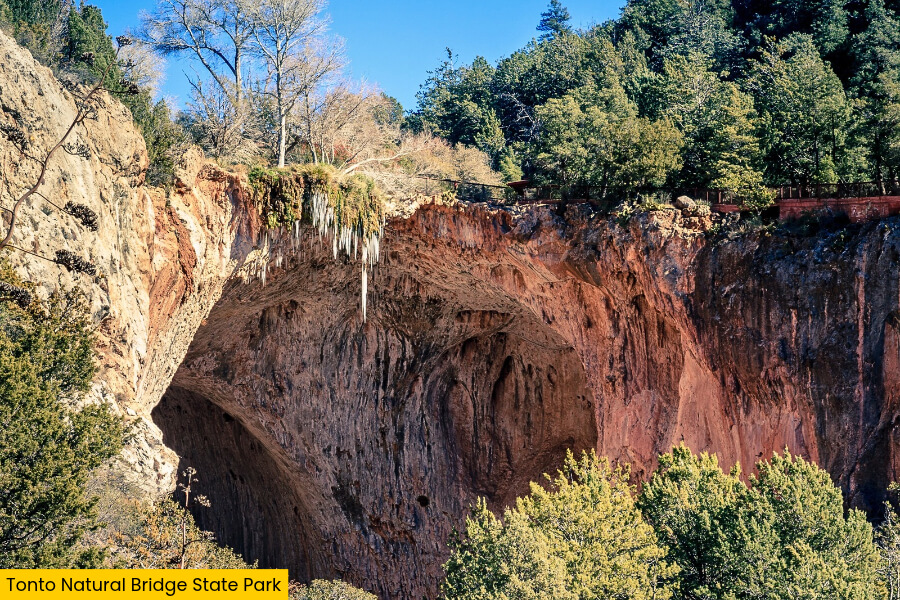
After squeezing through Peppersauce Cave’s tight tunnels, take a 3.5-hour drive to Tonto Natural Bridge State Park near Payson, where you’ll find a massive natural travertine bridge that towers 183 feet above Pine Creek.
Known as the world’s largest natural travertine bridge, this incredible formation stretches 150 feet across and creates a 400-foot-long tunnel-like opening beneath its rocky ceiling.
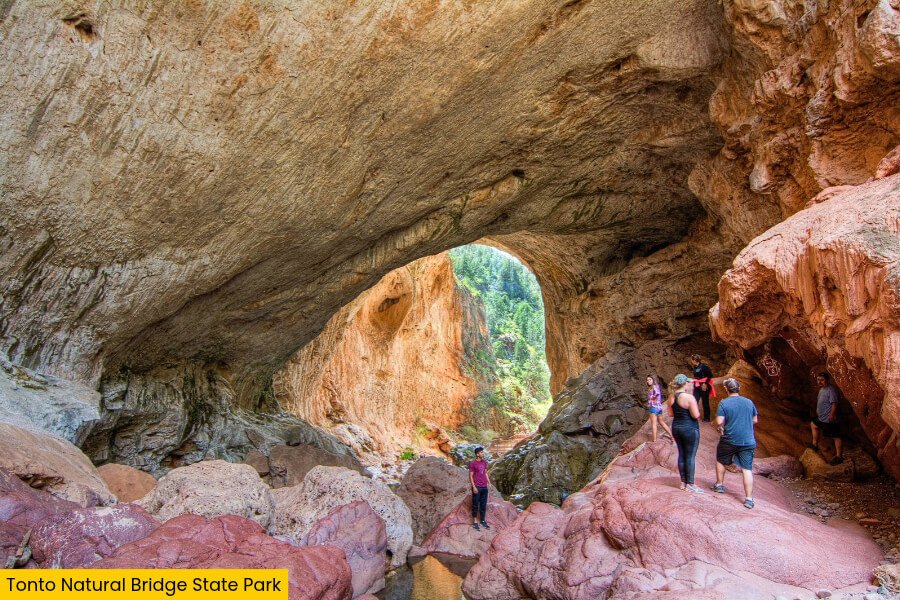
You can hike the steep Gowan Trail, which is roughly half a mile long, to an observation deck overlooking the creek.
You can also tackle the challenging 0.5-mile Pine Creek Trail for a closer look at the bridge’s enormous opening, moss-covered rocks, and small waterfalls.
Don’t miss the park’s four viewpoints, where you can admire the bridge from different angles and snap some amazing photos without scrambling over slippery boulders.
6. Lava River Cave
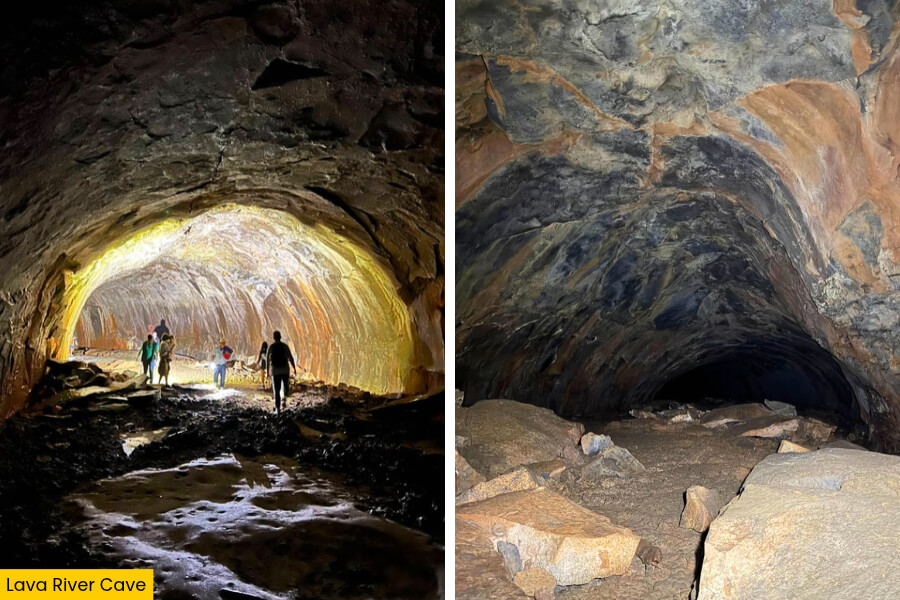
After admiring Tonto Natural Bridge’s towering rock formations, head toward Flagstaff for a completely different underground adventure at Lava River Cave.
This mile-long lava tube sits in Coconino National Forest, about 35 minutes from town.
Formed roughly 700,000 years ago when molten lava flowed beneath a hardened crust, this fascinating tunnel features twisted rock walls, low ceilings, and sections where the passage splits into two routes.
You’ll scramble down a rocky entrance before exploring the pitch-black tunnel, where temperatures stay between 35°F and 42°F year-round, so bring a warm jacket, sturdy shoes, and multiple flashlights.
Unlike Arizona’s limestone caverns, you won’t find stalactites here, but you can spot frozen lava formations and explore the entire cave on your own, with no guided tour required.
7. Grand Canyon Caverns
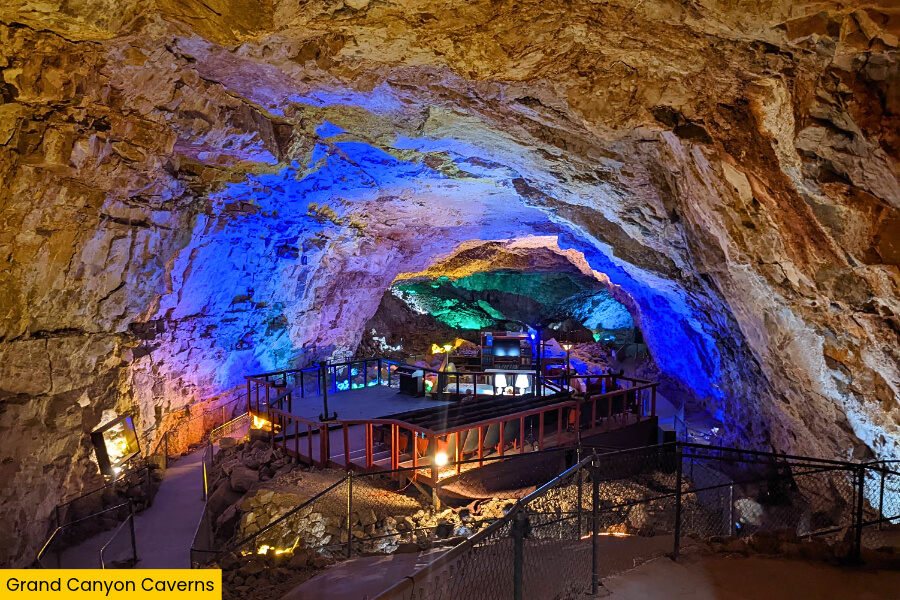
To wrap up your Arizona caves road trip, take a 1-hour-and-50-minute drive to Grand Canyon Caverns near Peach Springs along historic Route 66.
Here, an elevator takes you 200 feet underground into one of the largest dry cavern systems in the United States.
Discovered in 1927 by Walter Peck, these ancient limestone caverns feature enormous chambers, unusual rock formations, and fossilized remains of prehistoric animals, including a giant ground sloth.
When tours are operating, you can explore the caverns with a guide, then wrap up your road trip with classic Route 66 sights and wide-open desert views.
Related Posts