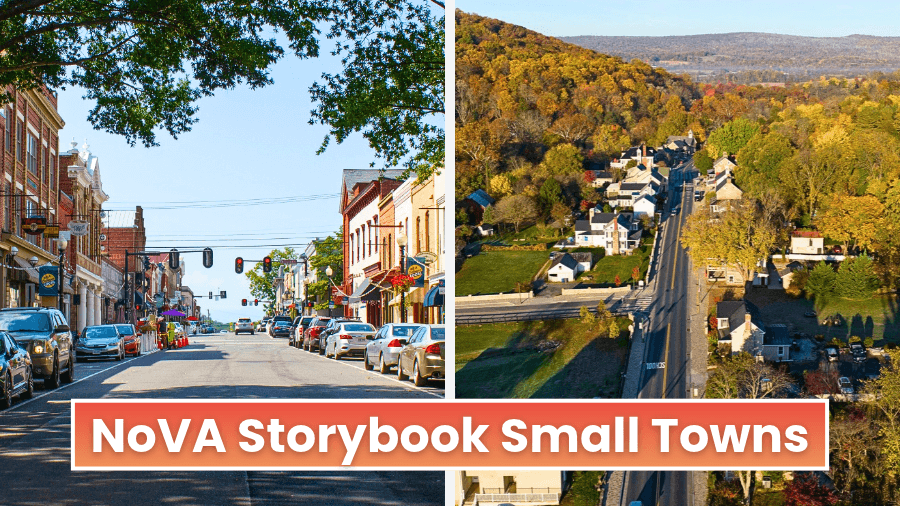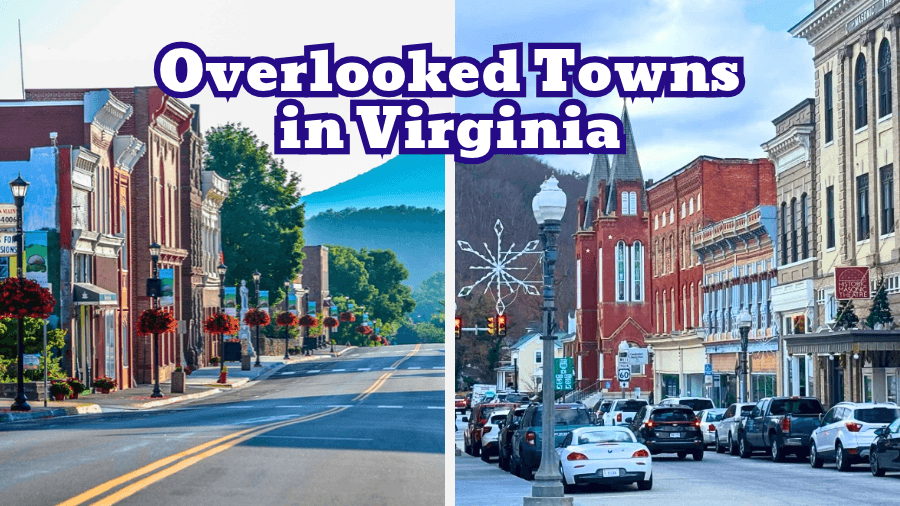
Virginia’s famous cities and historic landmarks get plenty of attention, but some of the state’s best surprises are hiding in its smaller towns.
Think winding mountain roads, huge lakes, waterfront streets, railroad history, and festivals celebrating everything from oysters to maple syrup.
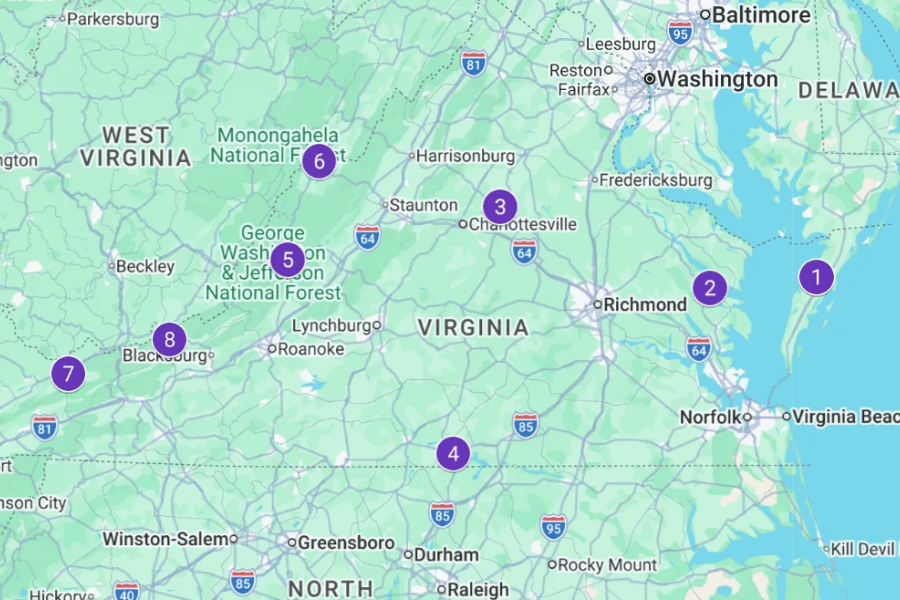
If you’re ready to look beyond Virginia’s usual stops, these eight overlooked towns have plenty of reasons to earn a spot on your travel list.
1. Onancock
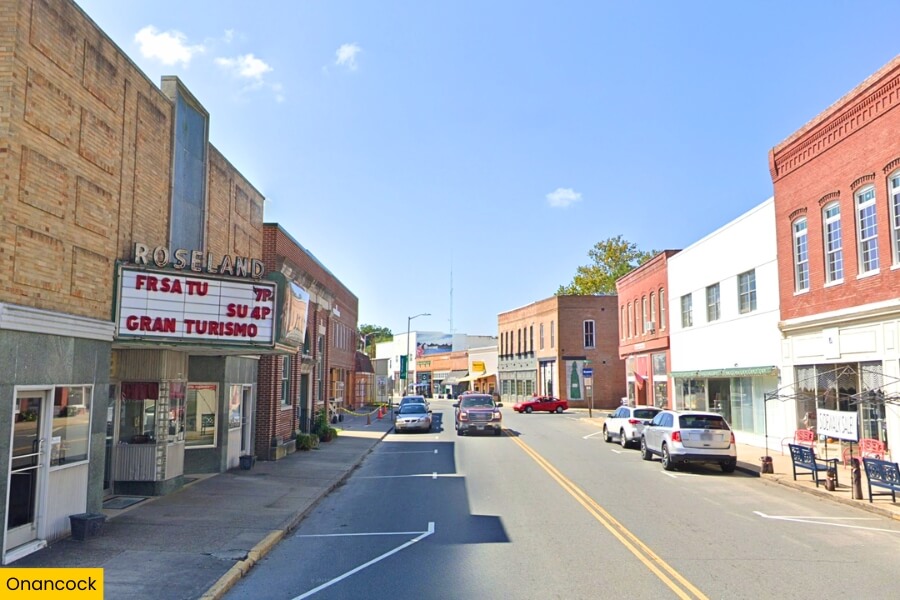
Onancock is a small waterfront town on Virginia’s Eastern Shore, about halfway between Cape Charles and the Maryland border.
Start along Market Street, where historic homes, local shops, galleries, and restaurants lead toward the town wharf, a working harbor that has welcomed boats for centuries.
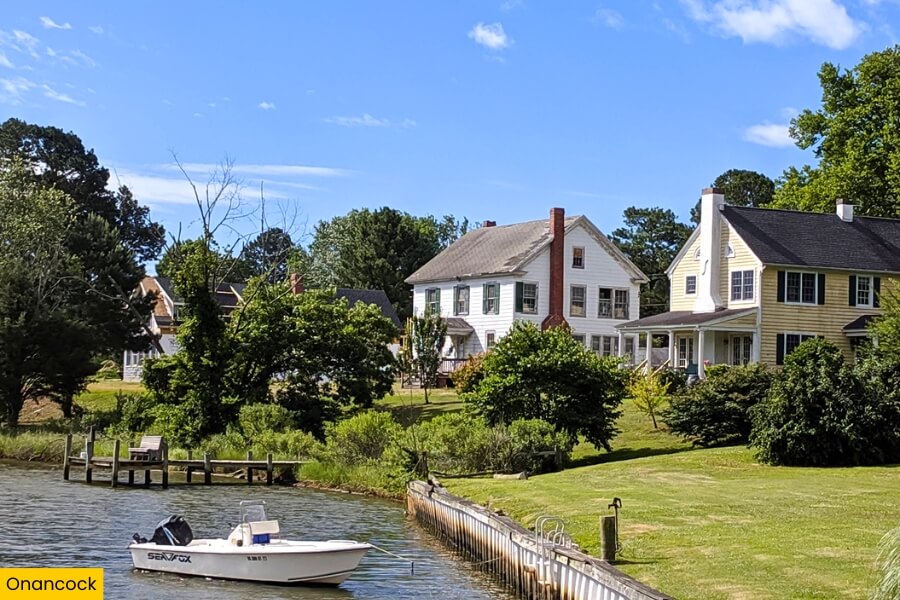
Nearby, explore exhibits at Ker Place, an elegant Federal-period Georgian-style mansion built from 1799 to 1803, then grab fresh seafood or rent a kayak and paddle Onancock Creek past marshes, docks, and quiet shoreline.
2. Urbanna
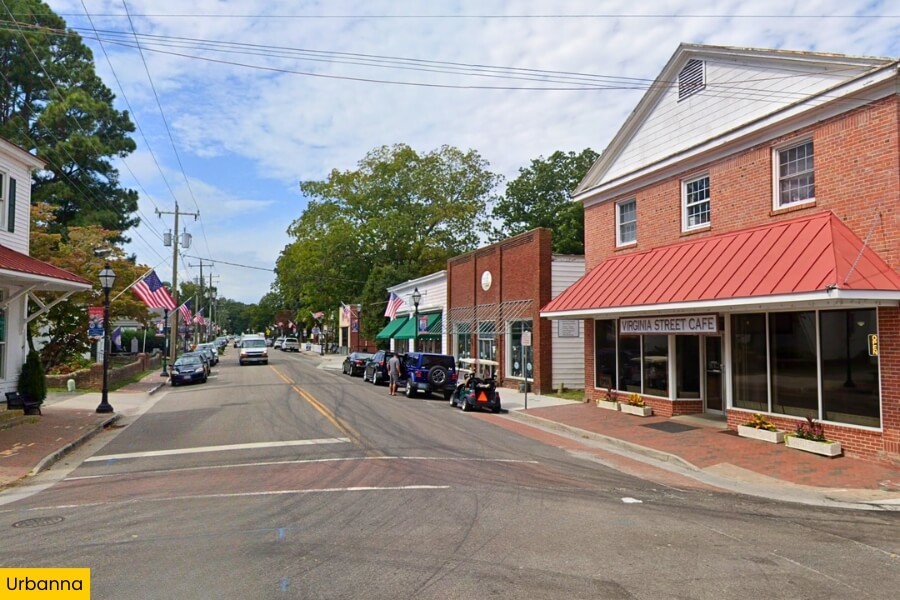
Next up, Urbanna brings you to Virginia’s Middle Peninsula, where this tiny town sits along Urbanna Creek, just off the Rappahannock River and about 1 hour from Richmond.
Oysters are the big deal here, especially during the Urbanna Oyster Festival, a November tradition dating to 1957 that fills the streets with oyster shucking, seafood stands, parades, and live music.
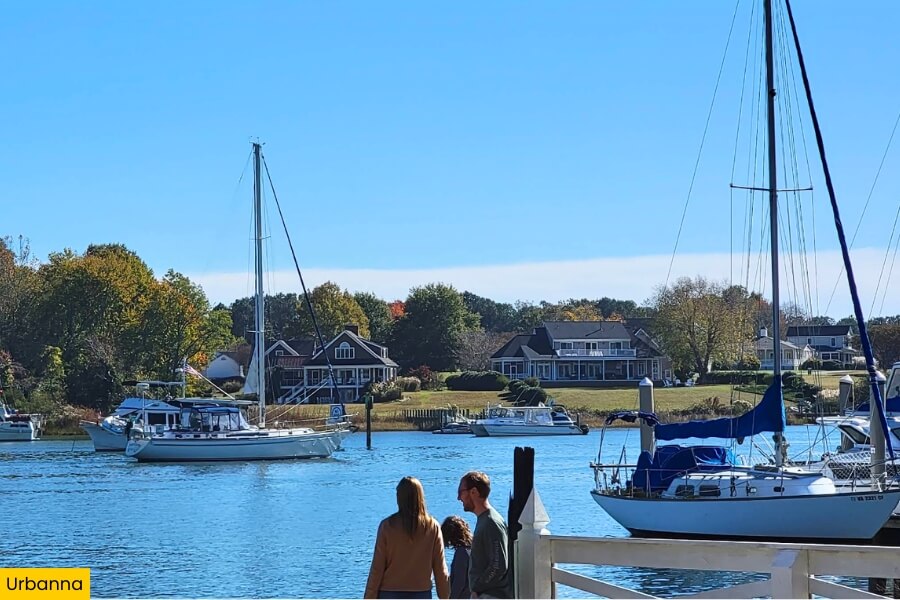
For a deeper look at local life, stop by the Urbanna Museum and Visitor Center, housed in a former Scottish Factor Store built around 1766, then wander past the town’s historic homes and waterfront marina.
You can also launch a kayak onto Urbanna Creek, browse the shops along Virginia Street, or order Chesapeake Bay oysters at a local restaurant before watching boats cruise toward the Rappahannock.
3. Gordonsville
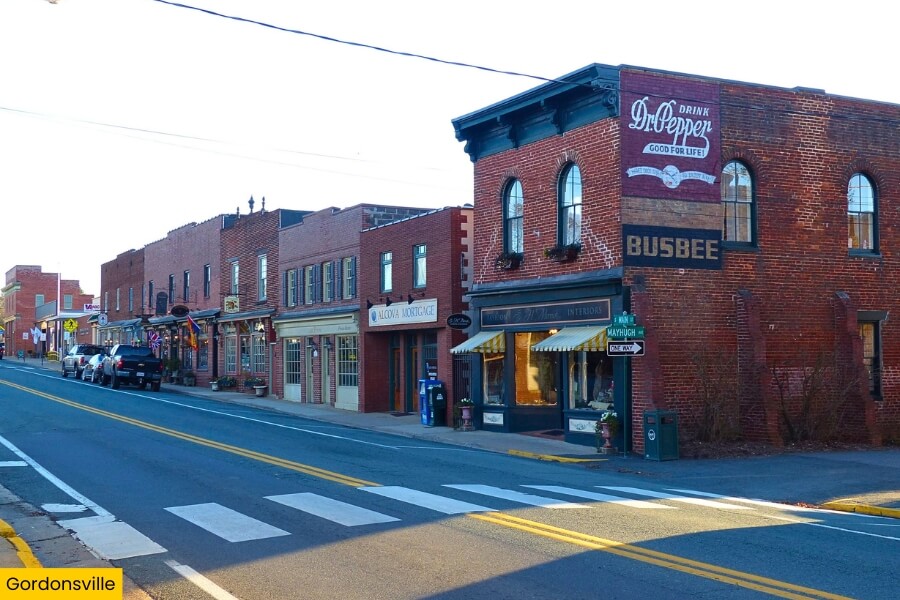
Leaving the waterfront behind, Gordonsville takes you into central Virginia, about a 30-minute drive from Charlottesville, with a compact downtown shaped by railroads, Civil War stories, and seriously good Southern food.
Start at the Exchange Hotel Civil War Medical Museum, an 1860 railroad hotel that became a Confederate receiving hospital and provided care for tens of thousands of sick and wounded soldiers during the war.
Gordonsville also became famous for fried chicken in the 1800s, when local women sold hot meals through train windows to hungry passengers stopping at the busy railroad junction.
Today, you can walk past colorful shops and restaurants along Main Street, browse antiques, and make the short drive to James Madison’s Montpelier, the former president’s 2,650-acre estate about 20 minutes from town.
4. Clarksville
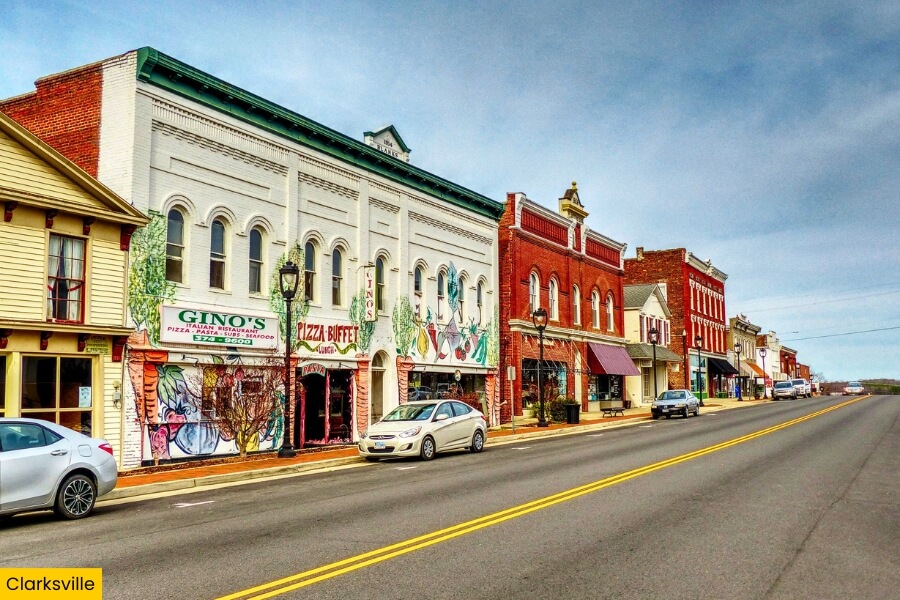
For a completely different side of Virginia, Clarksville sits beside Kerr Lake in the southern part of the state, near the North Carolina border.
The massive 50,000-acre reservoir is the star here, with more than 800 miles of shoreline where you can boat, fish for largemouth bass and striped bass, swim, or watch the sunset from the water.
Downtown adds plenty to explore, including shops and restaurants along Virginia Avenue and the Clarksville Regional Museum, where exhibits cover tobacco farming, Native American artifacts, and the area’s past.
Come in July and you can catch LakeFest, a long-running celebration that packs Clarksville with hot-air balloons, live music, vendors, fireworks over Kerr Lake, and thousands of festivalgoers.
5. Clifton Forge
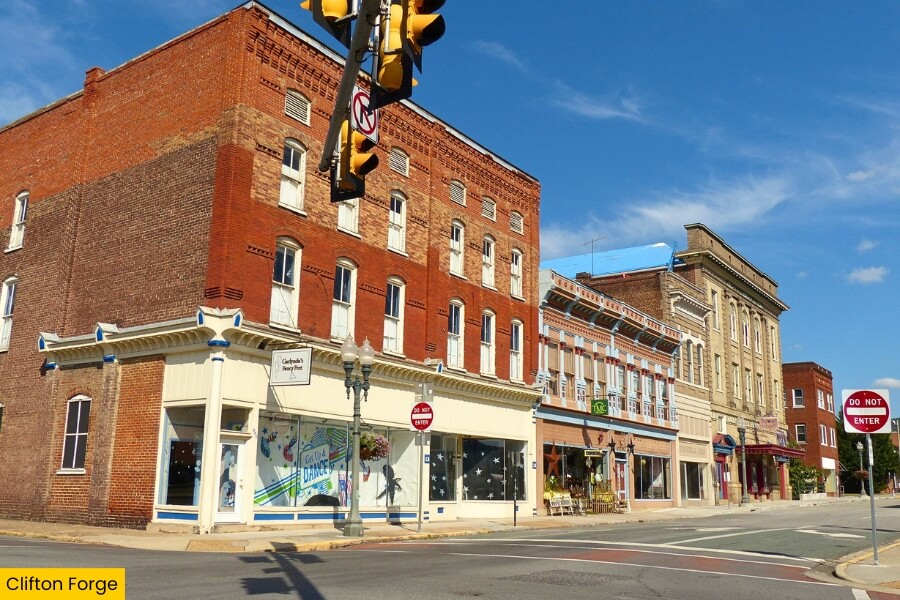
Mountains take center stage in Clifton Forge, a western Virginia town in the Allegheny Mountains where railroads helped turn a small settlement into a busy transportation hub.
You can dig into that story at the Chesapeake & Ohio Historical Society’s C&O Railway Heritage Center, where restored locomotives, railcars, signals, and exhibits show how trains shaped the town.
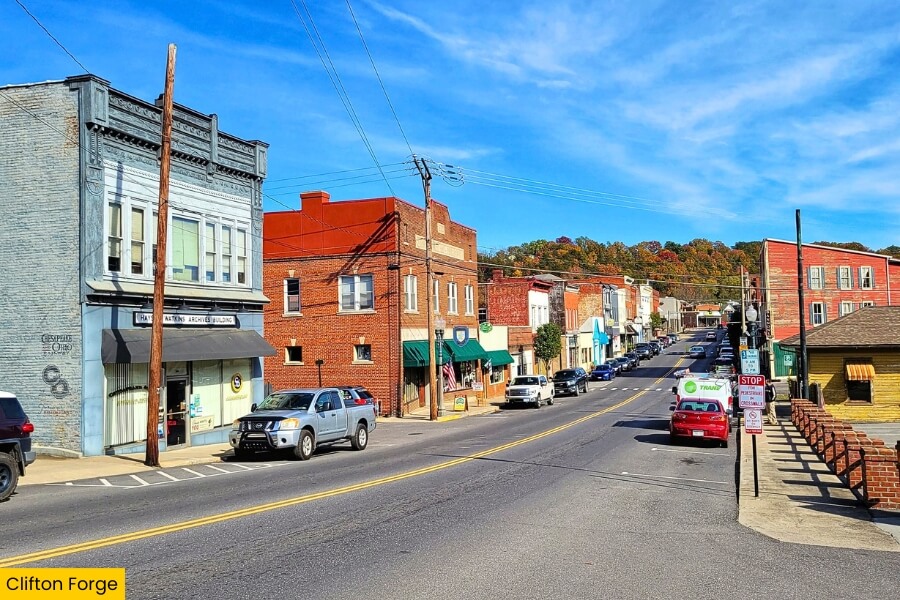
For some outdoor time, head about 10 minutes to Douthat State Park, a 4,545-acre park with more than 40 miles of trails for hiking and mountain biking, plus a 50-acre lake for fishing, paddling, and swimming.
Back downtown, catch a performance at the Historic Masonic Theatre, which opened in 1906, then check out the nearby LOVEwork sign that gives your Clifton Forge photos a fun local touch.
6. Monterey
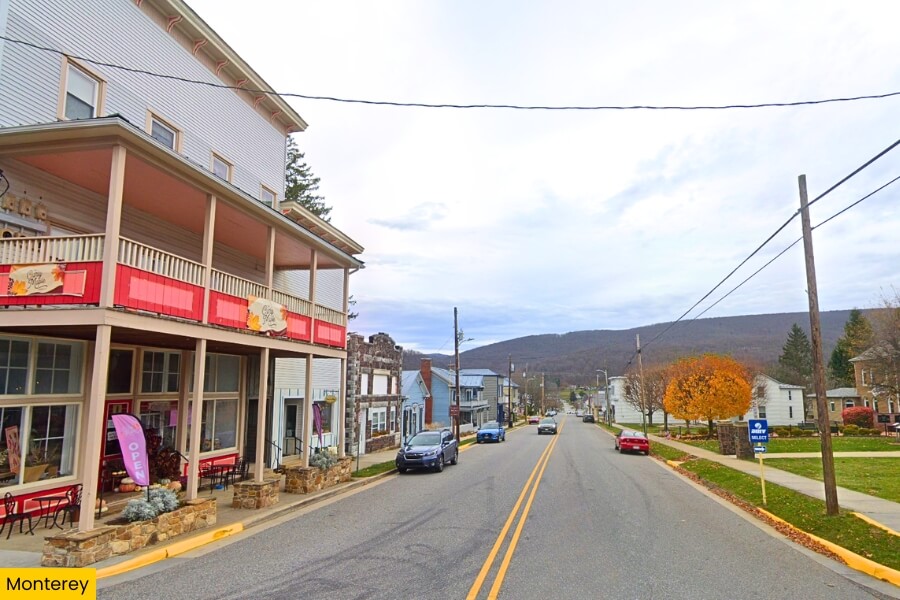
Even deeper into Virginia’s mountain country, Monterey sits in Highland County, a sparsely populated area near the West Virginia border that is famous for maple syrup and sweeping farm views.
March brings the Highland County Maple Festival, a tradition dating to 1959, when you can tour sugar camps, watch maple sap become syrup, and devour local favorites like maple doughnuts and buckwheat cake meals.
Browse small shops along Main Street and admire the Highland County Courthouse, an eye-catching brick landmark built in 1948 on the site of the county’s original mid-19th-century courthouse.
Monterey also makes a great base for exploring Highland County’s winding mountain roads, trout streams, and family-run farms, especially during fall when the surrounding Allegheny Mountains burst into shades of red, orange, and gold.
7. Tazewell
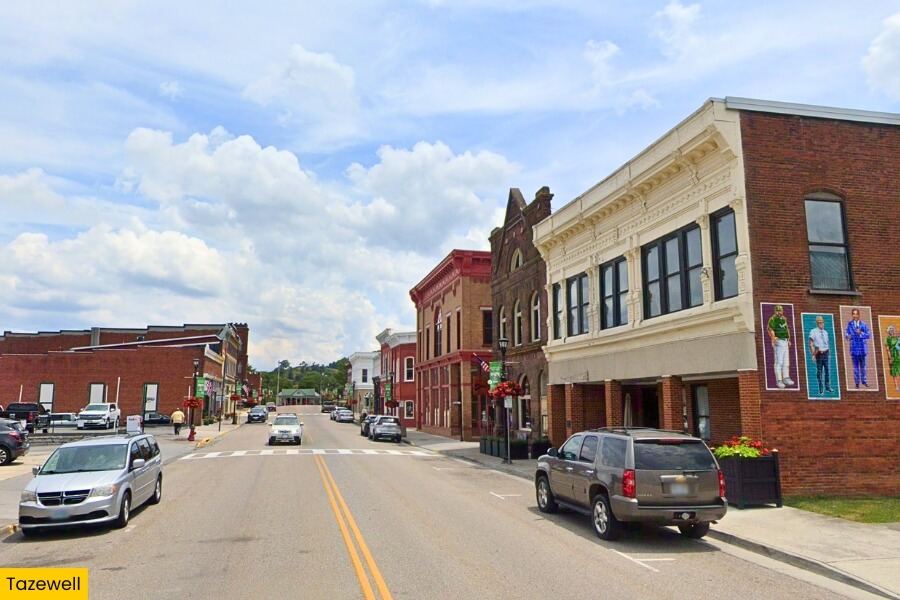
Southwest Virginia brings another mountain surprise in Tazewell, a small Appalachian town surrounded by steep ridges and rolling farmland near the West Virginia border.
The big adventure is the Back of the Dragon, a famous 32-mile stretch of Virginia Route 16 between Tazewell and Marion that twists through three mountains with more than 400 curves.
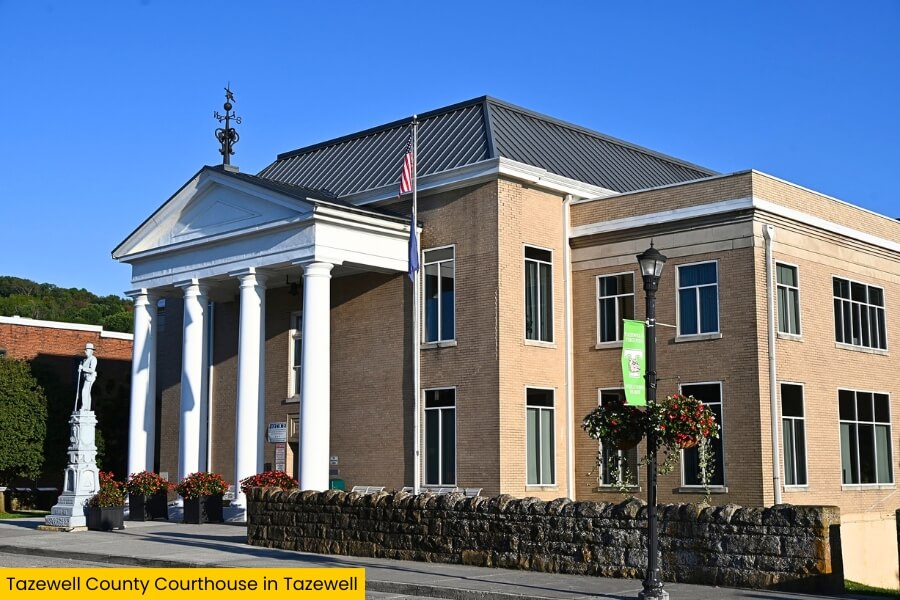
Back in town, walk along Main Street to see the Tazewell County Courthouse, browse local businesses, and stop by the Back of the Dragon Welcome Center for maps, souvenirs, food, and live events.
History runs deep here too, with nearby Crab Orchard Museum & Pioneer Park featuring historic log buildings, farm displays, Native American artifacts, and exhibits that explore more than 500 years of Southwest Virginia life.
8. Pearisburg
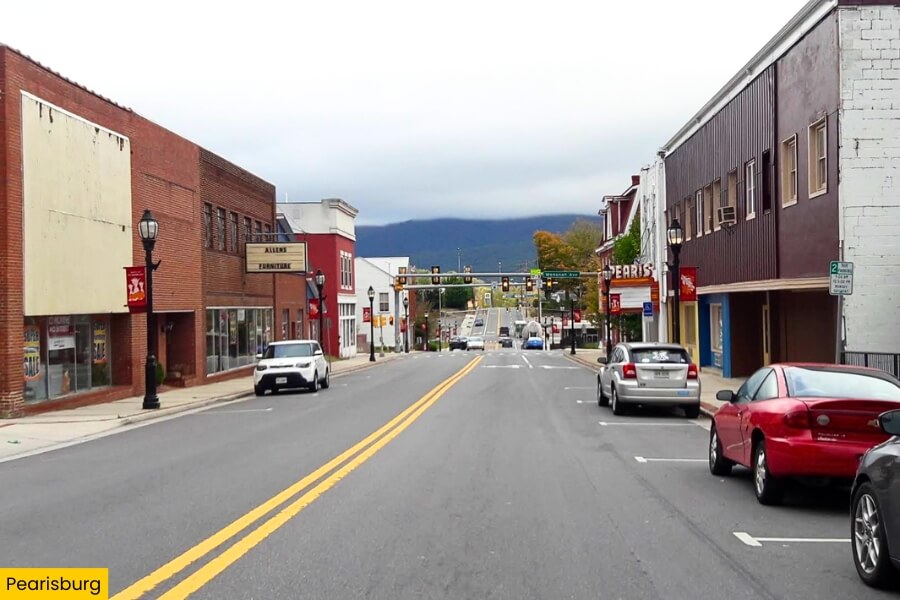
Pearisburg keeps the mountain scenery going, but this Giles County town adds one huge claim to fame: the Appalachian Trail passes right by town on its 2,190-plus-mile journey from Georgia to Maine.
For an unforgettable hike, tackle nearby Angels Rest, a roughly 5.6-mile round trip with about 1,900 feet of elevation gain and a rocky overlook above Pearisburg and the New River Valley.
You can also visit the Giles County Historical Society Museum, explore the historic courthouse area, or head to the New River for kayaking, tubing, and smallmouth bass fishing.
Keep an eye out for Appalachian Trail thru-hikers around town, especially in spring, when Pearisburg becomes a handy stop for hikers grabbing hot meals, supplies, showers, and a well-earned break from the trail.
Related Posts