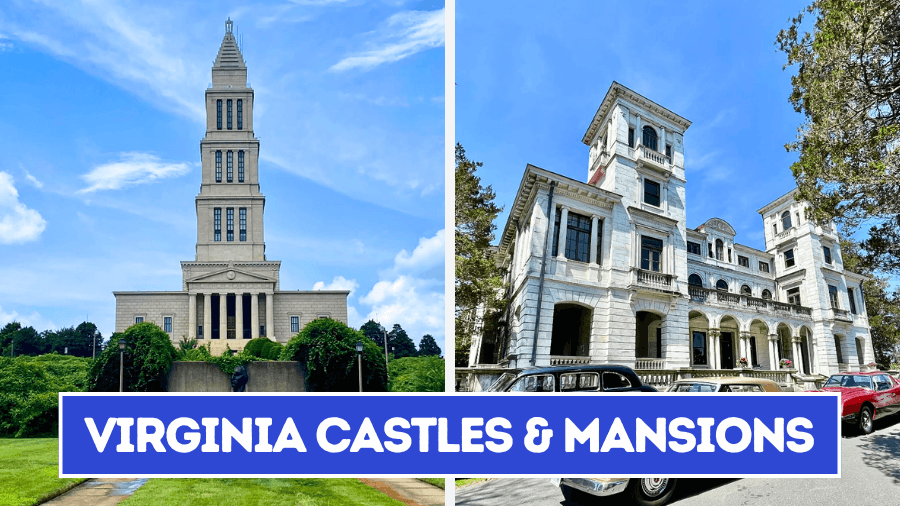
You don’t need a plane ticket to Europe to spend a road trip wandering through towering stone halls, grand old mansions, formal gardens, and centuries-old estates.
Virginia has some seriously impressive buildings, and this route links seven stops filled with dramatic architecture, presidential stories, hidden rooms, and enough history to keep every stop interesting.
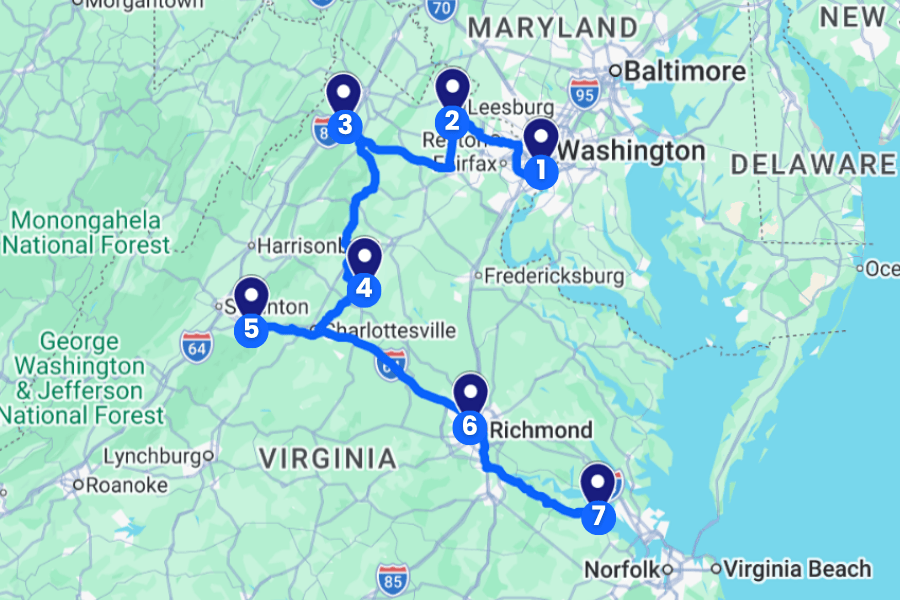
Along the way, you’ll see everything from a sky-high monument inspired by an ancient wonder to an English manor that crossed the Atlantic piece by piece.
Ready for a road trip with a little castle magic?
These seven Virginia landmarks have some incredible stories waiting behind their doors.
1. George Washington Masonic National Memorial
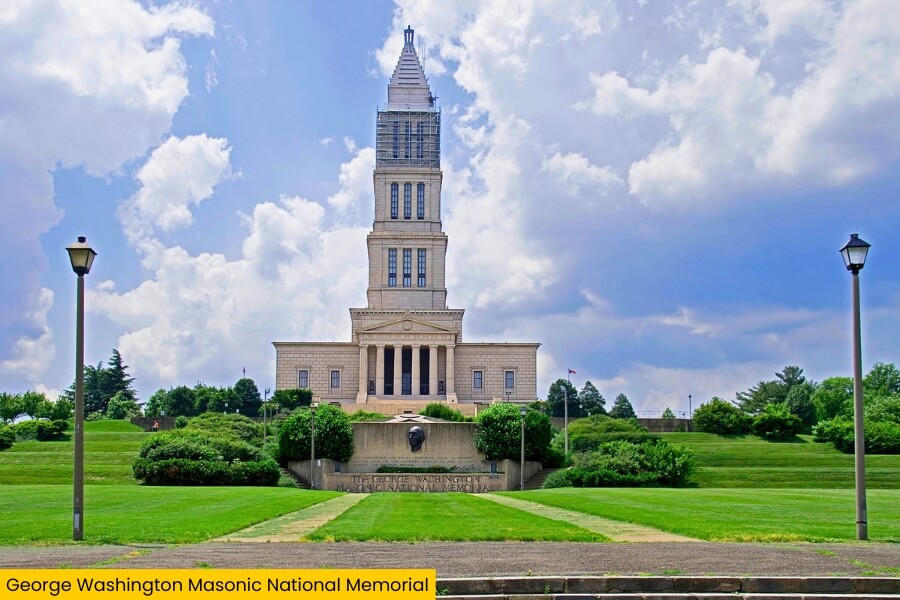
Rising 333 feet above Alexandria, the George Washington Masonic National Memorial looks straight out of a storybook, with its massive stone tower inspired by an ancient Mediterranean lighthouse.
Built on Shuter’s Hill and dedicated in 1932, the memorial honors George Washington, who served as the first U.S. president and was also a Freemason and Master of Alexandria Lodge No. 22.
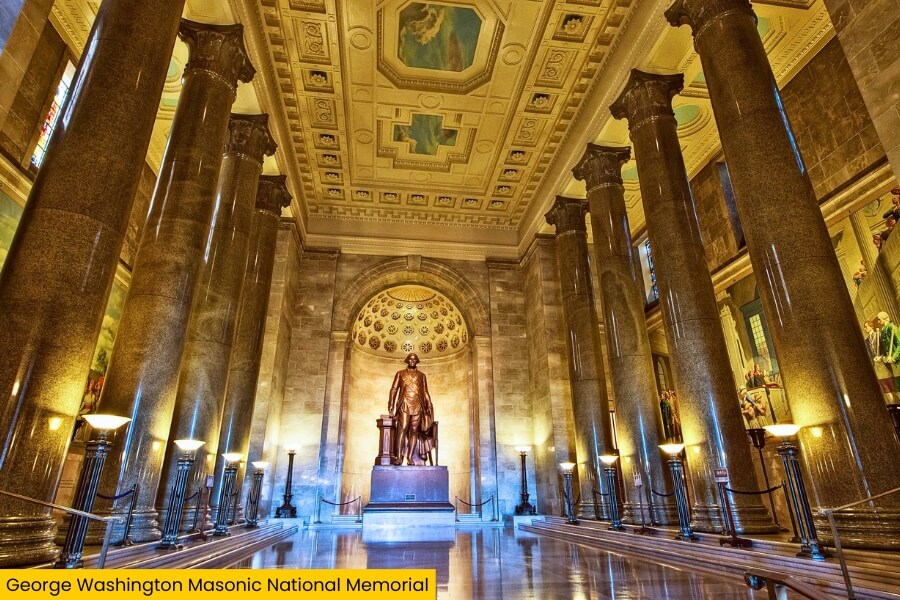
Head inside to explore museum exhibits, ornate lodge rooms, Washington artifacts, colorful murals, and the impressive Memorial Hall, where a 17-foot bronze statue of Washington commands attention.
You can also take an elevator toward the observation areas for sweeping views of Alexandria, the Potomac River, and Washington, D.C., making this towering landmark one seriously memorable stop.
2. Oatlands Historic House & Gardens
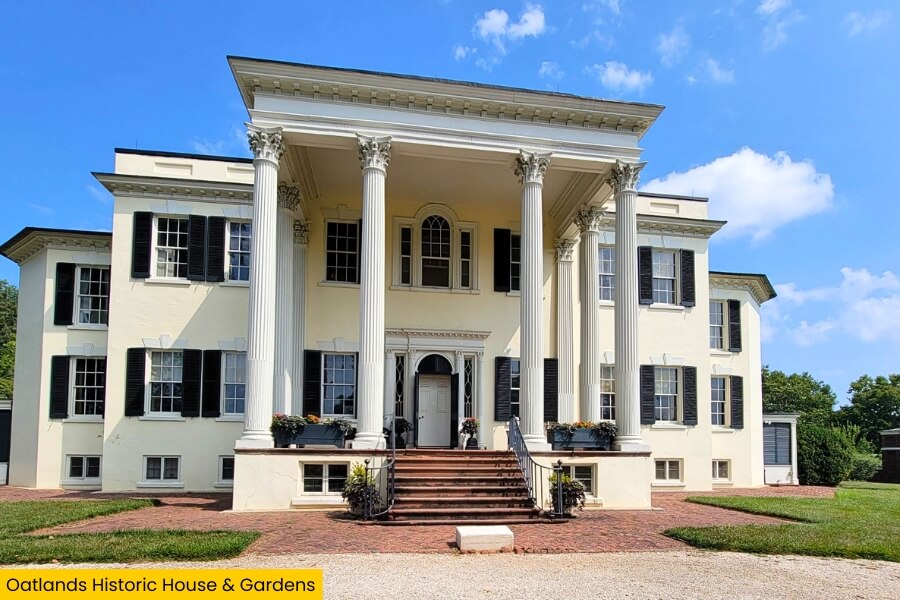
Next, head over to the quiet country setting of Oatlands Historic House & Gardens, a 400-acre property located about a 10-minute drive from Leesburg in Loudoun County.
The centerpiece is a stately Federal-style mansion built in 1804 by George Carter, a member of one of Virginia’s prominent plantation families, with guided tours covering the Carter family and the enslaved people who lived and worked here.
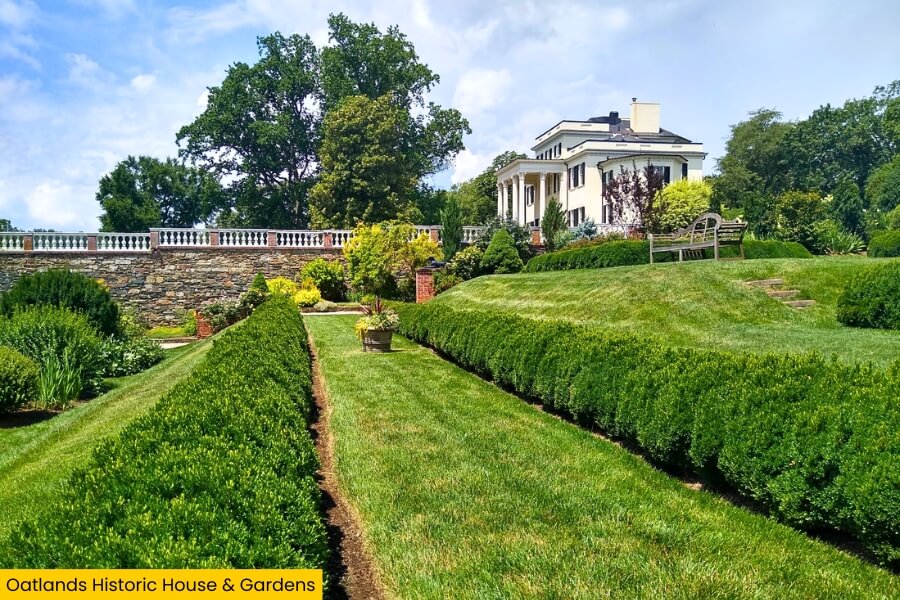
Outside, wander through the 4.5-acre terraced garden, where boxwood paths, brick walls, flowers, and a propagation greenhouse give you plenty to explore beyond the house.
Oatlands is also a National Historic Landmark, and its surviving barns, carriage house, smokehouse, and other buildings help show what daily life looked like on this large Virginia plantation across more than two centuries.
3. Belle Grove Plantation
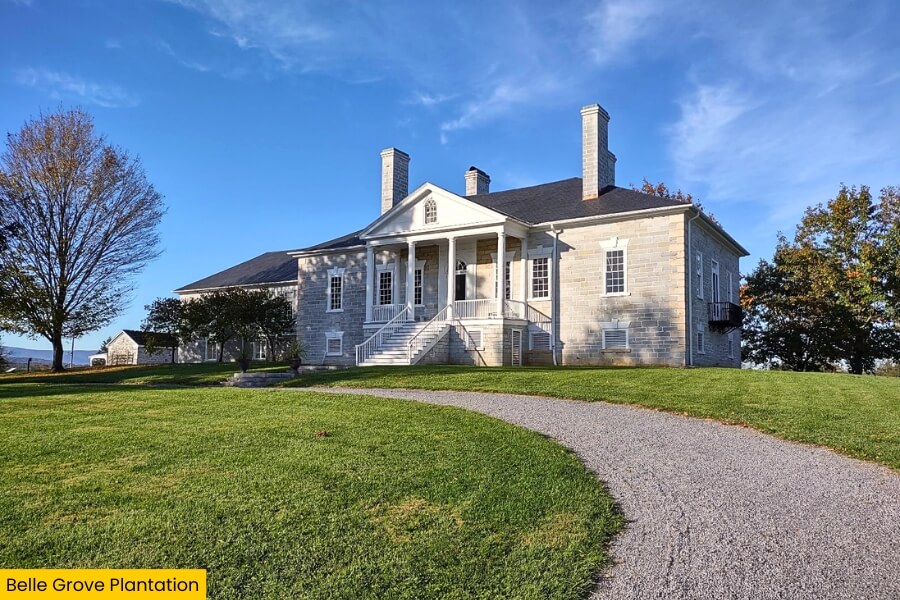
Keep the grand-house tour rolling at Belle Grove Plantation near Middletown, where an imposing limestone manor overlooks fields and the Blue Ridge Mountains in Virginia’s Shenandoah Valley.
Completed in 1797 for Isaac Hite Jr. and Nelly Madison Hite, sister of President James Madison, the Federal-style house contains original woodwork, period furnishings, and exhibits that also tell the stories of the enslaved people whose labor sustained the plantation.
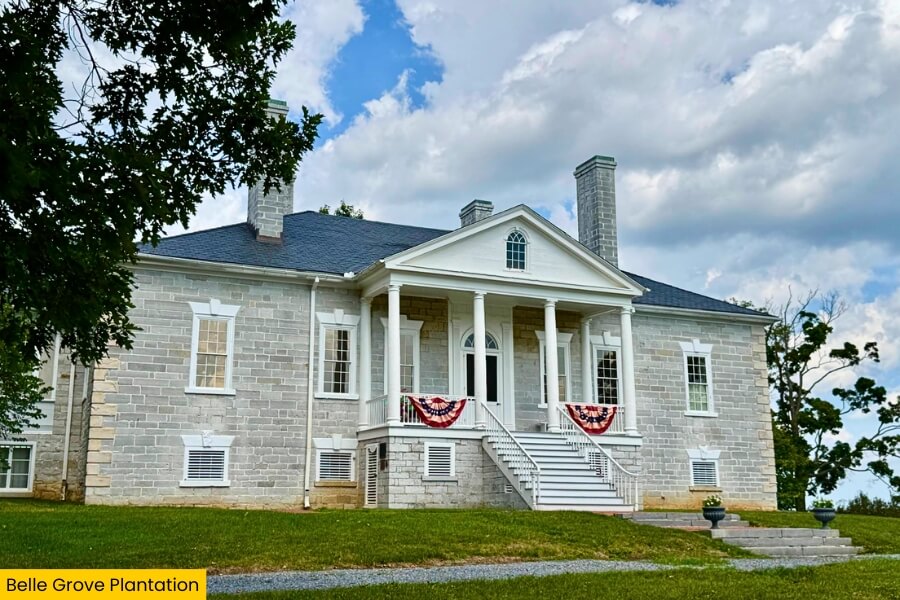
Tour the manor, walk the gardens, check out the historic icehouse and smokehouse, and explore part of the surrounding 283-acre property, which sits within Cedar Creek and Belle Grove National Historical Park.
The estate also stood at the center of the 1864 Battle of Cedar Creek, adding a major Civil War chapter to this mansion stop.
4. James Madison’s Montpelier
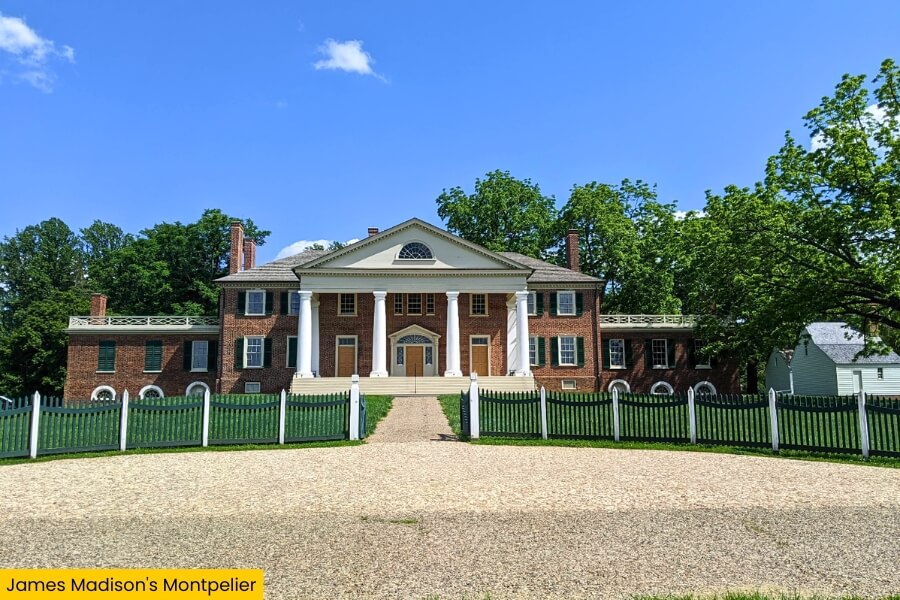
Next up is James Madison’s Montpelier in Orange, the longtime home of America’s fourth president and his wife, Dolley Madison.
The mansion grew from a house built by Madison’s father around 1764 into the 22-room residence you see today, where tours explore Madison’s role in shaping the U.S. Constitution while also examining the lives of people enslaved on the plantation.
Beyond the columned mansion, you can explore more than eight miles of walking trails, archaeological sites, reconstructed enslaved-community dwellings, formal gardens, and the Madison family cemetery.
Montpelier covers 2,650 acres near the Blue Ridge Mountains, so give yourself extra time to explore the grounds after seeing the rooms where Madison studied, wrote, and entertained political leaders.
5. Swannanoa
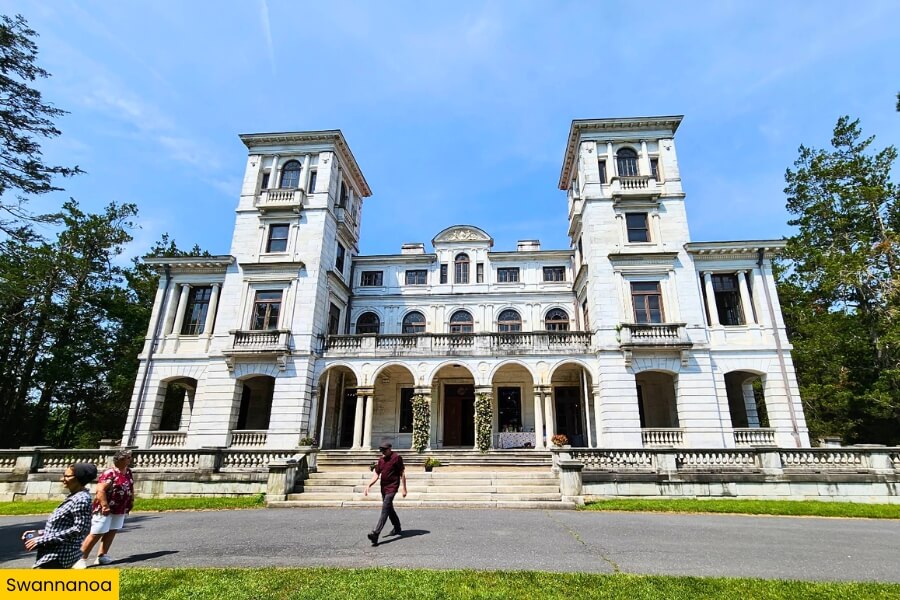
Swannanoa turns up the drama with a 52-room Italian Renaissance Revival mansion perched high on Afton Mountain near Waynesboro.
Completed in 1912 for railroad executive James H. Dooley and his wife, Sallie May, the marble-covered mansion was designed as a summer home and reportedly cost about $2 million to build.
When Swannanoa opens for scheduled tours and events, you can step inside to see a grand staircase, elaborate plasterwork, carved details, and a huge Tiffany stained-glass window featuring Sallie May in a flowing gown.
The estate also has terraced grounds and wide mountain views, with swan motifs appearing throughout the mansion’s decoration.
6. Agecroft Hall & Gardens
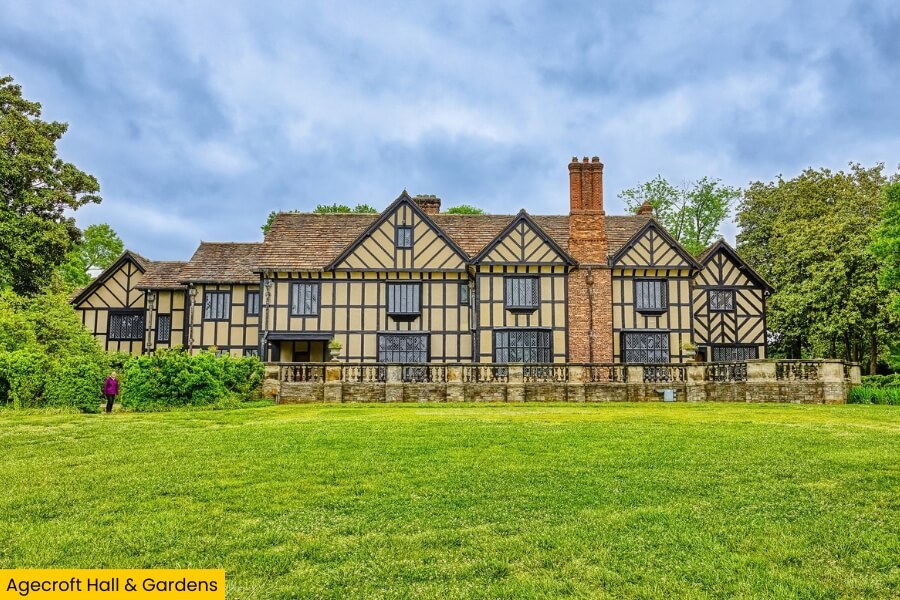
Head to Richmond for Agecroft Hall & Gardens, where a 16th-century English manor somehow ended up overlooking the James River.
The original Agecroft Hall stood in Lancashire, England, but businessman Thomas C. Williams Jr. bought it in 1925, had parts shipped across the Atlantic, and rebuilt the house in Richmond’s Windsor Farms neighborhood.
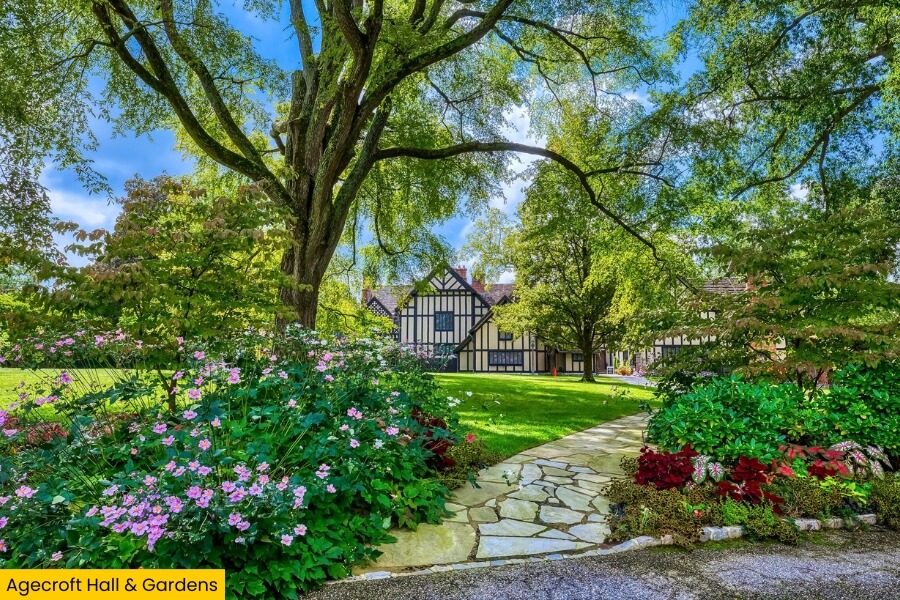
Tour the timber-framed mansion to see Tudor-style rooms, carved woodwork, leaded-glass windows, period furniture, and displays explaining how people lived in England during the late 1500s and early 1600s.
Outside, stroll through formal gardens designed by landscape architect Charles Gillette, including an Elizabethan knot garden, while the riverfront setting adds a surprisingly scenic backdrop to this transplanted piece of England.
7. Bacon’s Castle
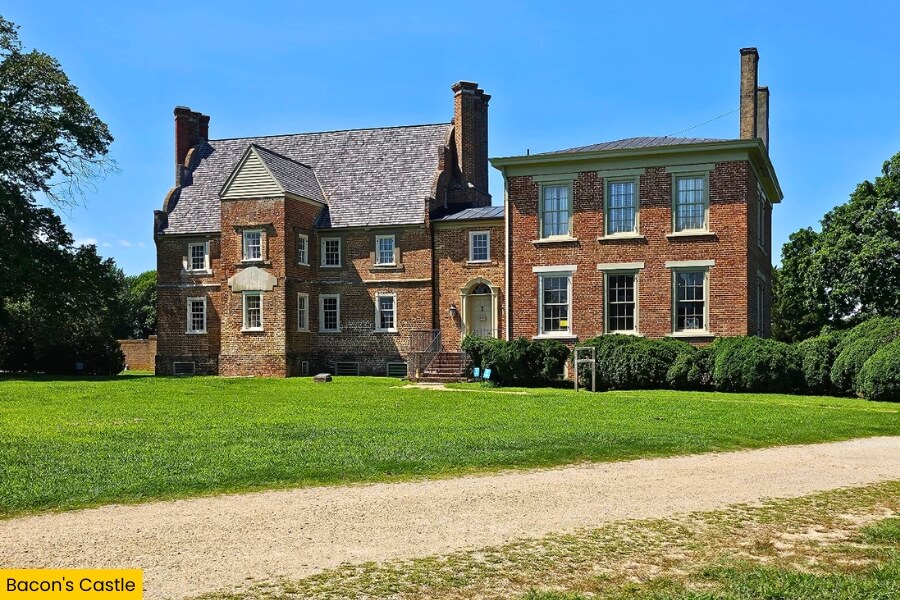
Finish your road trip at Bacon’s Castle in Surry, where you can see the oldest surviving brick home in Virginia, built in 1665 for wealthy merchant Arthur Allen.
Its tall chimneys, steep gables, and decorative brickwork are rare American examples of Jacobean architecture, giving this 17th-century house a totally different look from Agecroft Hall’s English Tudor design.
Tour the furnished rooms, explore surviving historic outbuildings, and walk through the formal garden while learning about the Allen family, the enslaved people who lived and worked here, and centuries of plantation life.
The house earned its unusual name after followers of Nathaniel Bacon occupied it during Bacon’s Rebellion in 1676, even though Bacon himself never lived here or, as far as records show, ever visited.
Related Posts