Tennessee might be famous for country music, barbecue, and the Smoky Mountains, but there’s a whole other side to the state that most road trippers never see.
Hidden in its hills, valleys, and riverbanks lie the remains of ancient towns, sacred sites, and mysterious earthworks that are older than Nashville’s first guitar strum.
Some of these spots are over a thousand years old, built by hand with stone tools, and their stories are still written in the land itself.
If you’re ready to step way back in time and uncover Tennessee’s oldest secrets, this road trip will take you there.
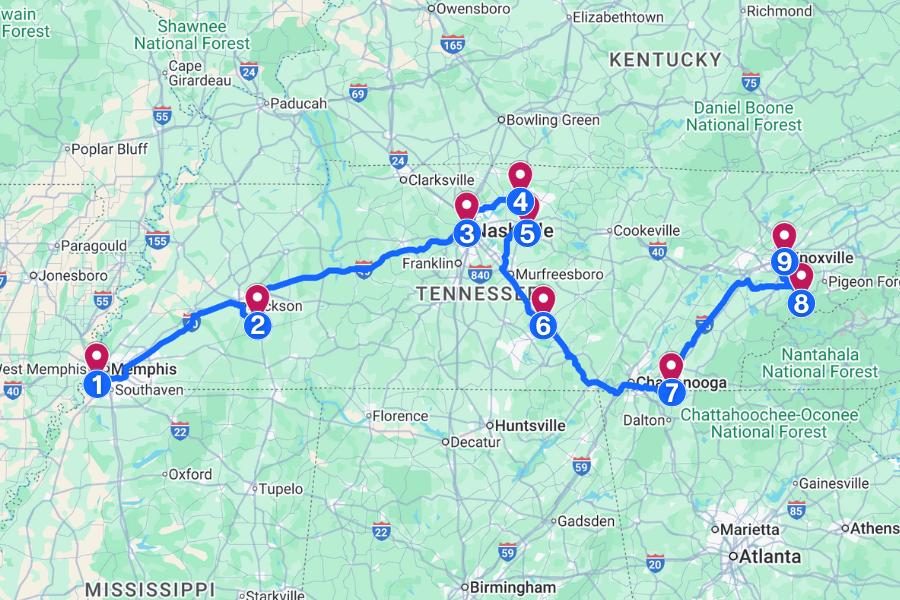
1. C.H. Nash Museum Chucalissa
The C.H. Nash Museum Chucalissa in Memphis stands on the grounds of a Mississippian-era Native American village dating back to 1000–1500 AD.
You can explore platform mounds, walk through a reconstructed Native house, and check out artifacts dug up from the site.
Beyond looking at old stuff in glass cases, this place also has a hands-on archaeology lab where you can help clean and sort real prehistoric artifacts.
It’s basically your chance to time-travel to an ancient riverfront community that thrived long before Tennessee was even a state.
2. Pinson Mounds State Archaeological Park

About two hours from Chucalissa, Pinson Mounds State Archaeological Park takes the prehistoric wow-factor to a whole new scale.
This massive complex has 17 earthen mounds, including Sauls Mound, which rises 72 feet and ranks as the second-tallest Native American mound in the U.S.
Built in the Middle Woodland period (1–500 AD), the site likely served as a ceremonial gathering place, and walking the trails feels like retracing ancient footsteps.
Climb to the top of Sauls Mound and you’ll get a sweeping view of the entire complex, a reminder that it was built entirely by hand over 1,500 years ago.
3. Tennessee State Museum
After exploring ancient earthworks, the Tennessee State Museum in Nashville pulls all those prehistoric puzzle pieces together under one roof.
The “First Peoples” exhibit highlights rare Paleo-Indian tools and important examples of Mississippian-era statuary.

You can also follow the story of Tennessee’s earliest inhabitants, from Ice Age hunters to mound builders, through a collection of stunning artifacts.
It’s the perfect spot to connect the dots between the ancient sites you’ve walked on and the people who built them.
4. Castalian Springs Mound State Historic Site
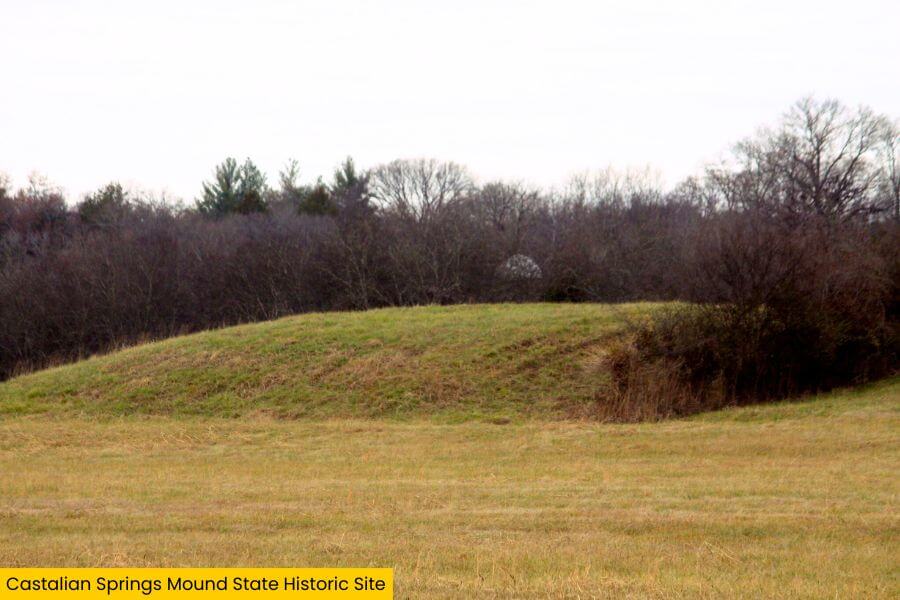
Just 45 minutes from Nashville, the Castalian Springs Mound State Historic Site drops you into a Mississippian village that flourished between 1200 and 1350 CE.
Here you’ll find the remains of platform mounds, village areas, and a large plaza where ceremonies and gatherings once took place.
The site is also famous for artifacts like engraved marine shell gorgets, which were carved with intricate designs.
Standing among the mounds, it’s easy to imagine a thriving community that was connected to a vast network of ancient cultures across the Southeast.
5. Sellars Farm State Archaeological Area
Only a 30-minute drive from Castalian Springs, Sellars Farm State Archaeological Area is a smaller site best known for its incredible Mississippian stone statues.
Dating from around 1000 to 1300 AD, it includes a preserved platform mound and the remains of a once-bustling village.
The most famous find here is the “Sandy” statue, a limestone figure of a kneeling man that captures the era’s artistry and symbolism.
The statue itself was designated as Tennessee’s State Artifact and is now held at the McClung Museum of Natural History & Culture (the last stop on this list).
Sellars Farm is a quieter stop, but one that delivers a powerful sense of connection to the people who shaped the state’s ancient past.
6. Old Stone Fort State Archaeological Park

In Manchester, Old Stone Fort State Archaeological Park is a site built by Woodland peoples roughly 2,000 years ago.

Despite the name, it’s not a fort but a huge ceremonial enclosure made from stone and earth, stretching about 4,600 feet and overlooking the forks of the Duck River.
The site is positioned above the river’s waterfalls and aligned with the summer solstice sunrise, offering a dramatic backdrop for rituals and gatherings.

Today, you can hike the 1.25-mile trail around the walls, with the sound of rushing water and sweeping forest views guiding every step.
7. Red Clay State Historic Park
Located in the southwestern corner of Bradley County, Red Clay State Historic Park tells an essential chapter of Tennessee’s Native American history.
This was the last council ground of the Cherokee Nation before their forced removal on the Trail of Tears.
Today, you can see the recreated council house, the sacred Blue Hole spring, and exhibits that preserve the voices and stories of the people who gathered here.
It’s a powerful reminder that Tennessee’s ancient story didn’t end with the mounds but continued into living memory.
8. Tuckaleechee Caverns

From sacred council grounds to underground depths, Tuckaleechee Caverns in Townsend lead you into formations that have been growing for millions of years.
Dubbed the “Greatest Site Under the Smokies,” these caves hold towering stalagmites, shimmering flowstone, and the 210-foot Silver Falls.

According to Cherokee legends, the caverns may have served as a shelter in the early 1800s.
Now, walking through its cool chambers feels like stepping into a hidden world where both nature and ancient people left their mark.
9. McClung Museum of Natural History & Culture
Back above ground in Knoxville, the McClung Museum of Natural History & Culture packs centuries of Tennessee’s story into one sleek space.
Its archaeology exhibits showcase significant artifacts and interpretation panels that bring the state’s earliest communities to life.
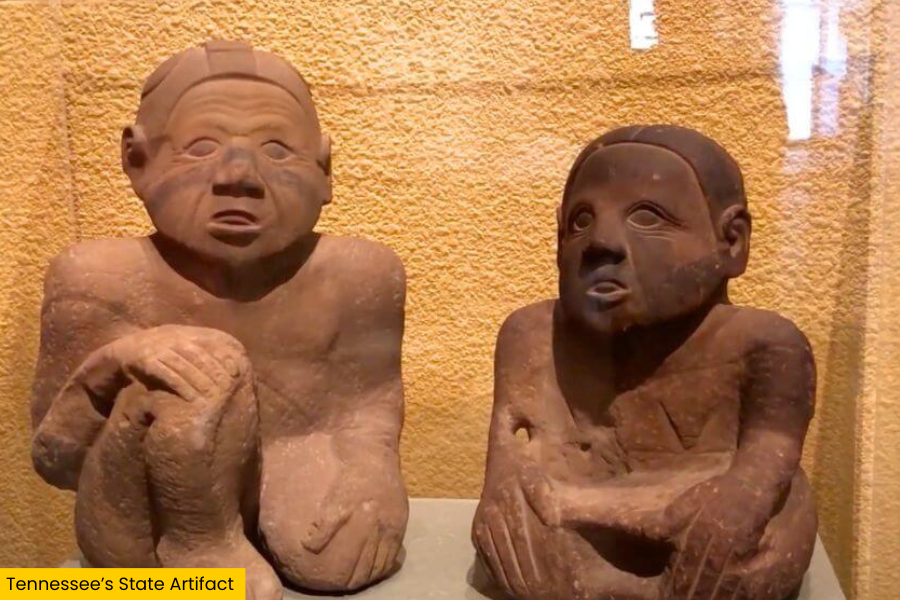
As mentioned earlier, Tennessee’s State Artifact, which was found at Sellars Farm State Archaeological Area, is held here at the McClung Museum.
You’ll even come across pieces from some of the mound sites you’ve explored on this trip, making it the perfect grand finale.
It’s the kind of place where you walk out knowing exactly how Tennessee’s ancient secrets all connect.
If you want to learn more about history beyond Tennessee, there are also exhibits on ancient history from far-flung places like Egypt.
Related Posts