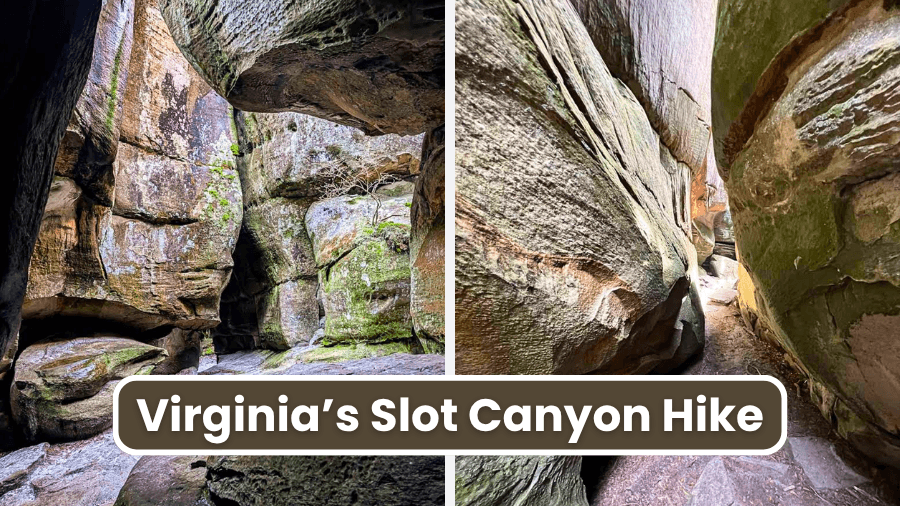
Virginia probably isn’t the first place you picture when you think of narrow slot canyons and towering rock walls.
But hidden at the end of a mountain hike is a maze of massive sandstone blocks and twisting corridors that look like they belong somewhere out West.
Reaching this geological wonder requires a real hike, making it even more surprising that such a wild landscape has been hiding in the state for millions of years.
Here’s where to find it and what you need to know before you go.
Where Is It?
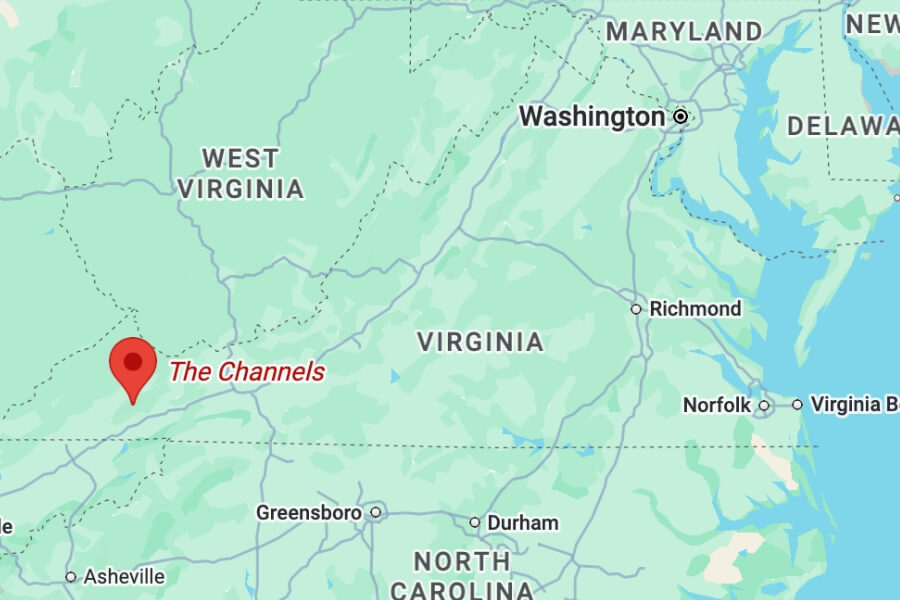
The Great Channels of Virginia are located high on Clinch Mountain within the Channels Natural Area Preserve, which stretches across Washington and Russell counties.
Despite its remote mountain setting, it’s only a 50-minute drive from Abingdon, an hour from Bristol, 2.5 hours from Roanoke, and 5 hours and 20 minutes from Richmond.
About
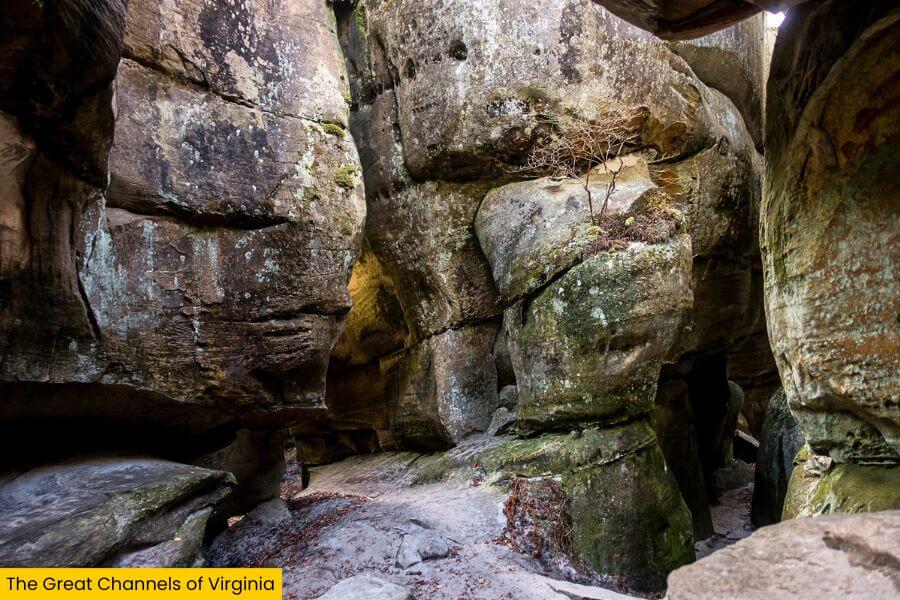
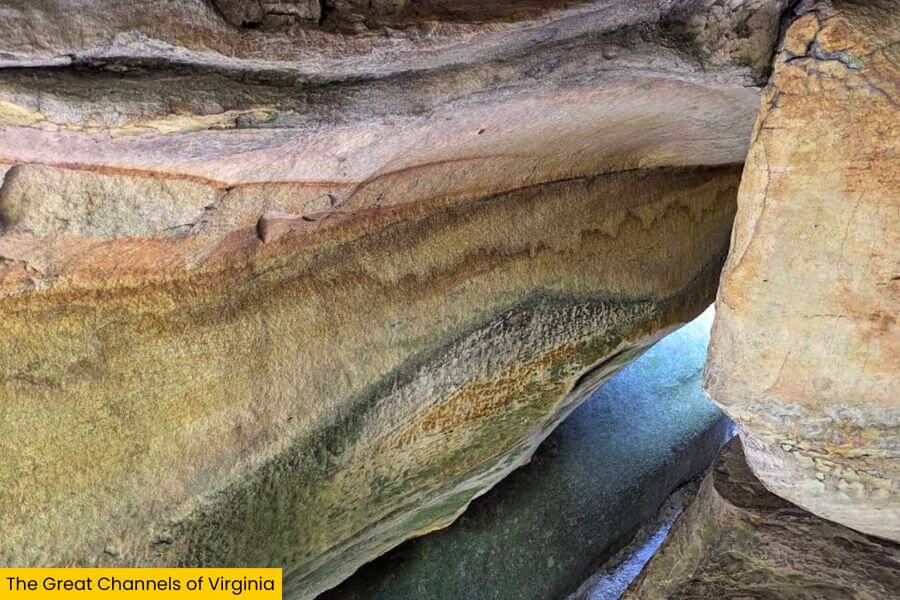
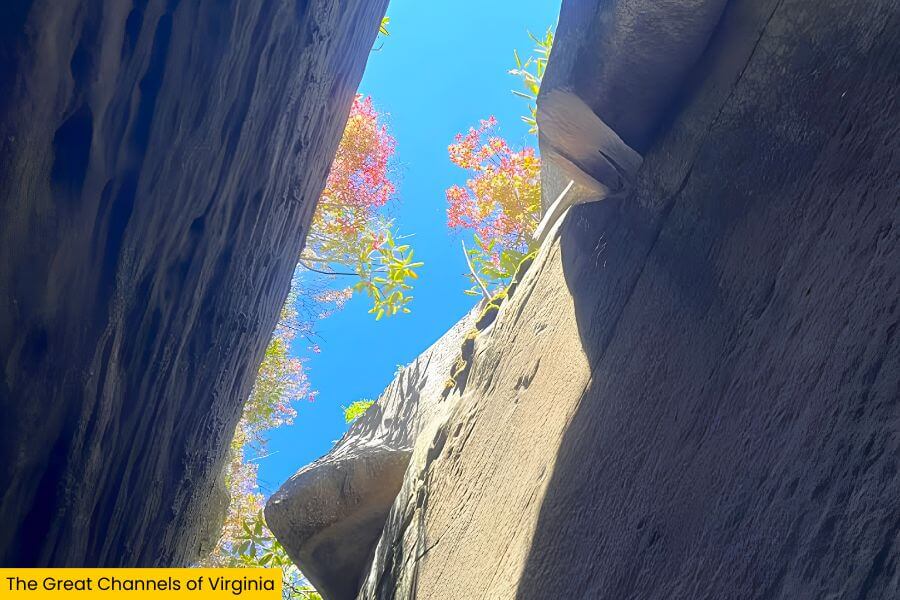
The Great Channels of Virginia look like a slot canyon you’d expect out West, with a maze running through roughly 400-million-year-old sandstone.
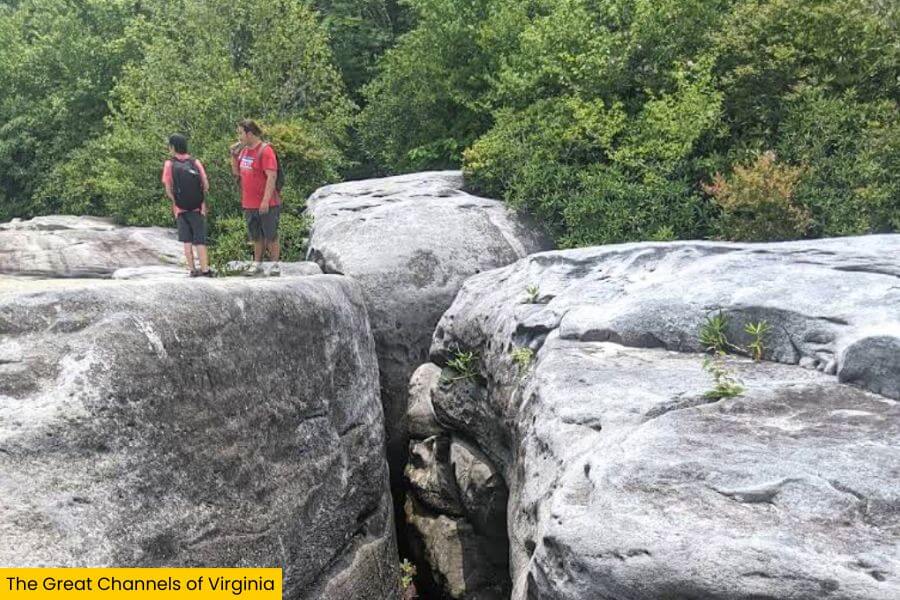
This unusual landscape is believed to date back to the last Ice Age, when permafrost and repeated freezing gradually widened natural cracks in the rock.
Those cracks eventually became the tight passageways you can walk through today, some narrow enough to touch both walls at once.
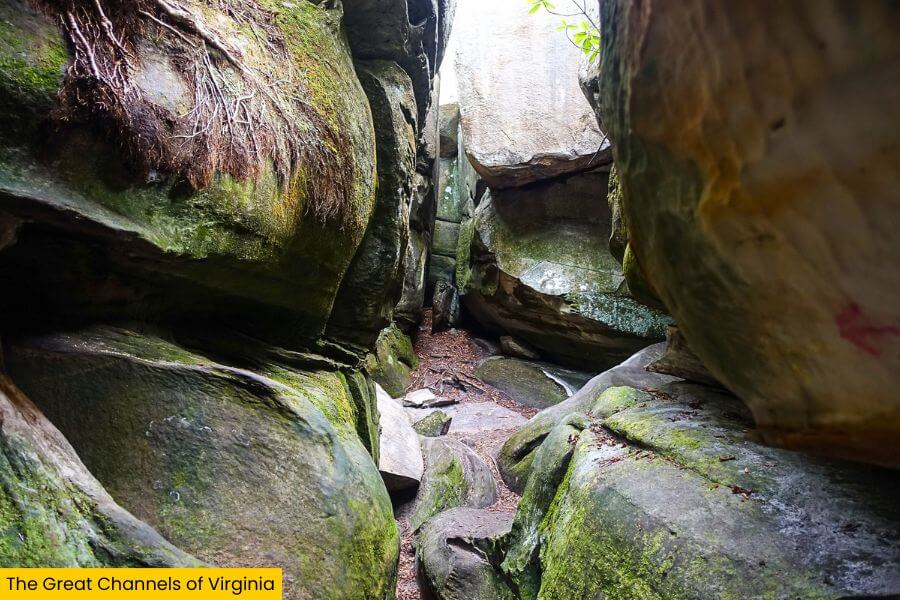
Reaching them requires some work, though, with the main access starting from a small 10-space gravel lot along Route 80 at Hayter’s Gap.
From here, you’ll follow the 6.6-mile round-trip Brumley Mountain Trail, gaining about 1,332 feet as the path turns from gravel to dirt and climbs deeper into the forest.
Before reaching Middle Knob, look for a short side trail leading to a rocky overlook with views of Mount Rogers and Whitetop Mountain, Virginia’s two highest peaks.
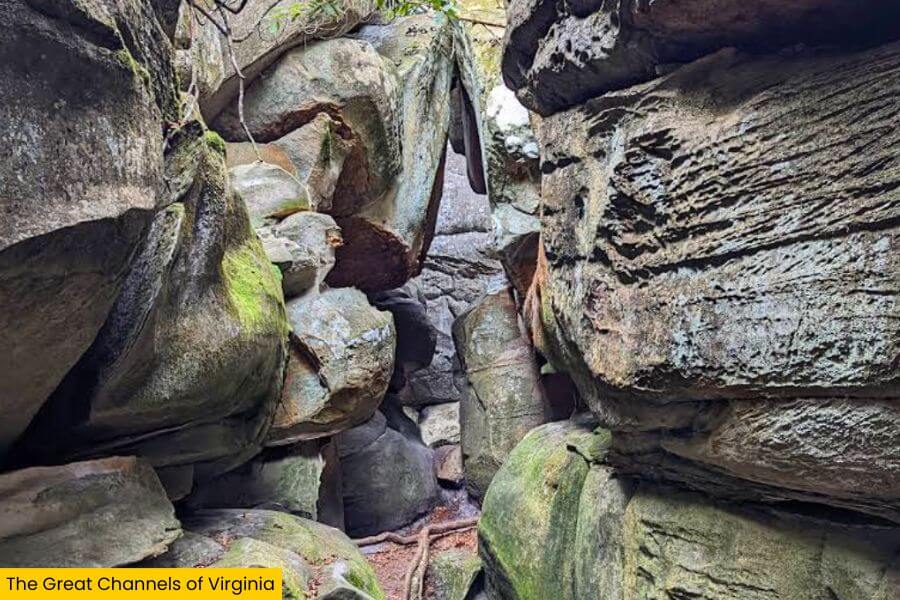
Back on the main trail, you’ll cross a massive rock field and pass an old fire tower before heading through dense foliage toward the maze of sandstone crevices.
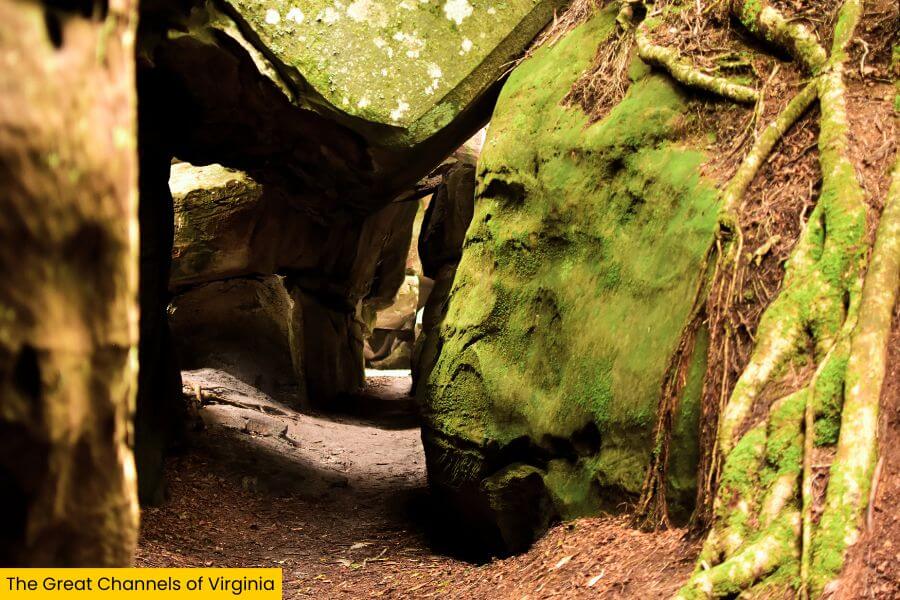
Huge blocks create narrow corridors, dead ends, tight turns, and little openings that make the area surprisingly fun to explore.
Some passages are only a few feet wide, and the tall rock walls can block enough sunlight to keep sections noticeably cooler than the exposed path.
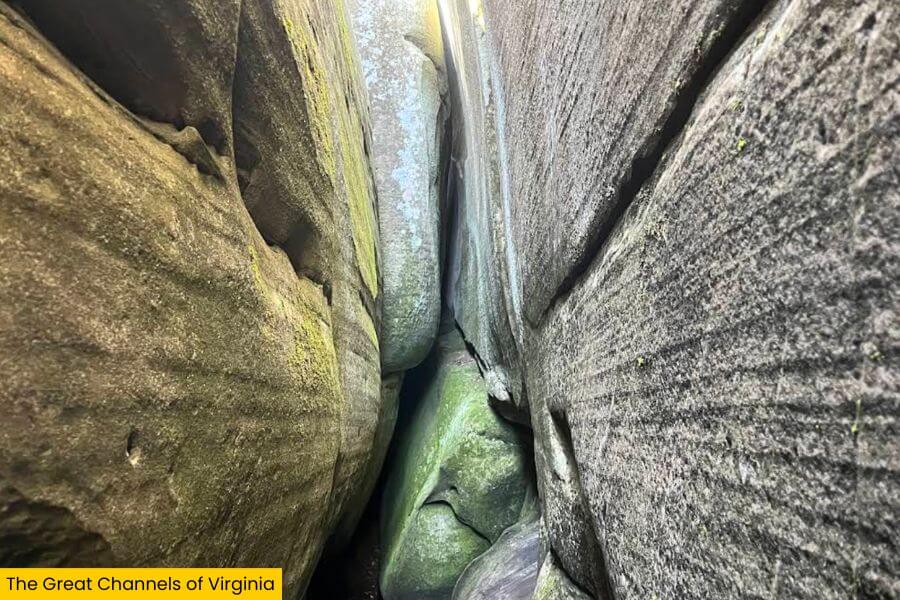
There’s no set path once you’re among the formations, so give yourself plenty of time to poke around the different turns and openings before heading back down.
You’ll also want sturdy hiking shoes because the rock surfaces can be uneven, damp, and slippery, particularly after rain.
And of course, don’t forget to stop for photos along the way because the scenery only gets more impressive once you’re inside.
Know Before You Go
Best Time to Visit
The Great Channels are open year-round from sunrise to sunset, but spring and fall are two of the best times to tackle the hike.
April and May bring comfortable hiking temperatures and fresh green leaves, while October usually adds colorful fall foliage across Clinch Mountain.
Summer works too, but remember that you’ll climb roughly 1,332 feet on the way up, and Virginia’s heat and humidity can make those uphill miles feel much tougher.
Winter can mean fewer people and clearer views through the trees, but snow and ice can make the trail and sandstone passages slippery.
Entrance Fees and Parking
There is no entrance fee to visit the Channels Natural Area Preserve, meaning this adventure won’t cost you anything beyond gas and hiking snacks.
Parking is another story because the trailhead lot is tiny.
There are only 10 designated spaces, so if they’re all taken, do not leave your car along Route 80 or block gates and access points.
Arrive early on weekends, especially during peak fall foliage season, to give yourself the best chance of getting a spot.
What to Bring
There are no restrooms, water fountains, trash cans, restaurants, or other visitor facilities at the trailhead or anywhere within the preserve.
With nowhere to stock up once you arrive, bring plenty of water, snacks, and everything else you’ll need for several hours on the mountain.
Cell service can also be unreliable in this part of southwest Virginia, so download your map and driving directions before you leave.
Protect the Preserve
Stay on established trails and avoid climbing the sandstone walls to help protect the area’s unusual geology.
Pack out everything you bring and leave rocks, plants, and other natural features exactly where you found them.
Related Posts