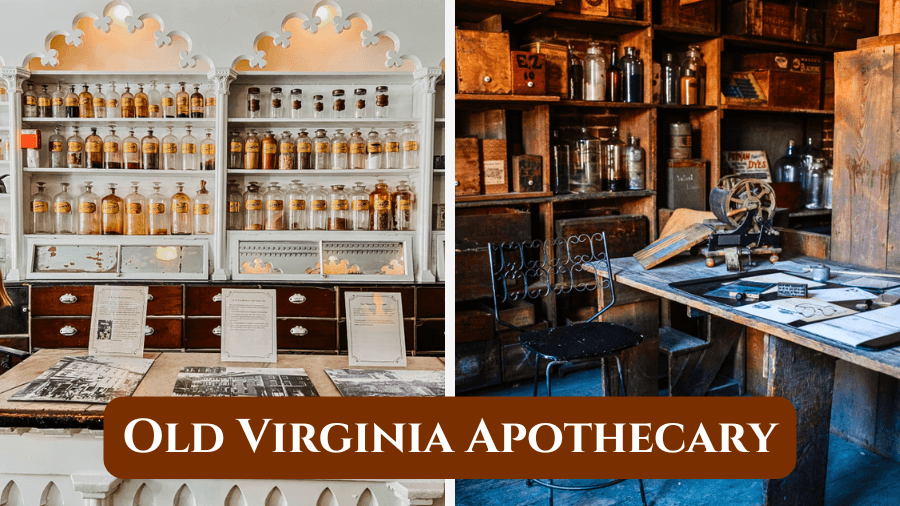
Imagine walking into an old apothecary and finding shelves still packed with glass bottles, handwritten labels, wooden drawers, and ingredients pharmacists used more than a century ago.
That’s exactly what you’ll find inside this incredible Virginia museum, where a family-run pharmacy operated for 141 years before closing in 1933.
Even the original counters and cabinets remain, making it surprisingly easy to picture pharmacists standing behind them and mixing medicines by hand.
So how did an entire apothecary survive nearly untouched after its doors closed?
The story behind this unusual museum is every bit as fascinating as the things still sitting on its shelves.
Where Is It?
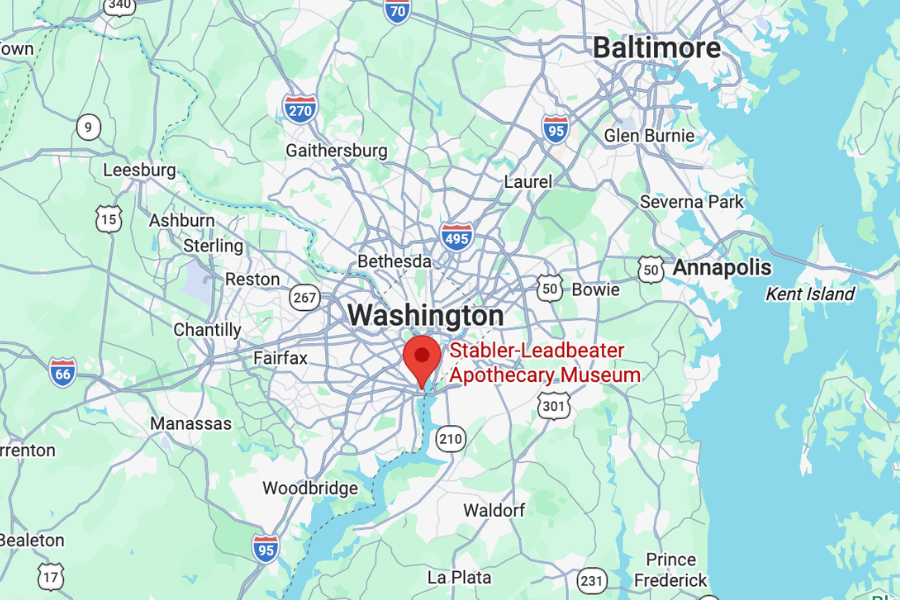
The Stabler-Leadbeater Apothecary Museum is located at 105-107 S. Fairfax Street in Old Town Alexandria, Virginia, near the Potomac River.
It’s about a 20-minute drive from downtown Washington, D.C., under 20 minutes from Arlington, and roughly 1 hour 40 minutes from Richmond, depending on traffic.
If you’re exploring Old Town on foot, you’re also just one block from the shops and restaurants along King Street.
About
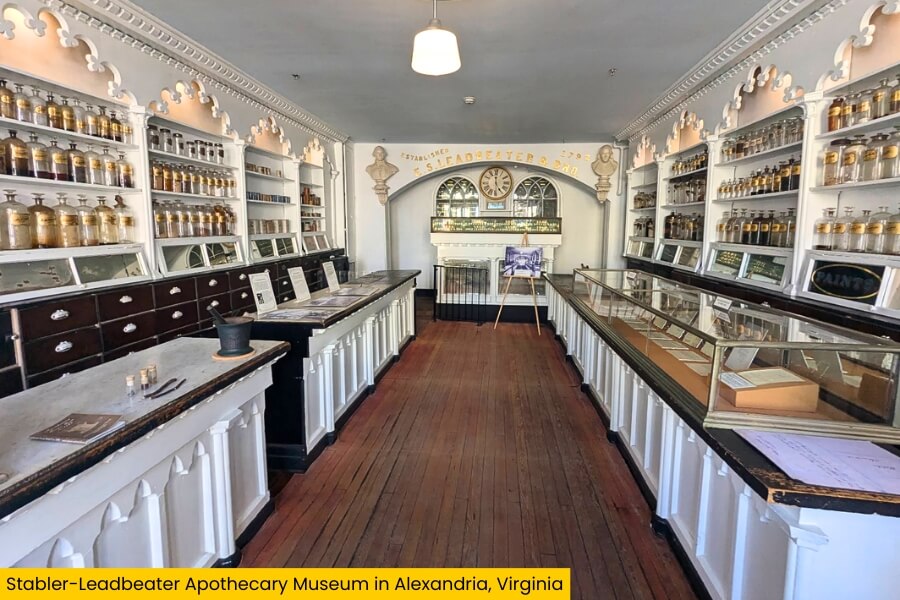
The Stabler-Leadbeater Apothecary Museum gives you the rare chance to walk into a Virginia pharmacy that looks remarkably similar to the day it closed in 1933.
The shop opened in 1792, when pharmacist Edward Stabler began his business in Alexandria.
His family eventually expanded the operation, and the Stabler and Leadbeater families ran the apothecary for generations.
Over its 141 years in business, the shop sold medicines, prescription drugs, household products, soaps, perfumes, garden supplies, and other everyday goods.
Its customers included some seriously famous names.
Martha Washington purchased items from the business, and records also connect the apothecary with Robert E. Lee and the Washington family’s Mount Vernon estate.
The business eventually collapsed during the Great Depression and closed in 1933.
Here’s where the story gets especially interesting.
Instead of clearing out the shelves and turning the building into something completely different, preservationists stepped in.
L. Manuel Hendler purchased the majority of the contents and archives at auction, and later donated them to the Landmarks Society of Alexandria, which reopened the former business as a museum in 1939.
That decision preserved an incredible collection of pharmacy equipment, business records, bottles, ingredients, and furnishings right where many of them had been used.
Today, the museum occupies the historic storefronts at 105 and 107 S. Fairfax Street.
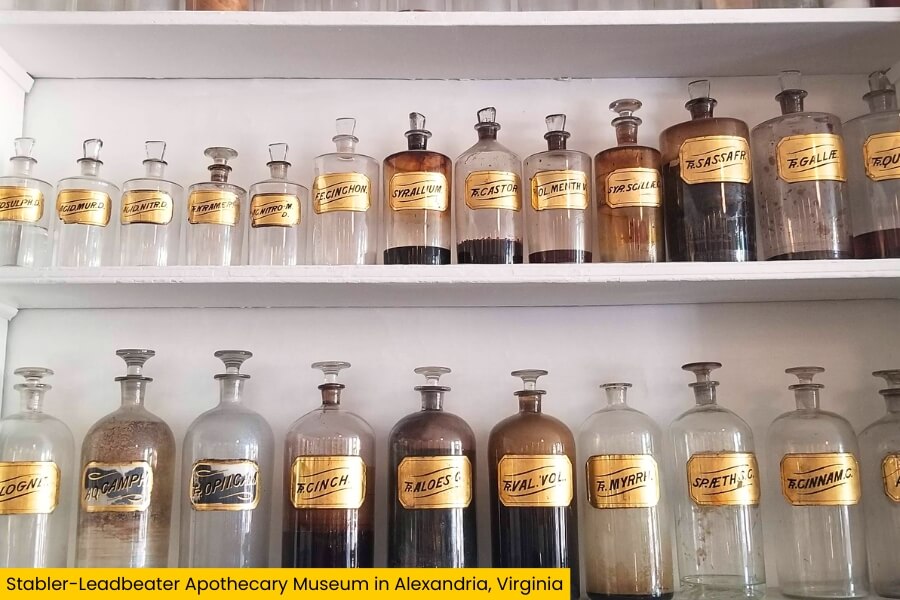
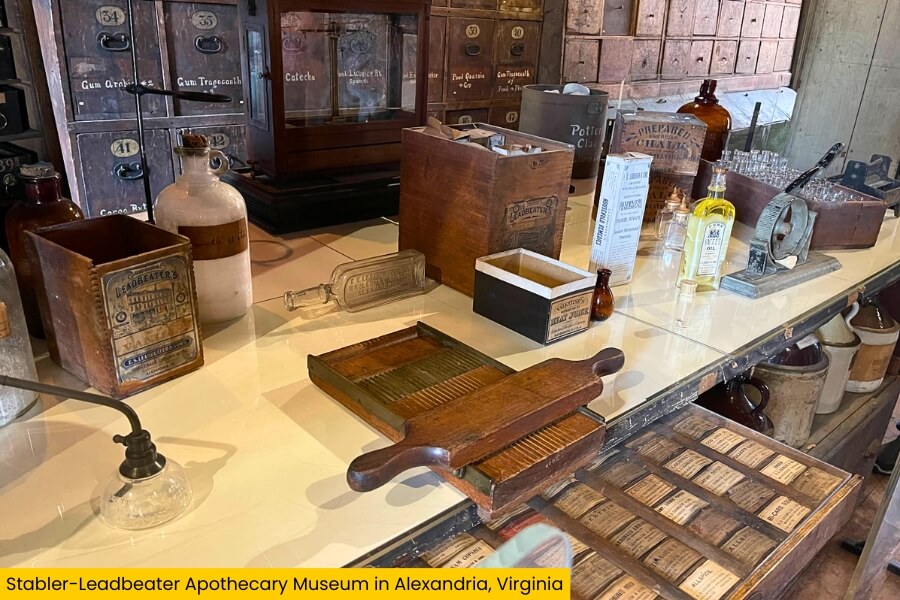
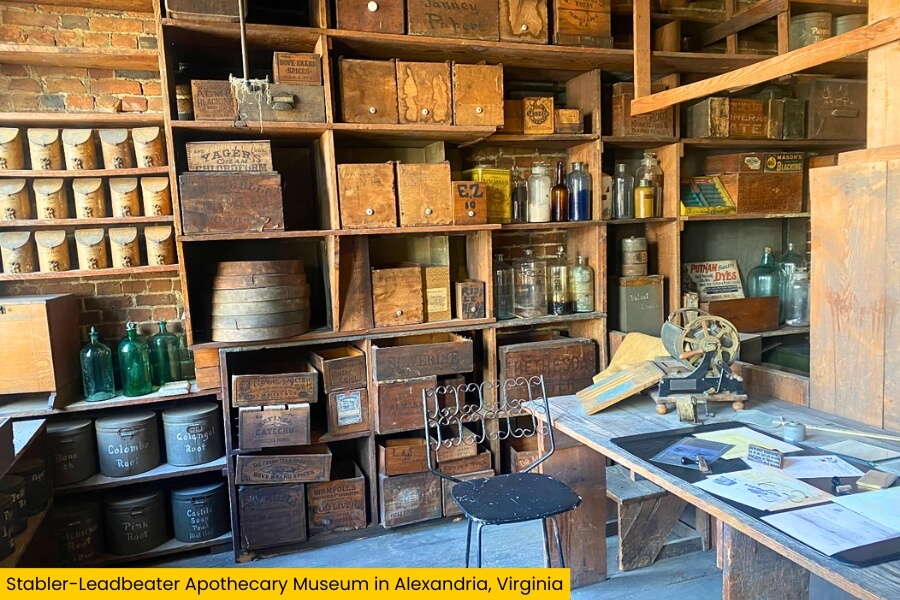
Inside, you can see rows of old glass bottles, wooden drawers, hand-labeled containers, scales, mortars and pestles, prescription records, and other tools pharmacists once used to prepare medicine.
The collection contains around 20,000 objects, so there’s a lot packed into these rooms.
One of the coolest parts is seeing the ingredients that once filled an apothecary’s shelves.
The museum has historic containers labeled with substances such as dragon’s blood and mandrake, giving you a pretty wild look at what medicine could involve during the 18th and 19th centuries.
You’ll also see the shop’s historic cabinetry and counters, which make it much easier to picture pharmacists measuring powders, mixing compounds, filling prescriptions, and helping customers more than a century ago.
Head upstairs and things get even more interesting.
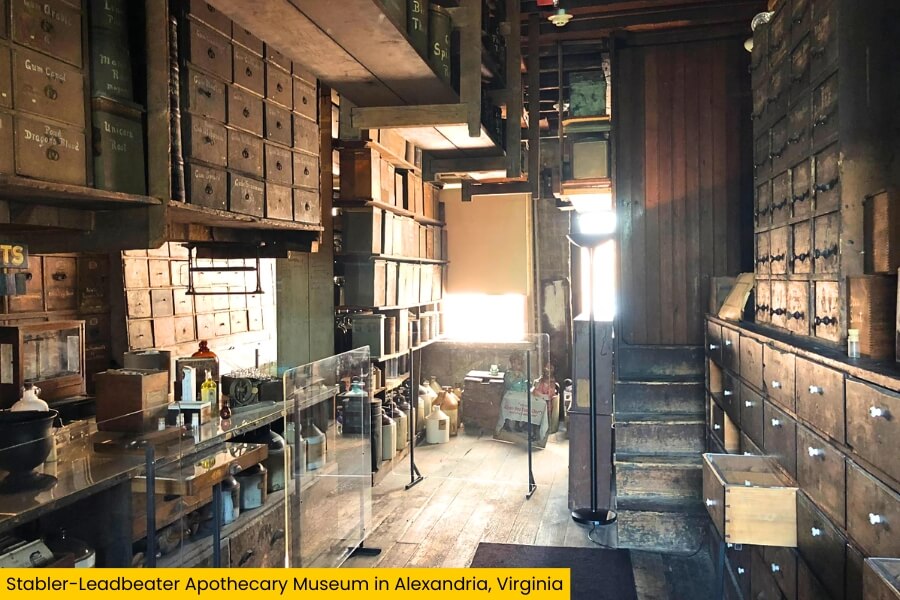
The upper floors contain the former manufacturing and storage areas, where the business produced and kept medicines and other products.
Rather than looking like a modern museum filled with shiny display cases, much of the building still resembles an old working business packed with bottles, boxes, drawers, equipment, and supplies.
The museum also tells a bigger story about how American medicine changed between the late 1700s and the early 1900s.
You can see how pharmacists worked before mass-produced medications and modern drugstores became the norm, when prescriptions might be mixed by hand from ingredients stored throughout the apothecary.
The surviving business records add another layer to the story, documenting customers, purchases, formulas, and the day-to-day operation of a family business that lasted for more than a century.
The building itself is part of the experience, too.
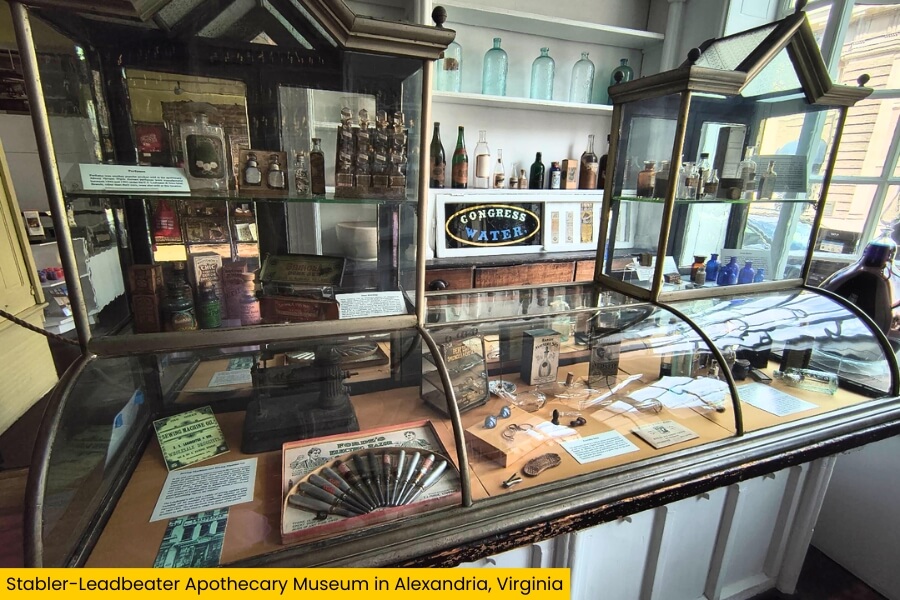
You’re walking through spaces that were actually used by the Stabler-Leadbeater business, rather than a recreated pharmacy assembled somewhere else.
With original furnishings, thousands of surviving objects, and shelves still crowded with historic containers, it’s one of those museums where the details are everywhere.
Know Before You Go
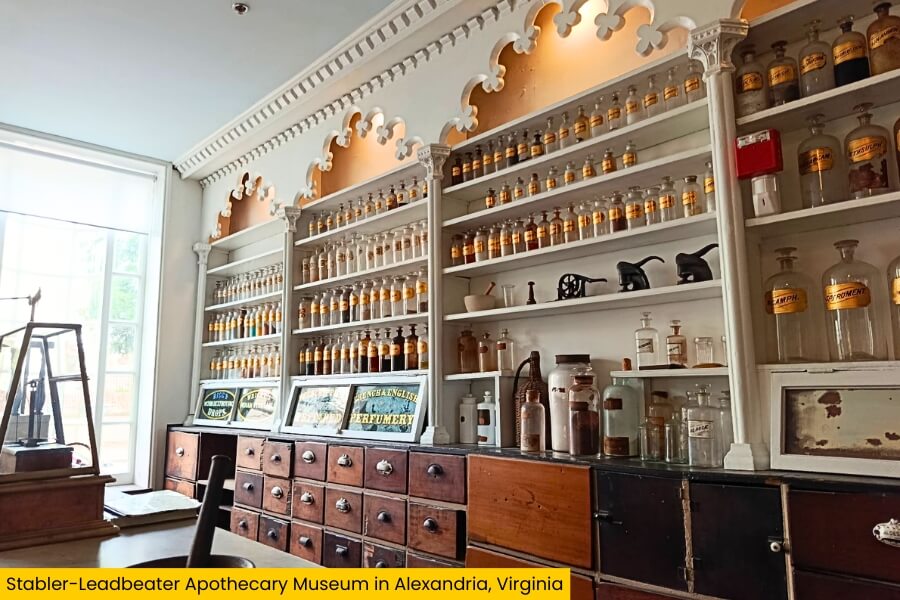
The Stabler-Leadbeater Apothecary Museum is small, so you don’t need to set aside half a day to see it.
Plan on spending about 30 to 45 minutes inside, although you may want longer if you love old medical equipment, historic buildings, or reading every wonderfully strange bottle label you can find.
The museum is open Monday from 1 to 5 PM, Wednesday through Friday from 11 AM to 4 PM, Saturday from 11 AM to 5 PM, and Sunday from 1 to 5 PM and closed on Tuesdays, but hours can change seasonally or for holidays.
Because operating schedules and admission prices can change, check the City of Alexandria’s official museum website before heading over.
General admission is usually inexpensive, and discounted admission may be available for children and other eligible guests.
Guided tours are especially worth considering here because many of the objects make much more sense once you know what pharmacists were actually doing with them.
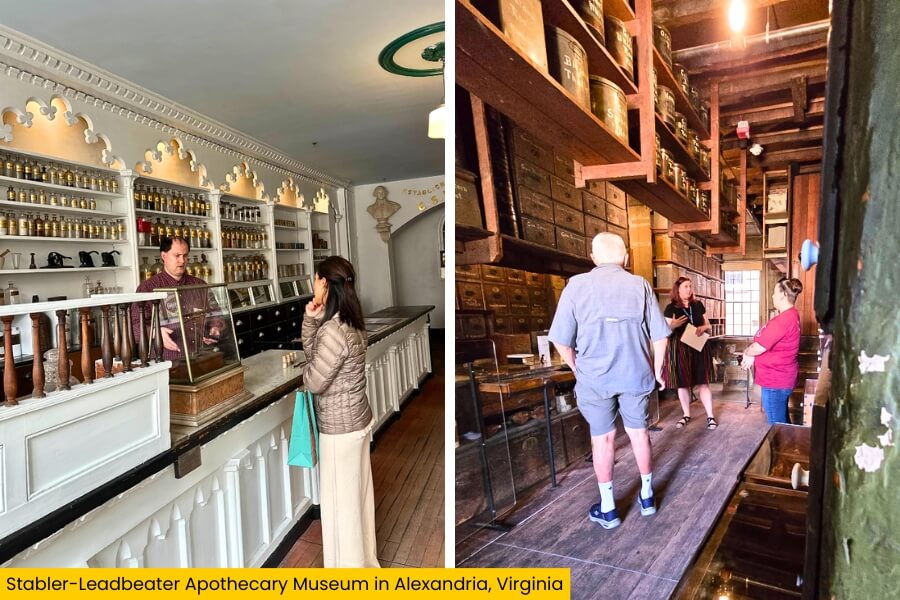
Some tours also provide access to areas of the historic building that you might otherwise miss.
Weekday afternoons are a good bet if you want a quieter visit.
Old Town Alexandria gets much busier on weekends, when King Street, the waterfront, and the neighborhood’s historic sites draw plenty of day-trippers.
Parking can also be tricky in Old Town.
You’ll find metered street spaces and public parking garages around King Street, but pay attention to posted time limits and restrictions.
If you’d rather skip the parking hunt, take Metrorail to King Street-Old Town Station and hop on the free King Street Trolley, which runs along King Street to City Hall/Market Square, a short walk from the waterfront.
Carlyle House Historic Park is about a 2-minute walk away at 121 N. Fairfax Street, where you can tour the 1753 home built for merchant John Carlyle.
Gadsby’s Tavern Museum is also about a 3-minute walk away at 134 N. Royal Street and preserves buildings dating to the late 18th century that hosted guests including George Washington.
After a short walk toward the Potomac River, you’ll reach the Alexandria waterfront, where you can follow the riverfront paths, check out public art, or stop at the Torpedo Factory Art Center.
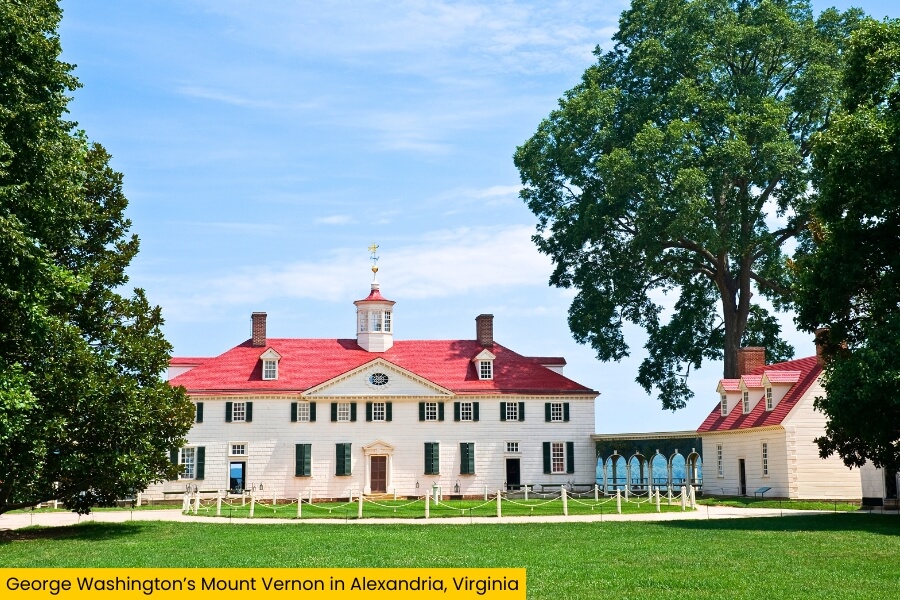
George Washington’s Mount Vernon is another easy addition if you have a car.
The estate is about a 15-minute drive from Old Town Alexandria without heavy traffic.
One final tip: don’t rush through the apothecary just because it’s compact.
Look closely at the shelves, handwritten labels, old medicine bottles, drawers, scales, and pharmaceutical ingredients.
This is a museum where some of the smallest objects have the strangest stories.
Related Posts