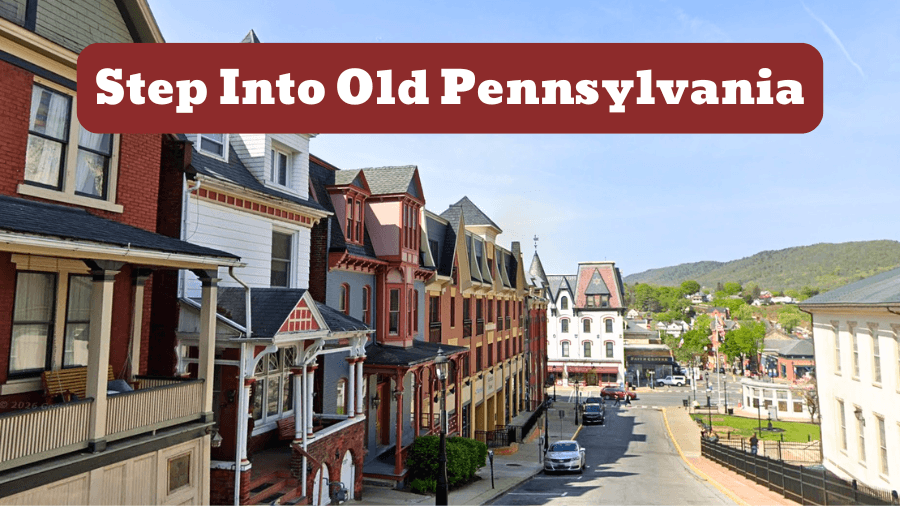
Pennsylvania is packed with small towns where it feels like the clock stopped more than a century ago.
Think 1800s buildings, steam trains, Victorian mansions, colonial-era buildings, historic town squares, and architecture that has stood for generations.
Some of these places grew during the railroad boom, while others trace their roots back to the earliest days of American settlement, but all of them offer a fascinating look at life before highways, skyscrapers, and modern city streets.
If you love wandering historic main streets, exploring old landmarks, and discovering places where the past is still part of everyday life, these seven Pennsylvania towns deserve a spot on your travel list.
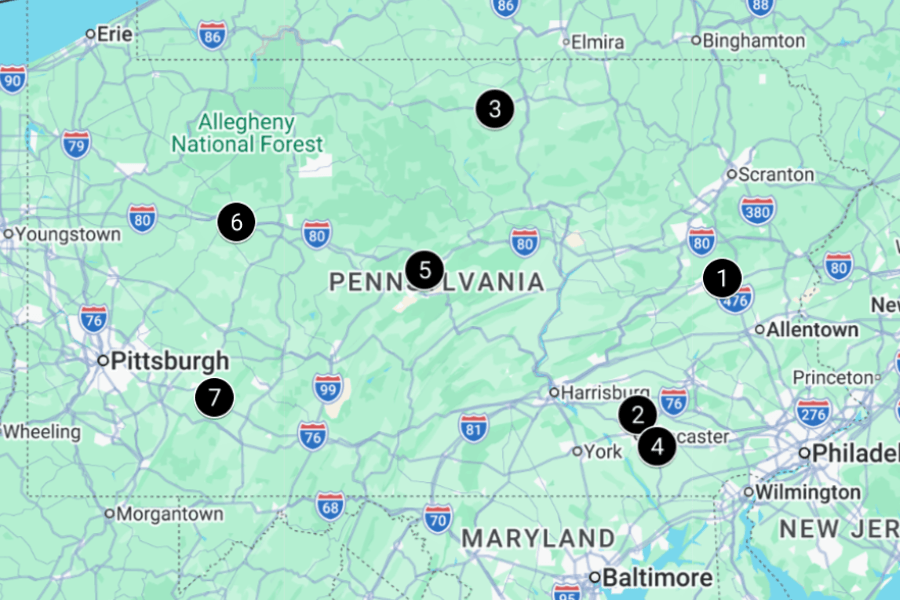
1. Jim Thorpe
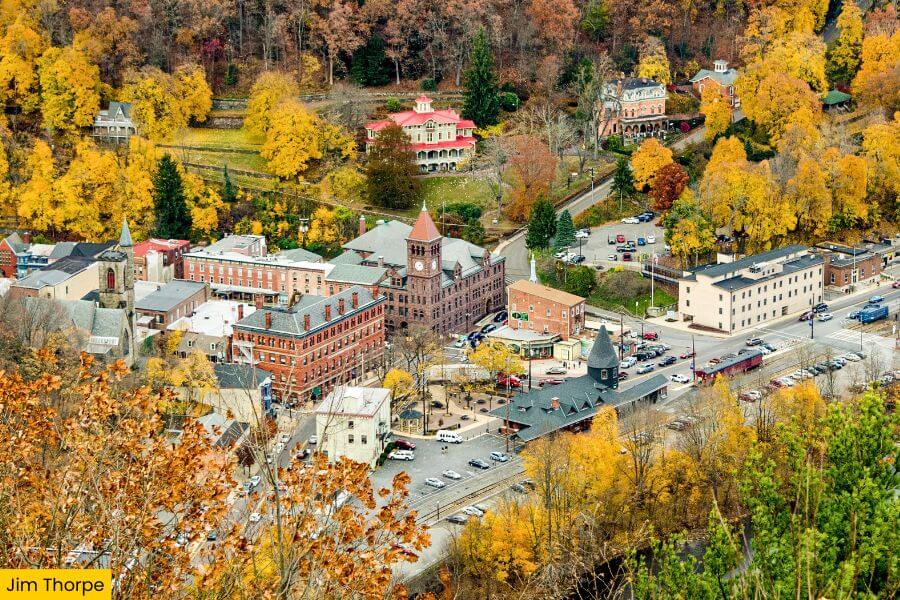
Jim Thorpe sits in the Lehigh Gorge, about 1.5 hours from Philadelphia, with steep mountains, the Lehigh River, and rows of beautifully preserved Victorian buildings lining its narrow streets.
Known as the “Switzerland of America,” the town grew wealthy during the coal and railroad boom of the 1800s, and you can still ride the Lehigh Gorge Scenic Railway on tracks that date back to the region’s industrial heyday.
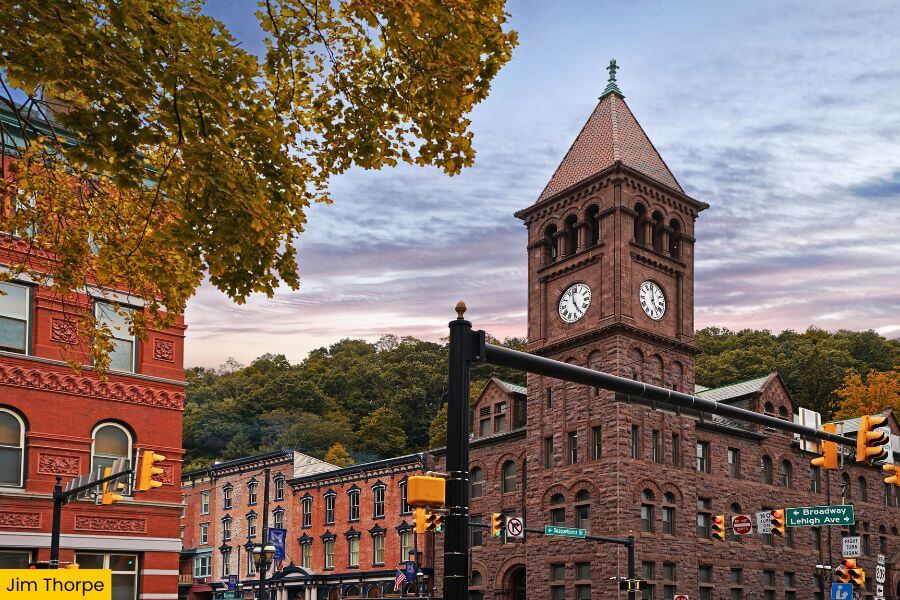
Walk along Broadway to see landmarks like the Asa Packer Mansion, an 1861 Italianate home with 18 rooms, and the Old Jail Museum, where members of the Molly Maguires were imprisoned in the 1870s.
You can also bike the 26-mile Lehigh Gorge Trail, explore historic storefronts, and visit the grave of Olympic athlete Jim Thorpe, whose name the town adopted in 1954.
2. Lititz
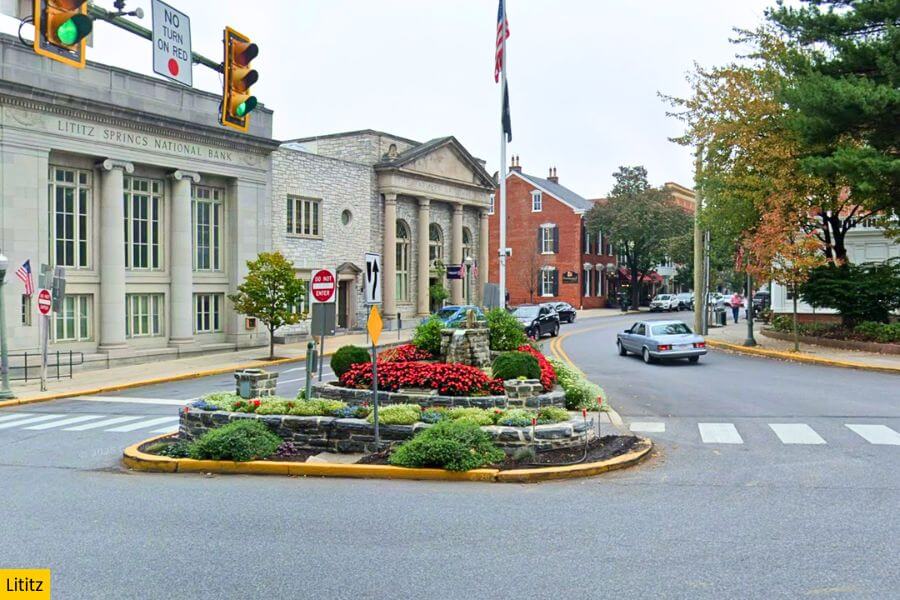
For a completely different glimpse of old Pennsylvania, head to Lititz in Lancaster County, where brick sidewalks, colonial-era buildings, and a town square dating to the 1700s still shape daily life.
Founded in 1756 by Moravian settlers, Lititz is known for Lititz Springs Park, a 7-acre green space built around the natural spring that first attracted settlers to the area nearly three centuries ago.
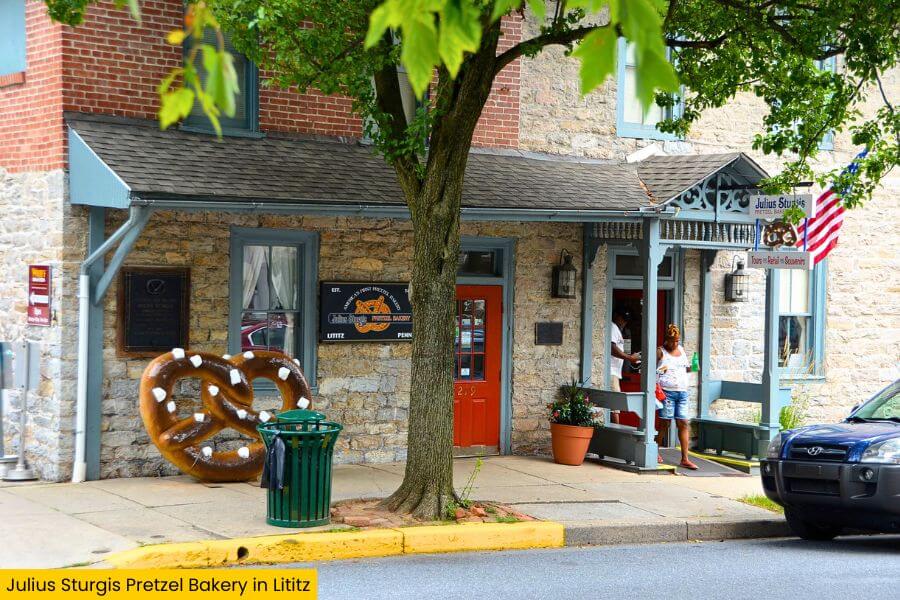
You can tour the Johannes Mueller House from 1792, stroll past beautifully preserved homes along Main Street, and visit the Julius Sturgis Pretzel Bakery, opened in 1861 and recognized as America’s first commercial pretzel bakery.
The town also has a sweet side thanks to Wilbur Chocolate, whose famous Wilbur Buds were introduced in 1894, giving Lititz a delicious claim to fame.
3. Wellsboro
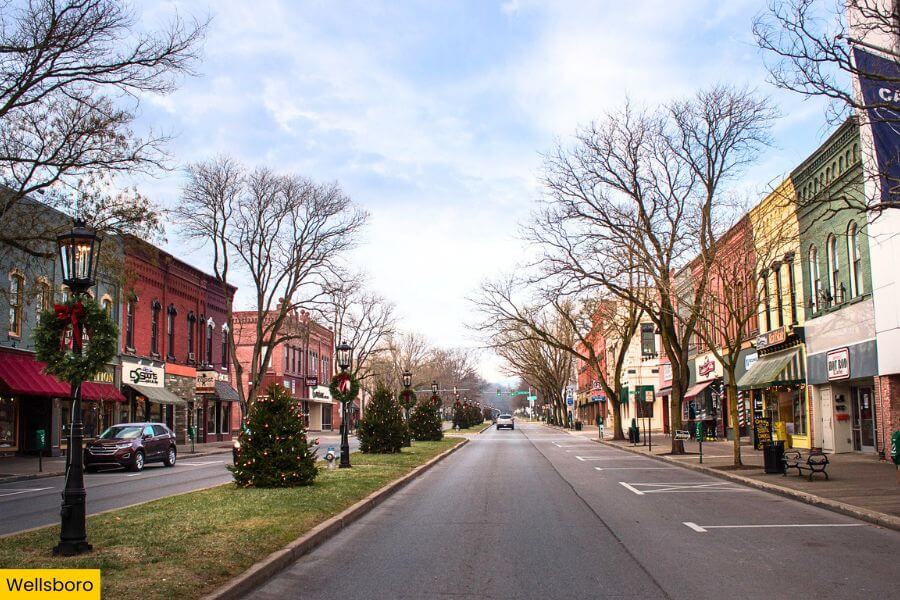
Wellsboro brings a completely different kind of old-time charm with its wide, tree-lined Main Street and rows of gas-powered streetlights that still glow each evening.
Located near the New York border, the town is best known as the gateway to Pine Creek Gorge, often called the Pennsylvania Grand Canyon, which stretches nearly 50 miles long and reaches depths of more than 1,000 feet.
Downtown, you can browse historic storefronts, catch a show at the Arcadia Theatre, and admire beautifully preserved buildings that look just as they did a century ago.
For the best views, head to Leonard Harrison State Park or Colton Point State Park, where overlooks reveal the massive gorge carved by Pine Creek over millions of years.
4. Strasburg
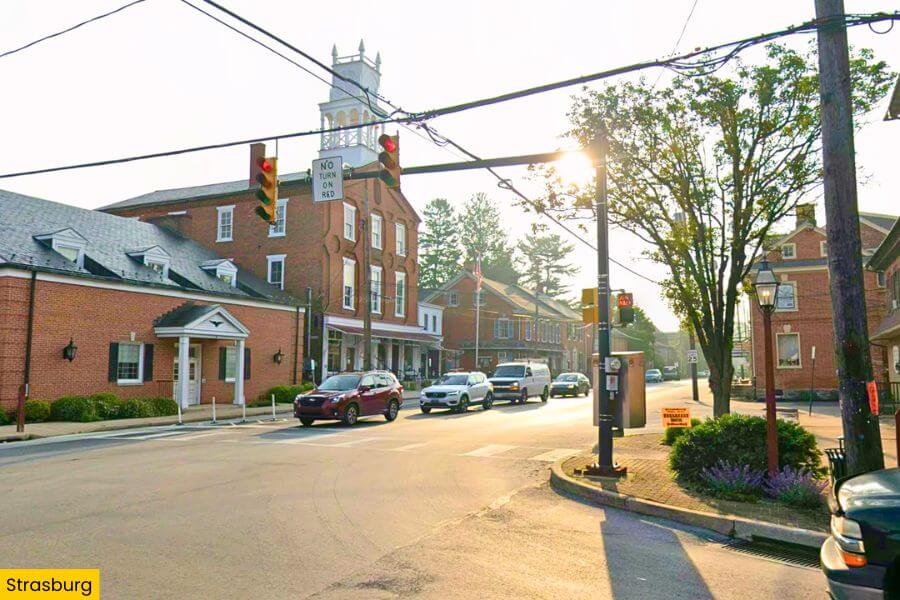
Strasburg offers a look at Pennsylvania’s railroad past, with horse-drawn buggies sharing the roads alongside one of the state’s most famous heritage railways.
Located in the heart of Lancaster County, the town was founded in the 1700s and is one of the oldest boroughs in the county.
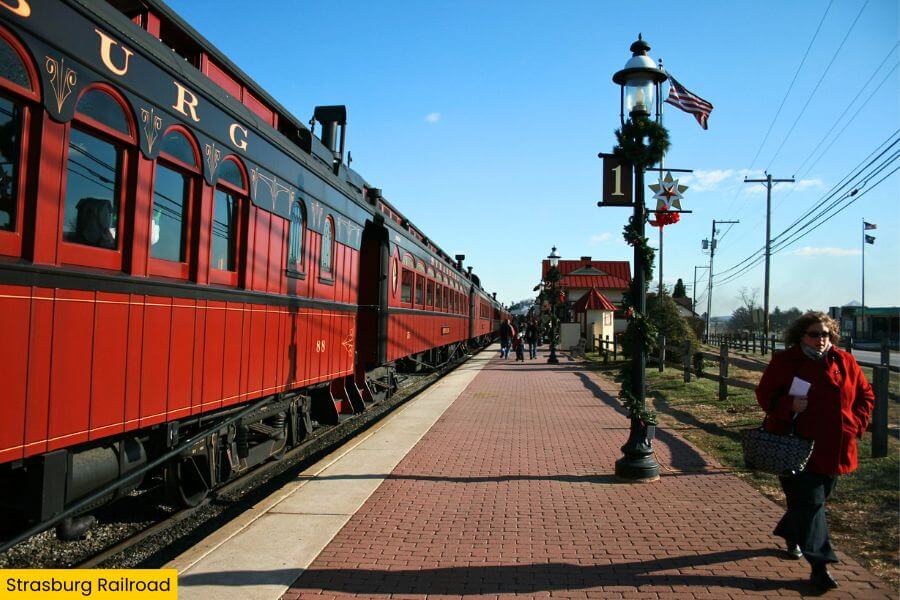
The biggest draw is the Strasburg Rail Road, which has been carrying passengers since 1832 and holds the title of America’s oldest continuously operating railroad, with steam trains still running through Amish farmland today.
You can also explore the Railroad Museum of Pennsylvania, home to more than 100 historic locomotives and railcars, or visit nearby Amish farms and covered bridges that help preserve the area’s strong 19th-century character.
5. Bellefonte
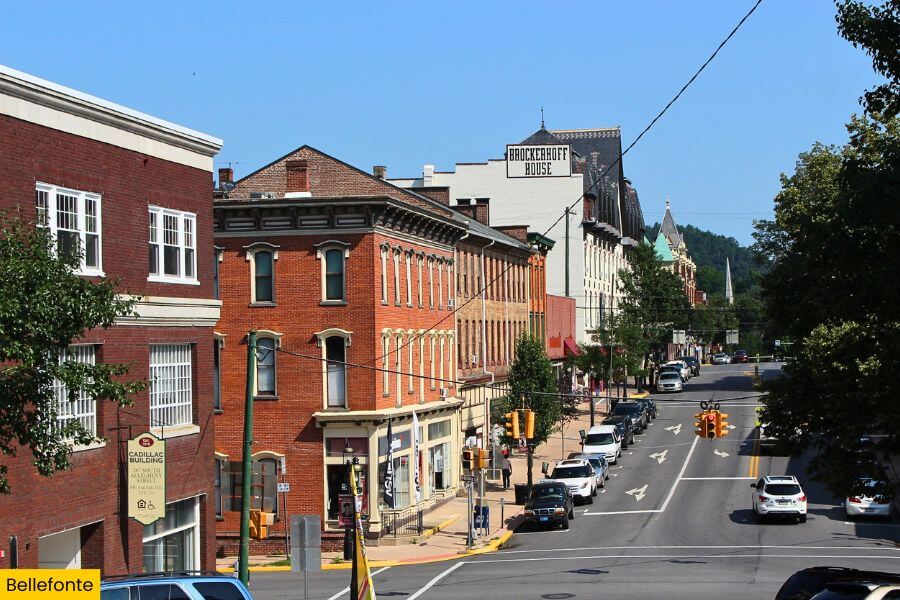
Bellefonte brings grand Victorian architecture, with entire blocks filled with ornate homes, historic churches, and buildings dating back to the town’s 19th-century boom years.
Located about 20 minutes from State College in central Pennsylvania, Bellefonte grew into a prosperous iron-producing center during the 1800s, and many of its most impressive structures still stand today.
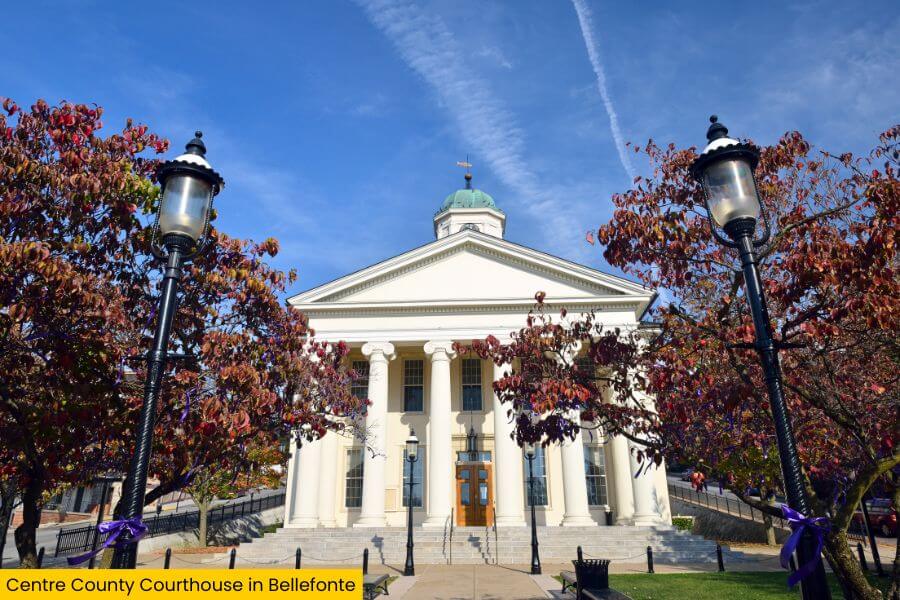
You can stroll through the Bellefonte Historic District to see landmarks like the Centre County Courthouse, completed in 1805, and the Victorian-style Brockerhoff House, which has welcomed travelers since the 1860s.
The town takes its name from Big Spring, a natural limestone spring that produces millions of gallons of water daily, and the waterfront walkways around Talleyrand Park offer front-row views of the water that helped shape Bellefonte’s story.
6. Brookville
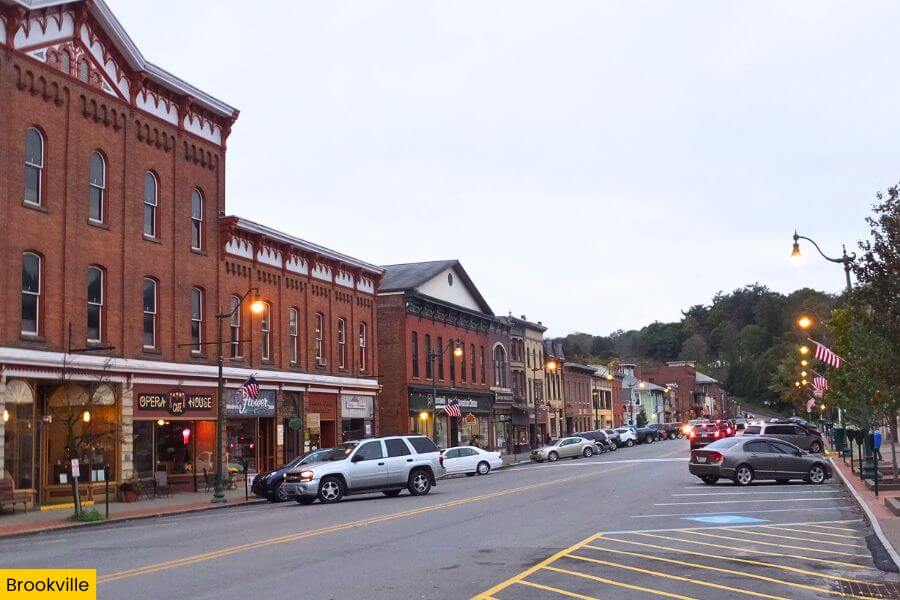
Brookville offers a quieter step back in time, with a compact downtown packed with 19th-century commercial buildings that have changed surprisingly little over the years.
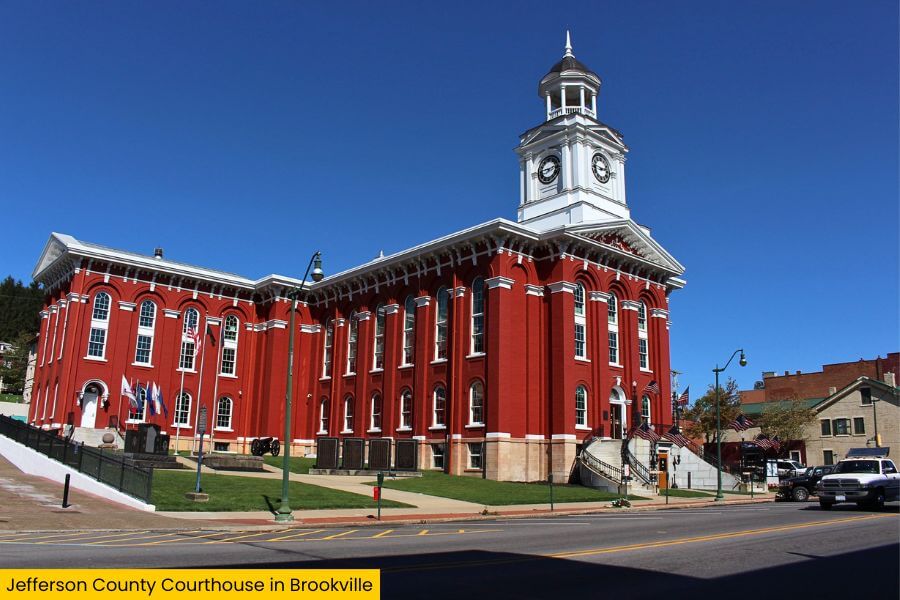
Located in Jefferson County in western Pennsylvania, about 1 hour and 35 minutes from Pittsburgh, Brookville was first settled in 1796 and became an important stop for travelers and businesses during the region’s early growth.
You can walk through the Brookville Historic District to see dozens of preserved brick storefronts, historic churches, and the Jefferson County Courthouse, which has stood at the center of town since the 1860s.
7. Ligonier
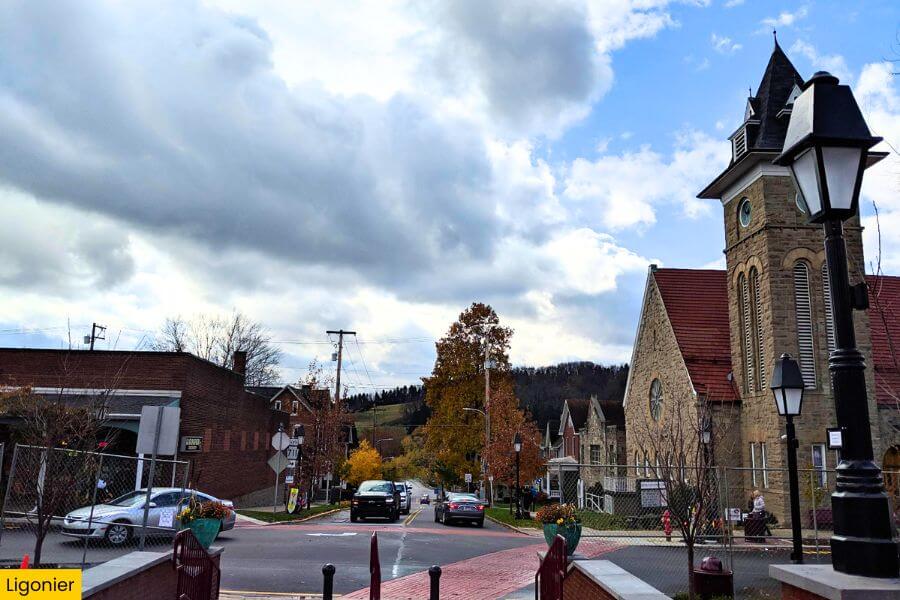
Next up is Ligonier, a charming town in the Laurel Highlands where a bandstand-filled town square and colonial-era landmarks create a scene that feels pulled straight from another century.
Located just over an hour from Pittsburgh in Westmoreland County, Ligonier is best known for Fort Ligonier, a reconstructed British fort originally built in 1758 during the French and Indian War.
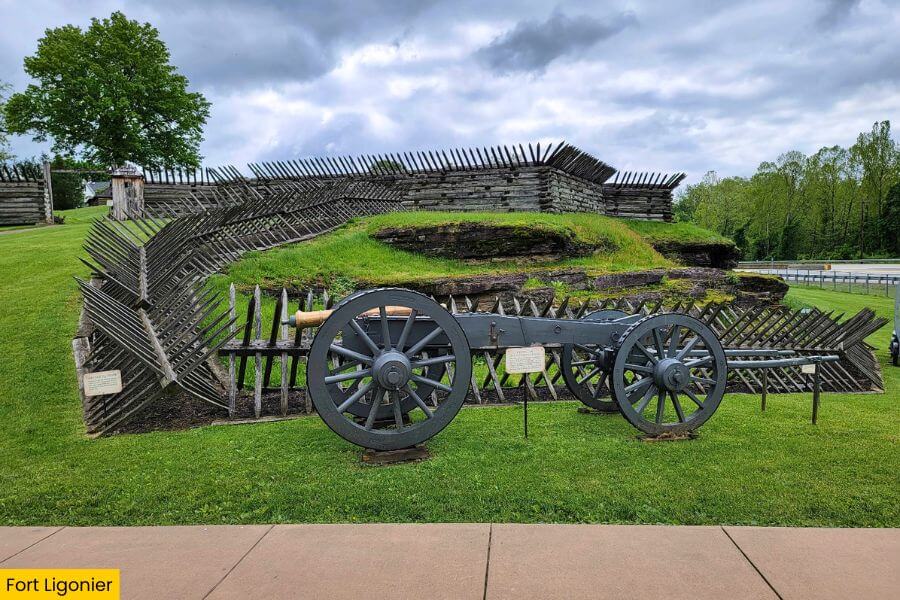
You can explore the fort’s museum, which houses one of the country’s largest collections of French and Indian War artifacts, then wander around Diamond Park, the historic center of town surrounded by shops and historic buildings.
Each October, thousands of visitors arrive for Fort Ligonier Days, one of Pennsylvania’s largest heritage festivals, celebrating the town’s deep 18th-century roots with parades, crafts, food vendors, and historical demonstrations.
Related Posts