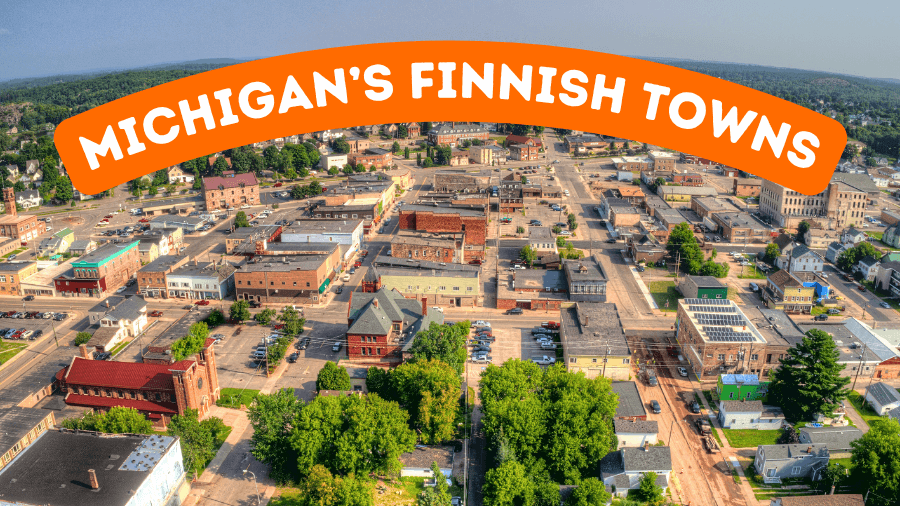
If you think Michigan is all Great Lakes beaches, towering sand dunes, and scenic drives, get ready to discover a fascinating side of the state that many travelers completely miss.
This road trip follows the story of Finnish immigrants who crossed the Atlantic and built close-knit communities that still celebrate their heritage more than a century later.
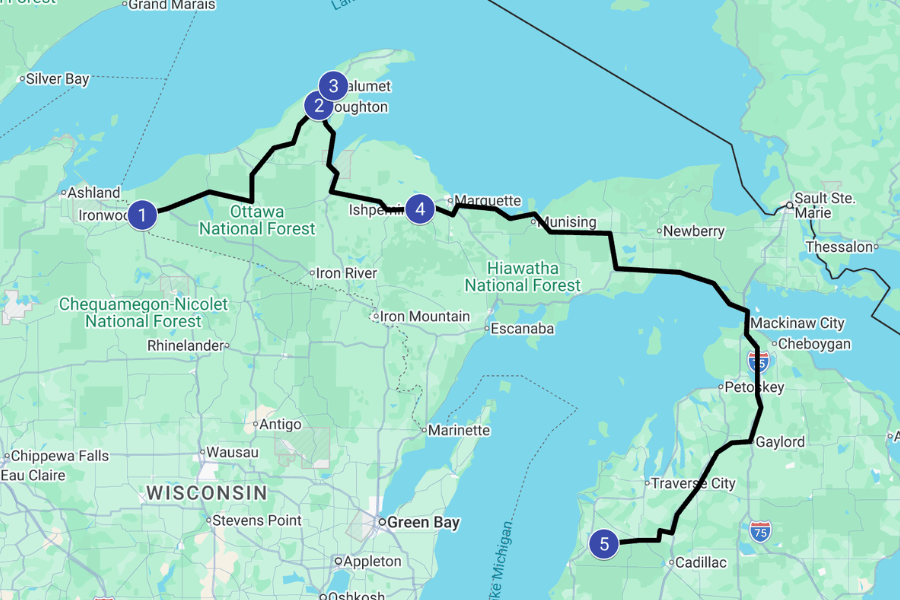
Along the way, you’ll find historic theaters, mining museums, Finnish bakeries, cultural centers, and traditions that have been passed down through generations.
From tiny villages to historic towns, each stop showcases a different side of Michigan’s Finnish story, so grab your road trip playlist and get ready to explore.
1. Ironwood
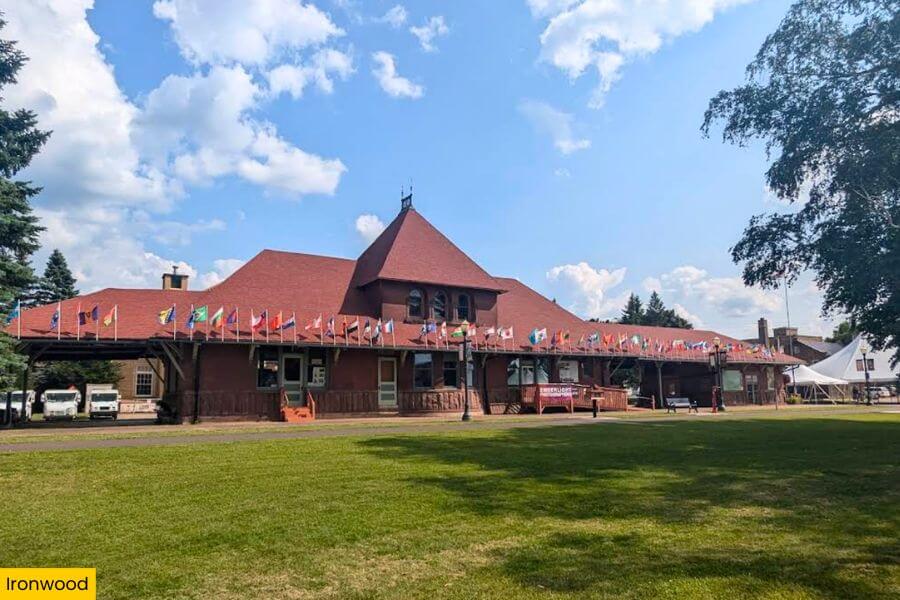
Ironwood is a city in Gogebic County in Michigan’s Upper Peninsula, directly across the Montreal River from Hurley, Wisconsin.
It is known for its strong Finnish roots, the annual Festival Ironwood celebration, and Copper Peak, a 469-foot ski-flying hill home to the world’s largest artificial ski jump.
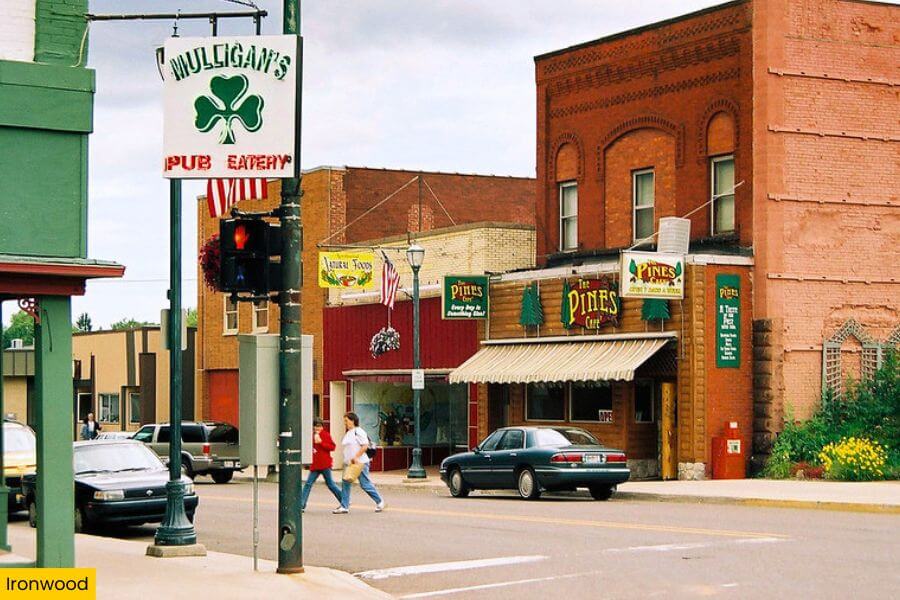
If you’re here in winter, Big Powderhorn Mountain offers excellent skiing, while warmer months are ideal for exploring historic buildings, parks, and museums downtown.
You can also take a short drive to Black River Harbor, where waterfalls, a suspension bridge, and Lake Superior views make it one of the area’s most scenic spots.
2. Hancock
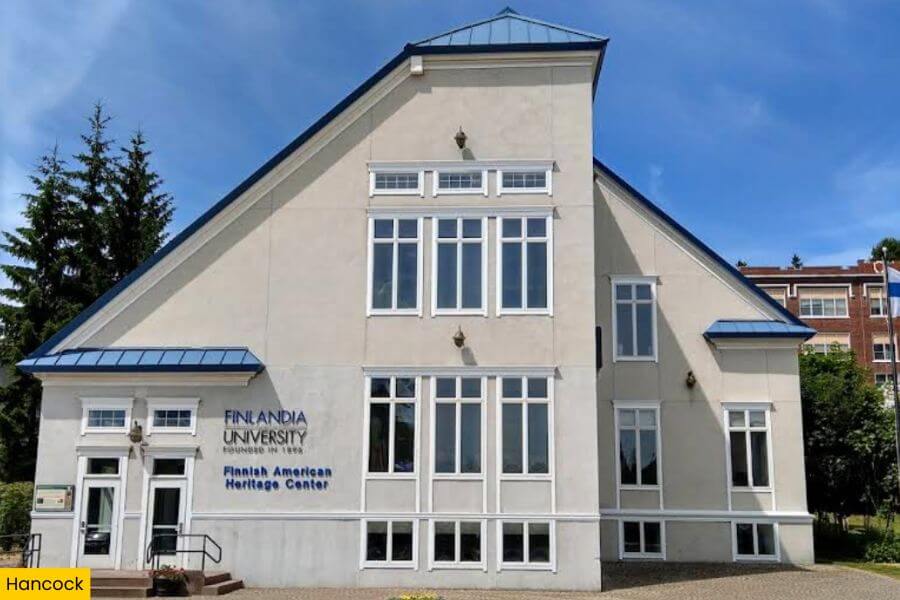
Just 2 hours away is Hancock, a city along the Keweenaw Waterway often considered a cultural capital for Finnish Americans.
The town is home to the Finnish American Heritage Center, where exhibits, performances, events, and cultural programs celebrate the stories of Finnish immigrants.
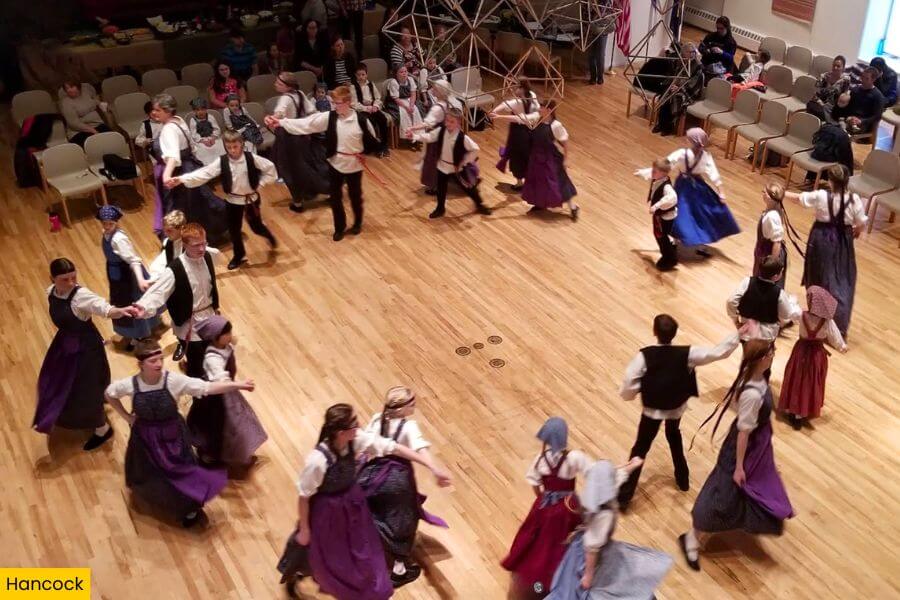
While you’re here, walk Quincy Street to see historic brick buildings, look for a traditional pannukakku (Finnish pancake), then check out the 1,310-foot Portage Lake Lift Bridge.
For an unforgettable cultural experience, visit during Heikinpäivä, a January festival filled with Finnish food, music, saunas, and family-friendly events.
3. Calumet
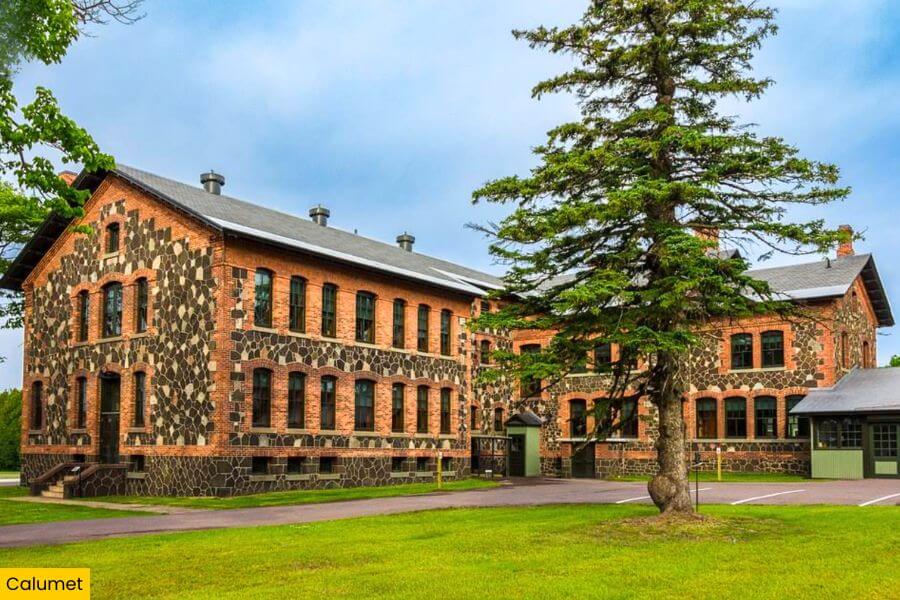
From Hancock, it’s just a 20-minute drive to Calumet, a National Historic Landmark District that was once the heart of Michigan’s booming copper industry.
Finnish immigrants helped shape the town, and Keweenaw National Historical Park offers a deeper look at their story through the communities and traditions they helped create.

Another must-see is the Calumet Theatre, which opened in 1900, was the original home of the Red Jacket Jamboree radio show, and still hosts performances today.
Whether you’re interested in history, culture, or architecture, there’s plenty here to keep you exploring.
4. Ishpeming & Negaunee
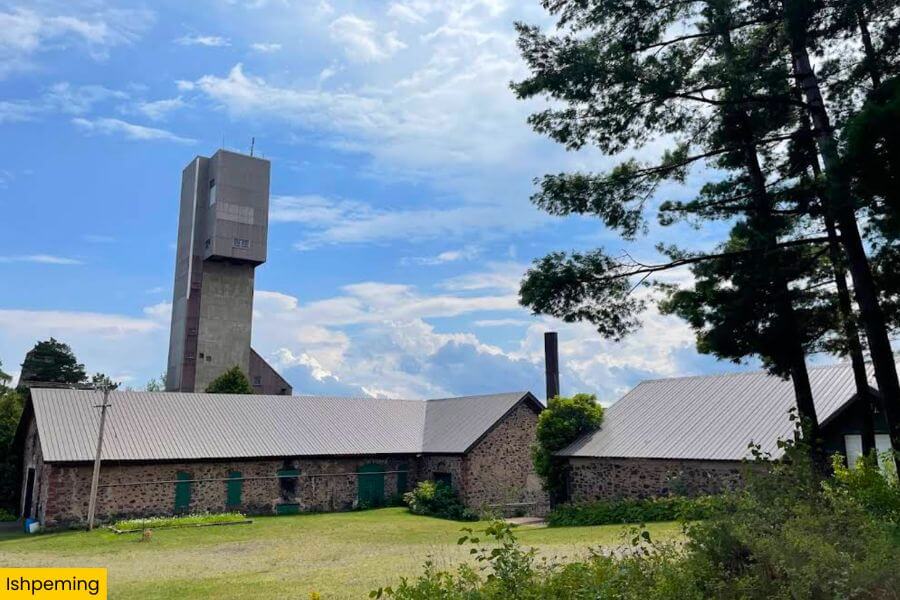
From Calumet, continue to Ishpeming and Negaunee, neighboring towns known for their deep roots in the Upper Peninsula’s iron mining industry.
Ishpeming is home to the Cliffs Shaft Mine Museum, where you can learn about the mining boom that brought many Finnish immigrants to the area in the 19th and 20th centuries.
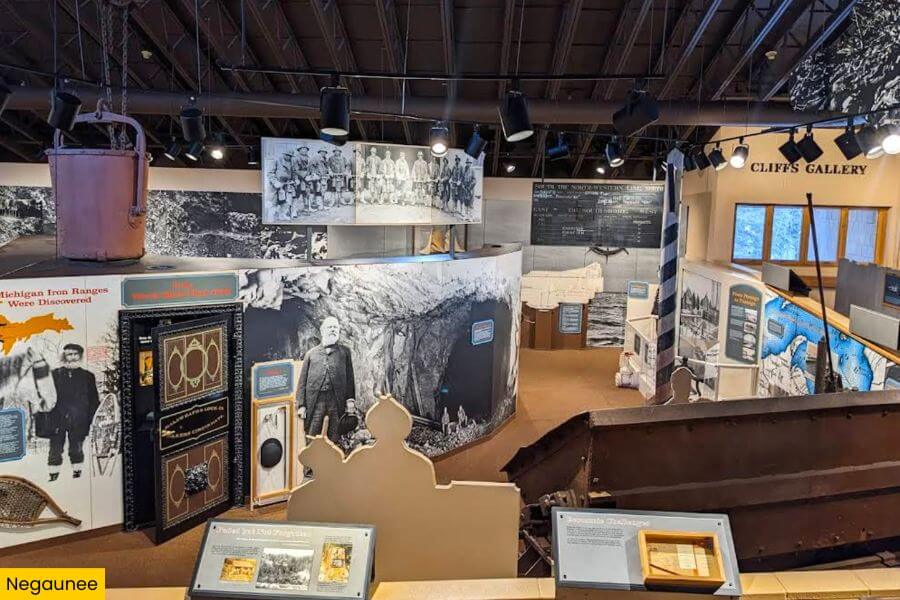
Just a short drive away, Negaunee features the Michigan Iron Industry Museum, which tells the story of Michigan’s iron ranges through exhibits, films, and interpretive trails.
Also passing through the two towns is the 47-mile Iron Ore Heritage Trail, a hiking and biking route that passes many of the region’s most important historic sites.
5. Kaleva
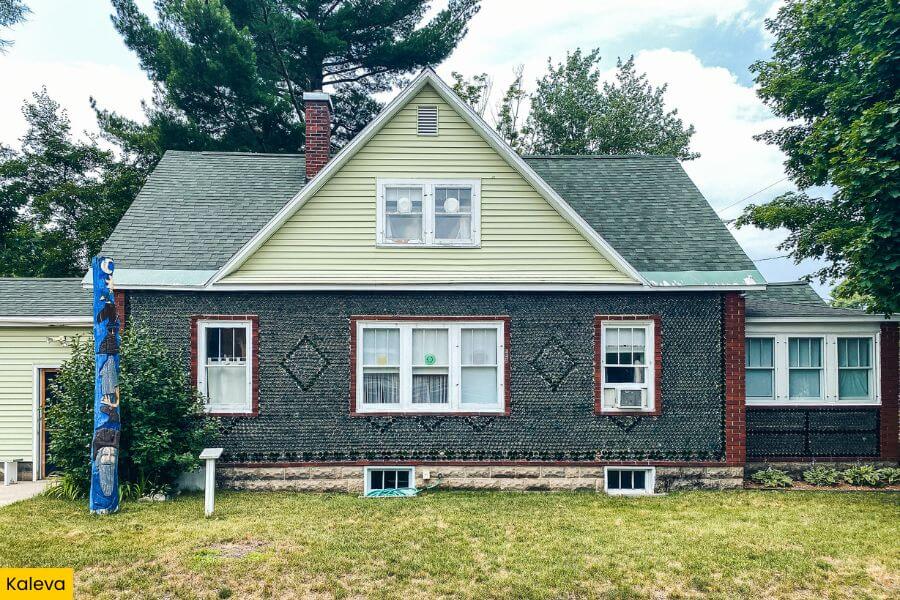
Now head to Kaleva, a small village in Manistee County founded in 1900 by Finnish settlers and named after the Kalevala, Finland’s national epic.
Unlike the nearby mining towns, this place grew as a farming community, and you can explore its Finnish roots through landmarks such as the Kaleva Historical Society.
There’s also plenty more to explore, from local shops downtown to the Bottle House Museum, which highlights the area’s Finnish-American history through various exhibits.
With a direct connection to Finland’s folklore, language, and cultural traditions, this is a memorable way to wrap up your road trip.
Related Posts