There is something ridiculously exciting about spotting a smooth, frosted piece of sea glass shining in the sand.
Some beaches hide sea glass near rocky edges, others reveal it after storms, and a few reward anyone willing to walk slowly and look closely.

The best part is that each spot has its own surprises, from calm shores to wave-battered stretches where the glass shows up when you least expect it.
1. Pavilion Beach, Gloucester
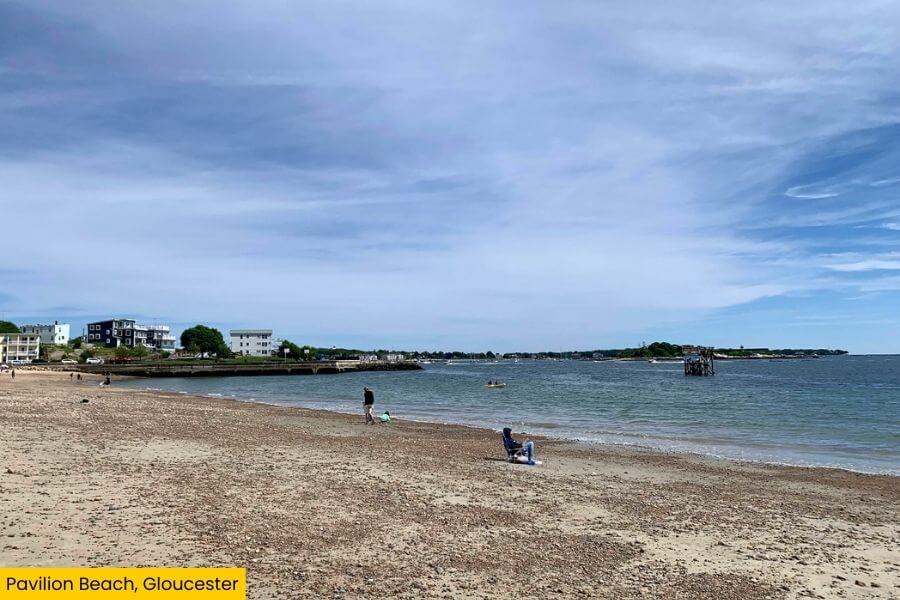
Pavilion Beach sits right beside downtown Gloucester along Stacy Boulevard and Commercial Street, looking straight out over Gloucester Harbor with fishing boats, buoys, and the Fishermen’s Memorial just steps away.
This small beach is popular among beachcombers and sea glass hunters because the shoreline mixes sand with lots of smooth stones, and the steady harbor waves flip fresh pieces onto the beach after storms.
You get a wide concrete seawall with plenty of places to sit facing the water, and people do wade or swim here since the beach is protected by the harbor rather than the open ocean.
For the best sea glass, head here early in the morning and scan near the waterline for classic white, brown, and green pieces that have been polished by decades of tides and boat traffic.
2. Nantasket Beach, Hull
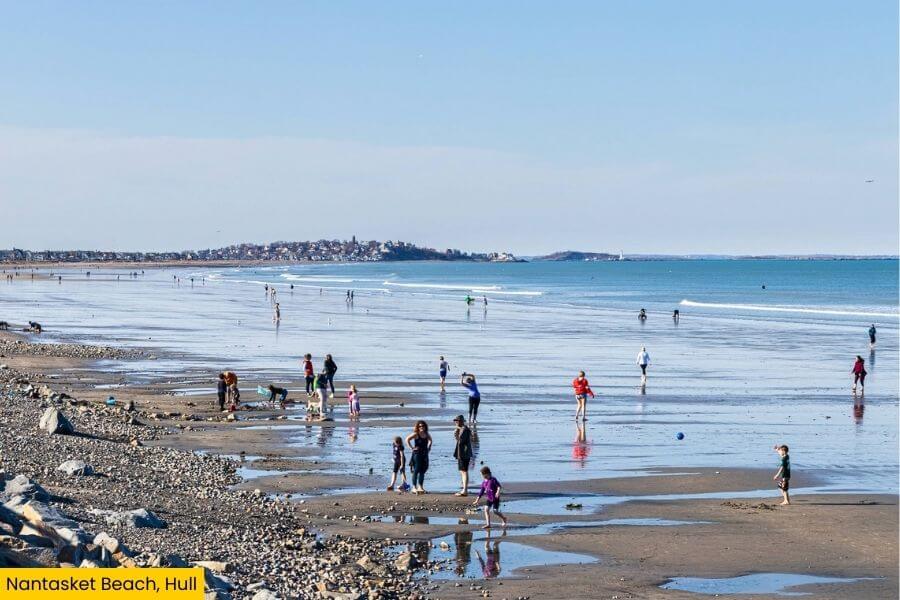
Nantasket Beach stretches for about 3.5 miles along Hull’s coastline, roughly 45 minutes from Boston where Massachusetts Bay meets a long, curving strip of sand.
This beach is a favorite for sea glass hunting because strong tides and frequent waves kick up older glass.
You’ll find wide sandy areas, exposed rocks at low tide, rolling surf, and sweeping views of Boston’s skyline on clear days.
Check the shoreline after a storm and look near the stones, where small green, brown, and milky white sea glass pieces hide among the shells.
3. Front Beach & Back Beach, Rockport
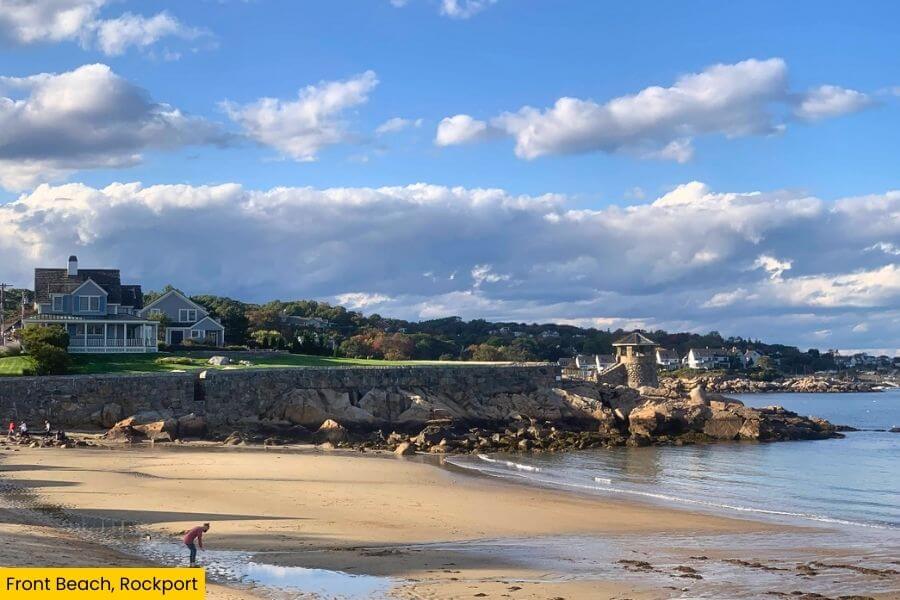
Front Beach and Back Beach sit right in the heart of Rockport, just a short walk from Bearskin Neck.
These twin beaches are known for sea glass, thanks to their wave action, especially Back Beach, where pieces collect near rocky points after high tide.
Front Beach has a small sandy stretch and calm water, while Back Beach is rockier with stronger waves and fewer swimmers.
After a storm, walk slowly along the rock piles at Back Beach and keep your eyes down for smooth green, brown, and occasional blue sea glass shaped by years of Atlantic surf.
4. Devereux Beach, Marblehead
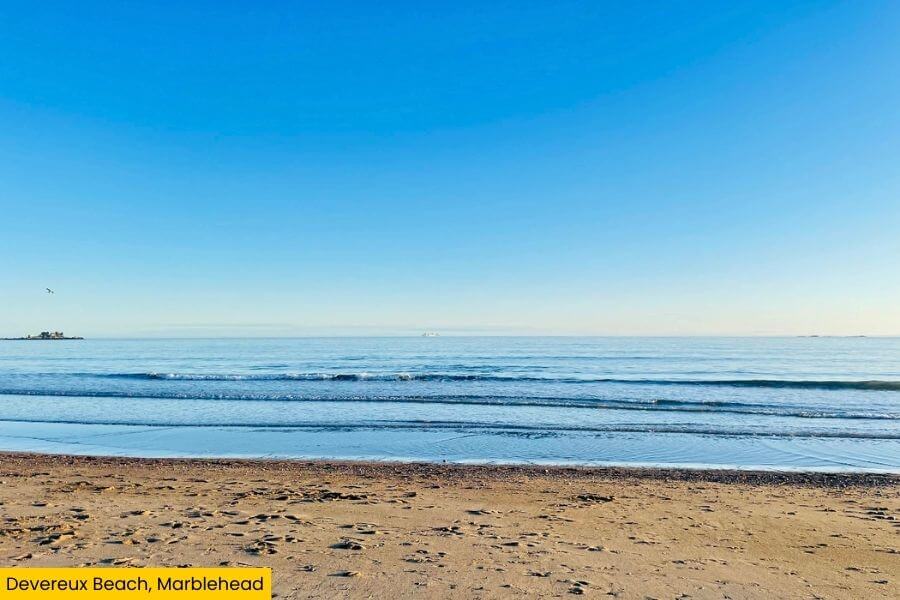
Devereux Beach sits on a narrow peninsula in Marblehead, facing the Atlantic with a long stretch of sand backed by residential streets.
This beach is a solid spot for sea glass, especially near the rocky sections at the far ends of the beach.
You’ll see soft sand at mid tide, exposed rocks at low tide, and wide views across the water toward Beverly and Salem on clear days.
For the best finds, walk close to the waterline after a storm and check around rocks and pebbles, where white and green sea glass can be spotted.
5. Long Beach, Plymouth
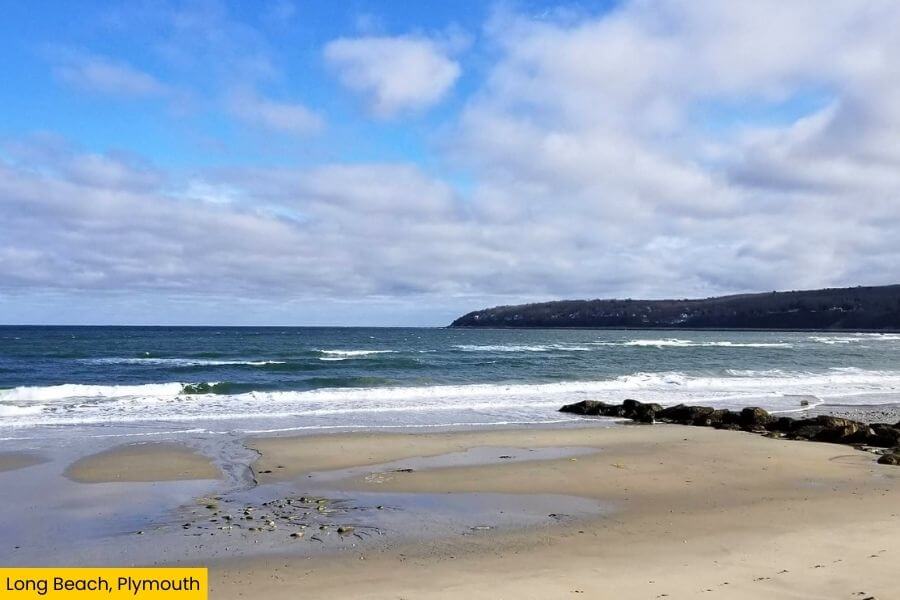
Long Beach in Plymouth runs for about 3 miles along the edge of Plymouth Bay.
This beach is a fun place to look for sea glass because waves move steadily along the narrow strip of sand and leave small pieces behind near the waterline.
You’ll notice soft sand mixed with pebbles and calm waters on the harbor side with views of Plymouth Bay and the town.
Walk the beach at low tide and focus near the pebbly or rocky sections, where sea glass blends in with shells and smooth stones.
6. Race Point Beach, Provincetown
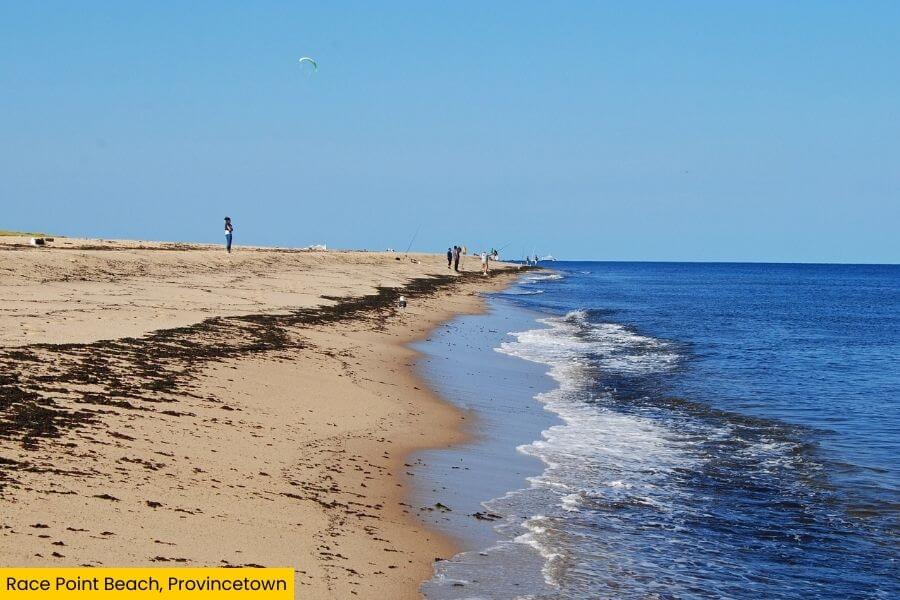
Race Point Beach sits at the very tip of Cape Cod in Provincetown, facing the open Atlantic with Race Point Lighthouse standing watch just up the sand.
This beach is a surprise favorite for sea glass because strong ocean currents and powerful waves churn up older pieces and scatter them along the shoreline after storms.
You get wide, wild stretches of sand, rolling surf, frequent seals popping their heads up offshore, and some of the best sunset views on the Outer Cape.
After a storm or at low tide, walk near the wrack line and the pebbly patches where green, brown, and frosted white sea glass can turn up among shells and smooth stones.
7. Skaket Beach, Orleans

Skaket Beach is located on the bayside of Cape Cod in Orleans, facing Cape Cod Bay with calm water and huge tidal flats that stretch far out at low tide.
This beach is great for sea glass because the gentle bay currents slowly move and polish glass, leaving pieces scattered across the flats and near small rock clusters.
You’ll see rippled sand, shallow tidal pools, and sweeping views toward Dennis and Brewster when the tide is out.
Time your visit for low tide and walk the edges of the pools and pebbly areas, where white and pale green sea glass can be seen sitting in plain sight against the wet sand if you’re lucky.
8. Spectacle Island, Boston

Spectacle Island sits in the middle of Boston Harbor and is reached by ferry from Long Wharf, giving you a beach day with skyline views.
This island is well known for sea glass, with sandy beaches that have some pebbly areas along the shoreline.
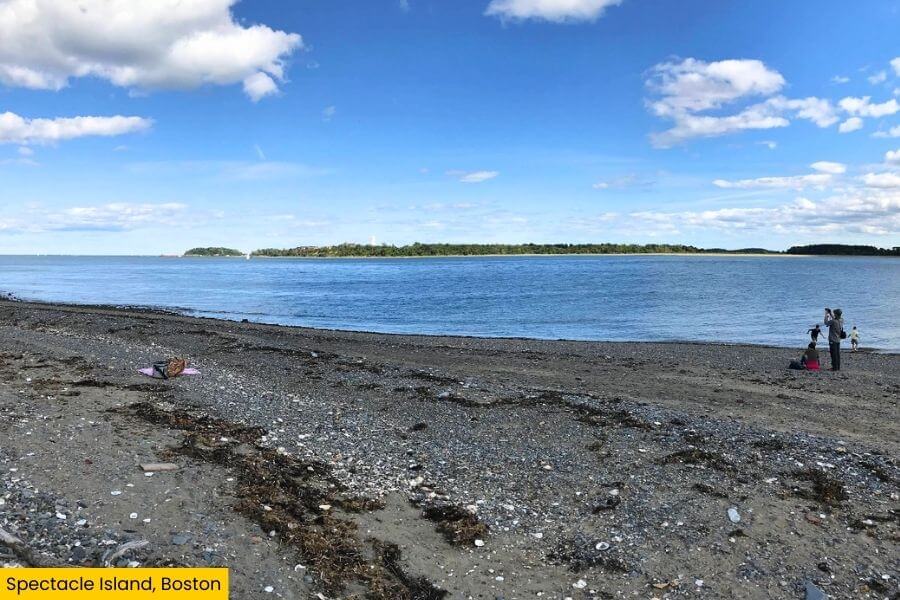
You’ll find crescent-shaped beaches, rocky edges, and clear views of the Boston skyline and the Harbor Islands from the shore.
Walk the pebbly sections near the waterline at low tide and look closely for smooth white, brown, and light green sea glass mixed in with shells and rounded stones.
9. Menauhant Beach, Falmouth
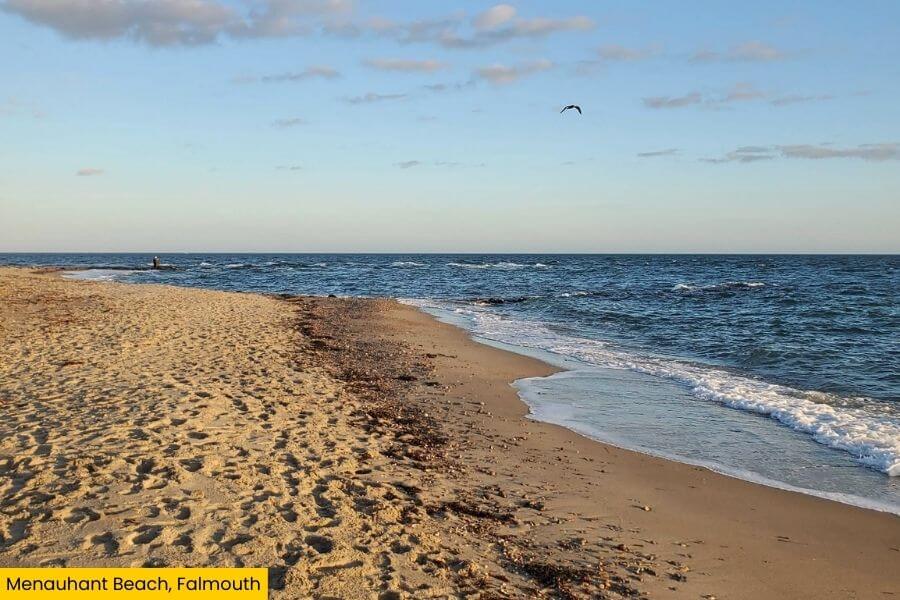
Menauhant Beach is located in East Falmouth, facing Vineyard Sound, with a wide, sandy shoreline along the southern shore of Cape Cod.
This beach is a great spot for finding sea glass, rocks, and shells.
You’ll see soft sand, gentle surf, and boats moving in and out of the pond just offshore.
Check the rocky areas and the waterline near the point at low tide, where sea glass collects between shells and pebbles.
Related Posts