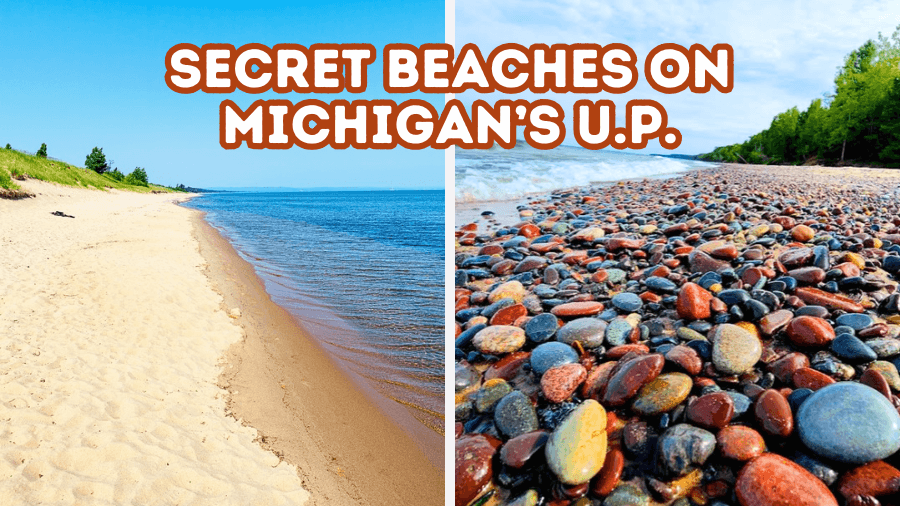
Michigan’s Keweenaw Peninsula might be famous for its beautiful scenery, but there’s a whole other side to this place that most visitors never get to see.
Back in the 1800s, this region was full of life, with thousands of people chasing big dreams and building communities that seemed like they would last forever.
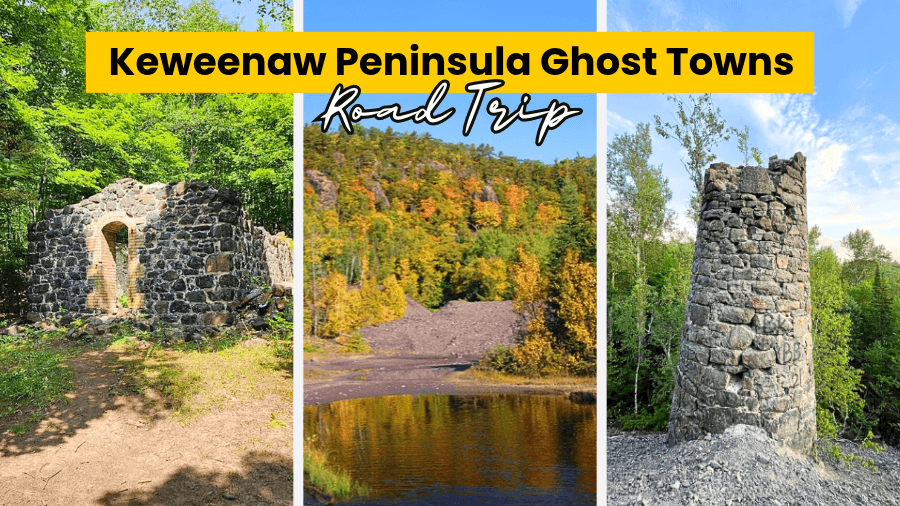
But things didn’t exactly turn out that way, and what happened next left behind fascinating reminders of the past.
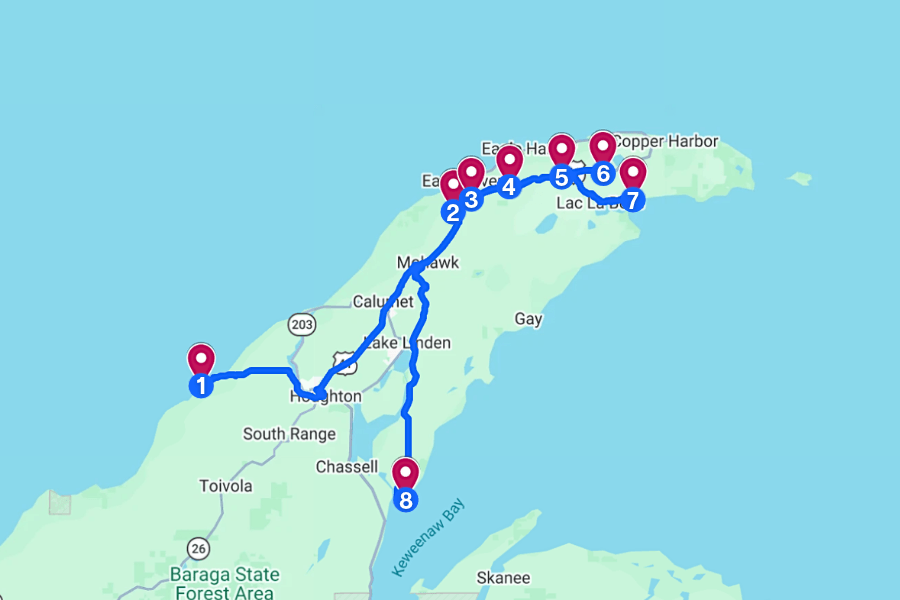
So grab your keys and get ready for an unforgettable Keweenaw Peninsula ghost towns road trip, where every turn could lead to something you never expected!
1. Freda
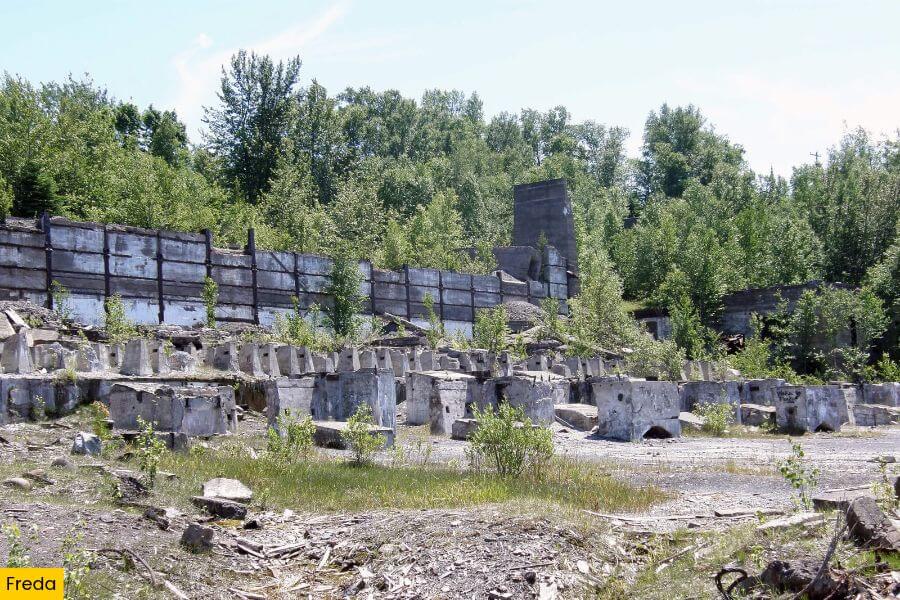
Freda is a nearly abandoned copper mining town about a 20-minute drive from Houghton, where old industrial ruins overlook the sparkling waters of Lake Superior.
Back in its heyday, this small community was home to the Champion Stamp Mill, where powerful machines crushed copper ore until the facility closed in 1967.
It also had around 500 residents and a lively mix of churches, shops, a hotel, and even a movie theater, but today, only a few dozen people still live here.
You can follow the beautiful Covered Road to explore the crumbling concrete foundations, towering smokestack, and nearby beach dotted with colorful glass.
2. Cliff Mine & Clifton
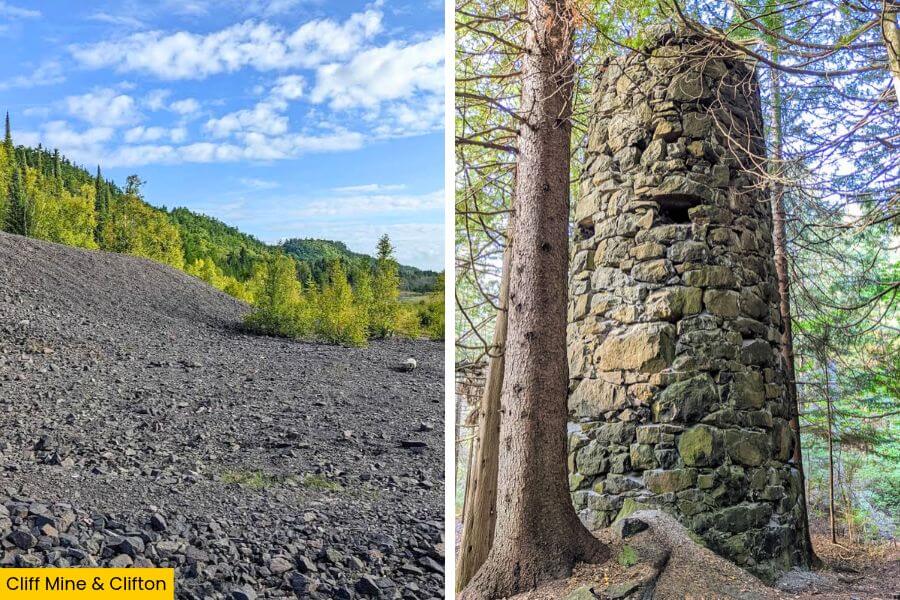
From Freda, drive roughly 50 minutes to Cliff Mine and Clifton, where the remains of a once-thriving community sit beneath a towering 200-foot greenstone bluff.
Opened in 1845, Cliff Mine became the region’s first successful copper mine, producing millions of pounds of copper and helping launch the area’s mining boom.
As for Clifton, it had Catholic and Episcopal churches and even its own brewery, Clifton Bottling Works, but residents eventually moved away after the mine shut down.
Visiting today is quite an adventure because you can climb rock piles, hunt for copper remnants, and find stone ruins in the woods, though some areas require crossing a small stream.
3. Phoenix
Just 5 minutes from Cliff Mine, Phoenix is another historic Keweenaw ghost town near the junction of US-41 and M-26, where a few old buildings still offer a glimpse into its past.
Founded in 1845, it grew around the Phoenix Mine, reaching around 1,000 residents by 1877, with churches, shops, saloons, and hotels serving the community.
One of its most famous landmarks is the Phoenix Church, a white wooden building originally built in nearby Cliff in 1858, then dismantled and rebuilt in its current location in 1899.
Thanks to the Keweenaw County Historical Society, the church has been restored, and you can visit from May to October and picture the families who once filled its wooden pews.
4. Central Mine
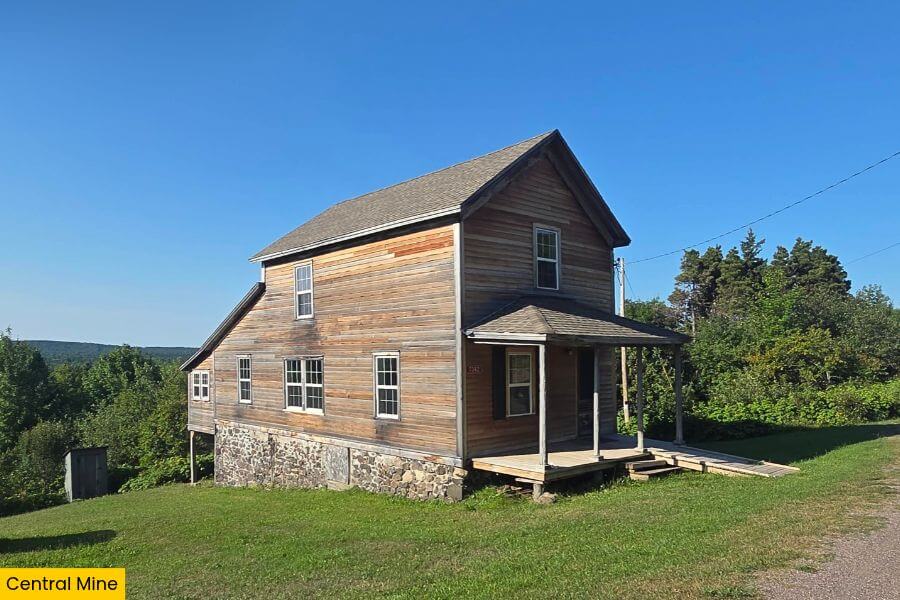
After Phoenix, drive another 5 minutes to Central Mine, one of the peninsula’s best-preserved ghost towns, where plenty of original buildings still stand along quiet roads.
Established in the 1850s, this once-bustling community grew to 1,300 residents in 1887, including Cornish immigrants who worked and raised their families here.
But after the mine closed in 1898, people gradually moved away, and by 1952, the last permanent resident had left, ending nearly a century of busy everyday life.
If you take your time wandering around, you’ll find about 20 wooden miners’ homes, along with scattered ruins and the historic Central Mine Methodist Church.
5. Delaware
Leave Central Mine behind and drive 5 minutes to Delaware, a historic mining settlement that went from just 100 residents to 1,200 during its busiest years.
It was founded in 1846 and grew to include schools, grocery stores, a church, and rows of houses, making life easier for workers and their families in this remote area.
However, when mining operations ended in 1887, the town slowly emptied, leaving behind only a few surviving buildings and old stone foundations.
Today, you can explore its history at the Delaware Copper Mine, where self-guided tours run from mid-May to mid-October and take you 100 feet underground to see exposed copper veins.
6. Mandan
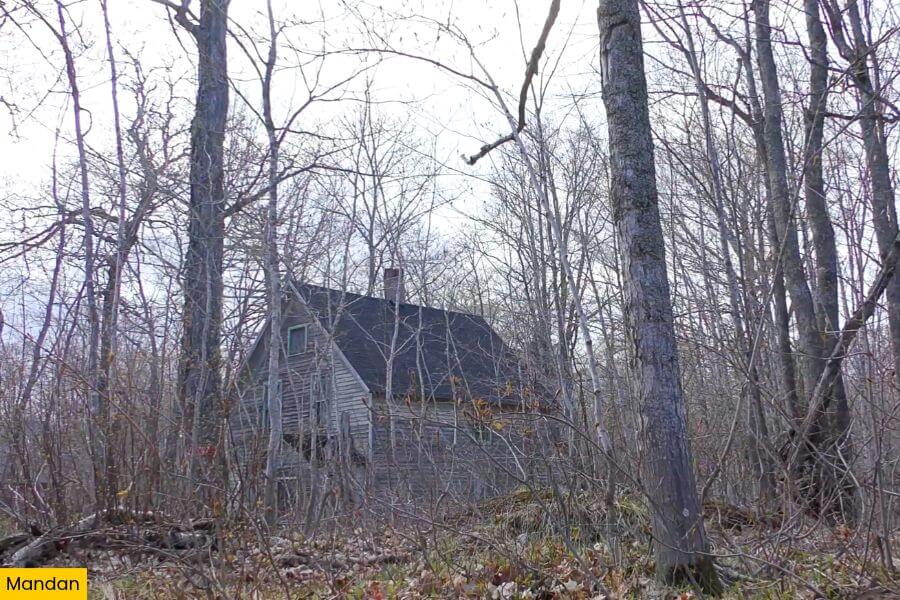
About a 10-minute drive from Delaware brings you to Mandan, a secluded ghost town accessible by a trail road marked by a sign along US-41.
It was once home to two copper mines, Mandan and Medora, which were established in 1864 and operated at different times before being abandoned in 1909.
In 1910, the community had around 300 residents, along with a railroad depot, post office, general store, doctor’s office, and schoolhouse, but its population dropped to just 26 by 1915.
Now, the forest has swallowed much of it, but you can still spot a weathered wooden house, crumbling foundations, and old mining remains hidden among the trees.
7. Bete Grise
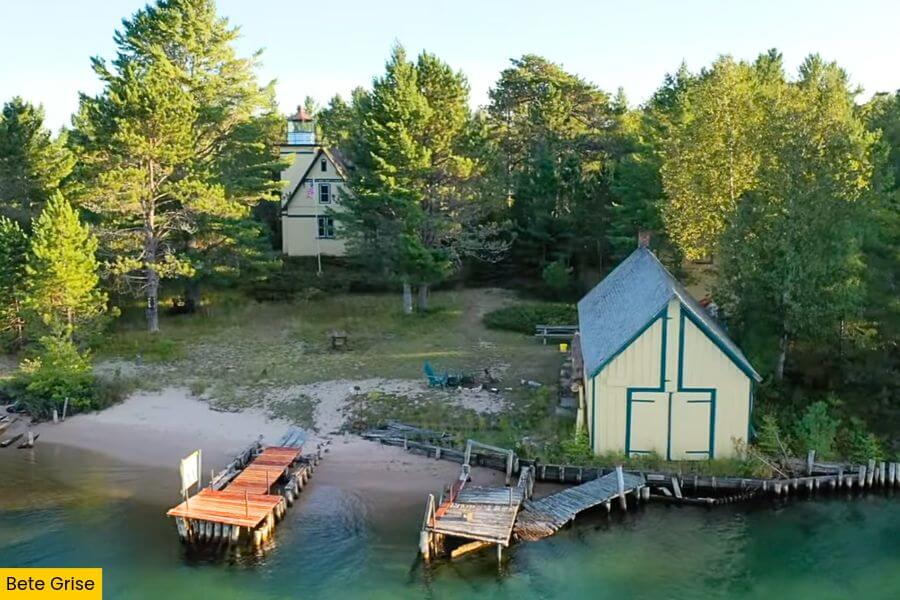
Next up is Bete Grise, a former mining village about 15 minutes from Mandan, where white sand meets the clear waters of Lake Superior along the Keweenaw’s southern shore.
Unlike the earlier towns, this place also served as a sheltered harbor where large ore boats could seek refuge whenever the lake became too rough to navigate.
By 1940, only 10 residents remained, and many buildings had been abandoned, although some of the original wooden houses still stand today, much as they did decades ago.
After exploring, relax at nearby Bete Grise Beach, where you can kayak, swim, sunbathe, and take long walks along the shore while taking in the beautiful views.
8. Jacobsville
For the final stop on your road trip, drive roughly 1 hour and 5 minutes from Bete Grise to Jacobsville, a historic community near the mouth of the Portage River.
Founded as a fishing village in 1887, it later became known for its sandstone quarry, which supplied reddish-brown stone for buildings across the Copper Country.
By 1900, the community had around 800 residents, along with churches, stores, and schools, but it gradually declined after the quarry closed and local jobs disappeared.
While you’re here, look for traces of the site’s past and visit the historic Jacobsville church, which still holds services during the summer months.
Related Posts