Virginia has towns where centuries-old brick buildings still line Main Street, historic mills stand beside quiet roads, and old courthouses look almost ready for business as usual.
Some of these places date back to the 1700s, with stories tied to early American trade, the Civil War, Appalachian culture, and life along the Chesapeake Bay.
Best of all, these towns give you much more than a quick history lesson, with hiking trails, theaters, local shops, waterways, and historic districts to explore.
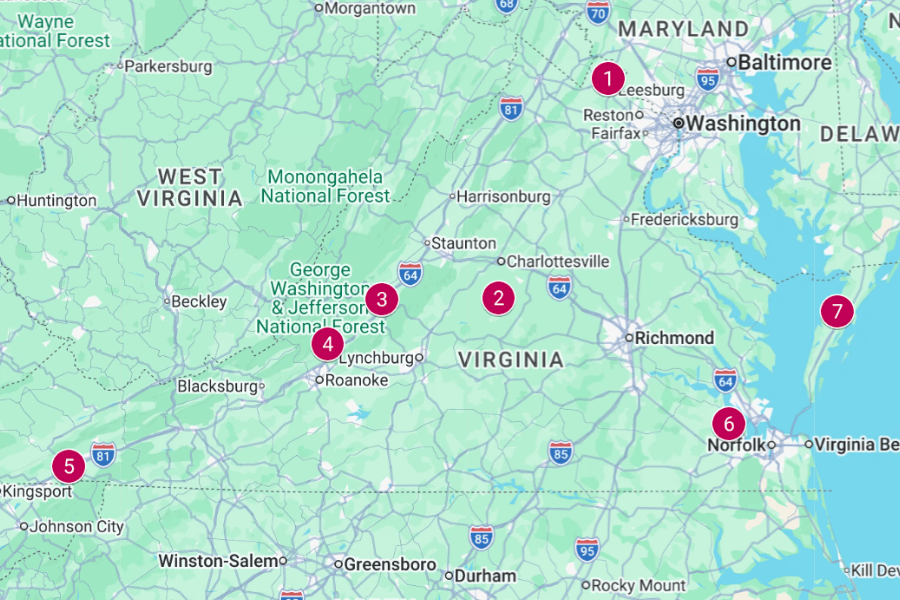
Here are seven historic towns in Virginia that can make an ordinary afternoon feel like you accidentally wandered into another century.
1. Waterford
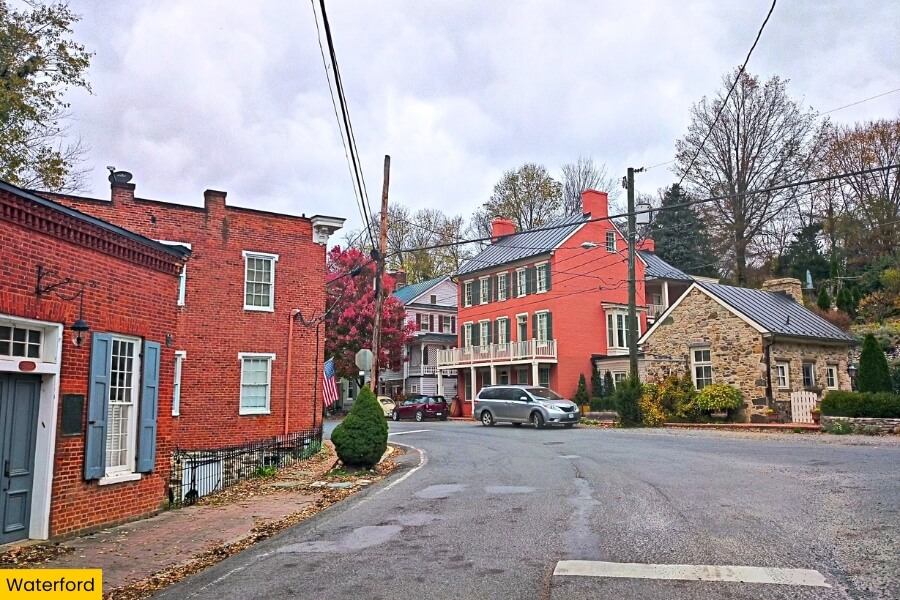
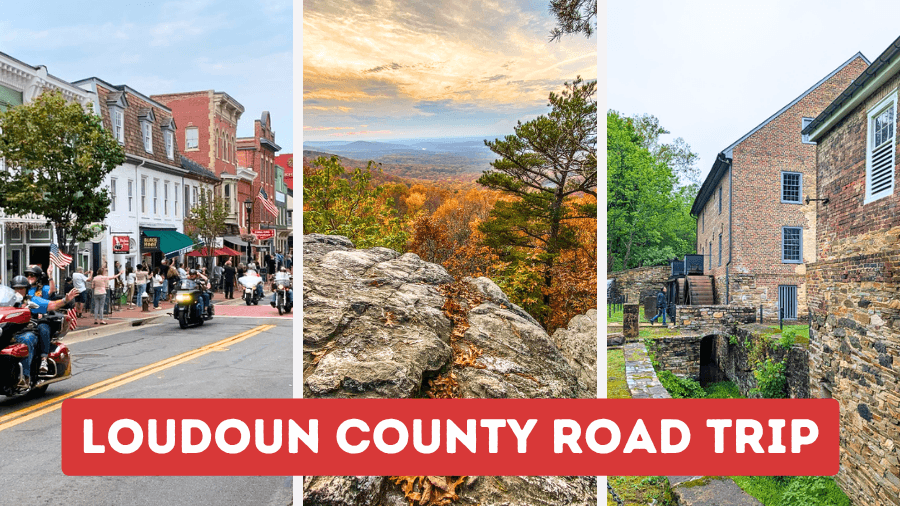
Waterford sits in northern Loudoun County about 1 hour from Washington, D.C., where stone walls, narrow roads, and centuries-old homes make the village look remarkably unchanged.
Founded by Quakers in 1733, Waterford is a National Historic Landmark District packed with preserved 18th- and 19th-century buildings, including the historic Second Street School.
You can wander quiet streets lined with brick and stone houses, explore the surrounding farmland, and visit during the annual Waterford Fair, a three-day October event featuring traditional crafts, historic homes, music, and local food.
For an easy outdoor detour, walk the 1.3-mile Phillips Farm Interpretive Trail, which winds through the 144-acre Phillips Farm property and offers a close-up look at the agricultural landscape that has surrounded Waterford for generations.
2. Scottsville
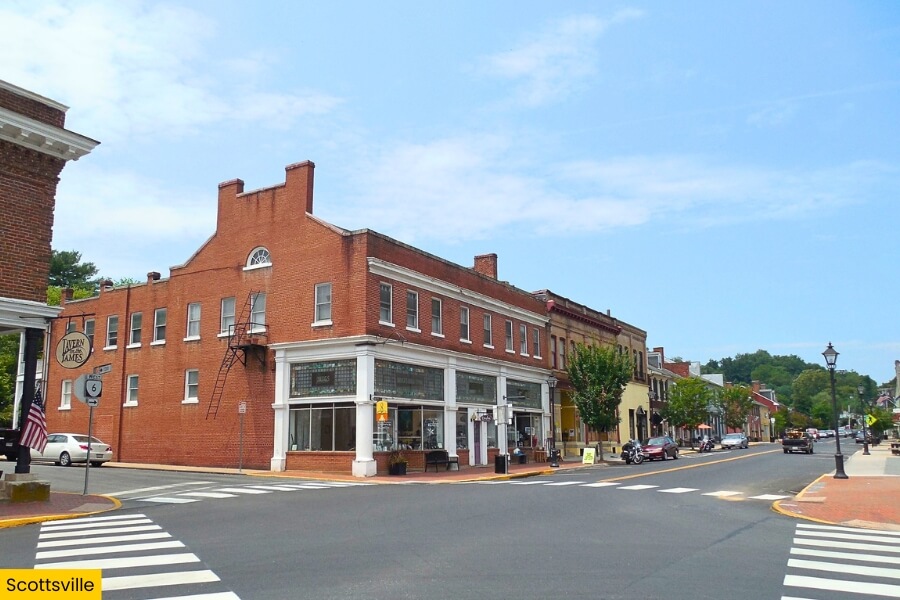
Trade quiet country lanes for riverfront history in Scottsville, a small town about 30 minutes from Charlottesville where the James River curves past the heart of town.
Founded in 1744, Scottsville once served as the Albemarle County seat and later became a busy shipping stop, with canal boats carrying tobacco, wheat, and other goods along the James River and Kanawha Canal.
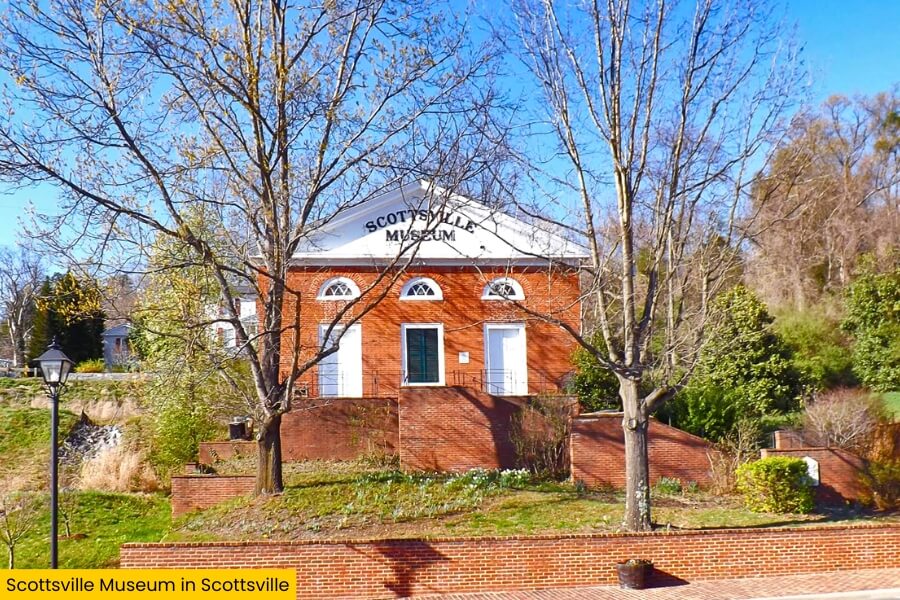
Walk the Scottsville Historic District to see 18th- and 19th-century buildings, stop by the Scottsville Museum inside the former Disciples of Christ Church, built in 1846, and check out the town’s old canal-era sites.
Then hit the water at Scottsville’s public boat landing, where you can launch a kayak, canoe, or tube for a float down the James River past wooded banks and rolling Piedmont countryside.
3. Lexington
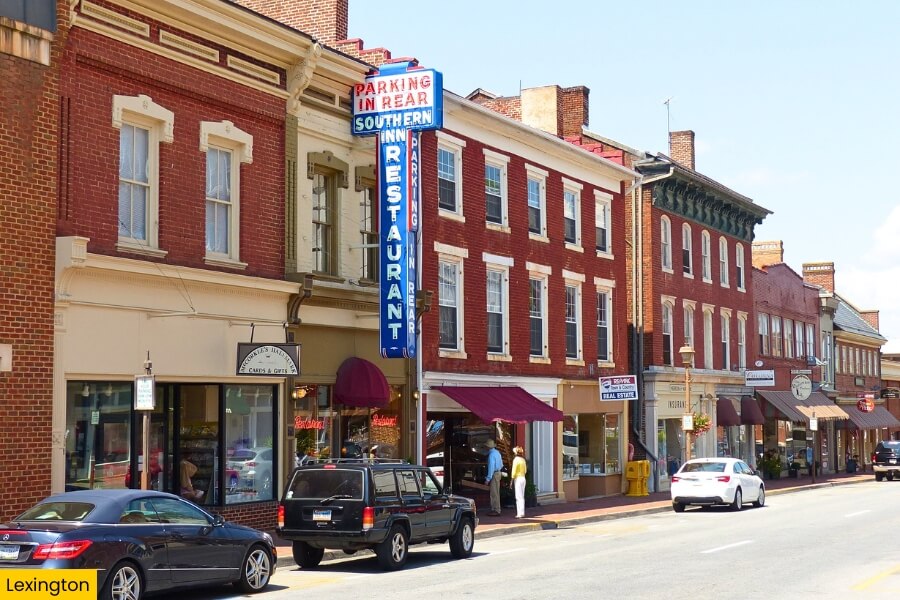
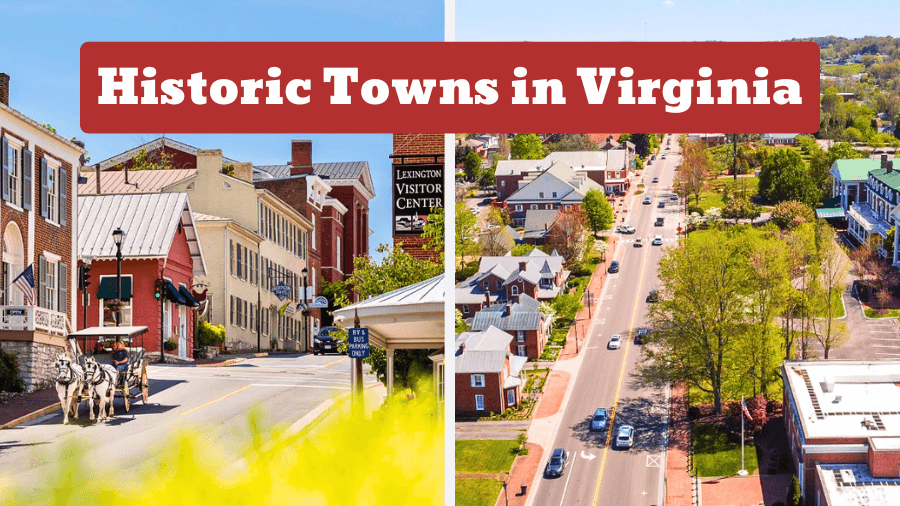
Lexington brings a completely different chapter of Virginia history, with red-brick sidewalks, grand college buildings, and a compact downtown set in the Shenandoah Valley about 55 minutes from Roanoke.
Founded in 1778, the town is home to Washington and Lee University and Virginia Military Institute, where you can see VMI’s castle-like Gothic Revival barracks.
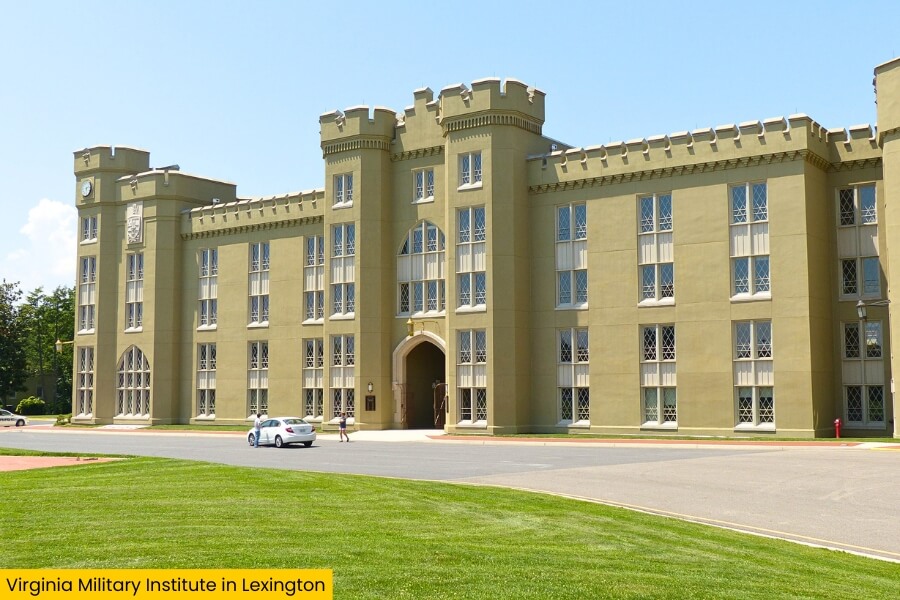
At the University Chapel, completed in 1868, you can learn about Washington and Lee’s past and see the burial site of Confederate general Robert E. Lee, who served as the college’s president after the Civil War.
Downtown, browse the independent shops along Main Street, tour the Jackson House Museum, and see buildings spanning more than two centuries in the Lexington Historic District.
4. Fincastle
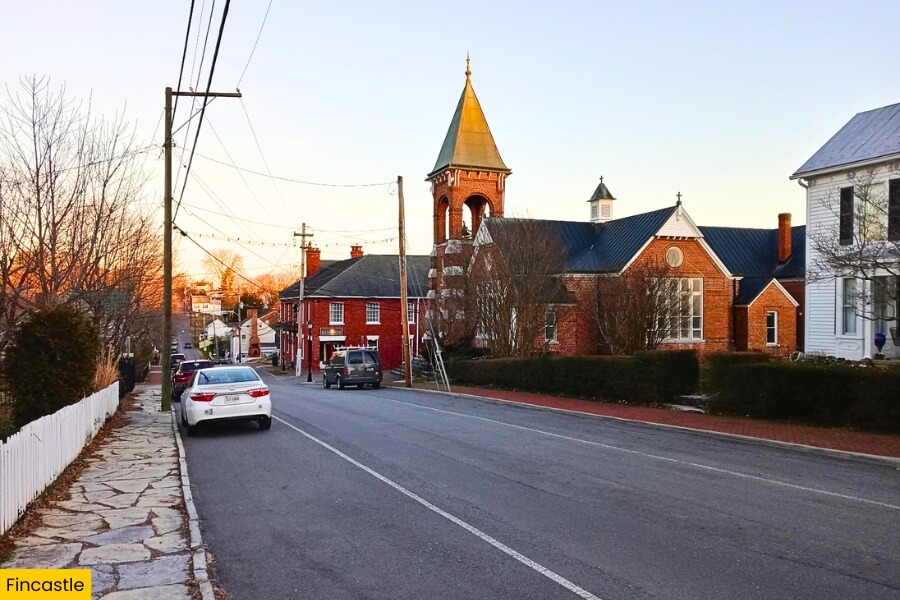
Fincastle turns the clock back even further, with a tiny courthouse-centered downtown located about 30 minutes from Roanoke in Virginia’s Blue Ridge Mountains.
Established in 1770, the town became the seat of enormous Botetourt County, which once stretched all the way to the Mississippi River and included land that later became several states.
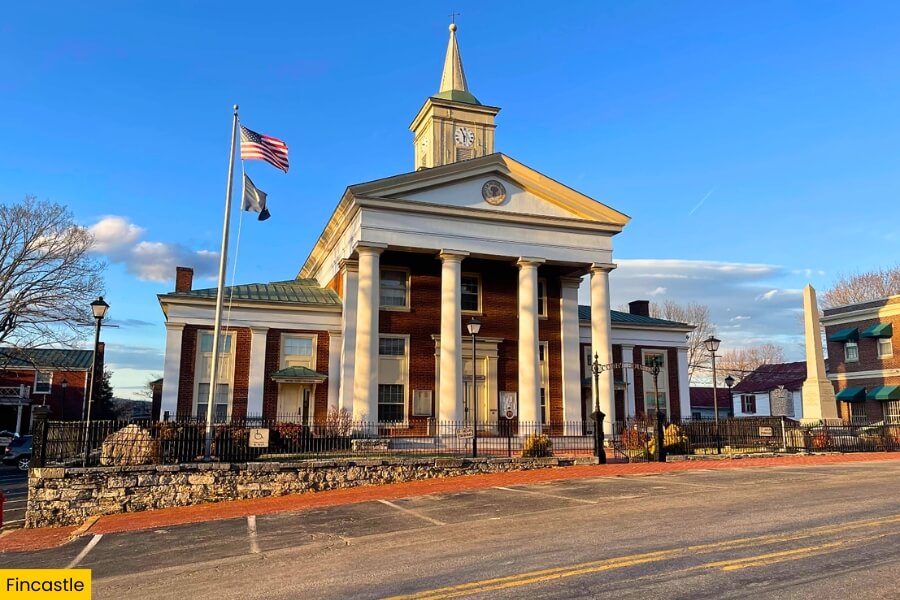
Follow the Historic Fincastle Walking Tour to spot Federal, Greek Revival, and Victorian buildings, including the historic courthouse square.
Fincastle also has ties to explorers Meriwether Lewis and William Clark, both of whom spent time in the area, while its preserved churches, old homes, and compact street grid make it easy to explore more than 250 years of Virginia history on foot.
5. Abingdon
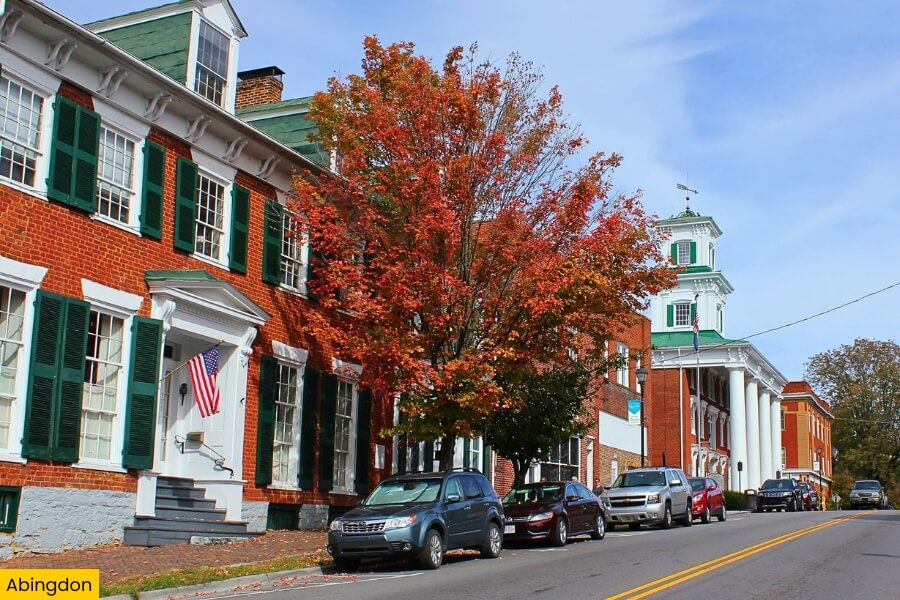
Abingdon adds theater, art, and Appalachian culture to the story, filling its downtown about 15 minutes from Bristol with brick sidewalks and buildings dating back more than two centuries.
Founded in 1778, the town is best known for Barter Theatre, which opened in 1933 during the Great Depression and famously allowed customers to trade food for admission.
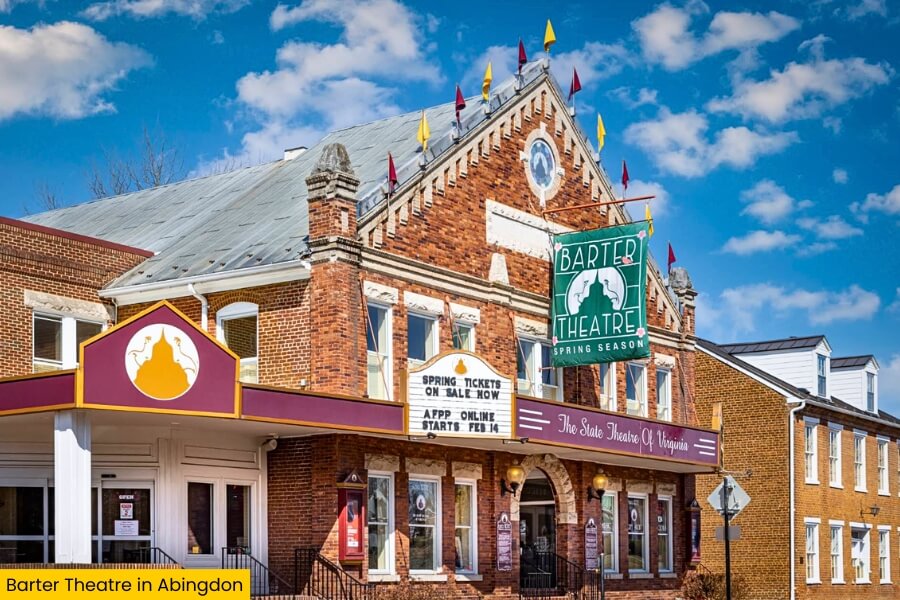
You can catch a show there, explore rotating exhibitions at the William King Museum of Art, or see the 1860 Fields-Penn House along Abingdon’s 20-block historic district.
For something beyond old buildings, walk or bike the Virginia Creeper Trail, a 34.3-mile rail trail that begins in Abingdon and follows a former railroad route through forests, farmland, and small communities.
6. Smithfield
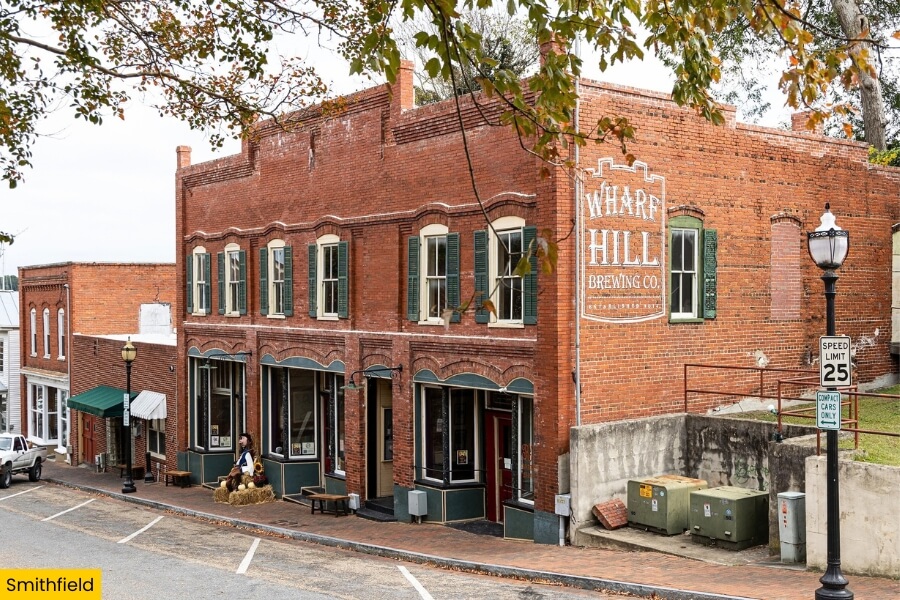
Smithfield swaps mountain scenery for tidal waterways, sitting along the Pagan River about 40 minutes from Norfolk and packing centuries of history into its walkable downtown.
Founded in 1752, the town became famous for curing pork, and the name Smithfield Ham is still protected by Virginia law for hams processed within the town limits.
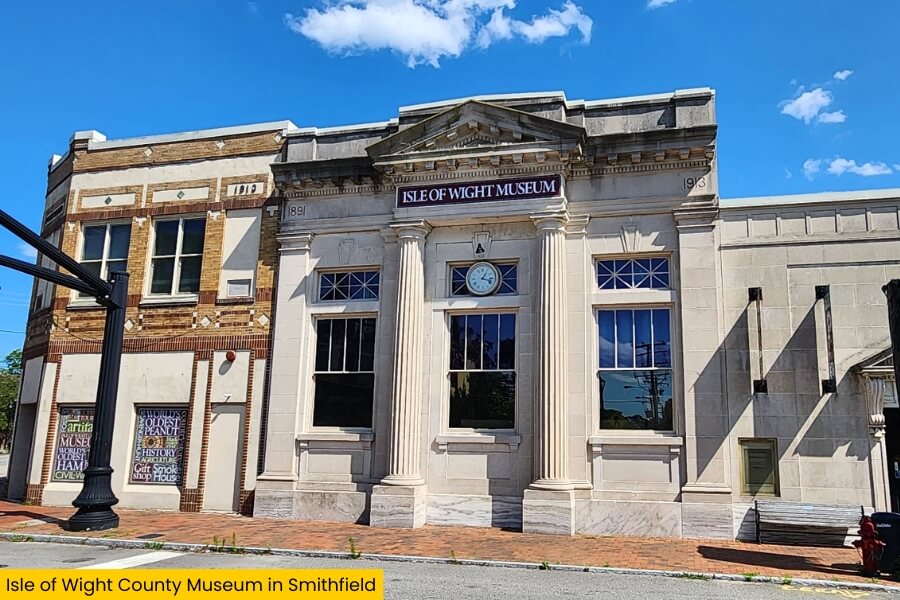
You can tour St. Luke’s Historic Church, whose surviving structure dates to the 1600s, then visit the 1750 Isle of Wight County Museum and browse Main Street’s locally owned shops.
Don’t miss Windsor Castle Park, where 208 acres surround a manor house and more than 3 miles of walking and biking trails wind past creeks, woods, farmland, and the Pagan River.
7. Onancock
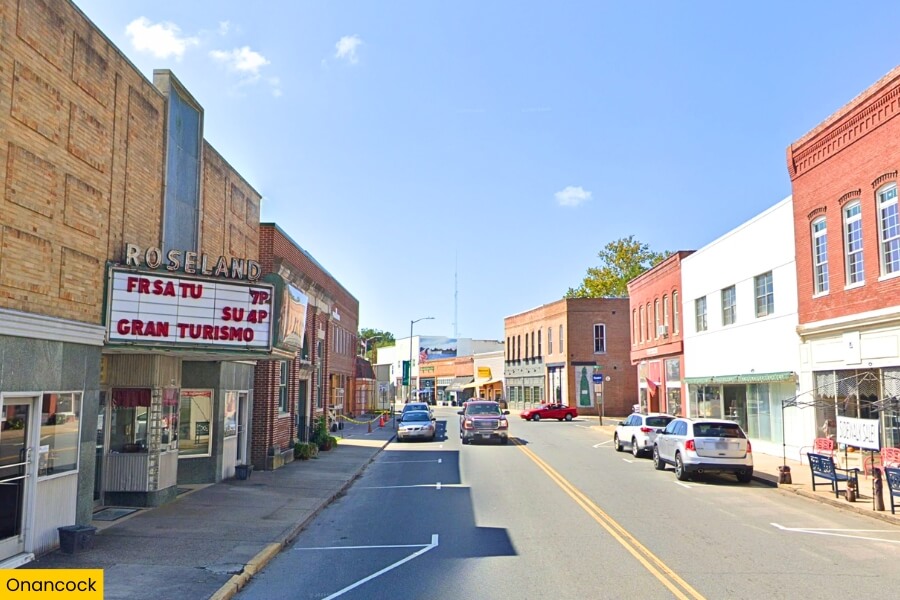
To finish the list beside the water, Onancock sits on Virginia’s Eastern Shore, with its historic streets leading straight to Onancock Creek and the Chesapeake Bay.
Founded as a port in 1680, the town grew around shipping and seafood, and today you can still walk past Victorian houses, old churches, and commercial buildings in the Onancock Historic District.
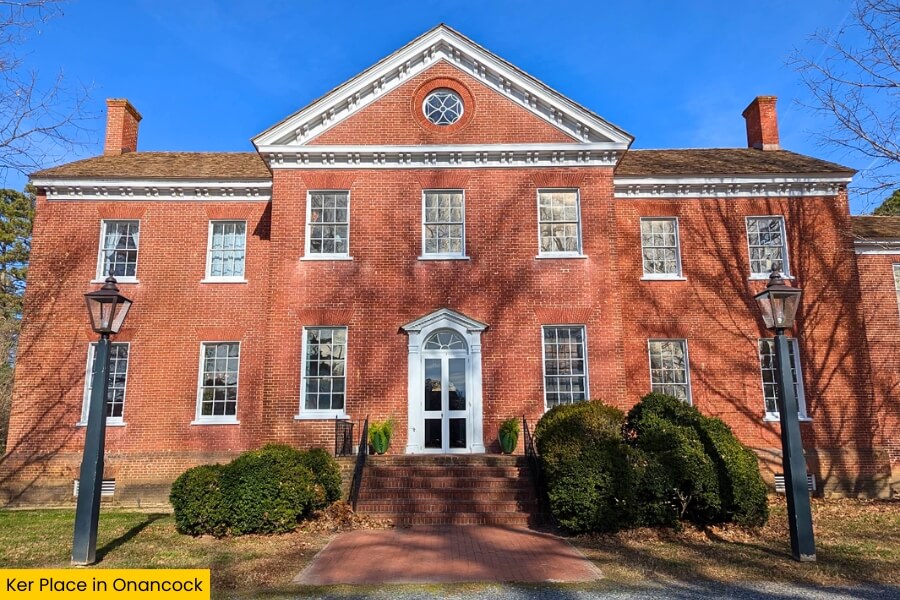
Stop at the Ker Place museum, a grand Federal-period Georgian-style house built from 1799 to 1803, then head to Onancock Wharf to watch working boats and kayaks move along the creek.
You can also paddle the calm waters yourself, taking in the quiet scenery and waterfront views around Onancock.
Related Posts