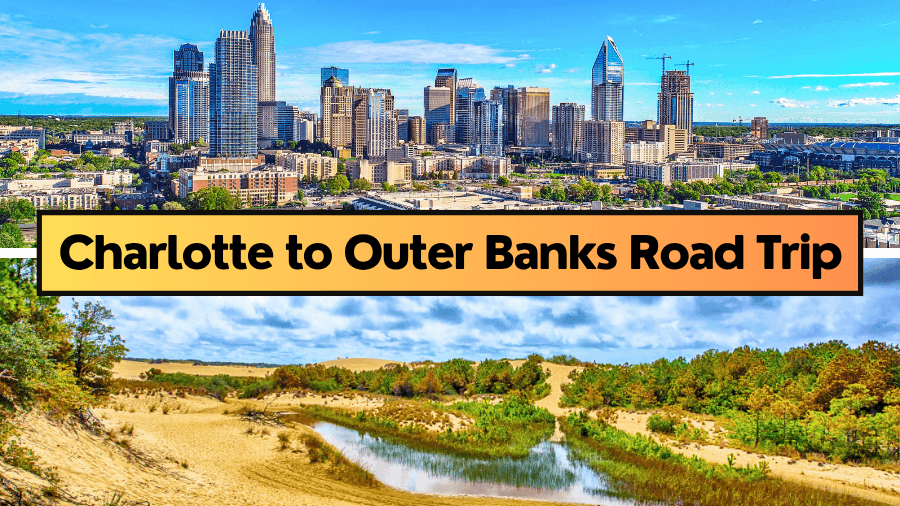
Ready to trade North Carolina’s biggest city for sandy beaches, rolling dunes, and salty Atlantic air?
This Charlotte to Outer Banks road trip turns the drive across the state into part of the adventure, with fascinating history, wild outdoor spaces, great food, and some seriously unexpected stops along the way.
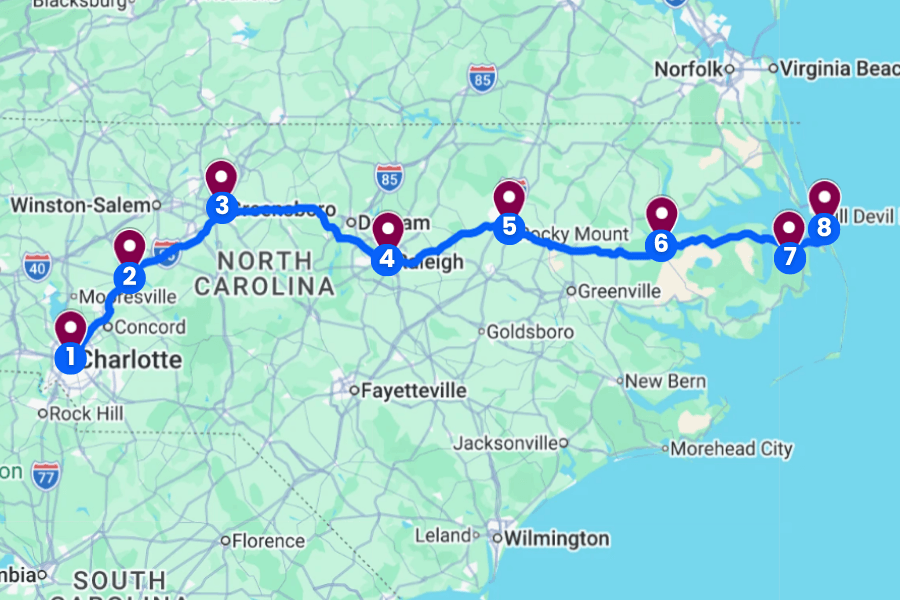
Instead of racing straight to the coast, this itinerary gives you plenty of reasons to pull over, explore, and discover parts of North Carolina you might otherwise zip right past.
By the time the ocean finally appears, you’ll have collected a whole road trip’s worth of stories before the beach vacation even begins.
1. Charlotte
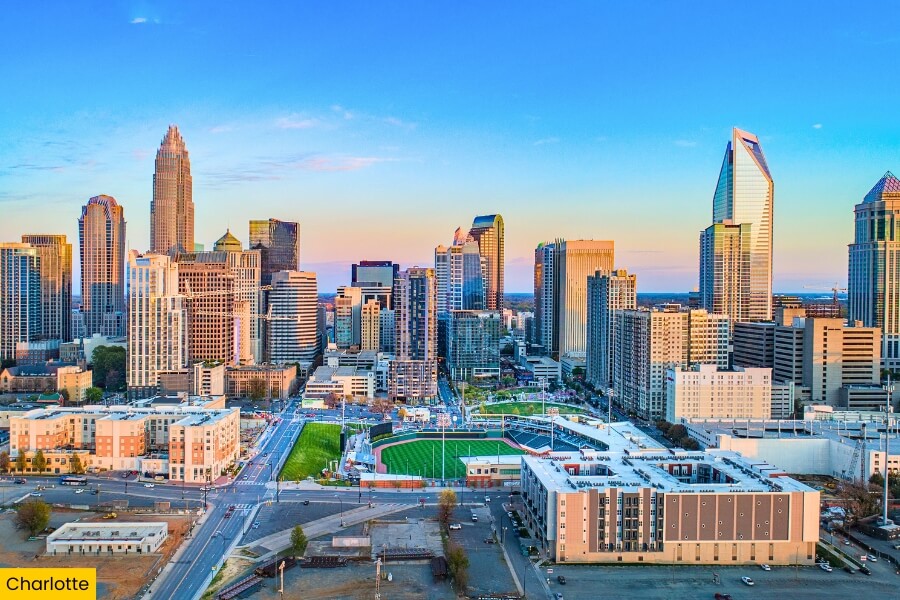
Charlotte is an action-packed starting point for your drive toward the Outer Banks.
Known as the Queen City, Charlotte is home to the NASCAR Hall of Fame, where you can see historic race cars, try racing simulators, and learn why stock-car racing is huge in North Carolina.
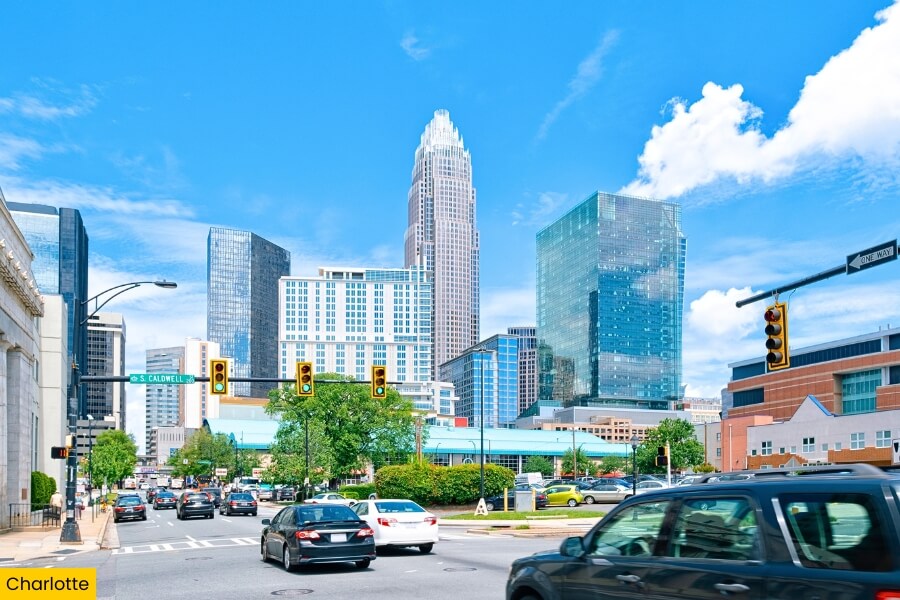
Uptown Charlotte packs in major stops like Discovery Place Science, the 5.2-acre Romare Bearden Park, and Bank of America Stadium, the 75,037-seat home of the NFL’s Carolina Panthers.
Before hitting the road east, check out the U.S. National Whitewater Center, a 1,300-acre outdoor recreation spot with whitewater rafting, climbing, mountain biking, kayaking, and ziplines.
2. North Carolina Transportation Museum (Spencer)
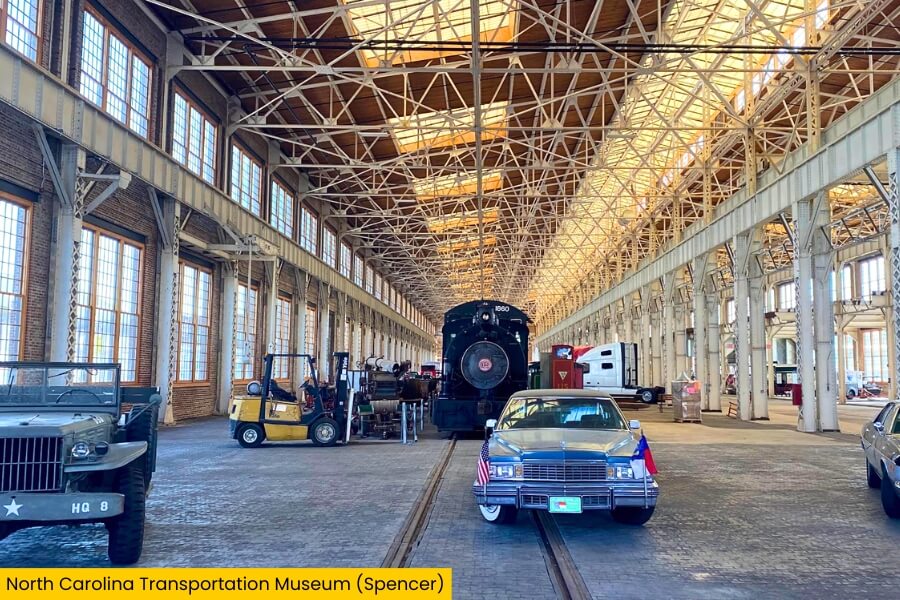
Next up, about 50 minutes from Charlotte, the North Carolina Transportation Museum in Spencer fills the former Southern Railway Spencer Shops, once a major steam locomotive repair facility that opened in 1896.
The 60-acre site is packed with locomotives, vintage passenger cars, automobiles, fire trucks, and aircraft, so you can watch North Carolina’s transportation story unfold through some seriously cool machines.
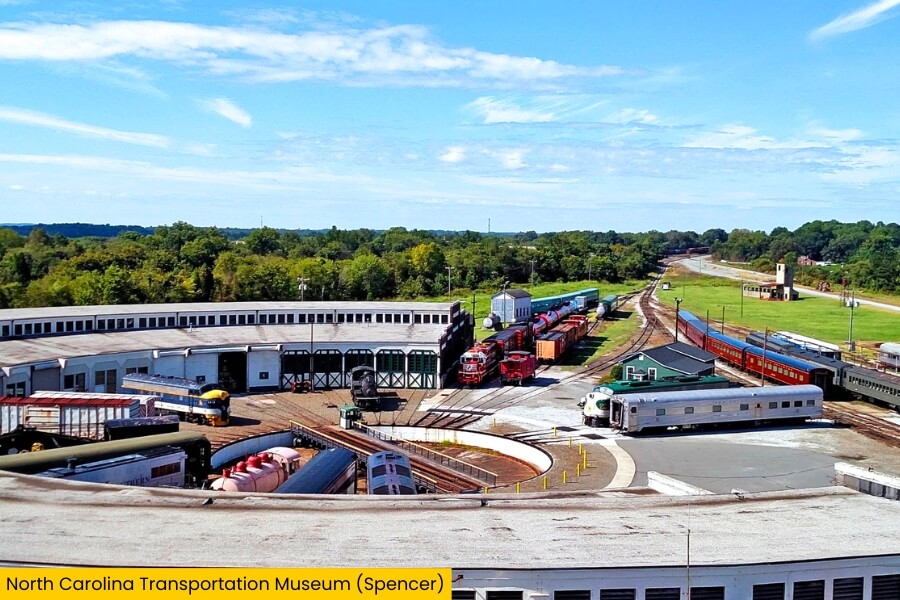
Its star attraction is the massive 37-stall Bob Julian Roundhouse, built in 1924, where locomotives once rolled onto a central turntable before heading into individual repair bays.
You can also take a train ride around the historic property, explore restored railroad buildings, and see why Spencer makes a fun first detour before continuing east.
3. Greensboro
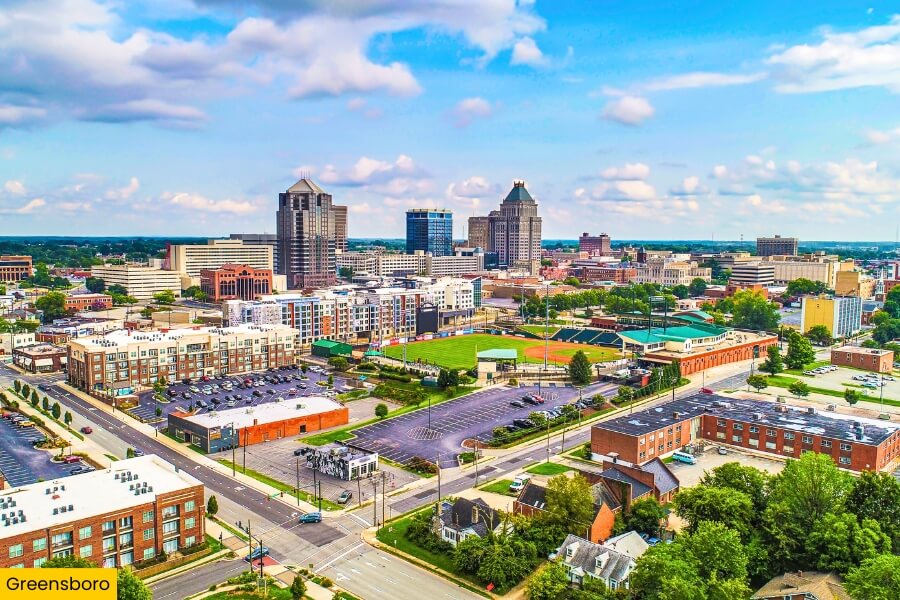
From Spencer, keep rolling about 50 minutes on I-85 to Greensboro, a central North Carolina city where major Civil Rights history, museums, and outdoor stops can easily fill an afternoon.
Start downtown at the International Civil Rights Center & Museum, located inside the former F.W. Woolworth store where four Black college students began the famous Greensboro sit-ins at the lunch counter on February 1, 1960.
For something completely different, head to the Greensboro Science Center, where you can explore an aquarium, museum, zoo, and treetop adventure course at one 22-acre attraction.
Before driving farther east, stretch your legs at the 7.5-acre Tanger Family Bicentennial Garden or visit the nearby 17-acre Greensboro Arboretum, which features 14 plant collections, paved paths, sculptures, and colorful seasonal gardens.
4. Raleigh
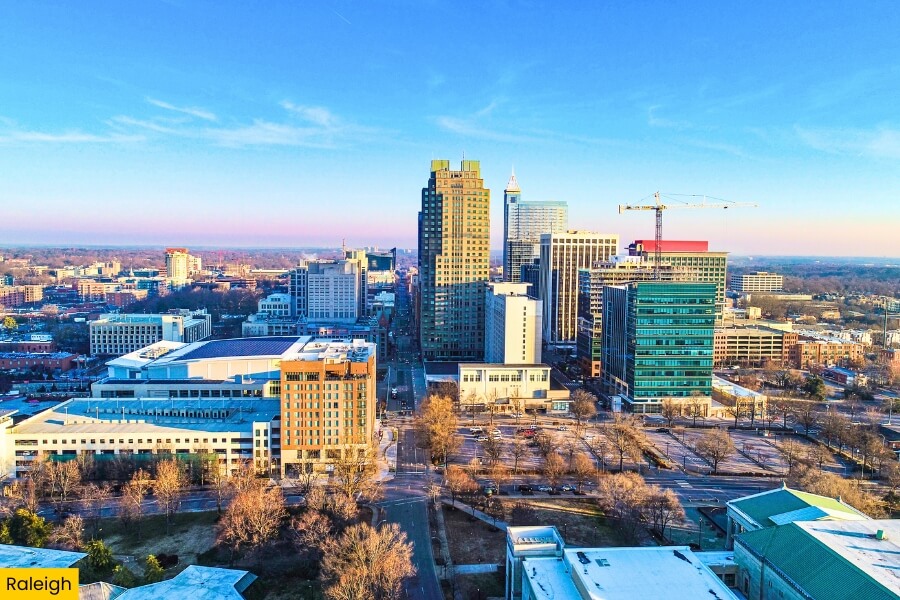
From Greensboro, follow I-40 for about 1 hour and 20 minutes to Raleigh, North Carolina’s capital and a perfect stop for museums, local food, and leafy city parks.
Right downtown, you can tour the Greek Revival-style North Carolina State Capitol, completed in 1840, then walk to the North Carolina Museum of Natural Sciences, the Southeast’s largest natural history museum.
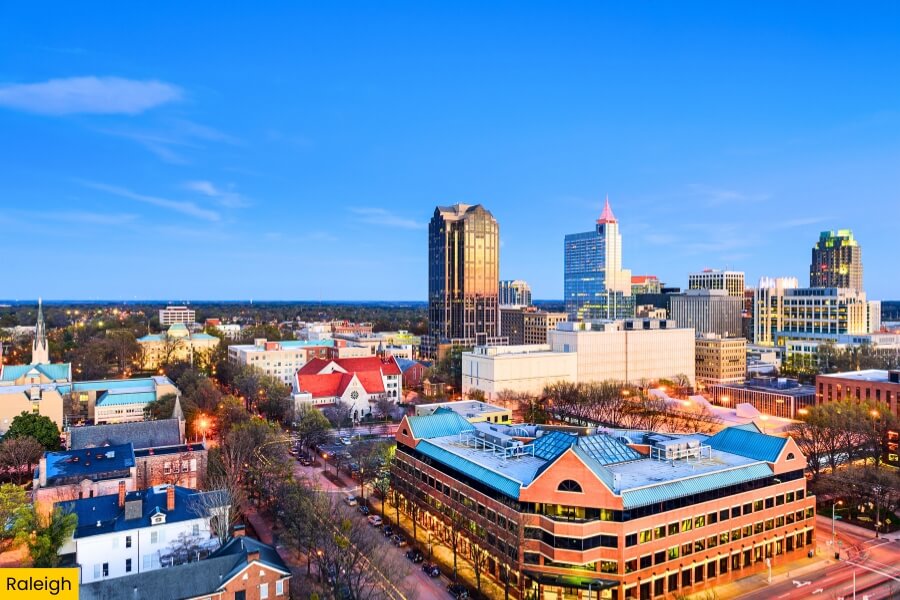
Save time for the North Carolina Museum of Art, where free galleries pair with the 164-acre Ann and Jim Goodnight Museum Park, filled with outdoor sculptures, trails, and picnic spots.
Raleigh is nicknamed the City of Oaks, and you can see why at the 308-acre Dorothea Dix Park, where downtown skyline views and thousands of blooming sunflowers steal the show each summer.
5. Rocky Mount Mills
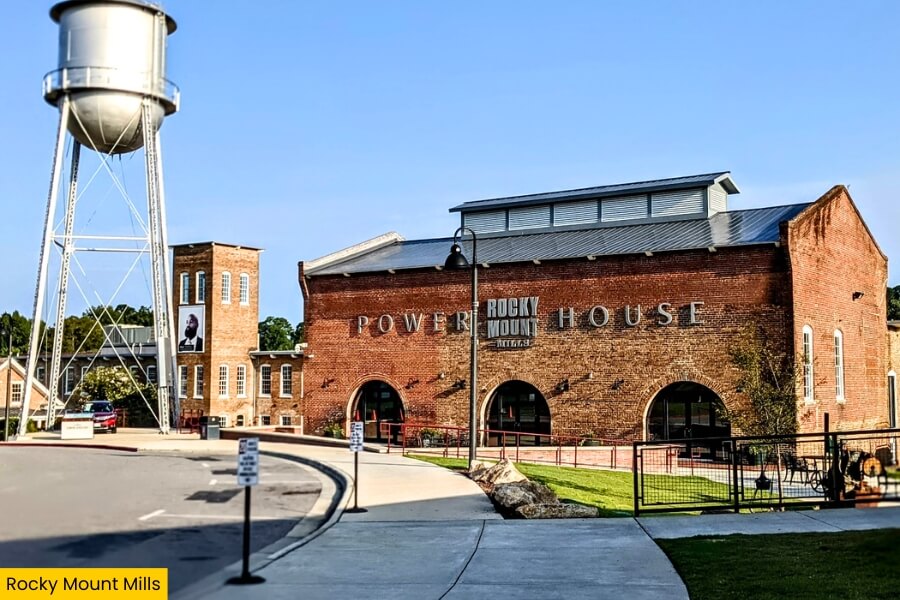
Leaving Raleigh behind, drive about 55 minutes to Rocky Mount Mills, a former cotton mill complex beside the Tar River that has been transformed into one of eastern North Carolina’s coolest food and drink stops.
The mill dates to 1818 and operated for nearly two centuries, so you can wander past restored brick buildings while checking out restaurants, breweries, offices, and homes built into the historic industrial site.
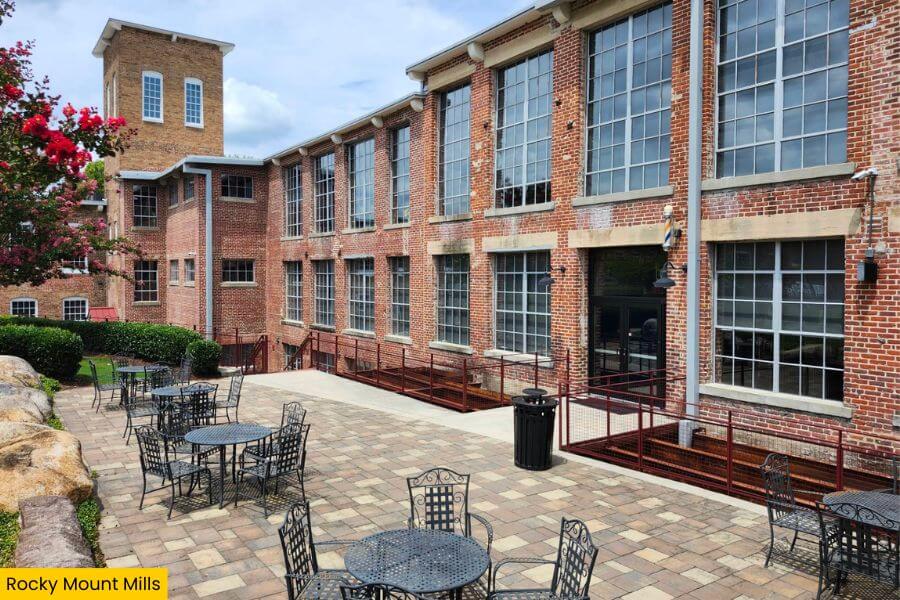
Grab a beer at HopFly Brewing Company, then walk part of the Tar River Trail, which connects the mill area with river views and shady stretches beneath the trees.
Rocky Mount Mills also has riverside lawns, outdoor events, and the tiny River and Twine hotel, where 21 custom-built tiny houses make an especially fun overnight stop.
6. Plymouth
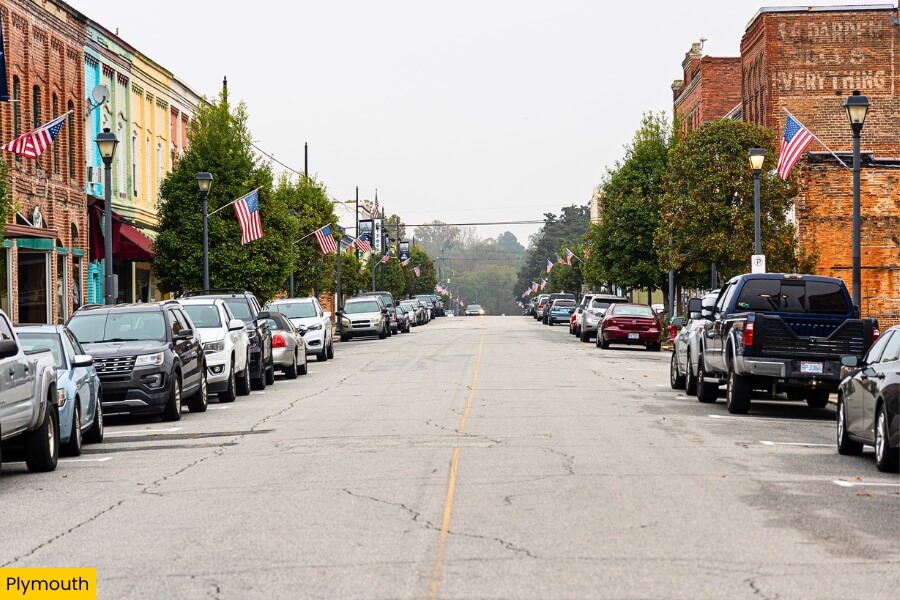
From Rocky Mount, continue about an hour’s drive to Plymouth, a small Roanoke River town where Civil War history, black bears, and waterfront views make your coastal-bound drive much more interesting.
Start at the Port O’Plymouth Museum, where exhibits cover the Battle of Plymouth, an important 1864 Confederate victory that included the ironclad CSS Albemarle and fighting along the town’s streets.
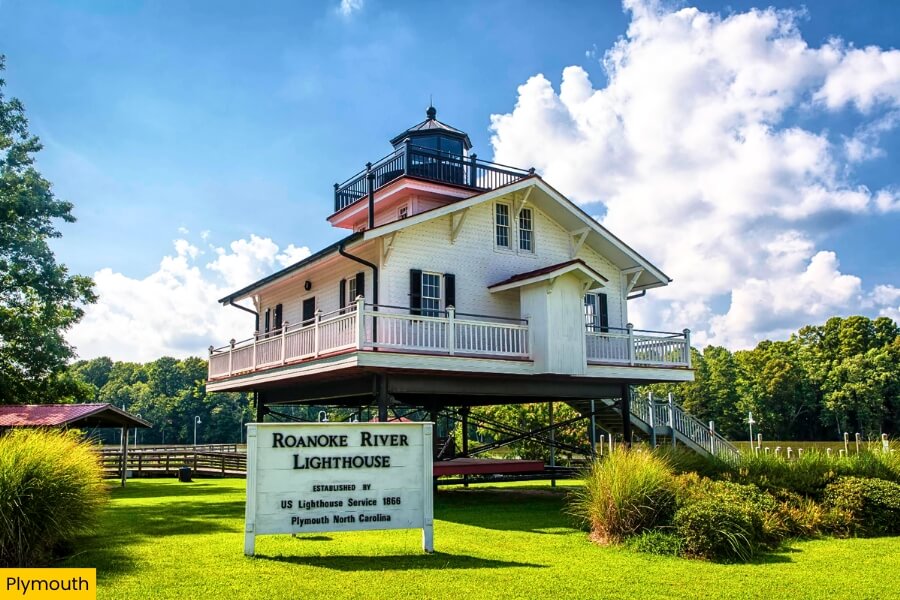
Then follow the Roanoke River Lighthouse and Maritime Museum area along the waterfront, where a replica 1866 screw-pile lighthouse stands above the river and boardwalks give you an easy place to stretch your legs.
Plymouth is also a gateway to the nearby 100,000-acre-plus Pocosin Lakes National Wildlife Refuge, home to one of the highest concentrations of American black bears in the eastern United States.
7. Alligator River National Wildlife Refuge
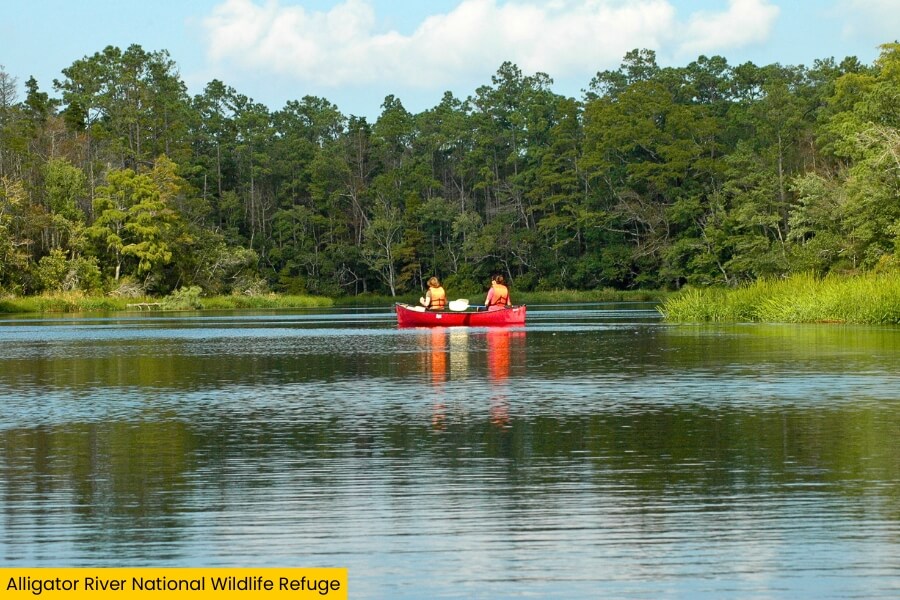
After Plymouth, continue for about 1 hour and 20 minutes toward the Outer Banks and make time for Alligator River National Wildlife Refuge, a 158,000-acre protected area on the mainland just west of Roanoke Island.
This huge refuge protects pocosin wetlands, forests, marshes, and waterways where you might spot black bears, river otters, white-tailed deer, alligators, and more than 250 species of birds.
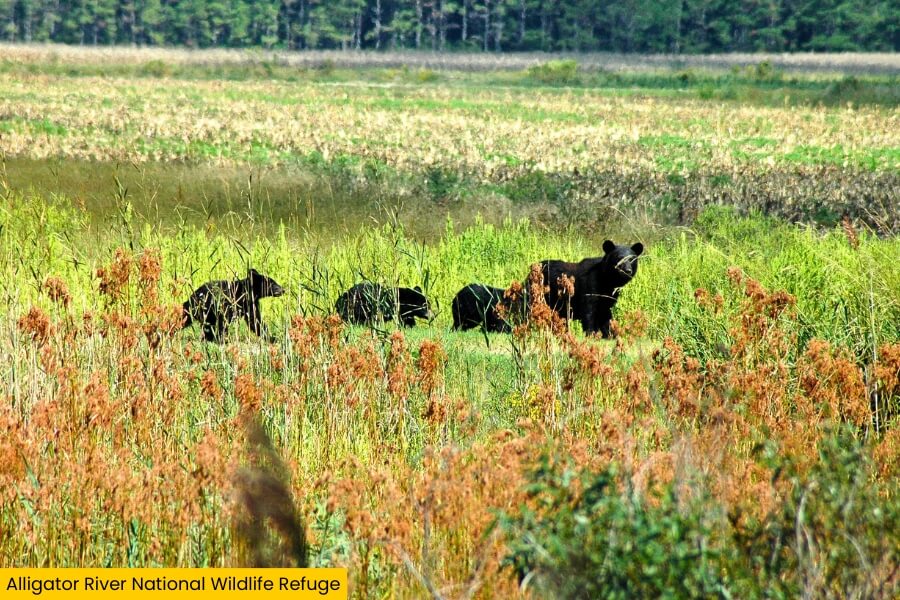
It is also home to the world’s only wild population of red wolves, one of America’s rarest mammals, which were first reintroduced here in 1987.
Drive the Wildlife Drive for your best shot at seeing animals, or paddle one of the marked Milltail Creek routes, including a 5.5-mile one-way blue trail through quiet, tea-colored water before crossing the bridge toward the Outer Banks.
8. Jockey’s Ridge State Park
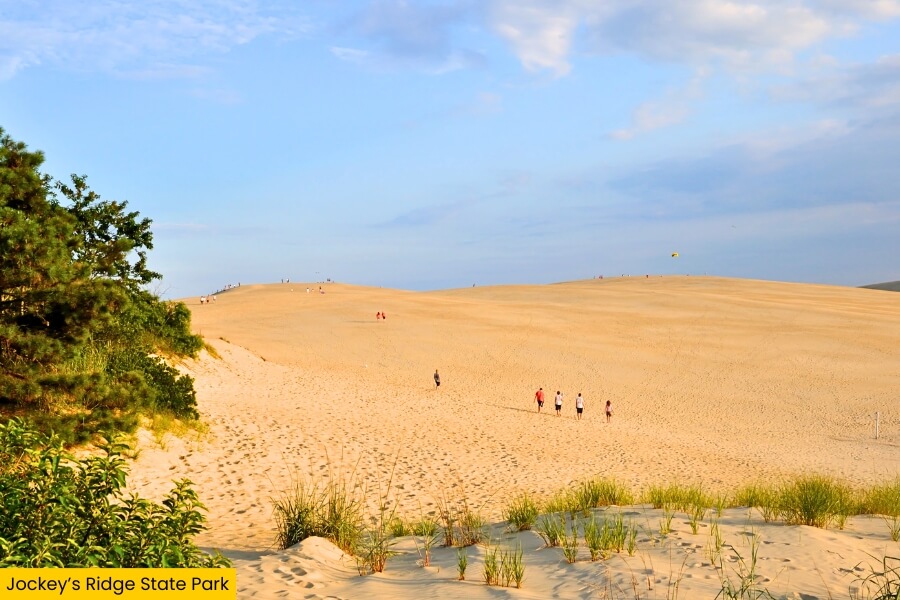
Once you cross onto the Outer Banks, head about a 45-minute drive to Jockey’s Ridge State Park in Nags Head, where the tallest living sand dune system on the Atlantic Coast rises above the barrier island.
The park covers 426 acres, and its huge dunes constantly shift with the wind, creating wide-open views of the Atlantic Ocean to the east and Roanoke Sound to the west.
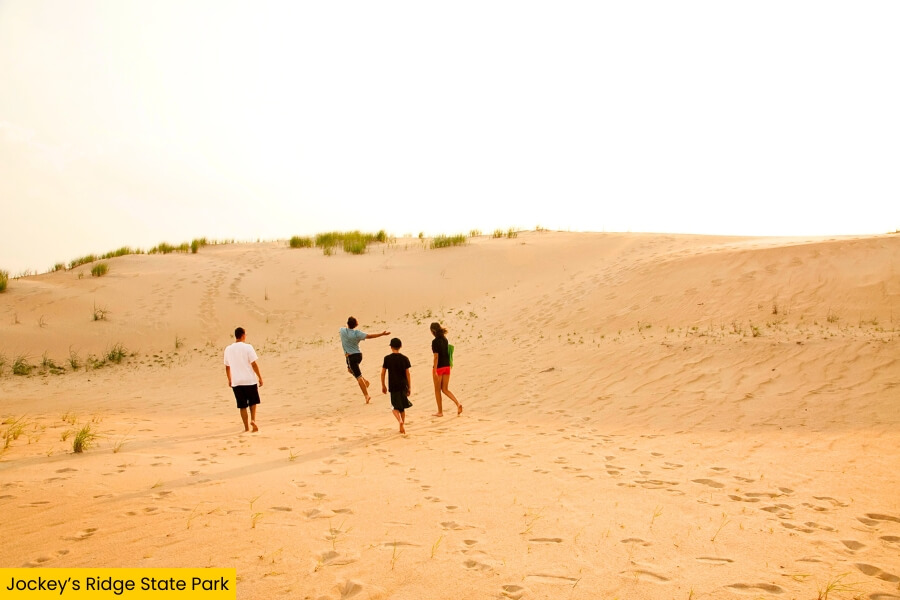
Take the 1.2-mile Tracks in the Sand Trail across the dunes, tackle the sandy climb with sturdy shoes, or try hang-gliding lessons from the same slopes where beginners have learned to fly for decades.
Stick around for sunset over Roanoke Sound, when the dune tops become one of the Outer Banks’ best spots for colorful skies and wide coastal views.
Related Posts