Arizona’s Wild West days may be long gone, but some towns still look like they belong in an old cowboy movie, complete with dusty streets, wooden boardwalks, historic saloons, and buildings that have stood for more than 100 years.
You can walk through old mining towns where gold and silver once made fortunes, visit saloons where famous outlaws once drank, and even watch cowboys face off in gunfight reenactments.
Some of these places have wild donkeys wandering the streets, while others hide abandoned mines, spooky hotels, and fascinating stories from Arizona’s frontier days.
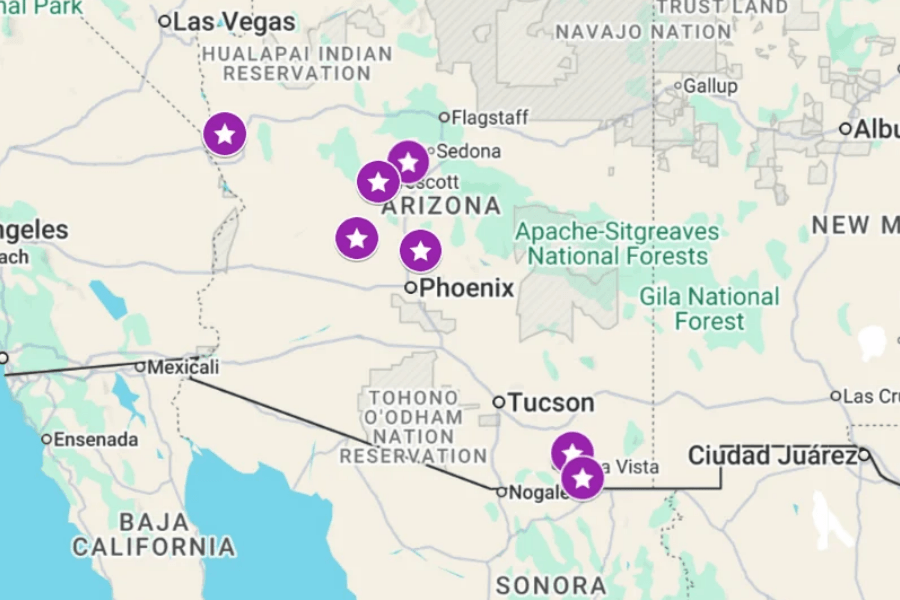
Here are seven Arizona towns where you can still get a taste of the Wild West, and a few might surprise you.
1. Tombstone
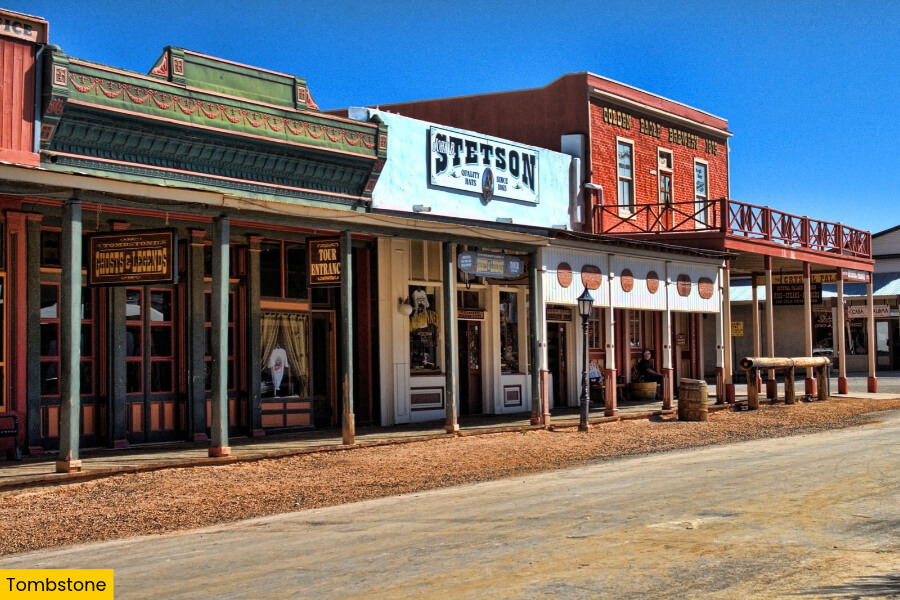
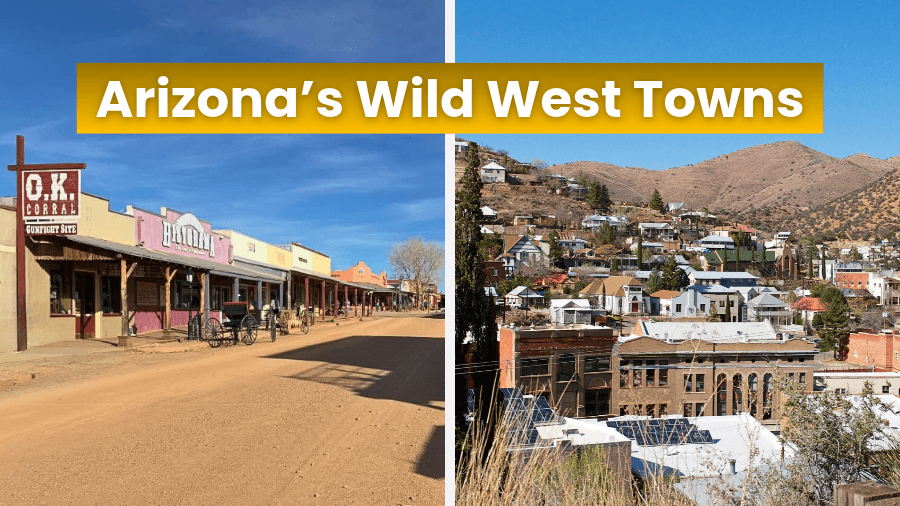
Located about a 1-hour-and-20-minute drive from Tucson, Tombstone, is one of the best places to experience the Wild West.
It has dusty streets, wooden boardwalks, old saloons, and historic buildings dating back to its silver mining boom in the 1880s.
The town is famous for the legendary 1881 Gunfight at the O.K. Corral, where Wyatt Earp, his brothers, and Doc Holliday faced off against a group of outlaws in a shootout lasting about 30 seconds.
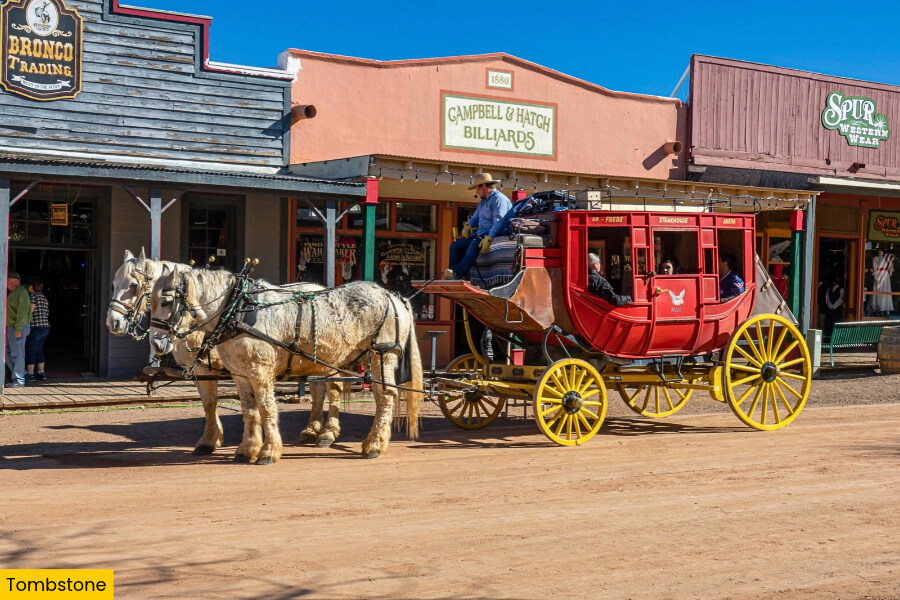
You can watch live gunfight reenactments at the O.K. Corral, explore the historic Bird Cage Theatre, and grab a drink at Big Nose Kate’s Saloon.
Don’t miss Boothill Graveyard, where more than 250 people are buried, including three men killed in the famous shootout.
2. Oatman
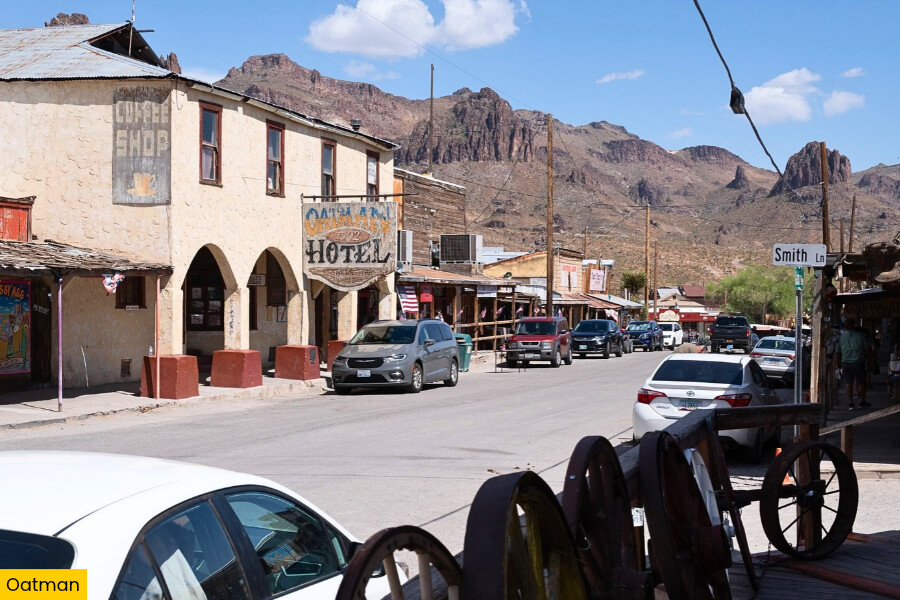
If Tombstone brings the Wild West to life with gunfights, Oatman takes things up a notch with real wild burros roaming its streets, poking their heads into shops, and greeting tourists looking for a photo.
Located along historic Route 66 in the Black Mountains, about 50 minutes from Kingman, this former gold mining town is packed with wooden storefronts, old-fashioned saloons, and buildings dating back to its early 1900s mining boom.
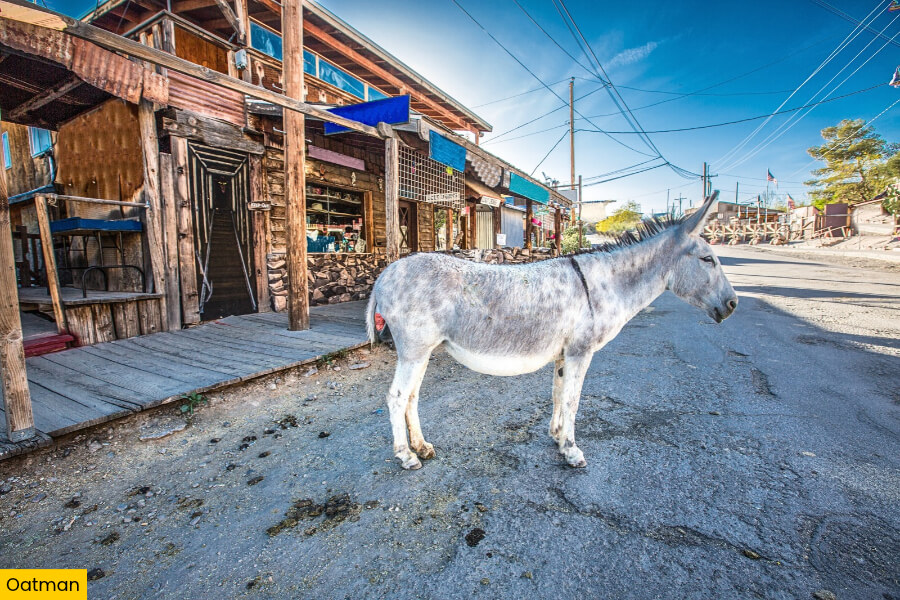
You can watch staged gunfights on Main Street, browse quirky souvenir shops, and grab a bite at the Oatman Hotel Restaurant & Saloon.
For an extra adventure, drive the winding Sitgreaves Pass section of Route 66, which climbs to about 3,550 feet and offers incredible mountain views.
3. Jerome
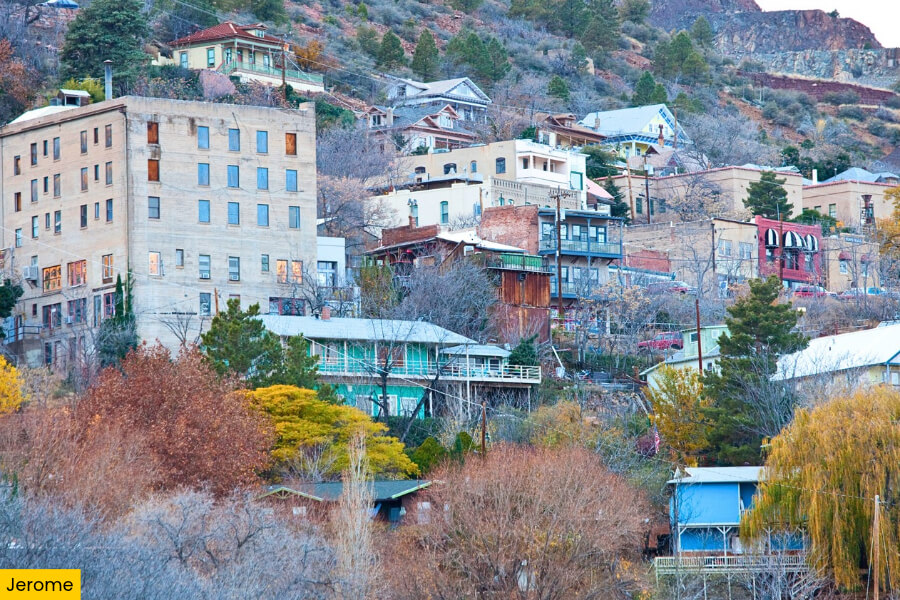
While Oatman is famous for its wandering burros, Jerome has a completely different Wild West story, with old mining buildings clinging to a steep mountainside and tales of ghosts lurking around every corner.
Located on Cleopatra Hill at over 5,000 feet above sea level, roughly 35 minutes from Sedona, this former copper mining town was once home to nearly 15,000 people during its early 1900s boom.
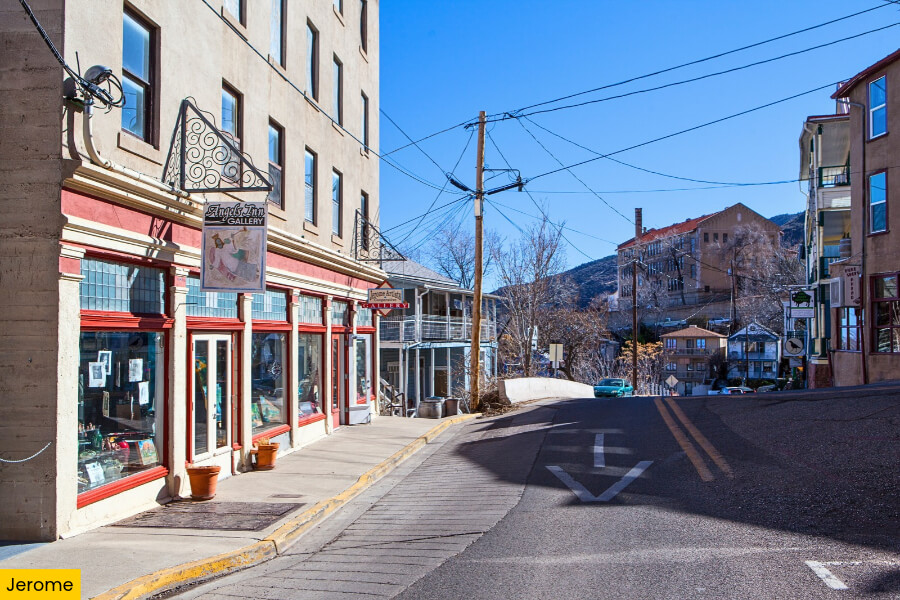
You can explore the Jerome State Historic Park inside the 1916 Douglas Mansion, check out old mining equipment at the Mine Museum, and wander past historic brick buildings along Main Street.
For something spooky, visit the Jerome Grand Hotel, a former hospital built in 1926 that’s now famous for its ghost stories and sweeping views of the Verde Valley.
4. Bisbee
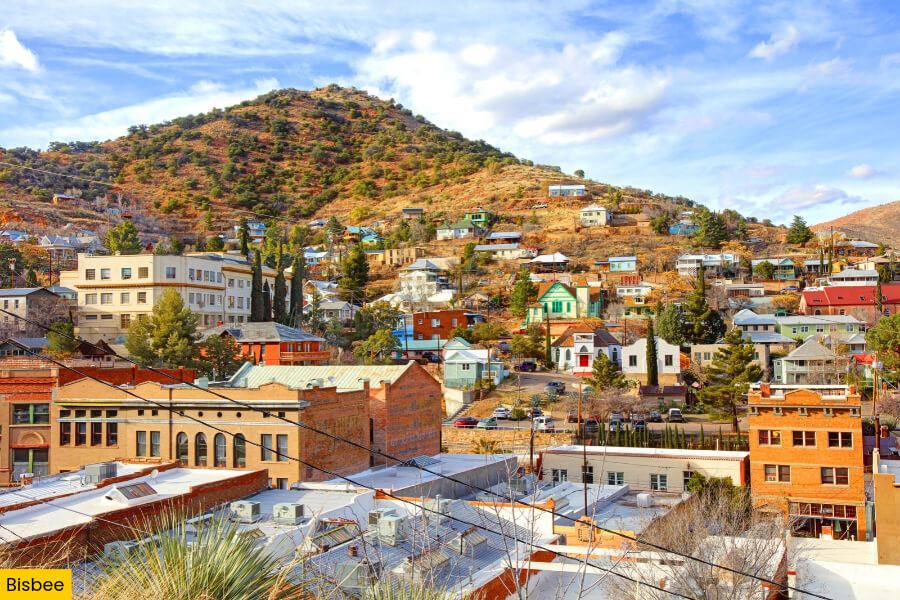
Bisbee takes Arizona’s mining-town history in a colorful direction, with steep streets, century-old brick buildings, and narrow staircases winding between houses built into the Mule Mountains.
Located about a 1-hour-and-40-minute drive from Tucson, just near the Mexican border, this former copper mining town boomed in the early 1900s and still has historic saloons, old storefronts, and the famous Copper Queen Hotel, which opened in 1902.
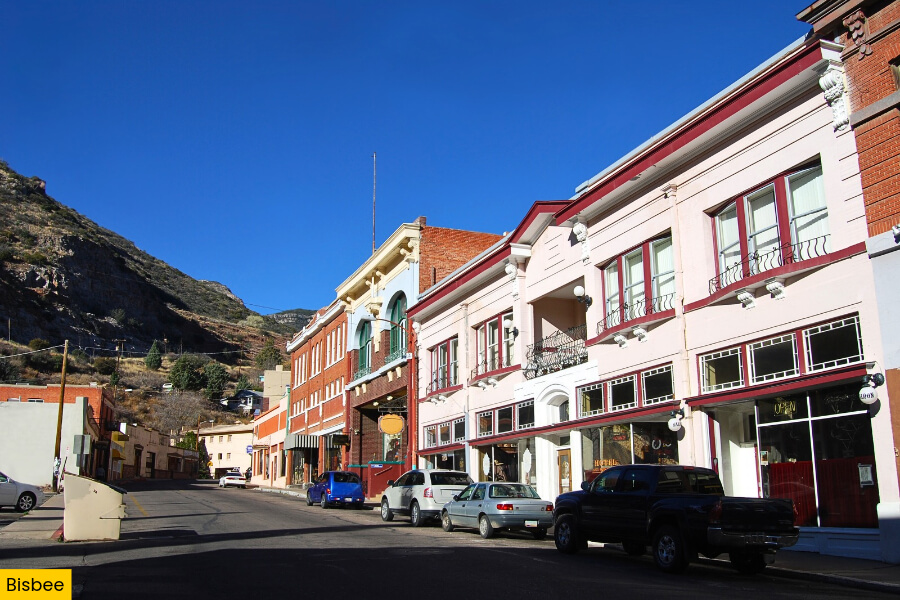
You can head underground on the Queen Mine Tour, where retired miners guide you through old tunnels aboard a small mining train while sharing stories about life beneath the mountain.
Don’t miss the massive Lavender Pit, an open-pit copper mine stretching roughly 4,000 feet across, or Brewery Gulch, a historic street once packed with saloons and gambling halls.
5. Wickenburg
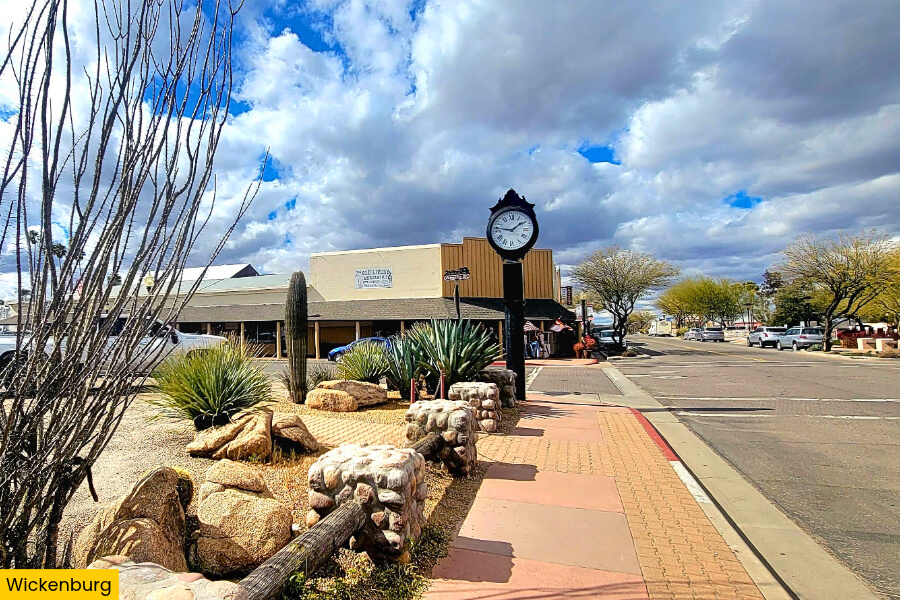
Wickenburg keeps its cowboy roots alive with working ranches, Western-themed storefronts, and horseback riding trails through the Sonoran Desert.
Located about an hour’s drive from Phoenix, this historic town was founded in 1863 and grew around the nearby Vulture Mine, which produced millions of dollars in gold and silver during its heyday.
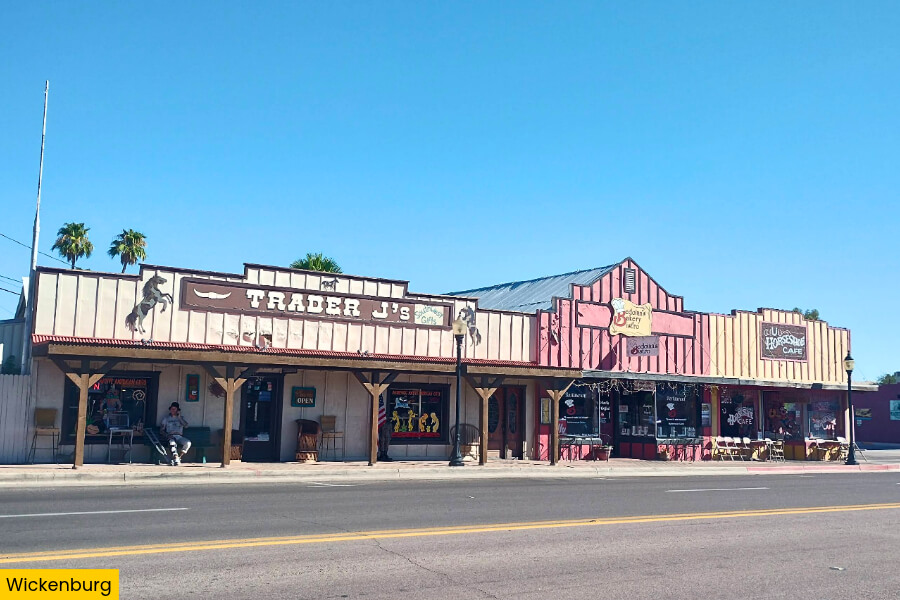
You can explore the Sigler Western Museum, packed with cowboy art and ranching exhibits, or visit Vulture City Ghost Town to see restored mining buildings, an old assay office, and the former post office.
For more cowboy fun, book a horseback ride at a local guest ranch or visit during Gold Rush Days in February for rodeos, a parade, and gold panning competitions.
6. Prescott
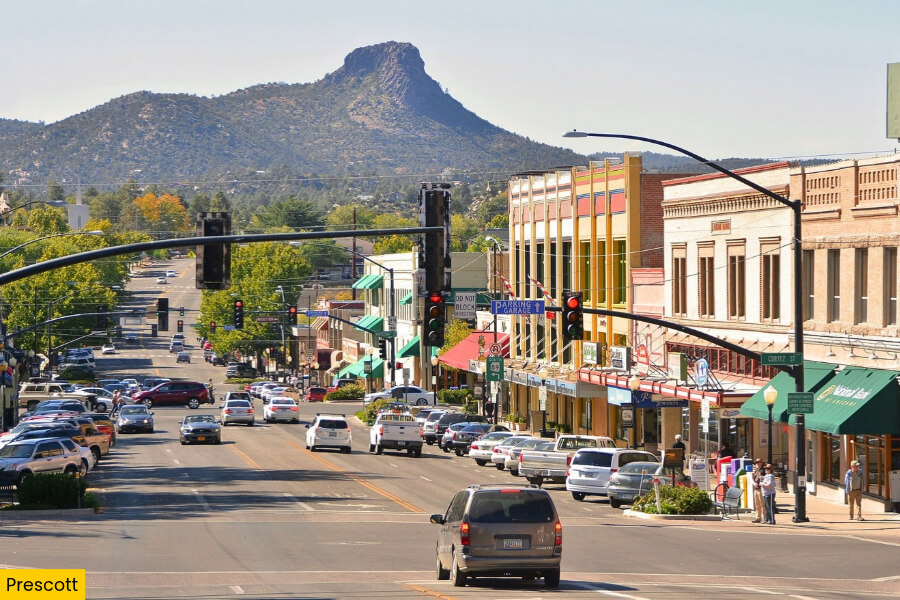
While Wickenburg celebrates its cowboy roots with working ranches, Prescott brings the Wild West to life with historic saloons, Victorian-era buildings, and a downtown square that once stood at the center of Arizona’s territorial government.
Located about 1 hour and 40 minutes from Phoenix, Prescott became Arizona’s first territorial capital in 1864 and is famous for Whiskey Row, a stretch of Montezuma Street once lined with dozens of saloons.
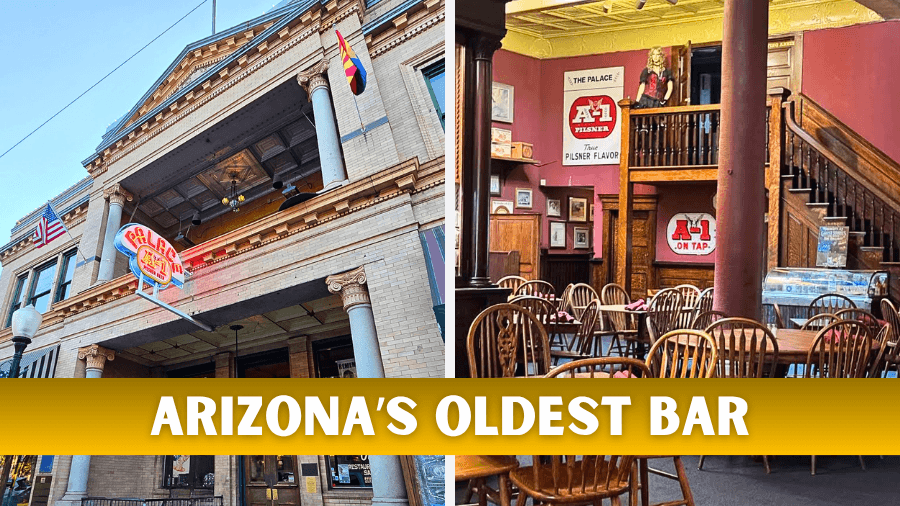
You can grab a drink at the historic Palace Restaurant and Saloon, which dates back to 1877, or explore the Sharlot Hall Museum, where original frontier buildings tell stories of Arizona’s early settlers.
Don’t miss the World’s Oldest Rodeo, held annually around the Fourth of July since 1888, or the beautiful Yavapai County Courthouse surrounded by towering elm trees.
7. Cave Creek
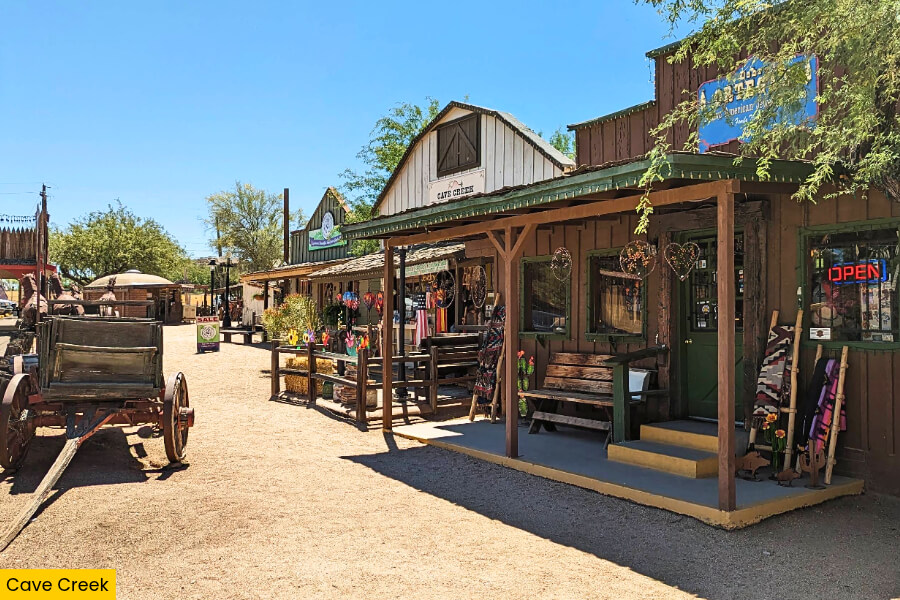
Prescott may have its famous Whiskey Row, but Cave Creek keeps the cowboy spirit going with roadside saloons, horse-friendly streets, and giant saguaro cacti standing tall against the Sonoran Desert mountains.
Located about 40 minutes from downtown Phoenix, this former mining and ranching community still has Western-style storefronts and local watering holes where you might spot horses parked outside.
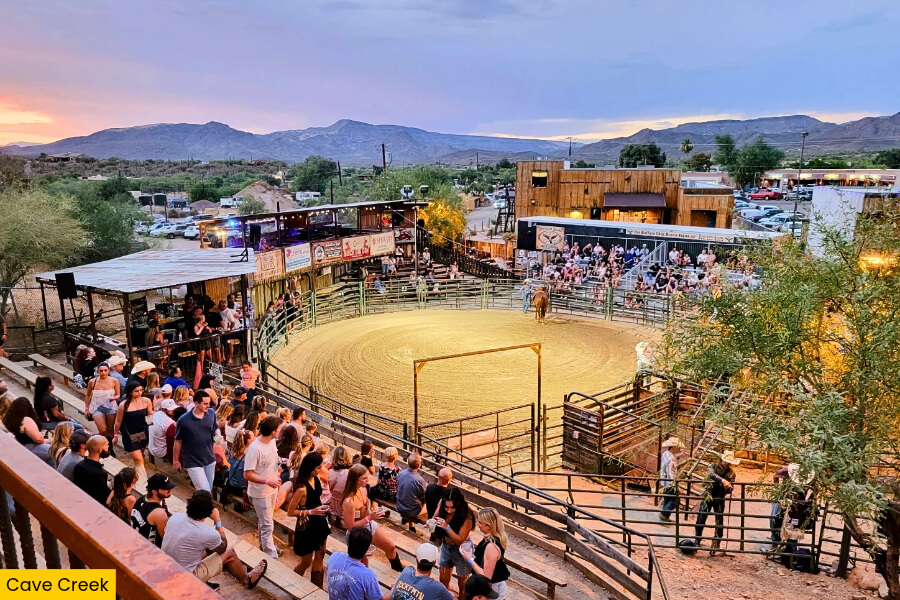
You can visit the Cave Creek Museum to see historic mining equipment and a restored, operational ten-stamp mill, or head to Frontier Town for wooden boardwalks, rustic shops, and Old West buildings.
For more cowboy fun, stop by Harold’s Cave Creek Corral, a local landmark with roots dating to 1935, or explore the 2,922-acre Cave Creek Regional Park, where desert trails wind past towering saguaros.
Related Posts