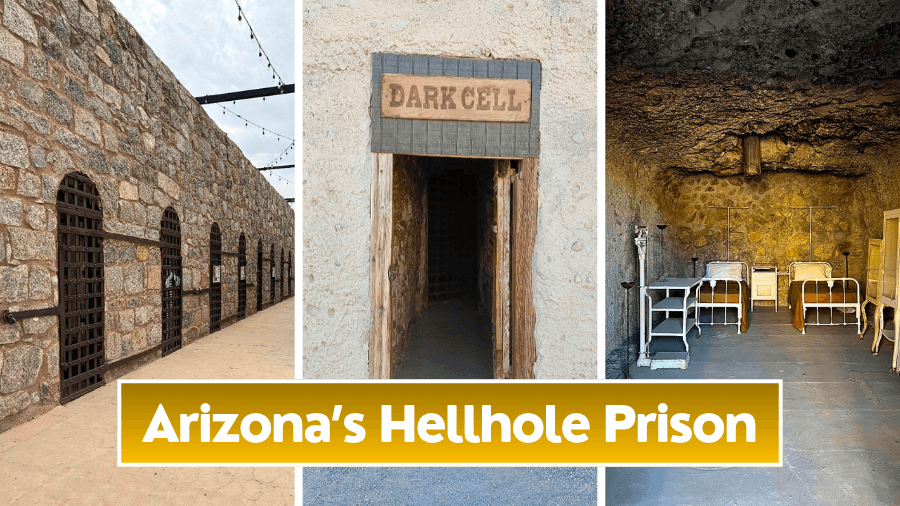
Imagine being locked inside a tiny stone cell with five other prisoners while temperatures outside climb above 100°F.
Sounds pretty miserable, right?
That was just part of everyday life at one of the most feared prisons in the Wild West, a place that earned the terrifying nickname “Hellhole of the West.”
More than 3,000 prisoners passed through its gates, including murderers, outlaws, and a few famous criminals with stories straight out of a Western movie.
Today, you can walk through the original cellblocks, step inside a pitch-black punishment chamber, and discover what life was really like behind bars in the late 1800s.
And trust me, some of the stories from this place are absolutely wild!
Where Is It?
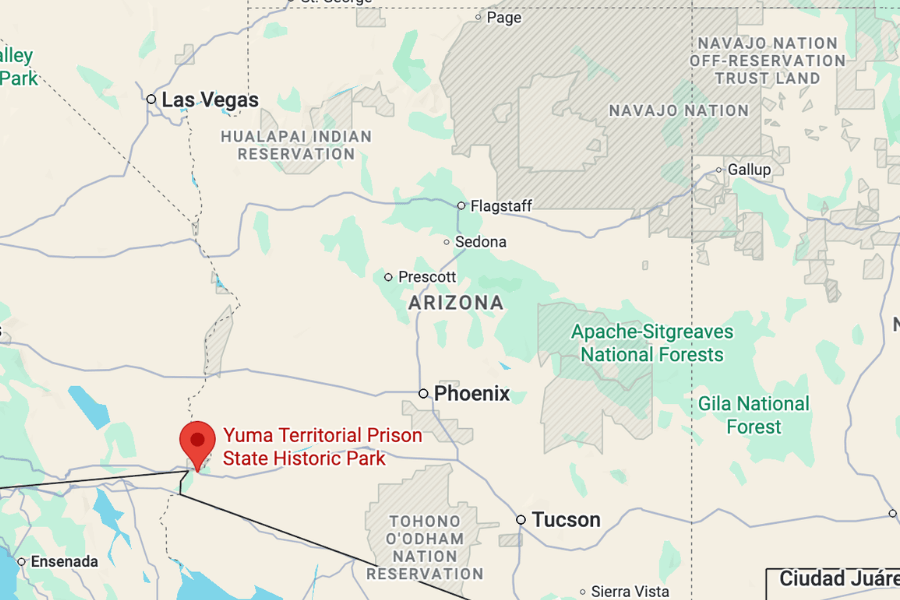
Yuma Territorial Prison State Historic Park is located in Yuma, a small city in southwestern Arizona, right near the California and Mexico borders.
You’ll find the former prison on a bluff overlooking the Colorado River, just a few minutes from downtown Yuma.
It’s nearly a 3-hour drive from Phoenix, 2 hours and 50 minutes from San Diego, and 3.5 hours from Tucson, making it an easy stop if you’re road-tripping through the Southwest.
About
Yuma Territorial Prison is one of Arizona’s most fascinating historic attractions, and its nickname, the “Hellhole of the West,” gives you a pretty good idea of what life was like behind these walls.
The prison opened on July 1, 1876, when its first seven inmates arrived and were put to work building the very cells they would eventually call home.
Talk about a rough first day.
Over the next 33 years, the prison housed 3,069 men and women convicted of crimes in the Arizona Territory before closing in 1909.
Some prisoners were locked up for murder and robbery, while others served time for crimes like adultery, forgery, and selling liquor to Native Americans.
Discover Why It Was Called the “Hellhole of the West”
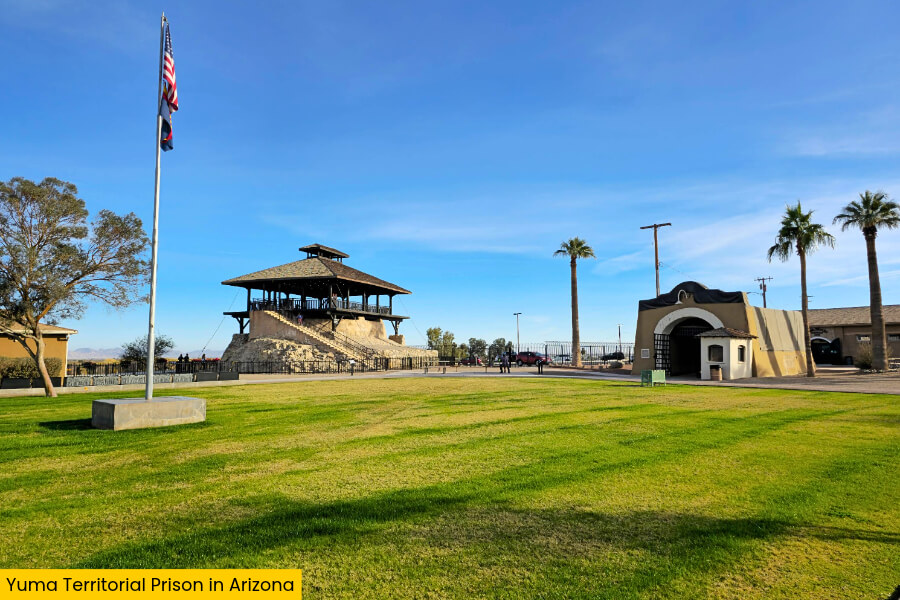
Life at Yuma Territorial Prison was no picnic, especially during the scorching Arizona summers.
Temperatures in Yuma regularly climb above 100°F, and prisoners had to endure the extreme heat inside cramped stone cells without air conditioning.
The prison also had a reputation for harsh punishments, strict discipline, and miserable living conditions.

Despite its terrifying reputation, Yuma Territorial Prison was surprisingly progressive for its time.
Inmates had access to a library containing thousands of books, received medical care, and could learn useful skills while serving their sentences.
The prison even had electricity and ventilation systems, which were impressive features for a frontier prison in the late 1800s.
Still, those improvements probably didn’t make spending years behind bars much more appealing.
Walk Through the Original Prison Cells
One of the coolest things about visiting Yuma Territorial Prison is getting to explore the actual buildings where inmates were held more than a century ago.
Several original structures remain, including the main cellblock, guard tower, and the infamous Dark Cell.
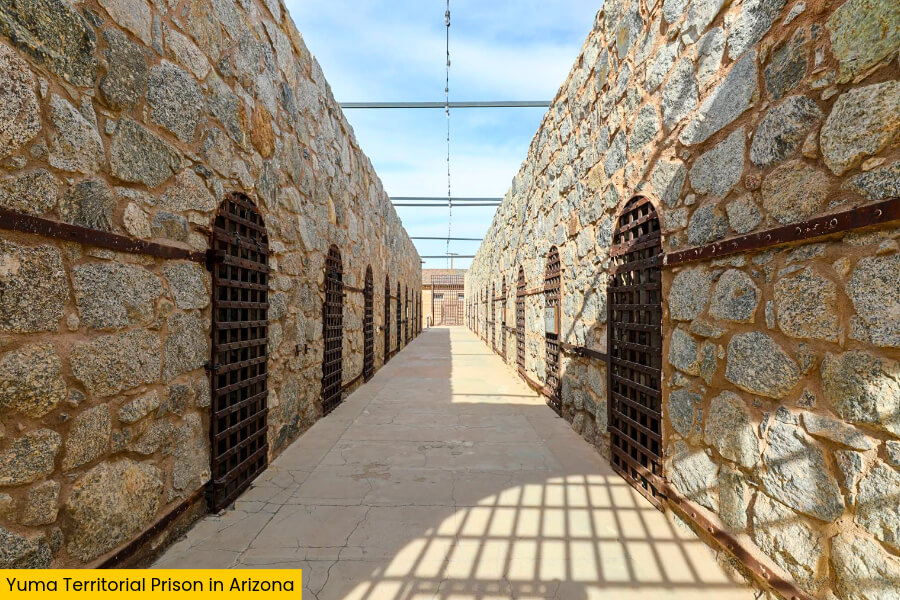
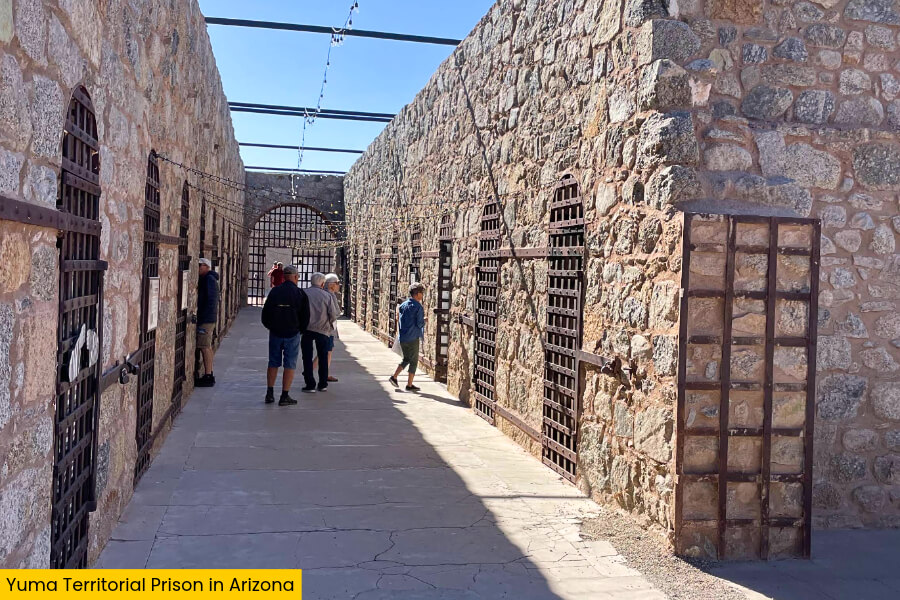
The cellblock is especially interesting because you can walk inside the narrow stone rooms and see how little space prisoners had.
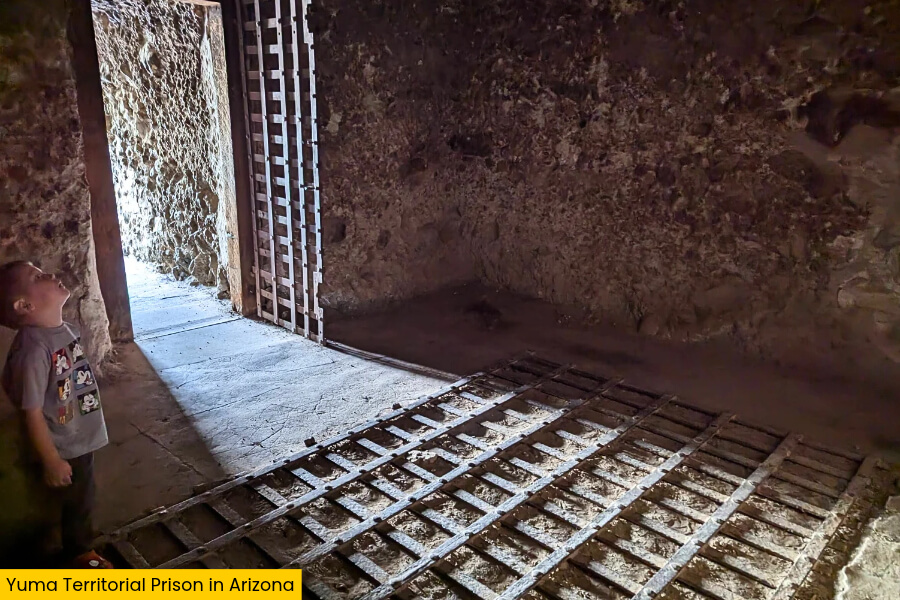
At times, as many as six inmates were crowded into a single cell and slept on bunks in cramped quarters.
There wasn’t much privacy, and with Yuma’s brutal summer heat, conditions could get downright unbearable.
You’ll also notice the thick stone walls and heavy iron doors that made escaping incredibly difficult.
It’s one thing to read about prison life in the 1800s, but standing inside one of these tiny cells makes the experience much more real.
Step Inside the Infamous Dark Cell
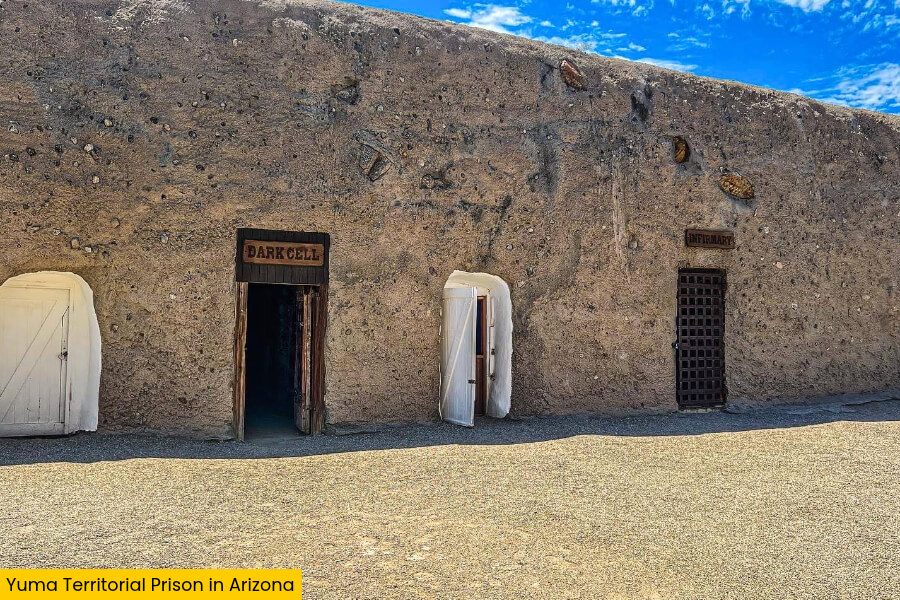
If there’s one place you absolutely shouldn’t miss, it’s the Dark Cell.
This small stone punishment chamber was one of the most feared parts of Yuma Territorial Prison, and you can still enter it today.
Inmates who broke prison rules could be confined here, sometimes for days at a time, with only bread and water.
Unlike the regular cells, this cramped, extremely uncomfortable chamber severely restricted light and outside contact, leaving prisoners in near-total darkness with very limited ventilation through a small shaft to the outside world.
Standing inside gives you a chilling glimpse of how harsh prison discipline could be in the Old West.
It’s easily one of the most memorable parts of the entire visit.
Explore the Prison Museum
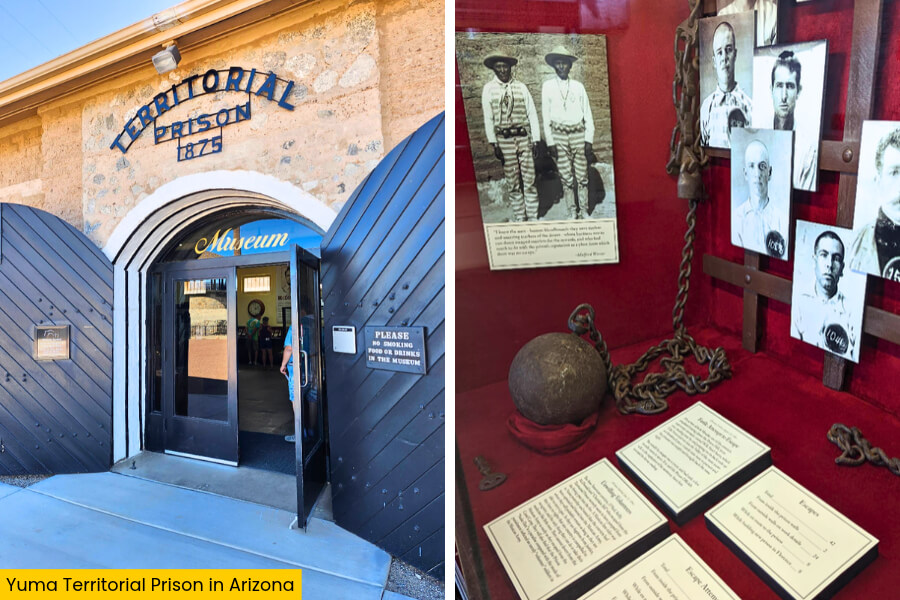
After checking out the cells, head into the prison museum to learn more about the people who lived and worked here.
The museum features historic photographs, original artifacts, and exhibits that tell the stories of former inmates and guards.
You’ll discover how the prison operated, what daily life was like, and how prisoners spent their time.
Some inmates worked in construction, farming, and other trades, while others attended classes or read books from the prison library.
You’ll also learn about some of the prison’s more unusual characters, including notorious criminals and prisoners who attempted daring escapes.
One particularly interesting story involves Pearl Hart, a female outlaw who became famous for her involvement in an Arizona stagecoach robbery in 1899.
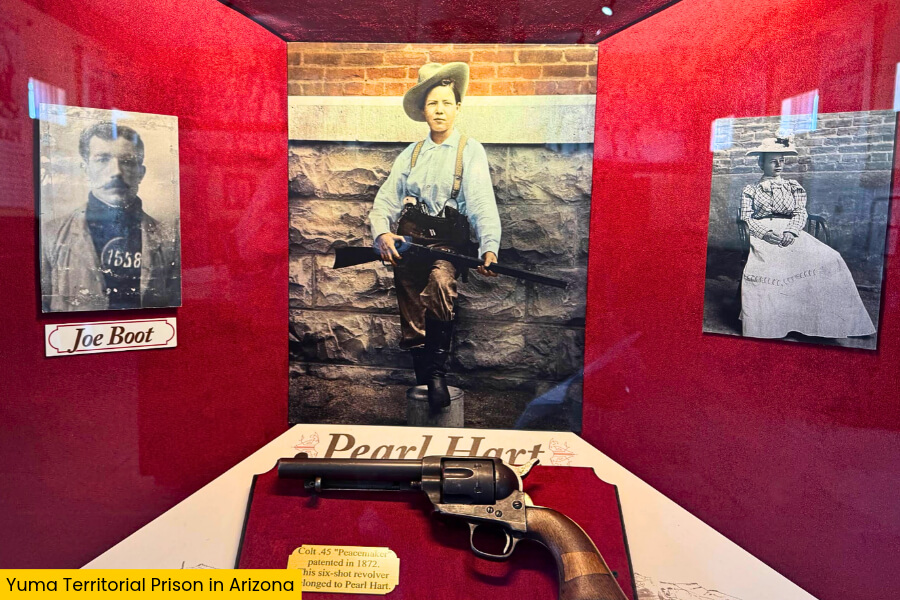
She was one of the prison’s best-known inmates and served time here in the early 1900s.
Her story is a reminder that the Wild West wasn’t short on colorful characters!
The museum does a great job of bringing these stories to life, so don’t rush through it.
Check Out the Guard Tower and Prison Grounds
Another highlight is the prison’s guard tower, which offers a glimpse into how guards monitored the grounds and watched for potential escape attempts.
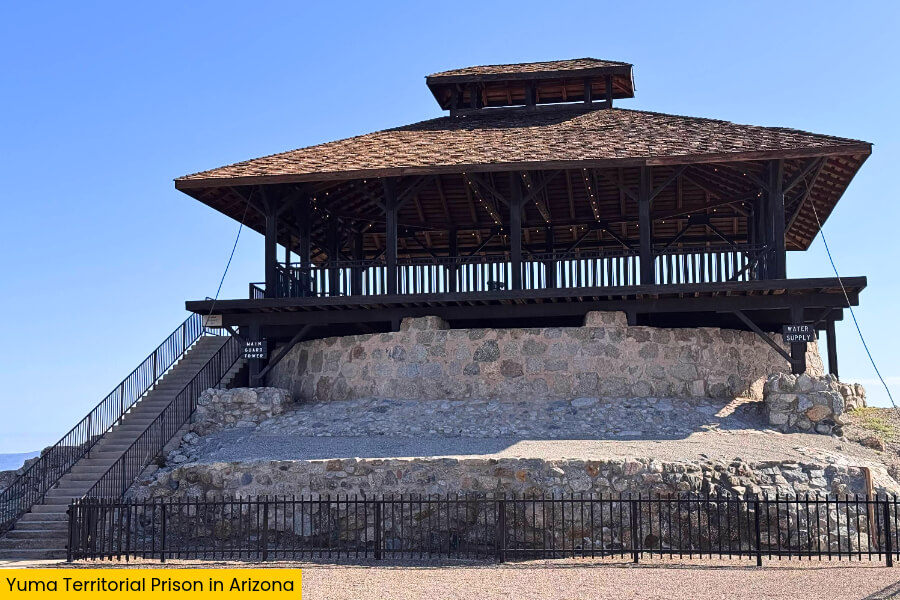
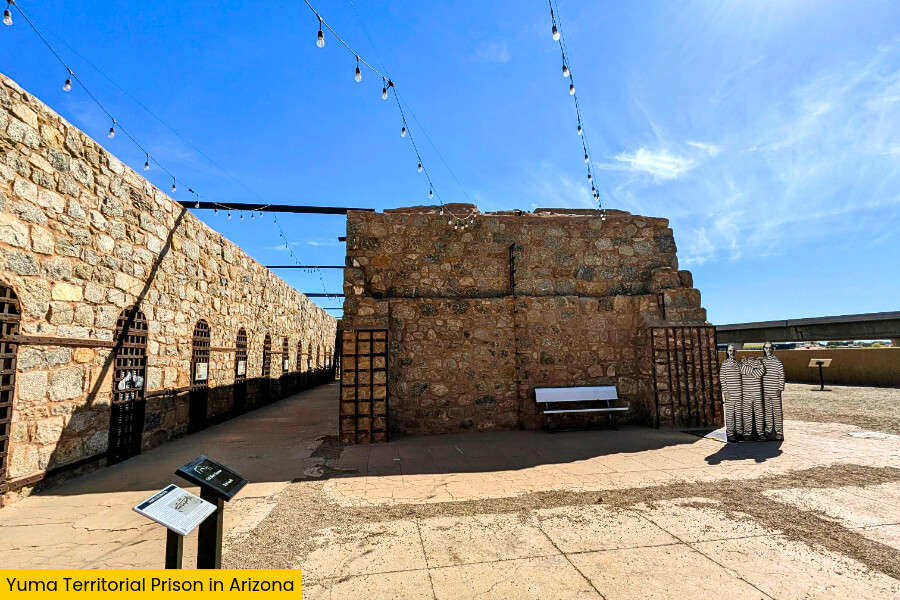
As you explore the outdoor grounds, you’ll also see surviving prison walls, historic structures, and informational signs explaining how the facility operated.
The prison was built using granite quarried from the surrounding area, and much of the construction work was completed by the inmates themselves.
That means many prisoners literally helped build the place that kept them locked up.
You’ll also find some great photo opportunities around the old stone buildings and iron-barred doorways.
If you’re into historic architecture or unusual roadside attractions, bring your camera.
Visit the Prison Cemetery
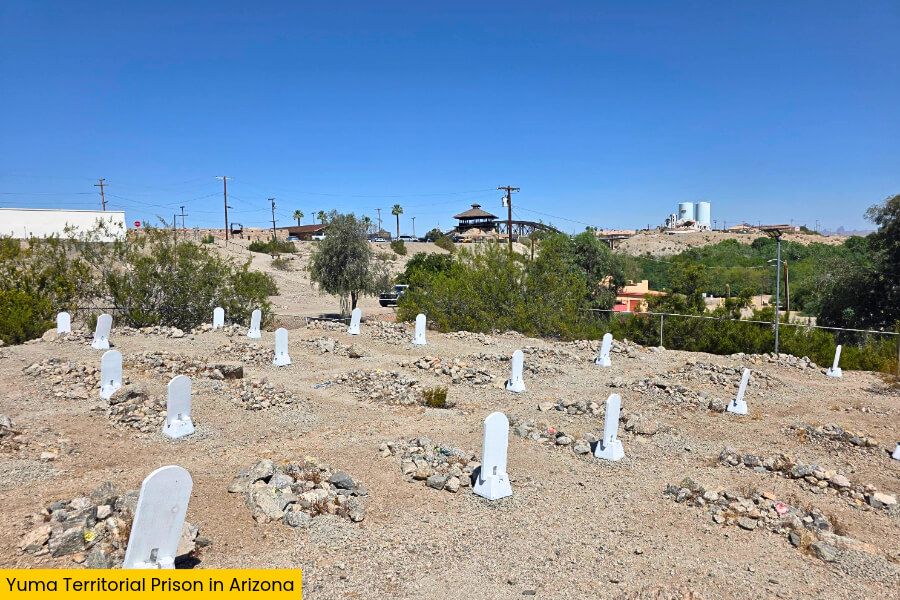
One of the more sobering parts of the site is the prison cemetery, where 104 inmates were buried during the prison’s years of operation.
Prisoners died from illnesses, natural causes, and other hardships associated with life behind bars in the late 1800s.
The cemetery is located outside the main prison grounds and offers a quieter place to reflect on the prison’s history.
It’s an important reminder that the stories told here involve real people, many of whom faced incredibly difficult circumstances.
Learn About the Prison’s Escape Attempts
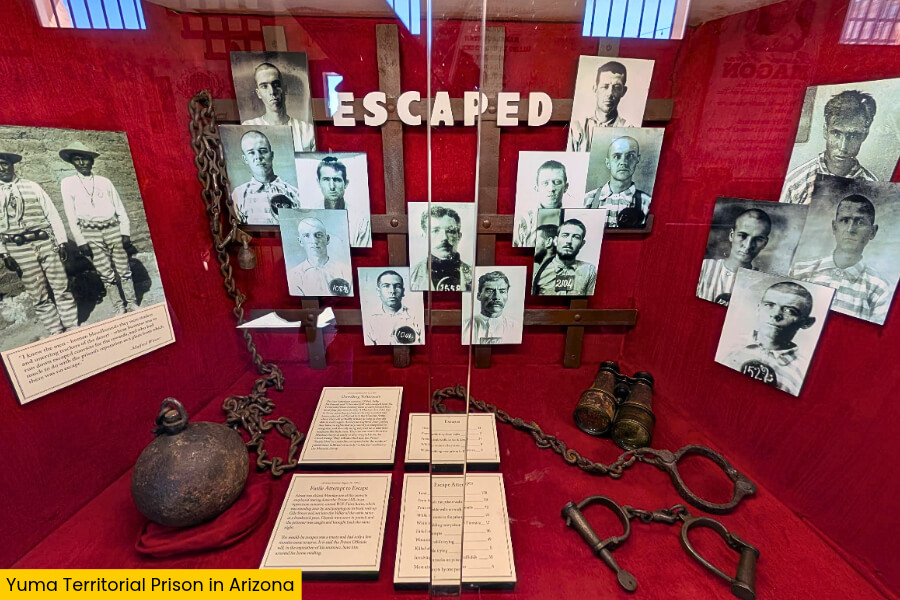
With thick stone walls, armed guards, and the surrounding desert, escaping Yuma Territorial Prison was no easy task.
But that didn’t stop inmates from trying!
Over the years, prisoners attempted to break free using everything from improvised ladders to daring confrontations with guards.
One of the prison’s most dramatic incidents happened in 1887, when several inmates attempted a breakout that ended in violence.
The prison’s exhibits share stories of escape attempts, punishments, and the measures guards used to keep inmates under control.
These accounts are especially interesting if you enjoy Wild West history, true crime, or stories about notorious outlaws.
Discover What Happened After the Prison Closed
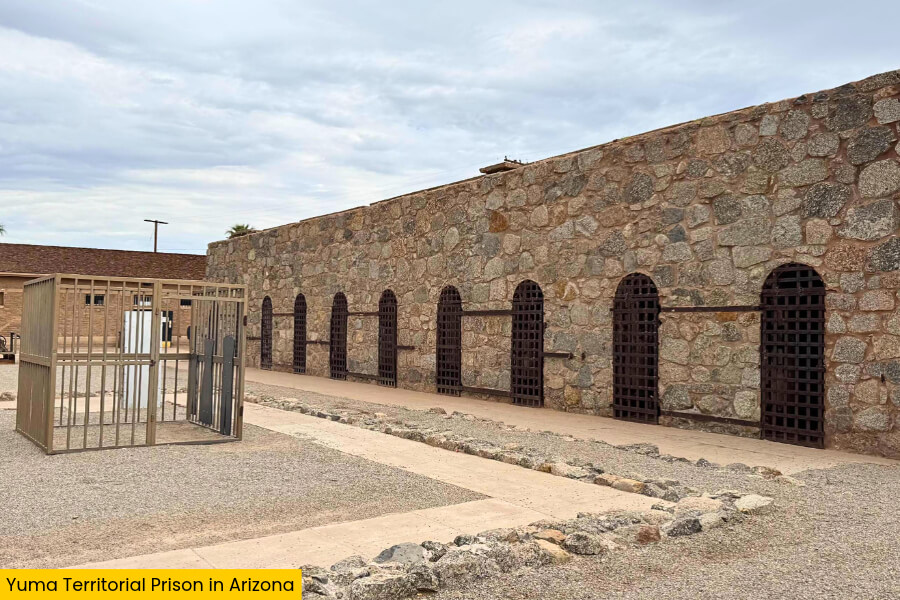
Yuma Territorial Prison closed in 1909, when its remaining inmates were transferred to a new facility in Florence, Arizona.
But the buildings didn’t immediately become a historic attraction.
In fact, the former prison found several unusual uses over the following decades.
From 1910 to 1914, Yuma Union High School held classes inside the old prison buildings after its original school burned down.
Students attended lessons in former prison cells, which earned the school the nickname “Criminals.”
That nickname stuck, and Yuma High School’s sports teams are still known as the Criminals today!
Parts of the property were later used for other purposes, and several original structures were damaged or demolished over time.
Fortunately, preservation efforts eventually saved what remained.
The site opened as an Arizona state historic park in 1961, allowing people to explore one of the state’s most unusual landmarks.
Is Yuma Territorial Prison Worth Visiting?
Absolutely, especially if you love Old West history, unusual museums, or attractions that are a little different from your typical sightseeing stop.
Unlike many historic sites where you can only look at buildings from behind a rope, Yuma Territorial Prison lets you walk through original cells and explore spaces that inmates used more than 100 years ago.
The combination of historic buildings, museum exhibits, and fascinating prisoner stories makes it much more interesting than you might expect from an old prison.
And whatever you do, don’t skip the Dark Cell!
It’s one of those places that will stick in your memory long after you’ve left.
Know Before You Go
The best time to visit Yuma Territorial Prison is between November and March, when daytime temperatures usually range from the 60s to the 80s°F.
Yuma is one of the hottest cities in Arizona, with summer temperatures regularly topping 100°F, so exploring the outdoor prison grounds in July or August can be seriously uncomfortable.
If you’re visiting during the warmer months, arrive as early as possible, bring plenty of water, and wear sunscreen.
The prison operates on a seasonal schedule, with longer opening hours during the cooler months and reduced hours in summer.
Admission is $10 per adult (ages 14 and older), $7 for youth ages 7–13, and free for children ages 6 and under, although prices can change.
Check the official Arizona State Parks website for current admission prices, opening hours, and any seasonal closures before heading out.
Free parking is available at the park, just a short walk from the entrance.
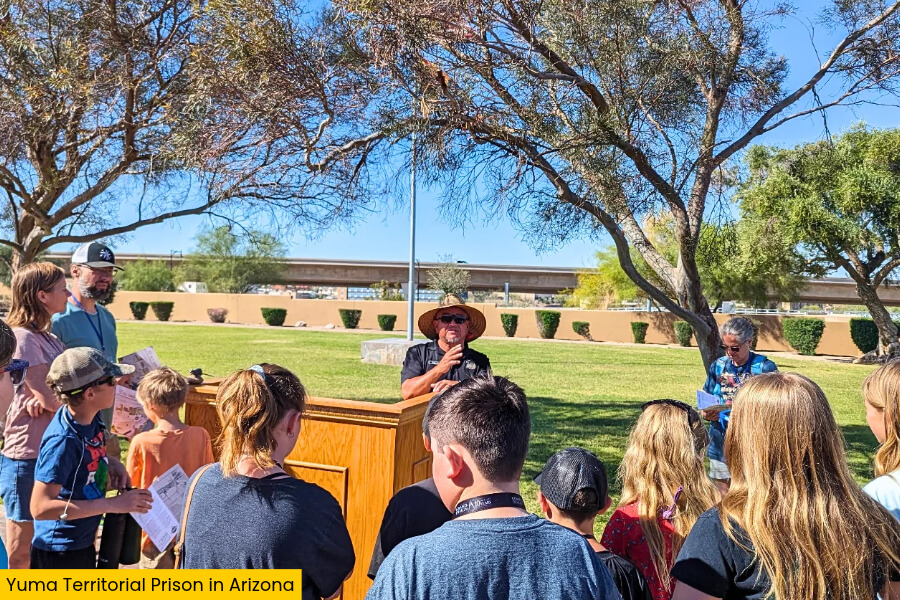
Most of the attraction is self-guided, so you can explore at your own pace without needing to book a tour.
Allow 1 to 2 hours for your visit, especially if you want to read the museum exhibits and take plenty of photos.
Wear comfortable shoes because you’ll be walking across a mix of paved paths and uneven historic surfaces.
Some parts of the old prison have narrow entrances and limited accessibility, so it’s worth checking with the park if you have mobility concerns.
You can also combine your visit with a few other nearby attractions.
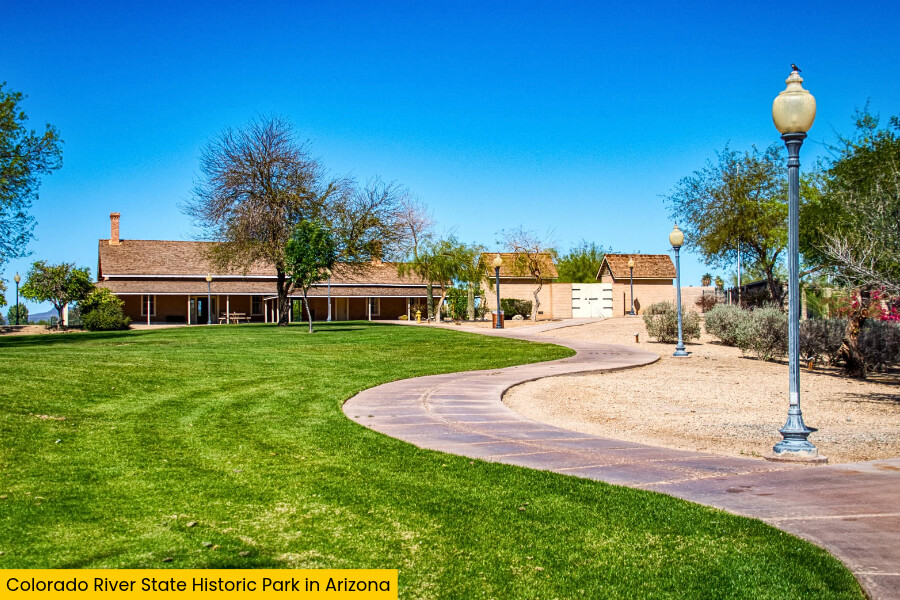
Colorado River State Historic Park is just a short drive away and features restored buildings from the former Yuma Quartermaster Depot, which supplied military outposts across the Southwest during the 1800s.
For something completely different, check out Gateway Park, where you can walk along the Colorado River, enjoy views of the historic Ocean-to-Ocean Bridge, and cool off near the water.
And if you’re hungry afterward, head to Historic Downtown Yuma, where you’ll find restaurants, shops, and historic buildings along Main Street.
It’s an easy way to turn your prison visit into a fun half-day adventure in Yuma!
Related Posts