Think Arizona is all scorching deserts, giant cacti, and endless stretches of red rock?
Think again, because this incredible state is hiding some seriously beautiful surprises, from massive underground caves and natural waterslides to sparkling lakes, towering rock formations, and mountain trails with jaw-dropping views.
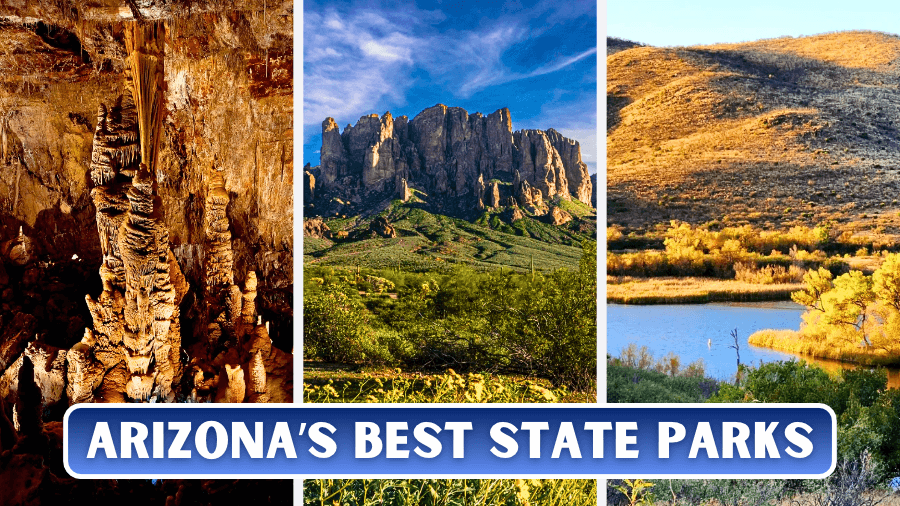
Whether you’re dreaming of swimming in crystal-clear water, hiking to breathtaking viewpoints, or exploring places with fascinating stories, Arizona’s state parks have something exciting waiting around every corner.
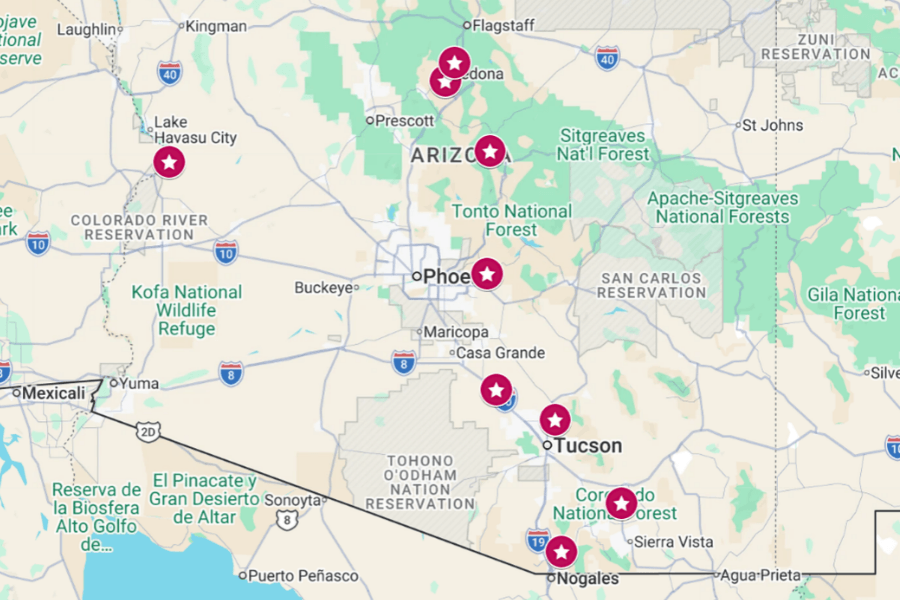
We’ve rounded up the 9 most beautiful state parks in Arizona, including a few unexpected gems that might just steal the top spot on your travel bucket list!
1. Red Rock State Park
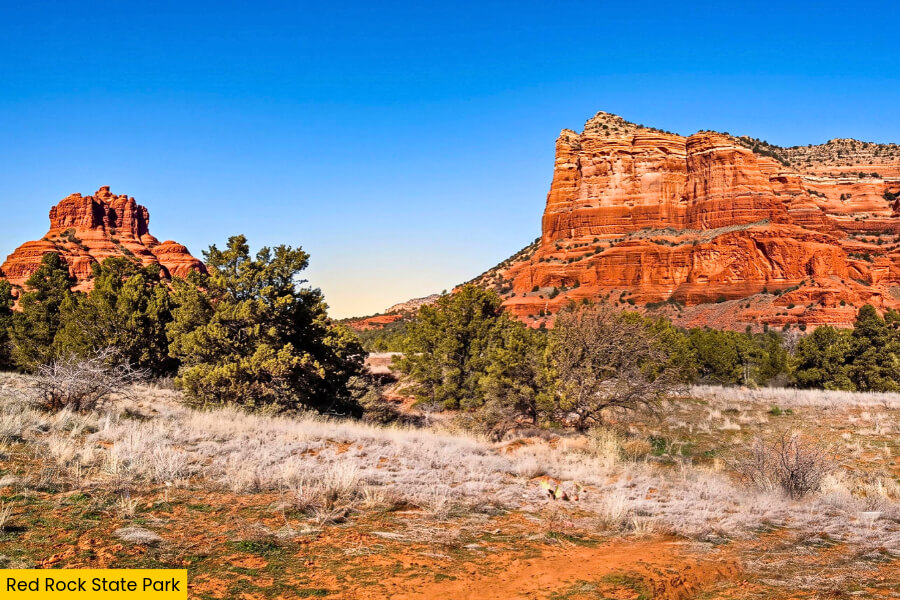
Located just 10 minutes from Sedona, Red Rock State Park is a 286-acre nature preserve famous for its towering red sandstone formations, lush green meadows, and the beautiful Oak Creek winding through the desert landscape.
You can explore 5 miles of interconnected hiking trails, including the 2.5-mile Eagle’s Nest Loop, which climbs to the park’s highest point and rewards you with incredible views of Sedona’s famous red rock cliffs.
For more scenic adventures, follow the Kisva Trail along Oak Creek, where you can spot mule deer, javelinas, and dozens of bird species, including great blue herons and hummingbirds.
Don’t miss the park’s guided nature walks, wildlife exhibits at the visitor center, and stunning views of Cathedral Rock, one of Arizona’s most photographed landmarks.
2. Kartchner Caverns State Park
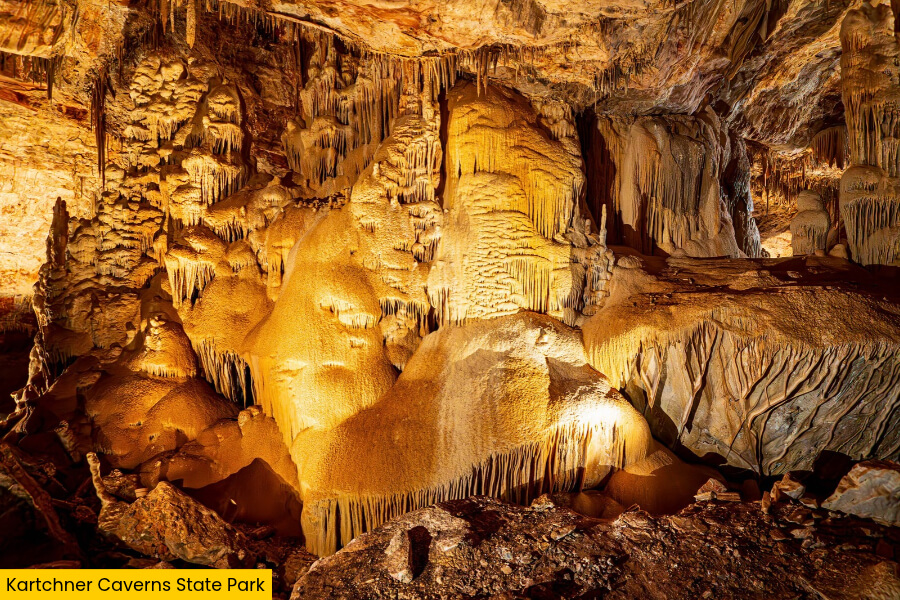
While Sedona’s red rocks steal the show above ground, Kartchner Caverns State Park takes the adventure underground with massive limestone caves hidden beneath the Whetstone Mountains, about 15 minutes from Benson in southeastern Arizona.
Discovered in 1974 by two college students, these incredible caverns remained hidden from the general public for 14 years to protect their delicate formations.
Among their most impressive features are the 58-foot-tall Kubla Khan column and one of the world’s longest soda straw stalactites, measuring over 21 feet.
You can explore the caves on guided tours of the Rotunda and Throne Room or the Big Room, where you’ll see thousands of stalactites, stalagmites, and other formations that have taken thousands of years to grow.
Above ground, tackle the 2.5-mile Foothills Loop Trail, check out the interactive Discovery Center, or spend the night at the park’s campground beneath Arizona’s star-filled skies.
3. Tonto Natural Bridge State Park
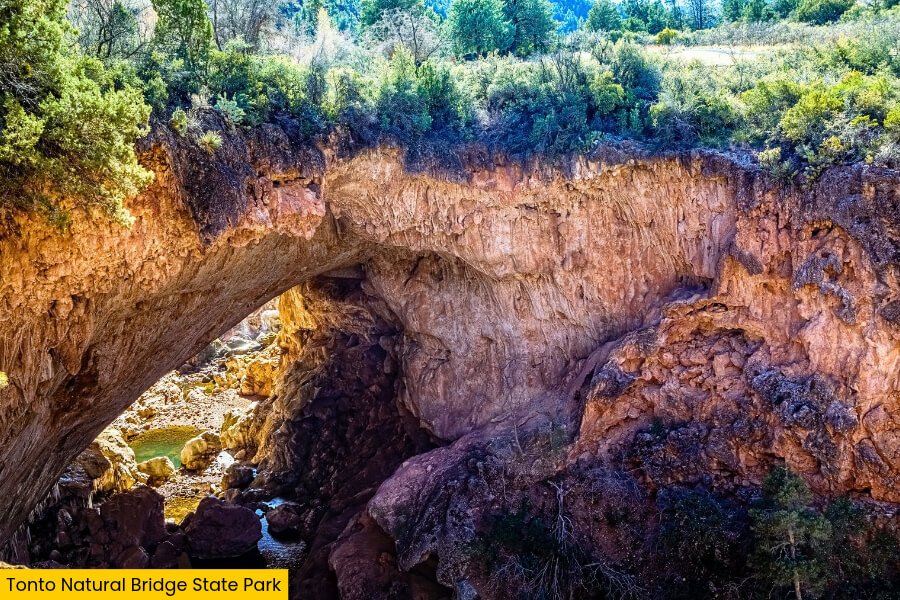
Arizona’s natural wonders keep getting more impressive at Tonto Natural Bridge State Park, located about 20 minutes from Payson, where a massive natural travertine bridge towers over a beautiful canyon filled with pine trees and flowing water.
Standing 183 feet tall and stretching 150 feet across, Tonto Natural Bridge is believed to be the world’s largest natural travertine bridge, with a 400-foot-long tunnel carved by water over thousands of years.
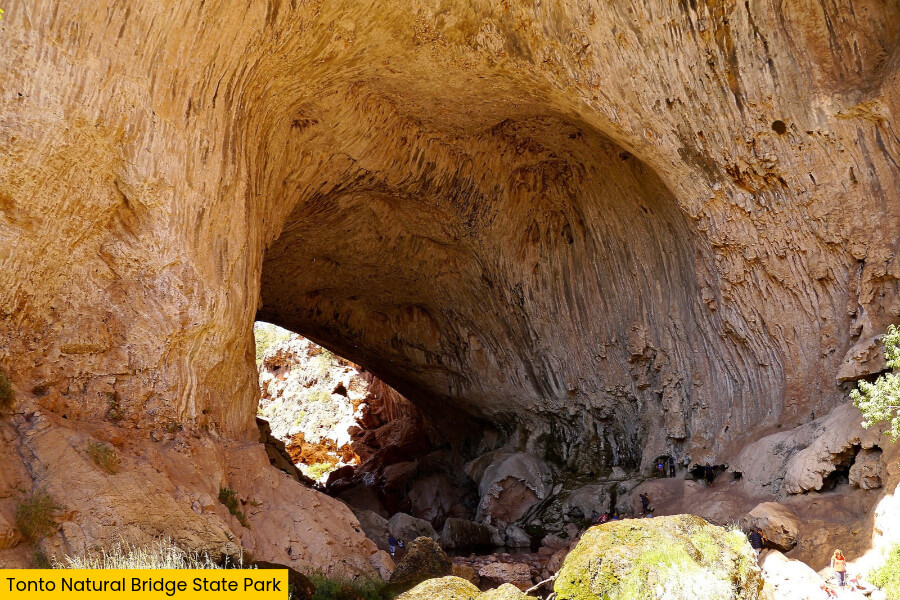
You can admire this giant rock formation from four scenic viewpoints or tackle the steep, roughly half-mile Gowan Trail, which leads down to an observation deck near the creek beneath the bridge.
For an extra adventure, explore the 0.5-mile Pine Creek Trail, watch water trickle down moss-covered rocks, and visit the historic Goodfellow Lodge, built in the 1920s and now home to exhibits about the park’s fascinating past.
4. Lost Dutchman State Park
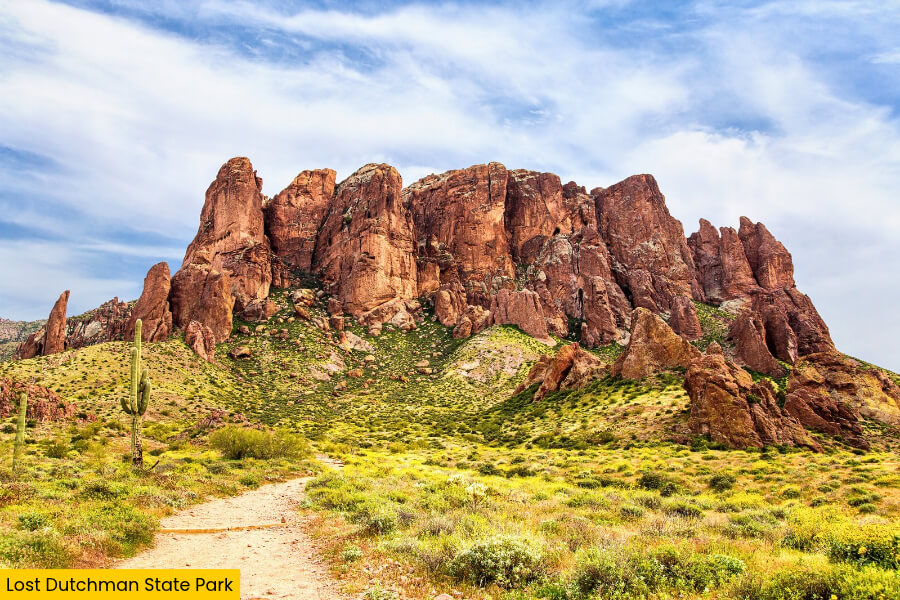
If towering mountains and mysterious legends sound like your kind of adventure, Lost Dutchman State Park, located 45 minutes from Phoenix near Apache Junction, is the perfect place to visit.
This incredible park is home to the dramatic Superstition Mountains, giant saguaro cacti, and wide-open desert scenery.
The park gets its name from the legendary Lost Dutchman’s Gold Mine, a supposedly hidden stash of gold that has inspired treasure hunters to search the Superstition Mountains for over a century.
You can hike the 2.4-mile Treasure Loop Trail for incredible mountain views, tackle the challenging 4-mile Siphon Draw Trail toward the famous Flatiron rock formation, or explore the easier 0.25-mile Native Plant Trail to see desert plants up close.
Visit between February and April to catch colorful wildflowers after rainy winters, or stay at one of the park’s 135 campsites for spectacular sunsets and stargazing beneath the desert sky.
5. Slide Rock State Park
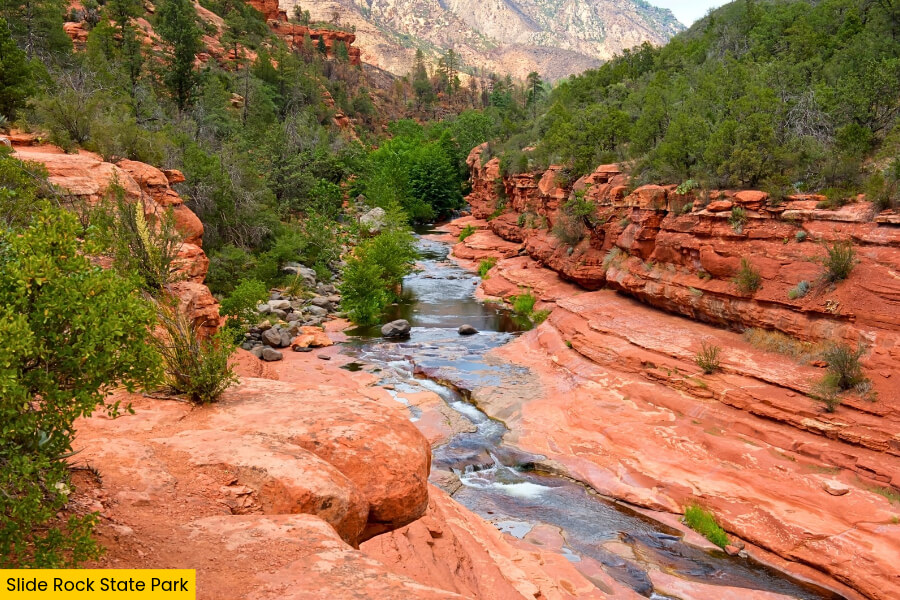
Slide Rock State Park, located 20 minutes from Sedona in Oak Creek Canyon, lets you swap dusty hiking trails for a natural waterslide carved into smooth red sandstone by the rushing waters of Oak Creek.
The park’s main attraction is an 80-foot-long natural rock slide, where you can glide through cool creek water, splash into swimming holes, and relax on sun-warmed sandstone ledges surrounded by towering canyon walls.
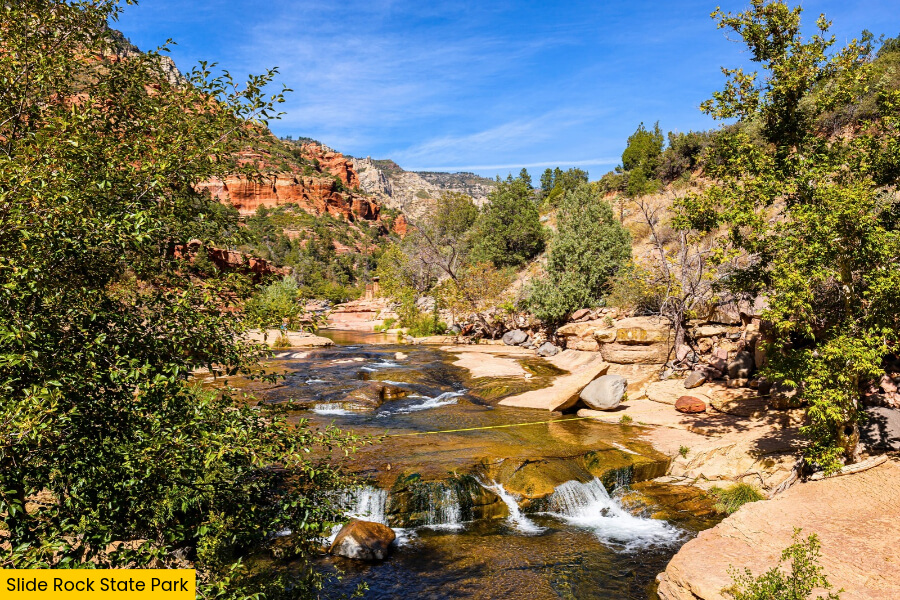
Beyond the swimming area, explore the 0.25-mile Pendley Homestead Trail, which passes historic farm buildings and apple orchards planted by Frank L. Pendley, who developed the property into a successful apple farm in the early 1900s.
You can also follow the 0.25-mile Clifftop Nature Trail for gorgeous views of Oak Creek Canyon, especially during fall when the cottonwood trees turn golden yellow.
6. Catalina State Park
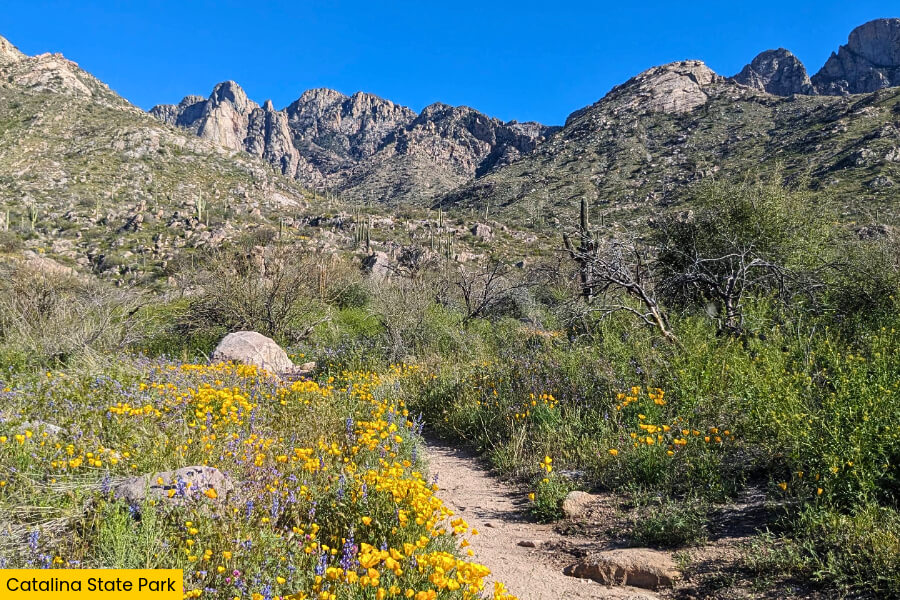
If you love desert scenery with a dramatic mountain backdrop, Catalina State Park, located about 25 minutes from downtown Tucson, covers 5,500 acres at the base of the Santa Catalina Mountains, where thousands of giant saguaro cacti stand beneath rocky peaks.
One of the park’s biggest highlights is the 0.8-mile Romero Ruins Interpretive Trail, where you can explore the remains of a Hohokam village occupied around 500 to 1450 AD and learn about the people who once farmed this desert land.
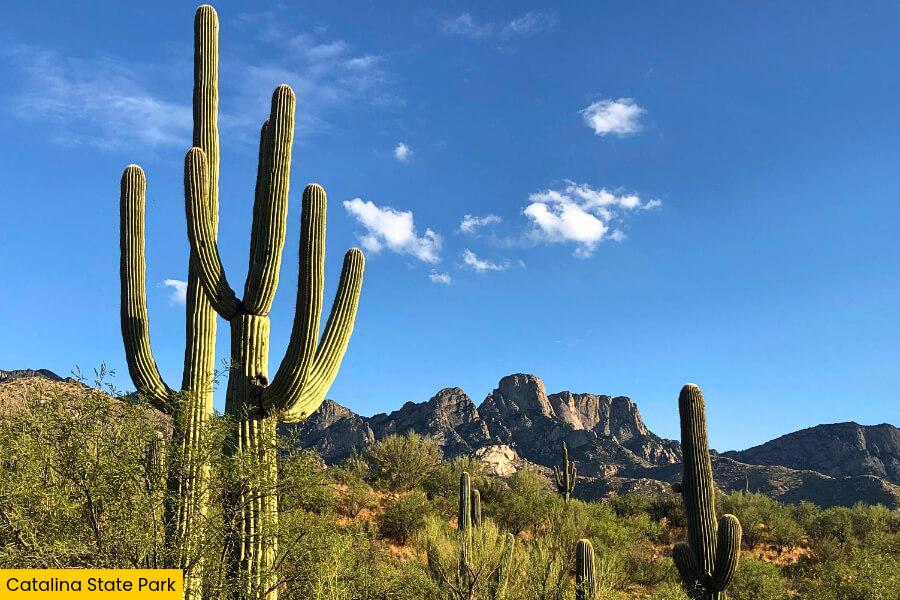
For more adventure, hike the 2.3-mile Canyon Loop Trail through sandy washes and seasonal streams, or tackle the challenging 5.6-mile round-trip Romero Pools Trail to reach natural rock pools surrounded by impressive canyon walls.
Keep your eyes peeled for roadrunners, coyotes, and Gila woodpeckers, especially during the cooler months when the park’s desert trails are perfect for exploring.
7. Patagonia Lake State Park
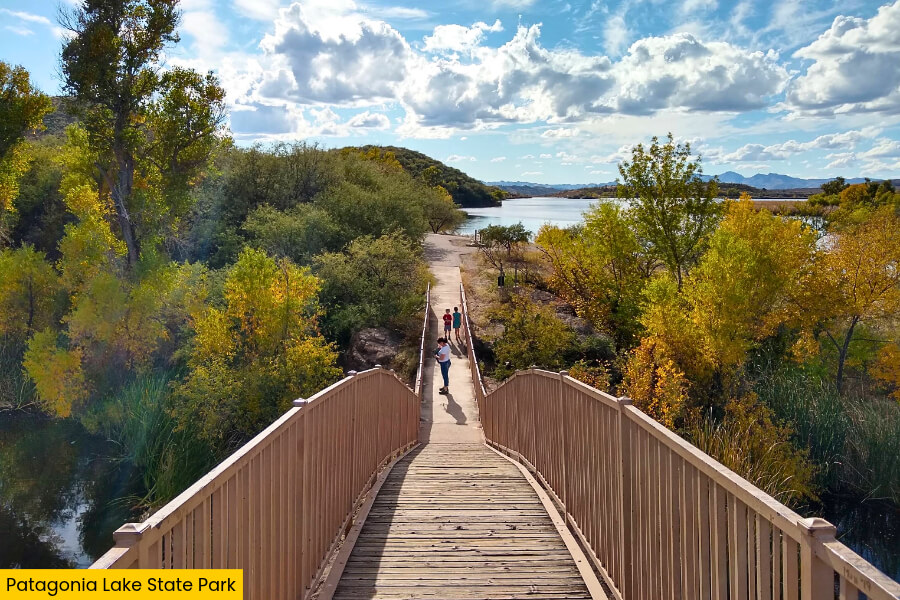
Patagonia Lake State Park sits about 25 minutes from Nogales in southern Arizona, where a sparkling lake stretches for 2.5 miles between rolling hills covered in mesquite trees and desert grasses.
Created in 1968 by damming Sonoita Creek, this beautiful lake is one of southern Arizona’s best spots for swimming, kayaking, paddleboarding, and fishing for largemouth bass, rainbow trout, bluegill, and channel catfish.
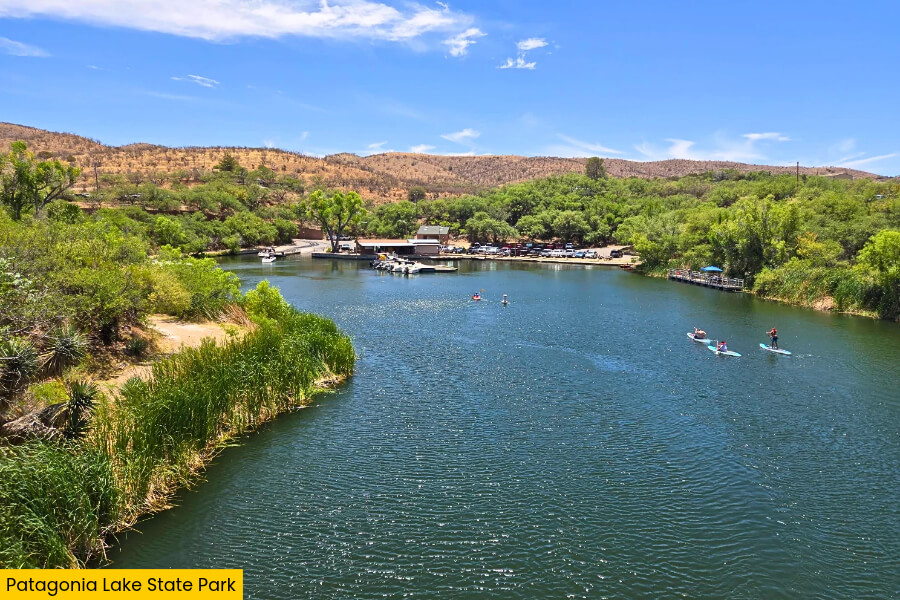
You can cool off at the park’s sandy swimming beach, rent a boat from the marina, or explore the park’s half-mile hiking trail that leads to Sonoita Creek, where you might spot great blue herons, vermilion flycatchers, and colorful hummingbirds.
For an overnight adventure, choose from 105 developed campsites or cozy camping cabins, and keep an eye out for white-tailed deer wandering near the shoreline at sunrise.
8. Picacho Peak State Park
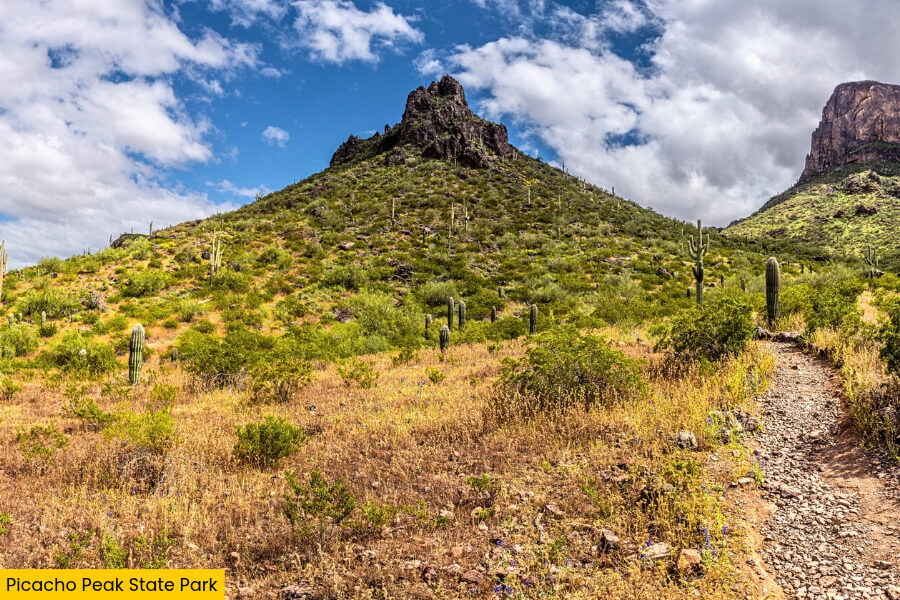
Rising 1,500 feet above the Sonoran Desert, Picacho Peak State Park sits along Interstate 10 between Phoenix and Tucson, where its jagged volcanic peak creates one of Arizona’s most recognizable mountain landmarks.
The park is famous for its challenging 3.2-mile round-trip Hunter Trail, which features steep rock sections with steel cables to help you reach the 3,374-foot summit.
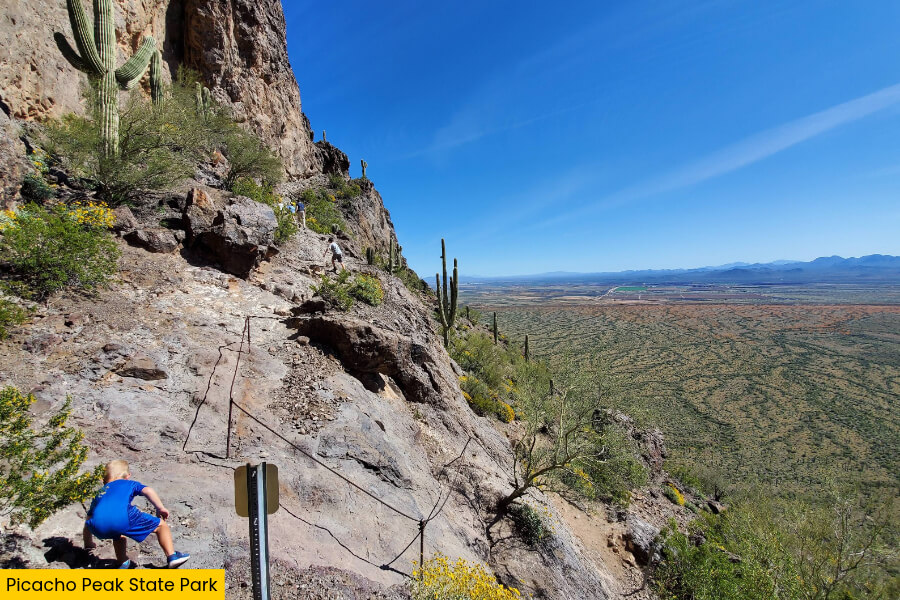
If you’re visiting between mid-February and mid-March, you might see the hillsides bursting with colorful wildflowers, including purple lupines, orange poppies, and yellow Palo Verde blooms.
History lovers can also explore the site of the 1862 Battle of Picacho Pass, the westernmost Civil War battle, or enjoy desert camping beneath towering saguaros and star-filled skies.
9. Buckskin Mountain State Park
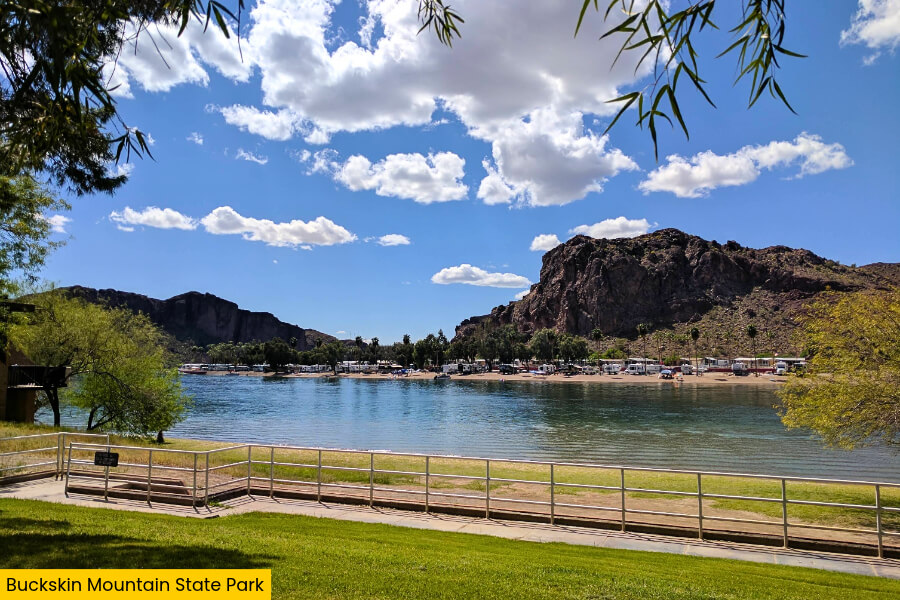
Wrapping up this list with a splash, Buckskin Mountain State Park sits along the Colorado River about 10 minutes from Parker, where rocky desert mountains meet a beautiful stretch of blue-green water near the Arizona-California border.
The park is famous for its scenic riverfront, where you can swim at the designated beach, launch a kayak or paddleboard, and fish for largemouth bass, smallmouth bass, and catfish while enjoying views of the surrounding Buckskin Mountains.
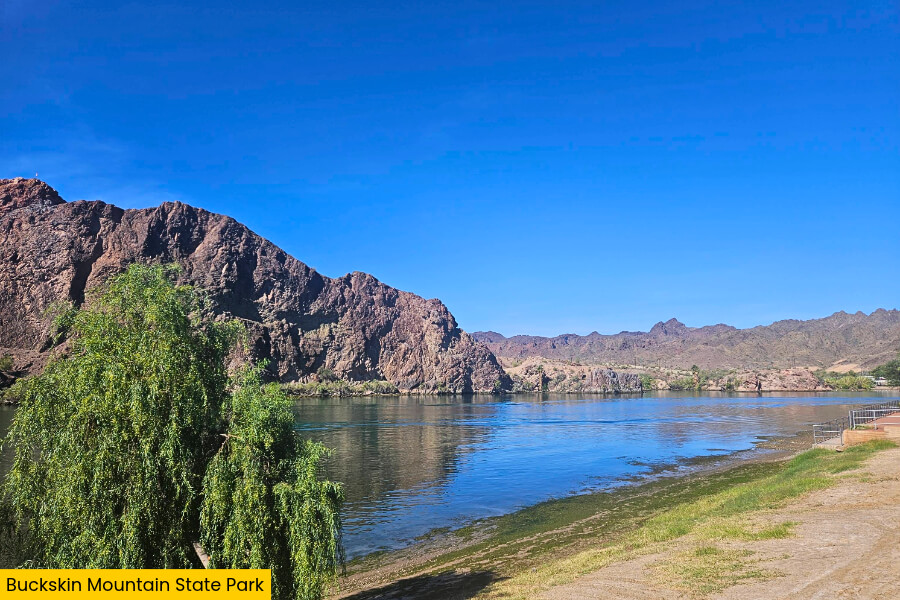
If you’re up for a hike, tackle the roughly 0.5-mile round-trip Lightning Bolt Trail for sweeping views of the Colorado River, or explore the Buckskin Loop Trail to see desert plants, rocky hillsides, and towering saguaro cacti.
You can also camp at riverside sites, enjoy a picnic beneath shady trees, or watch boats cruise past as the sun sets behind the mountains.
Related Posts